


Pairing Purple — These Colors Go Well with Different Shades of Purple
|
|
|
Time to read 12 min
|
|
|
Time to read 12 min
Elegant, intense, mystical—with its unique effect, purple turns any outfit into an eye-catcher. Even—or perhaps especially—because the symbolism of the color remains contradictory. Purple stands for both purity and infidelity.
But what does this color really mean? What shades of purple are there, who looks especially good in purple, and which colors pair best with it? In this guide, you’ll learn everything you need to know about this versatile, trendy color.
Purple is created from red and blue, thus combining two opposites: the clarity and calm of blue and the energy and power of red. Depending on the mixture, we perceive it as warmer or cooler. Yet it never loses its own character. The key factor is always the ratio of red to blue. While light shades of purple radiate lightness and freshness, darker shades exude luxury and confidence. It’s precisely this spectrum that makes purple a favorite for your outfits on various occasions.
The most important shades of the purple family—from delicate pastels to sophisticated and expressive hues.
Purple is one of the most multifaceted colors of all and brings together opposites like almost no other shade. On the one hand, purple is associated with creativity, imagination, and inspiration, while also representing spirituality, intuition, and individuality. On the other hand, the color has symbolized luxury, power, and dignity for centuries. It is no coincidence that purple—a particularly precious shade of lilac—was long reserved for kings, emperors, and high-ranking church dignitaries.
In addition, purple also played a significant role in society. Since the beginning of the 20th century, the color has become a symbol of the women’s movement and the struggle for equality. Particularly in the 1920s and again in the 1970s, shades of purple were a defining feature of demonstrations and campaigns for greater freedom, self-determination, and equal rights.
Today, purple combines this historically rich symbolism with a modern, stylish appeal. Depending on the shade, the color appears elegant, mysterious, feminine, or self-assured, and adds expressive accents in both fashion and interior design. It is precisely this versatility that makes purple a timeless, trendy color that underscores both individuality and a sense of style.
Just as versatile as the color purple itself is, there are just as many possibilities when choosing your clothes and putting together coordinating outfits. A simple rule can help guide you: "The lighter the shade of purple, the easier it is to pair with light neutral colors. The darker the shade of purple, the more harmonious darker colors look alongside it."
Choose a color from the palette—and see right away how it looks.
The answer is simple: everyone. That’s because the blend of blue and red comes in a variety of shades and intensities. The wide range extends from delicate lilac to dark plum. That means no matter what your skin type is, there’s a shade of purple that looks absolutely stunning on you. It all comes down to finding the right shade to make your complexion glow; the undertone is key: Warm shades of lilac with red undertones flatter the warm “Spring” and “Fall” color types, while cool shades of lavender and violet with bluish undertones perfectly highlight the natural radiance of “Summer” and “Winter” types. Choosing the right shade of purple makes your complexion look fresher, your eyes shine, and your entire outfit appear more harmonious.
As a spring color type with a warm complexion and a bright glow, light, warm shades of purple look especially good on you. Lilac, lavender, or pink-tinged purple look fresh and light and harmonize perfectly with your natural color type.
With cool undertones and light-colored eyes, the "summer" type looks particularly harmonious in soft, bluish shades of lilac. Mauve or powdery violet highlight your elegant and delicate radiance.
Warm, earthy shades of purple with a high red content are particularly flattering for the fall type. Eggplant, purple, or plum look elegant and harmonize perfectly with your warm complexion and dark hair.
As a Winter type, you look especially good in intense, cool shades of purple. Bright violet, amethyst, or purple highlight your high-contrast appearance and create an elegant look.
From soft pastel shades to bold, deep, dark tones, purple offers countless styling possibilities. Discover here which colors go well with the different shades of purple.
Lilac pairs beautifully with white, beige, light gray, or denim, as these combinations highlight the feminine character of lilac. The delicate pastel shade gives off a fresh and easygoing vibe.
This cool pastel shade pairs perfectly with neutral tones such as cream, black, silver, light gray, or even a soft blue. It adds a pop of color without being too loud or flashy.
Mauve complements neutral colors such as beige, taupe, or cream in a particularly stylish way. This muted shade also looks timeless and sophisticated when paired with earth tones or in a tone-on-tone look.
Eggplant looks its most elegant when paired with black, dark brown, anthracite, or cream. Emerald green, mustard yellow, and olive green work well as contrasts to create a confident look. Metallic shades like silver also add a touch of sophistication to the outfit.
These color combinations pair especially well with purple—and create looks for a variety of occasions and moods.
A fashion dream team: The warm, earthy quality of brown harmonizes perfectly with the expressive, bold violet. It acts as a complementary color and tones down the intensity of the mixed shade of blue and red. Chocolate brown and cognac, in particular, have a high-quality, timeless look.
Elegant, mysterious, and a bold statement: Black serves as the base, making purple really pop and giving the outfit a dramatic, mysterious touch—perfect for making a striking impression in the evening. Dark shades of purple, such as eggplant, look especially elegant in this combination.
The ultimate color combination for summer looks: White adds a sense of lightness and makes purple look fresh and crisp. Lilac and lavender, in particular, create a truly enchanting vibe when paired with white. Perfectly complemented by silver accessories.
One color family, two shades: Purple and pink are close together on the color wheel and create a harmonious color-blocking effect. Different levels of brightness add visual interest and create a sweet, feminine overall look.
A Perfect Match: Beige is one of the most versatile colors to pair with purple. Its neutral, subdued tone grounds the intense purple and enhances its visual impact without detracting from its charm. Just make sure the warmth of the colors harmonizes.
Elegant and modern: The cool, understated gray balances out the bolder purple. As a general rule, light shades of gray pair especially well with lilac and lavender, while anthracite harmonizes beautifully with eggplant or plum.
Cool, cool, but it’s the undertone that matters: Green creates an exciting contrast with purple. When combining these colors, it all comes down to the undertone and a similar color intensity. Cool shades of green pair well with cool, bluish shades of purple—for example, dark pine green with plum or a delicate pastel green with lilac. Olive green and sage green create a particularly balanced look.
Pure harmony: Blue and purple sit right next to each other on the color wheel and, when paired, create elegant tone-on-tone looks with depth. Navy blue has a classic look, while light denim gives the outfit a relaxed feel; particularly striking: bold royal blue paired with soft lilac.
A bold statement of individuality: The all-over look in purple thrives on the skillful blending of different shades—from light to dark—in a single outfit. Mixing materials is, of course, an essential part of any monochromatic style. Important: Limit yourself to a maximum of three different shades of purple in one outfit; pair pastel shades like lilac with bold eggplant, and keep warm shades (with a reddish tint) or cool shades (with a bluish tint) within the same color family.
A Safe Choice: Pair purple with neutral colors such as white, beige, gray, or black
Choose a shade of Lilaton that matches your skin undertone: Cool shades of purple suit cool color types; warm purple is perfect for warm color types
When going for a tone-on-tone look, mix different materials to add depth and interest to your outfit
For monochromatic outfits, pair warm shades with warm purple and cool shades with cool purple.
Combine no more than three different shades of purple in one outfit
Gold or silver accessories go well with the purple look
Combining too many bright colors at once —that can quickly make an outfit look cluttered
Mix cool and warm tones freely
Ignore the undertone —if you choose the wrong contrast, you'll look pale very quickly
Choose nearly identical shades of purple without any contrast, since the outfit can easily end up looking generic that way
Break the "three-color rule "—it's best not to combine saturated shades of purple with more than two other colors
Incorporate several eye-catching patterns into one outfit, as they can distract from the impact of purple
My conclusion: Purple is one of the most versatile colors there is. Depending on the shade, it can appear soft and romantic or bold and elegant. The rule of thumb: Light shades of lilac go particularly well with white, beige, and pastel colors, while bold shades really stand out when paired with anthracite, black, or rich accent colors like emerald and teal.
The secret: Choose a shade of purple that suits your color type. Lavender and lilac flatter cool color types, while eggplant, purple, or plum look particularly elegant on warm and high-contrast color types. This makes purple a color that uniquely combines individuality, a sense of style, and elegance.
The complementary color of purple is yellow. Since the two colors are directly opposite each other on the color wheel, they create a particularly striking contrast. In fashion, however, warm shades of yellow—such as butter yellow, mustard yellow, or gold—usually look more harmonious than bright lemon yellow and give purple outfits a modern, elegant look.
Too many bold colors in one outfit can quickly look chaotic. Neon colors or several intense primary colors at once often cause purple to lose its elegant effect. Usually, one bold accent and neutral pieces are enough.
Not every shade of purple flatters every hair color. Ash-blonde or platinum-blonde hair pairs especially well with cool shades of purple like lavender, mauve, or amethyst. Purple, plum, and eggplant look much more harmonious with golden blonde, copper, or chestnut-brown hair. Black hair can pull off almost any shade of purple—intense violet and ultraviolet tones are particularly striking.
Nude, taupe, cream, and black are timeless classics. If you want to look more fashionable, opt for dark brown leather, silver metallic finishes, or accessories in burgundy or emerald green. White sneakers lend light shades of lilac a modern, airy feel, while pointed-toe pumps or loafers in chocolate brown make bold shades of lilac look particularly elegant.
The most common mistake is pairing purple exclusively with black. This causes the color to quickly lose its sophistication. Similarly, using several intense colors across the same visual area often creates a cluttered look. Fashion professionals, on the other hand, rely on the 3:1 rule: About three-quarters of the outfit consists of neutral colors, while purple makes up the remaining quarter as a statement piece. This keeps the look modern, balanced, and sophisticated.
Christine Schmitz
My love for fashion and communication led me to Ana Alcazar—having cut my teeth as a copywriter and concept developer in traditional advertising, I’ve been writing for our Munich-based designer label for over 10 years. On the editorial team, I’m responsible for all corporate topics, and I also focus on current trends and my passion: gender equality.
Sometimes a story requires more than a single photo can convey. To help you experience the full atmosphere of each look, some of the images in this article may have been created using AI—curated, inspiring, and always in the spirit of " Wear your Story."
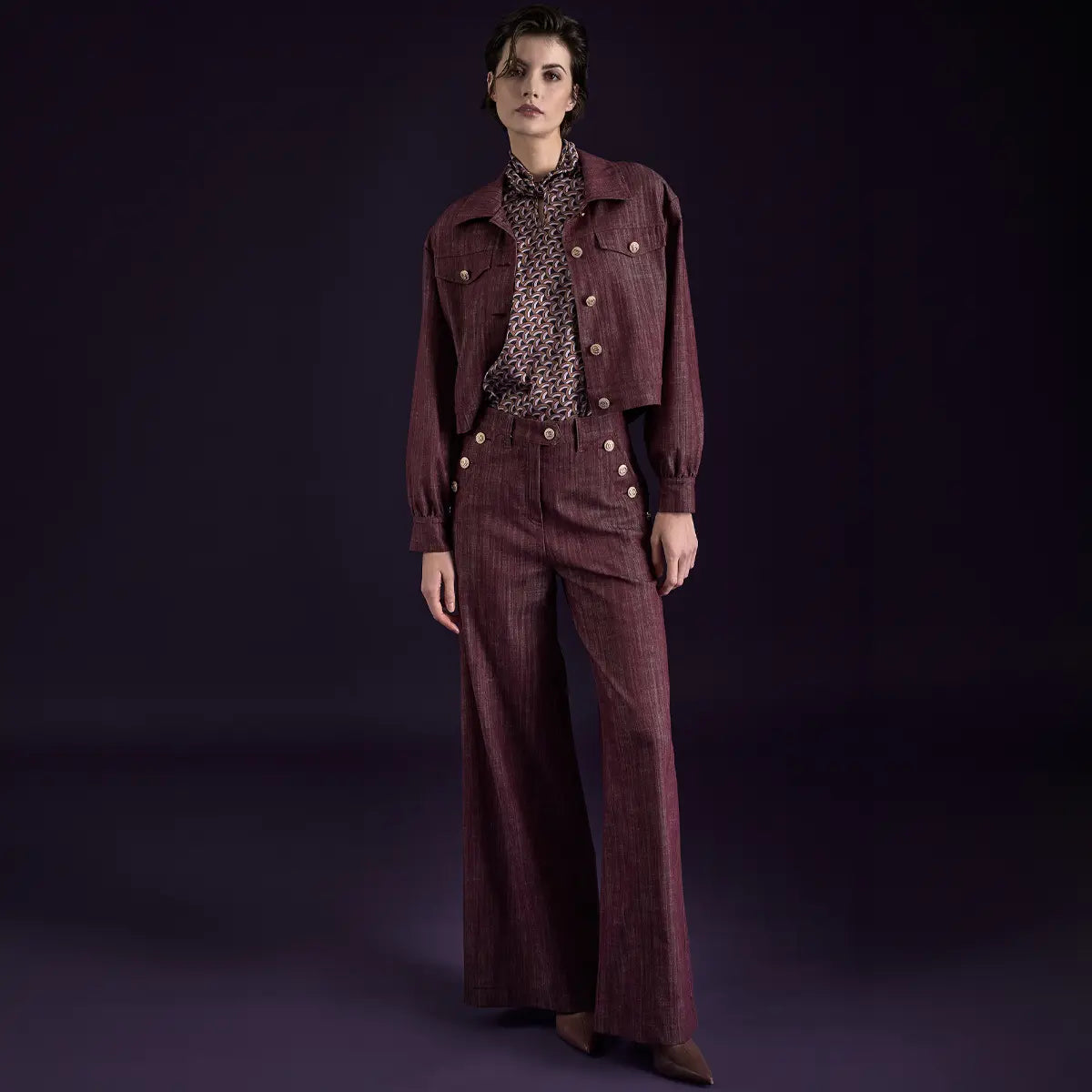
Trouser Shapes Guide
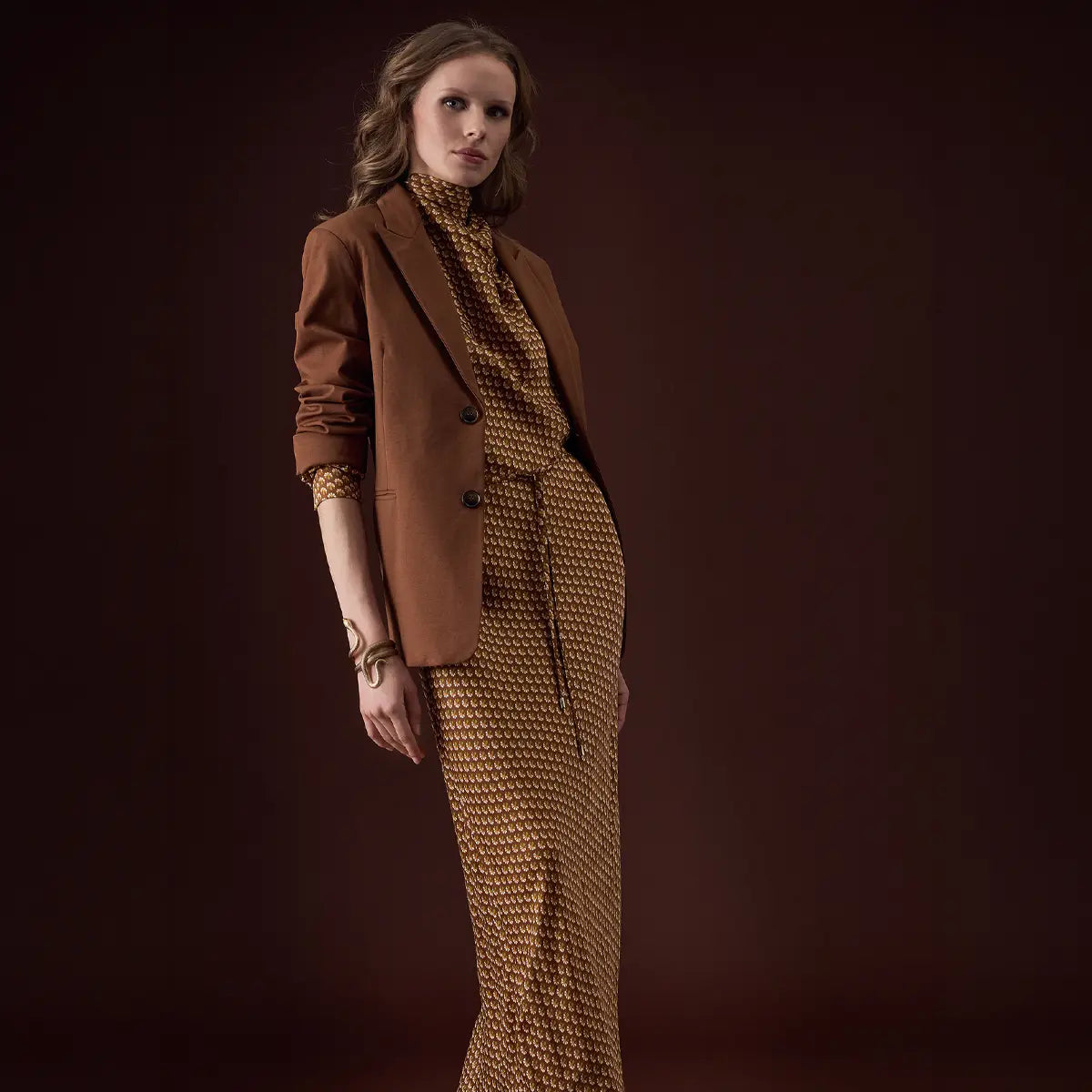
Dress Shapes Guide
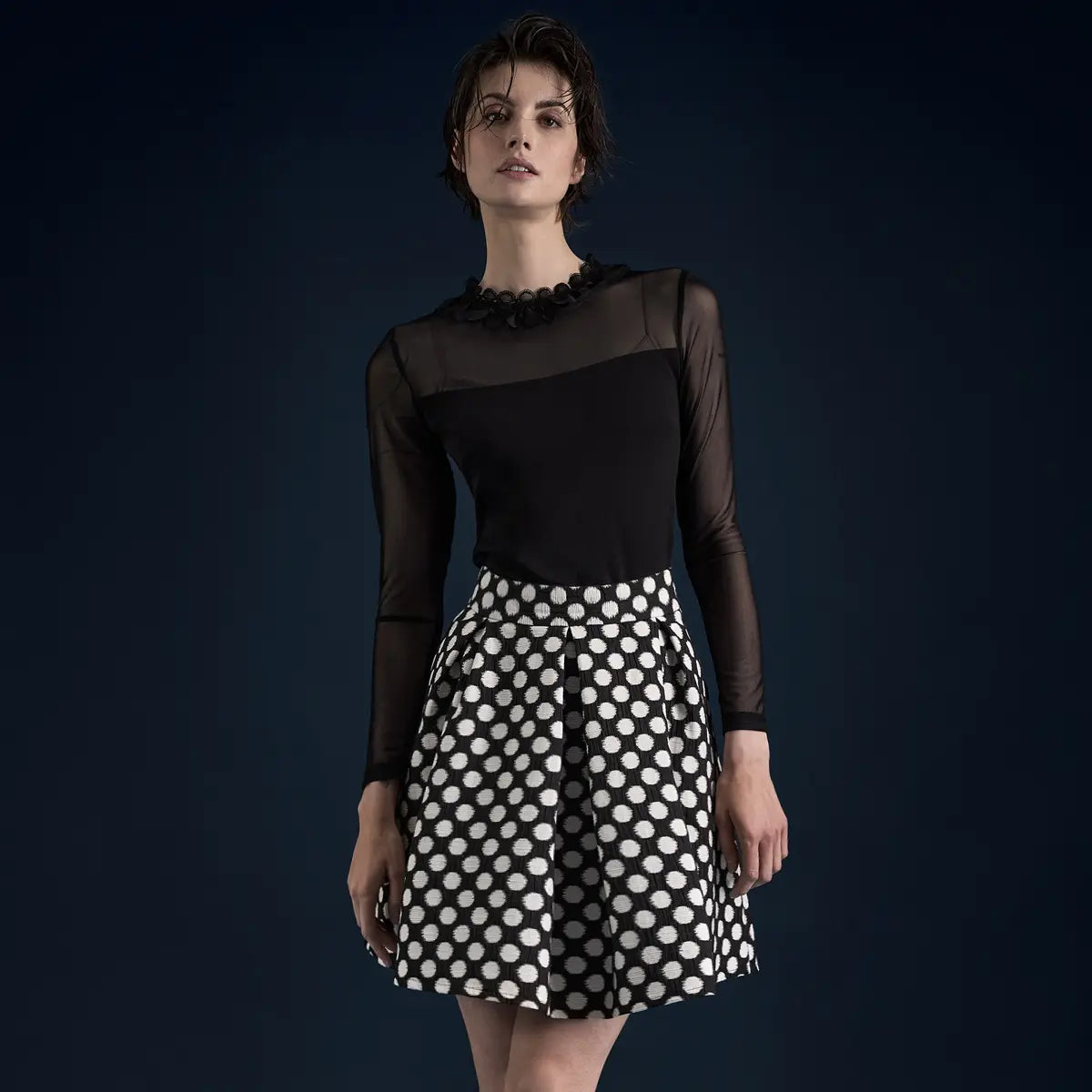
Skirt Shapes Guide
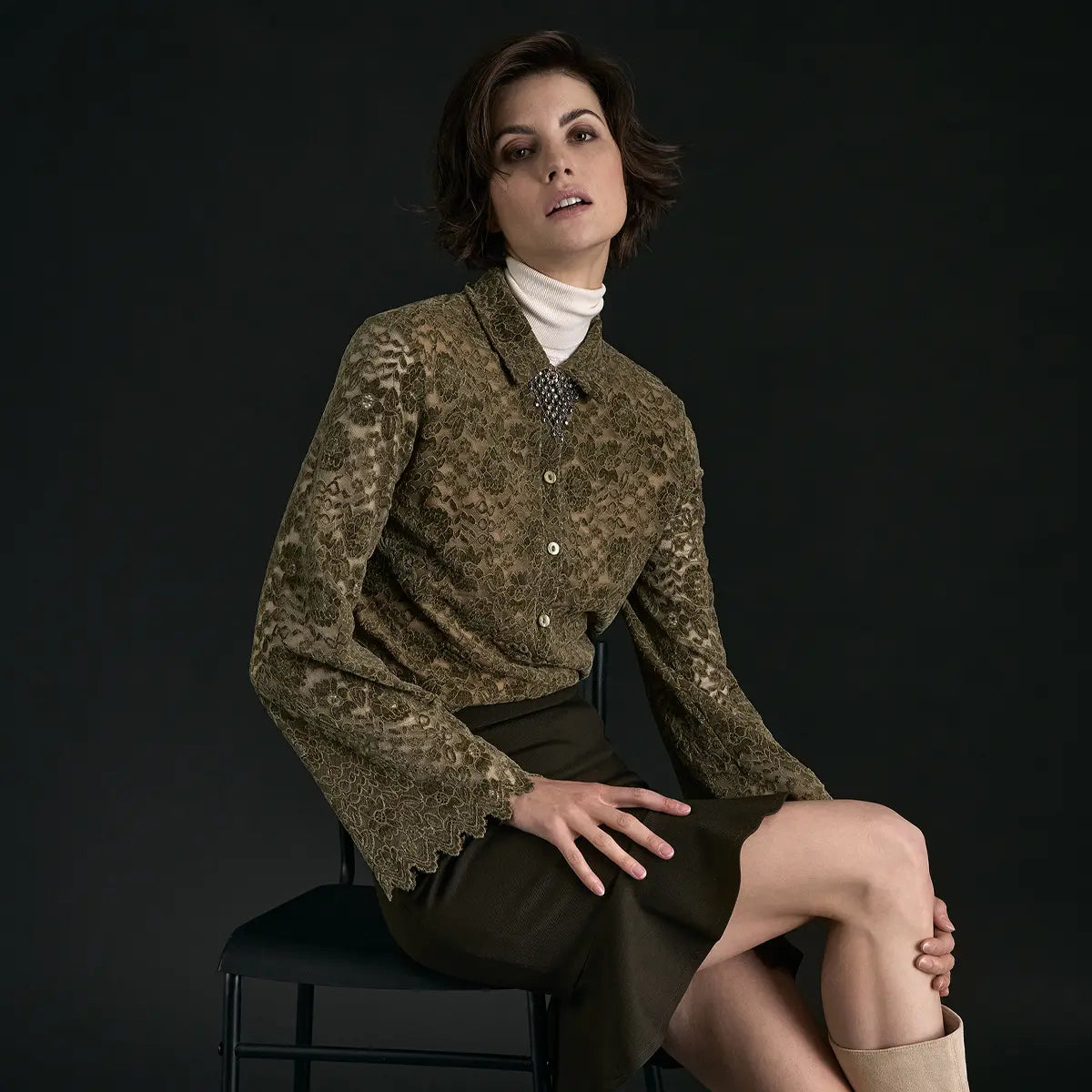
Top Form Guide
Jumpsuit Types Guide


