


How to Style Beige — These Colors Go Well with Different Shades of Beige
|
|
|
Time to read 14 min
|
|
|
Time to read 14 min
No other color has undergone such a transformation in its image as beige. While beige used to be dismissed as a boring shade for older people, it’s now making a meteoric comeback. From a “quiet luxury” favorite to a #VanillaGirl statement—beige is the secret hero of modern wardrobes. But how do you style this natural shade without making your look seem generic?
Beige isn’t just a color—beige is a mindset. It’s no coincidence that on TikTok and Instagram, the #vanillagirls trend revolves around a lifestyle centered on minimalism and exclusivity in natural tones. Sociologists say this reflects a generation’s desire for peace and harmony. In color psychology, natural colors like beige express a longing for an ideal world. Because of its naturalness, beige is also associated with sustainability and a connection to nature—topics that are politically correct and continue to gain momentum.
Beige is a combination of white and brown and can look very different depending on the shade. Depending on the brown pigments used, the resulting shade of beige can have a yellowish, reddish, or greenish cast. Beige can be described as a light, sandy color, a pale yellowish gray, or simply a light brown. Brown is, in principle, the darkest possible shade of beige. Just like brown, beige belongs to the earth tones and, for that reason alone, has a grounding effect
.
The key shades of the beige family—from light cream to warm sand.
The name “beige” comes from French and is derived from “bege,” which referred to a kind of light yellowish-brown color that resembles sand. The term was used to describe the appearance of “raw” wool or cotton. So it's no wonder that beige is now seen as a symbol of nature.
Beige continues to be associated with reliability. As a result, it is often used in business attire to convey professionalism and trust. The lighter the shade of beige, the more it is associated with calm and purity; in its darker taupe shade, it symbolizes sophistication and elegance.
The Effect of Beige: Beige is considered a calm color that conveys a sense of security, stability, and relaxation. It is not attention-seeking and does not crave the spotlight. This explains its pleasant and unobtrusive effect on viewers.
Shades of Beige: Not all beiges are the same; they come in shades with names like Cosmic Latte, Alabaster, Apricot, or Camel. Undertones such as pastel yellow, caramel, or stone gray alter the shade of beige.
Associations: Timelessness, tranquility, warmth, grounding, elegance, purity, order, neutrality, harmony, simplicity
Complementary color to beige: Complementary colors can be used to create contrast and add accents: Blue is perfect for pairing with beige. Lighter shades of blue create harmonious, soft looks. Darker shades of blue create classic looks that are elegant and more eye-catching.
Hover your mouse over a color — and see how beige looks when paired with that color.
Choose a color from the palette—and see right away how it looks.
50 Shades of Beige — from light cream to yellowish-brown sandy tones to grayish-brown taupe: Beige is very versatile, and in the right shade and combination, this natural color truly flatters every woman. Just keep a few important details in mind that will help you find your perfect shade of beige based on your skin type and hair color.
How does it work? First, figure out what your skin type is: Look in the mirror and hold gold and silver jewelry up to your cheeks, one at a time.
With this simple test, you can determine whether you're a spring or fall type. If either of these applies to you, beige is the perfect color for you. Your warm, slightly olive skin tone, paired with brown or blonde hair, complements beige perfectly. If silver looks good on you and you're a summer or winter type, you can also pull off beige with a little skill: Be sure to avoid warm beige shades and opt for cooler shades with a bluish-gray undertone.
To look radiant and fresh in your beige top, you can accentuate your cheeks and lips. Choose a blush in an apricot shade and add a pop of color with red lipstick. Wow!
Beige is a color for all seasons. Still, beige outfits vary depending on the season. In spring and summer, lighter shades of beige are often worn to create a fresh and airy look. In fall and winter, we prefer darker shades of beige. On warm days, beige is perfect for creating a natural look. A beige high-slit skirt, a white top, and sneakers or Birkenstocks look unbeatably relaxed and incredibly stylish. To top it off, you can choose an anklet with colorful beads. If you want to add a touch of summery freshness to your look, incorporate a fruity pop of color with apricot, apple, or cherry.
Beige, as a calm color, fits perfectly with the slightly more subdued winter mood. Especially for everyday wear, beige knit sweaters are versatile staples that look great with black leggings, denim, or navy pants. In a business setting, beige works well on a blazer or as part of a two-piece suit. Culottes in this timeless shade are also an ideal match for a black turtleneck and matching ankle boots. Paired with other understated shades like off-white, cream, or black, beige is a surefire way to look stylish this winter. Especially cool for cold days: a cozy beige coat.
The term “millionaire look” refers to an outfit consisting of white and beige clothing. Because of its elegant and high-quality appearance—a look that’s actually quite natural and is found primarily in the South—it was given this name. How about a white summer dress with a beige leather jacket and flat suede boots? It sounds like freedom.
Beige is one of the most versatile colors there is—it goes well with almost anything. Here are the most beautiful combinations in detail.
Both shades are perfect for business attire, and both are considered neutral. But when paired together, they really shine. The secret to this duo is contrast—and it works. Black is therefore ideal for creating striking outfits with beige. Black pants, a beige vest, and a white T-shirt make for a great combination. For a more festive look, try pairing a beige shift dress with a black blazer. Beige and black exude style whenever they’re worn together.
Beige and green are practically epic—a combination that can look both elegant and casual. Both colors are considered natural tones and harmonize effortlessly with each other. A beige miniskirt looks really great paired with a green blouse or sweater. The two colors are on the same wavelength. You can add neutral accessories—for example, a brown bag or beige loafers. If you’ve opted for a tone-on-tone look in beige, a green belt that matches your handbag is the perfect finishing touch.
With this color combination, you’ll automatically be in a very sophisticated category. The darker the blue, the more refined and polished your outfit will look. Royal blue and beige give your look that certain something. For example, choose a blue midi dress and pair it with a beige scarf and matching pumps. For a more casual look, your high-waisted jeans are also a perfect match with a beige top.
This combination is intriguing because it features two very neutral colors. Anthracite is a classic winter shade that offers an alternative to black. Beige, with its light, pastel-like quality, is a refreshing addition that doesn’t make a dominant statement. Instead, a natural contrast emerges quite casually: anthracite is dark, beige is light. This creates well-balanced outfits. Beige wool sweaters or cardigans pair perfectly with gray Marlene pants. A dark suit paired with a beige turtleneck and white sneakers strikes the perfect balance between professionalism and a relaxed look.
Tip:For a casual outfit,focuson beige—pair a long coat and a matching knit hat with an anthracite-colored one-piece.
With this combination, the shade of purple is key; it determines the overall effect of your outfit. A dark shade of purple, such as crimson or ultramarine, paired with beige makes a bold statement and conveys a confident look. If you’d rather keep things low-key, you can style beige with pastel shades of purple like lilac or lavender. Beige lets the soft shade shine—without overshadowing it. How about a beige skirt with a lilac silk top, or—for the office—a wrap blouse in a soft lavender shade?
Beige, with its understated charm, is perhaps the quintessential color for successful all-over looks that exude subtle elegance. When putting together your outfit, feel free to choose different shades of beige. Style the tone-on-tone combination by playing with different materials, fabrics, and lengths to create an exciting layered look: wide-leg pants with a blouse worn over the pants, a form-fitting cropped top on top, and a lightweight trench coat to finish off the look work perfectly during the transitional season. In the summer, you can style a midi dress with a cardigan—the good news: The monochromatic beige look works for any season.
The theme for color blocking with beige is: synergy. Classic statement colors like pink or orange pair perfectly with this natural shade. That’s because the bold hues really come into their own when paired with this subtle color. Note: Beige with a warm, golden undertone pairs well with bold reds. Beige with a bluish undertone harmonizes with turquoise. Why not try it with neon colors, too? Intensity guaranteed.
A versatile piece that can be styled in many different ways. We especially love wide-leg pants in beige. You can wear them in the summer with cropped tops and a denim jacket, and in the winter with a blouse and a vest. An anthracite-colored XXL knit sweater is a perfect match and creates a nice contrast. Beige chinos also look sophisticated and can be styled with pastel tops even for festive occasions. Strappy sandals or sneakers round out your look. Beige paperbag pants are ideal for business outfits—best paired with a blazer or a dark blue blouse. For especially hot days, you can choose beige micro-shorts with a white ribbed T-shirt and add the finishing touch to your outfit with a light blue linen blouse worn open and light-colored suede ankle boots.
A beige blazer is always a winning choice in the business world. The natural shade looks sophisticated and is a delight to the eye in a setting where many dark colors are worn. The blazer can be part of a suit that you can dress up for the office with a top or blouse in rosé or bright white. Pair it with nude pumps—and you’re all set. But you can also wear the blazer in your free time with your summer dresses to give them a sophisticated touch.
With a beige sweater, you can pull off a casual-chic look in no time. Pair it with a pair of slouchy pants—loose, flowing black pants—and tuck the front into the waistband à la French tuck. Accentuate the waistband with a narrow belt and choose dark loafers to complete the look. A beige sweater also pairs well with jeans.
Tip: Go for a pair of white jeans with a wide-leg cut and pair them with flat, light-colored boots. A loose-fitting midi skirt also works well. Wear the sweater over the skirt and accentuate your waist with a belt.
Here are the most important rules of thumb at a glance—first, what you should do, and second, what you should avoid:
Pair beige with black and white, bold colors like pink or red, purple, and pastel shades
Wearing Gray and Beige Together — An Elegant Contrast
When putting together monochromatic outfits, pay attention to different shades, lengths, and materials
Choose warm beige for warm skin tones (Spring, Fall)
If you have a cool undertone, choose a beige that's darker than your skin tone
Combine beige and white for a touch of the establishment
Orange accessories paired with warm beige tones for a pop of color
Mixing warm and cool shades of beige in an outfit
Wearing more than three shades of beige in one outfit
Style beige with over-the-top accessories —the color thrives on simplicity
Pair warm shades of beige with silver jewelry
Pair Cool Beige Tones with Gold Jewelry
If you have fair skin, skip makeup altogether —your face needs a beige highlight
Wearing beige only in certain seasons — it works all year round
My conclusion: Beige is the new black—only softer, warmer, and more inviting. If you find the right undertone for your skin (the gold test will tell you whether it’s warm or cool), you’ll have an all-purpose color that works equally well for business, brunch, and evening wear. The rule of thumb: The more understated the accessories, the more elegant the look —black for contrast, gray for a cool vibe, blue for a premium feel.
The secret: Beige works equally well in all-over looks, color-blocking, and as a base for statement pieces. It’s the only color that can transport you into the realm of quiet luxury without requiring you to wear designer labels. Beige isn’t just any color—beige is sophistication in fabric.
If you have very fair skin, choose a beige that’s darker than your skin tone—otherwise, your skin and the fabric will blend together. Choose camel, caramel, or taupe instead of cream or alabaster. If you’re a cool summer or winter type (silver jewelry looks better on you), go for a beige with a bluish-gray undertone.
Yes, absolutely—black and beige is one of the most elegant color combinations there is. The strong contrast really makes both colors stand out. A classic combination: black pants, a beige vest, and a white T-shirt. For a festive look: a beige shift dress with a black blazer. It works just as well for business as it does for leisure.
The five most important shades of beige are: crème (light, summery), sand beige (classic, year-round), camel (warm, wintry), taupe (cool, business-appropriate), and caramel (warm, autumnal). With these five, you’ll have the right option for every season, every occasion, and every color type.
The term refers to an outfit consisting of white and beige garments. Because of its elegant, high-quality look—which is found primarily in the south—this essentially natural look was given this name. A classic version: a white summer dress with a beige leather jacket and flat suede boots. It looks expensive without actually being expensive.
Christine Schmitz
My love for fashion and communication led me to Ana Alcazar—having cut my teeth as a copywriter and concept developer in traditional advertising, I’ve been writing for our Munich-based designer label for over 10 years. On the editorial team, I’m responsible for all corporate topics, and I also focus on current trends and my passion: gender equality.
Sometimes a story needs more than a photo can convey. That’s why some of the images in this article were created using artificial intelligence (AI)—curated, inspiring, and always in the spirit of “Wear your Story.” The AI-generated images are clearly labeled next to each photo.
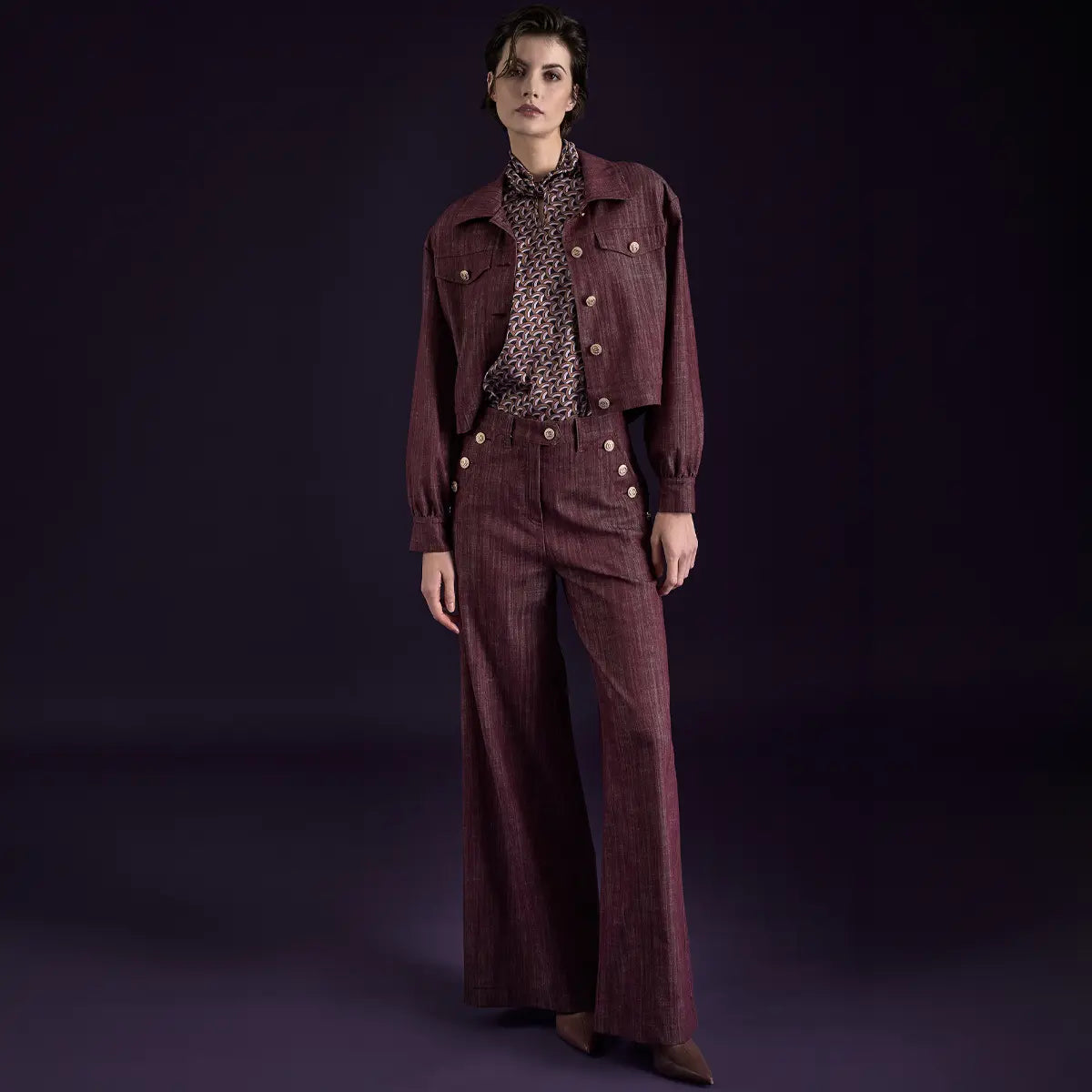
Trouser Shapes Guide
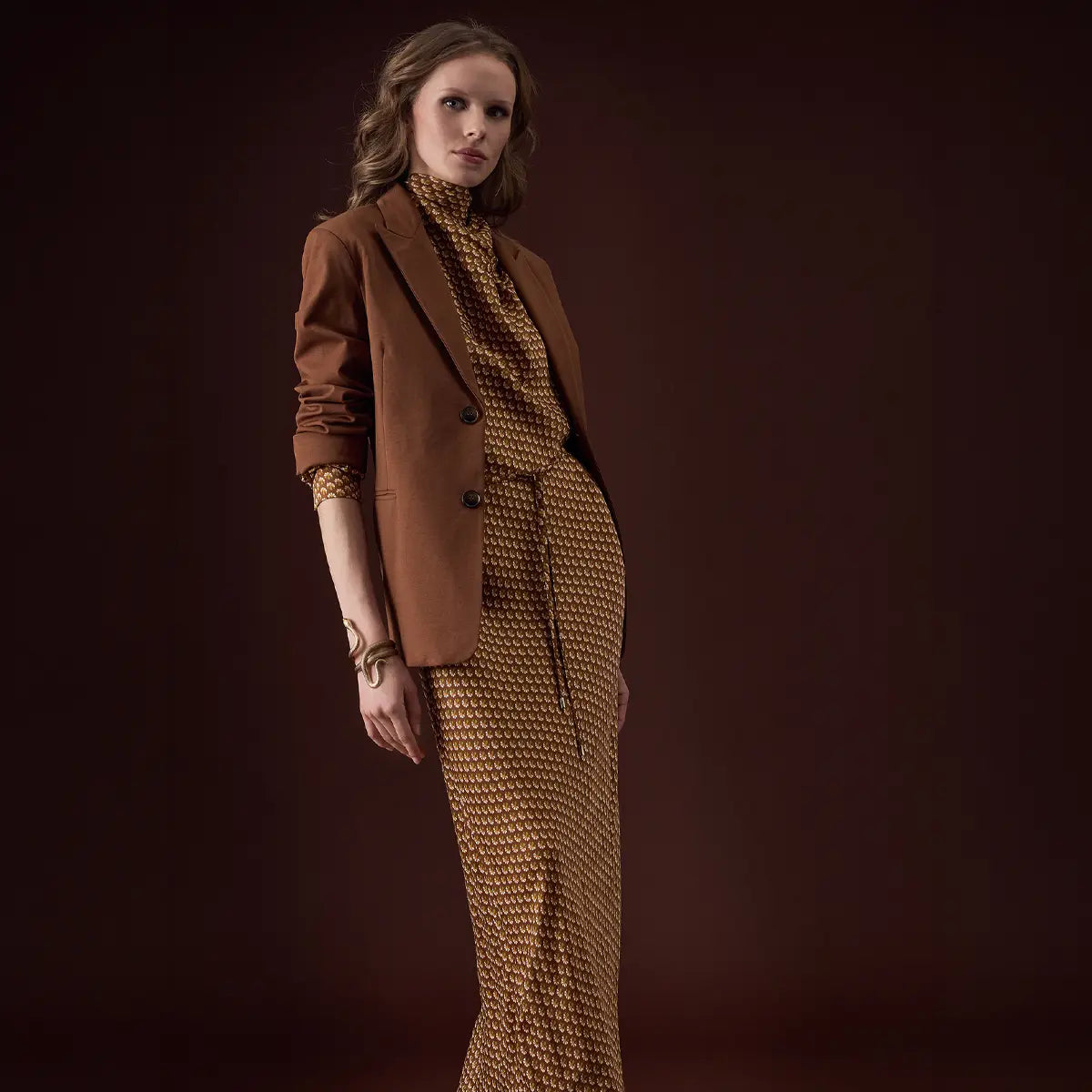
Dress Shapes Guide
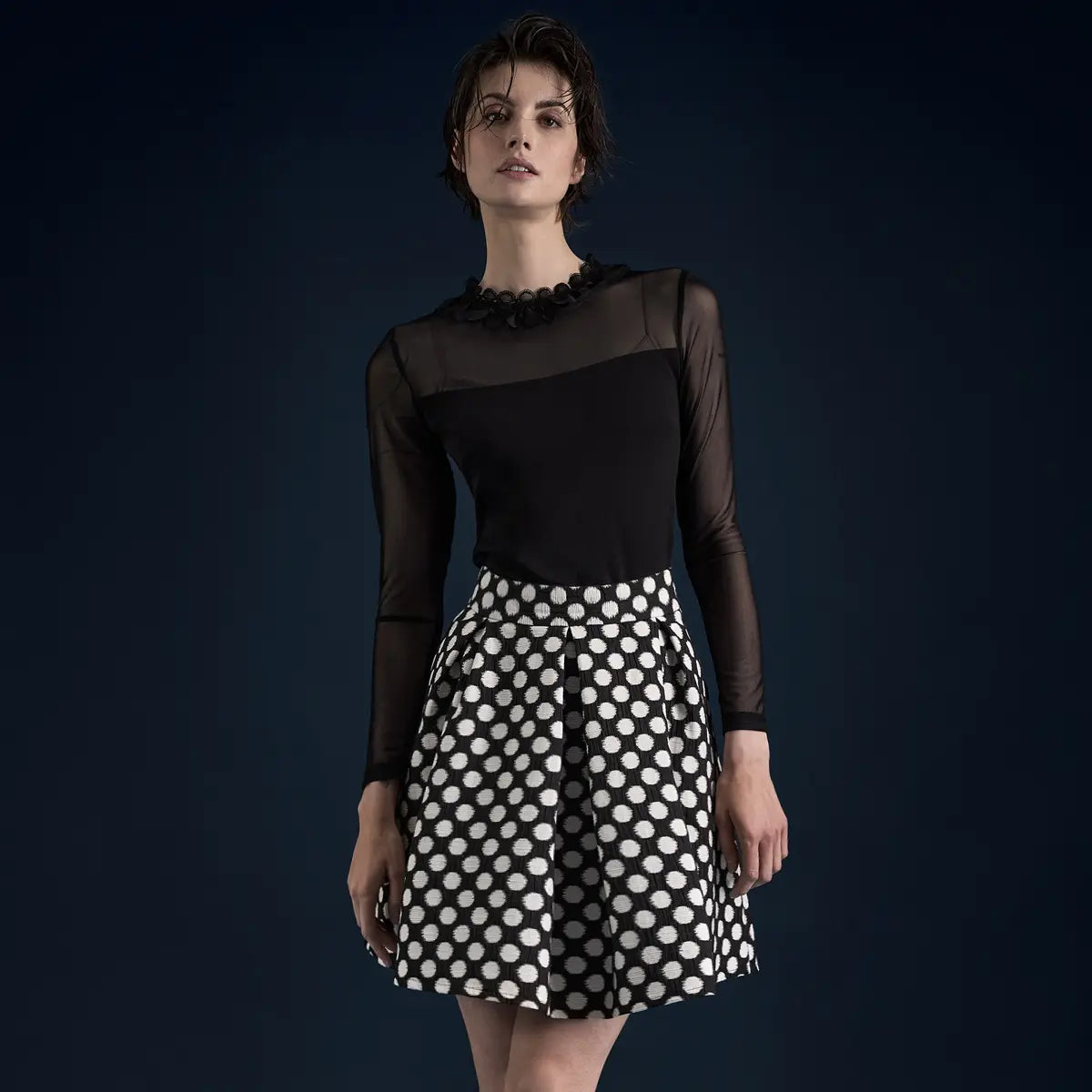
Skirt Shapes Guide
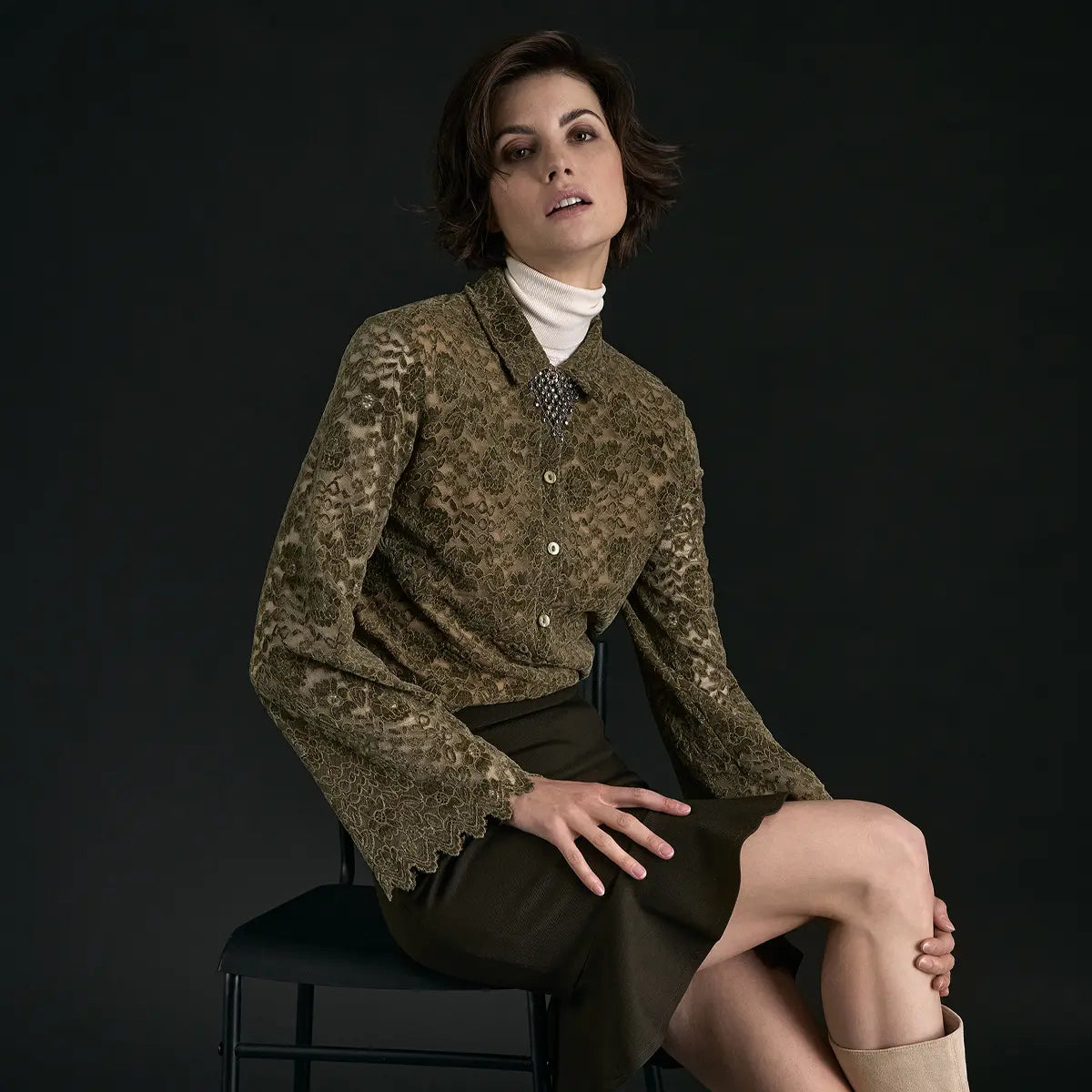
Top Form Guide
Jumpsuit Types Guide


