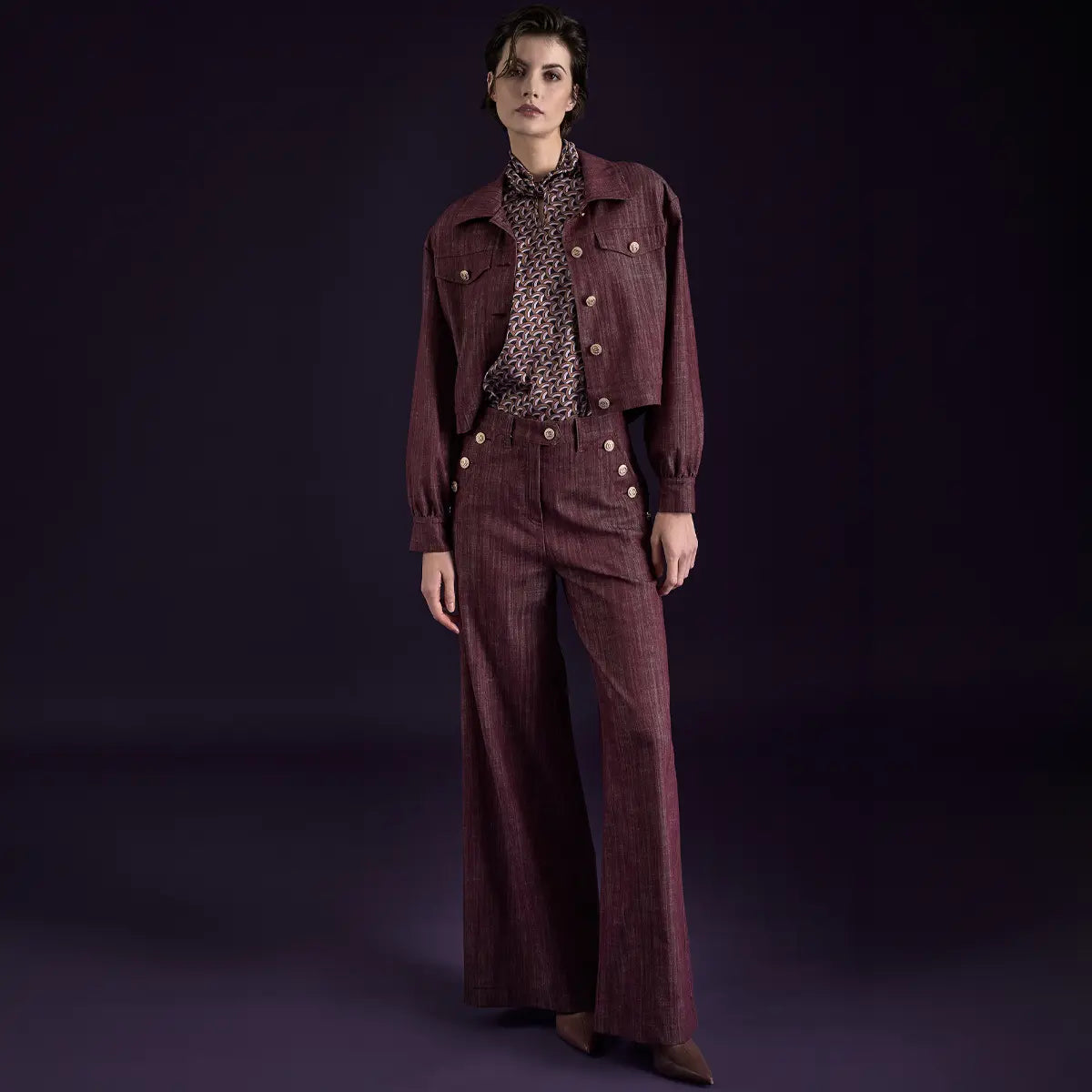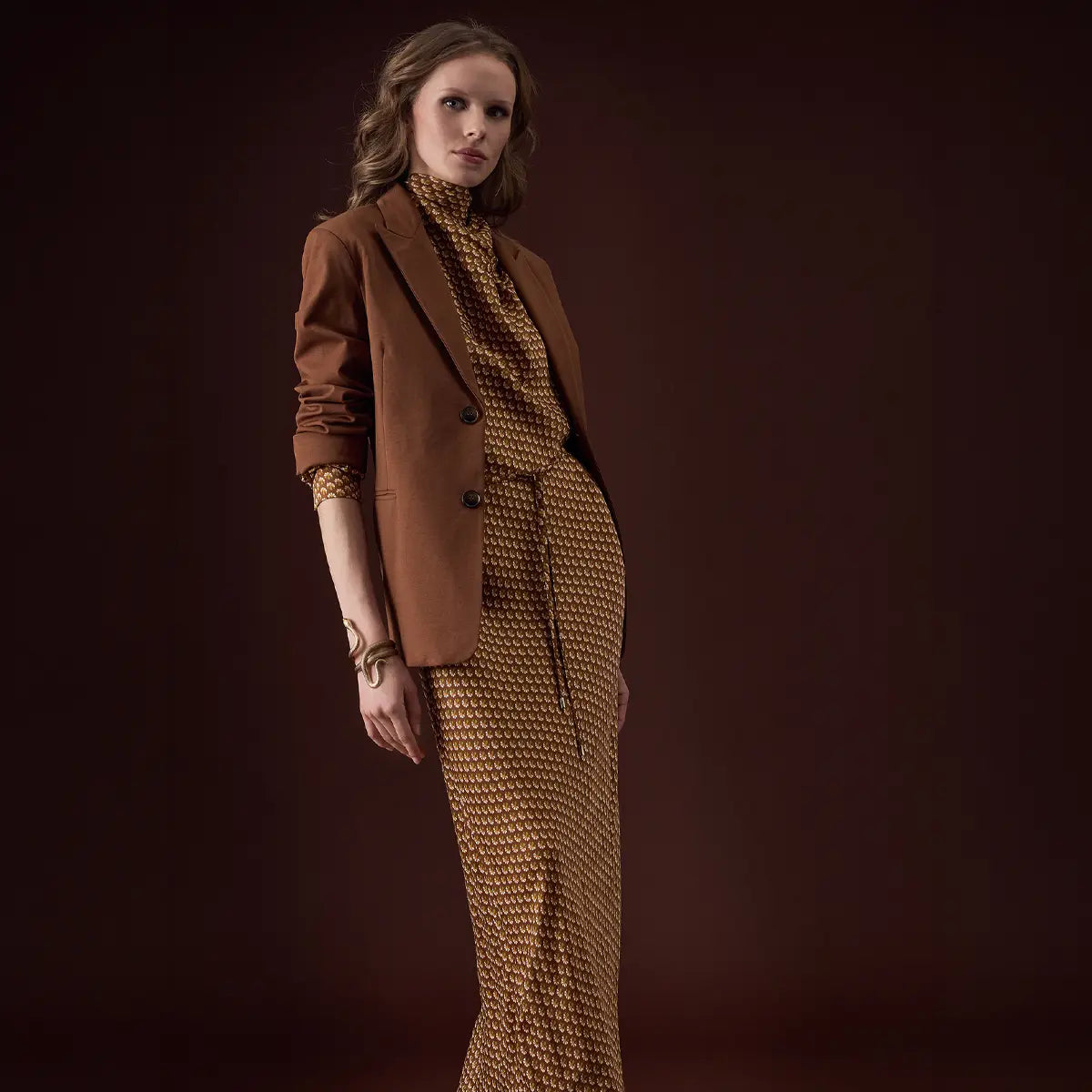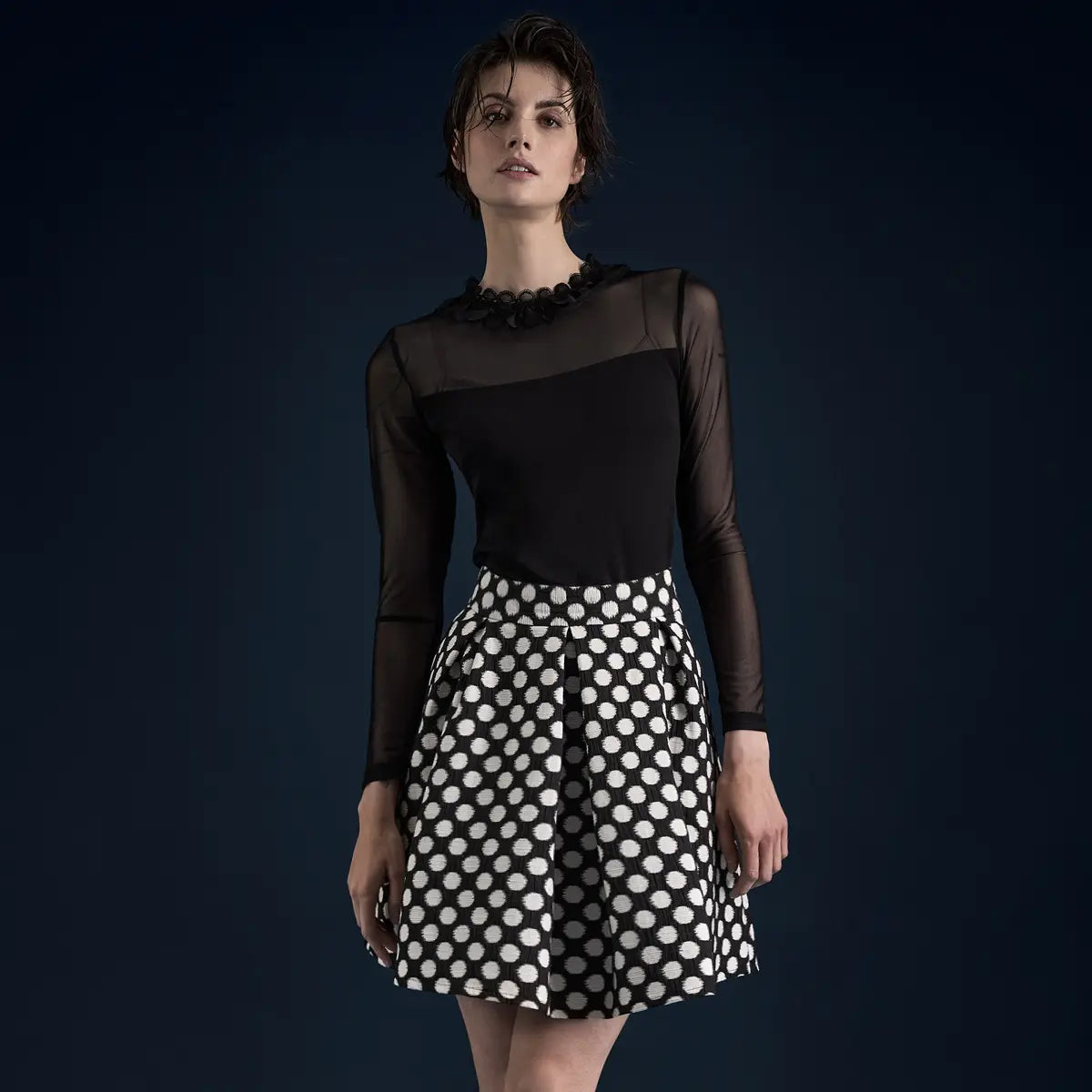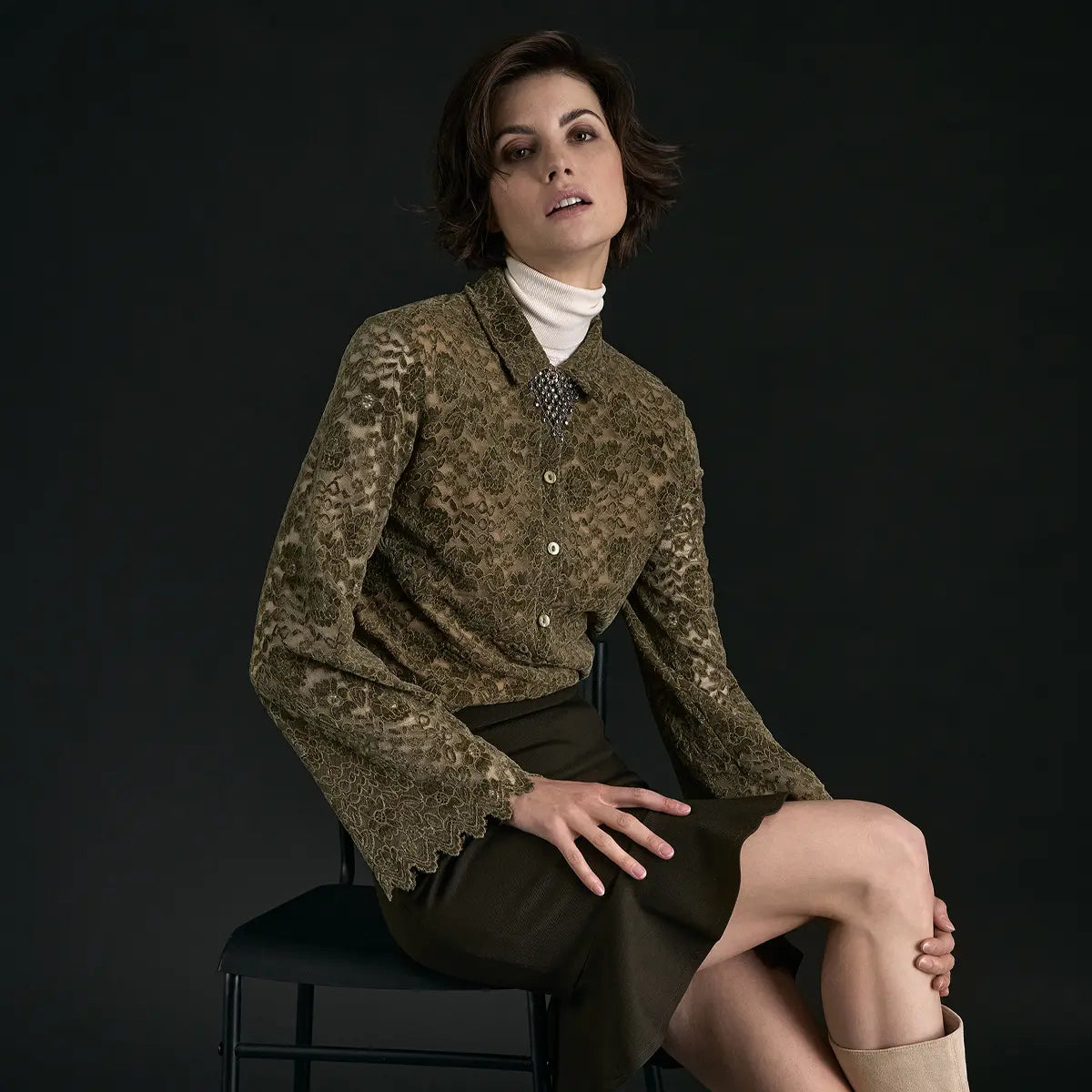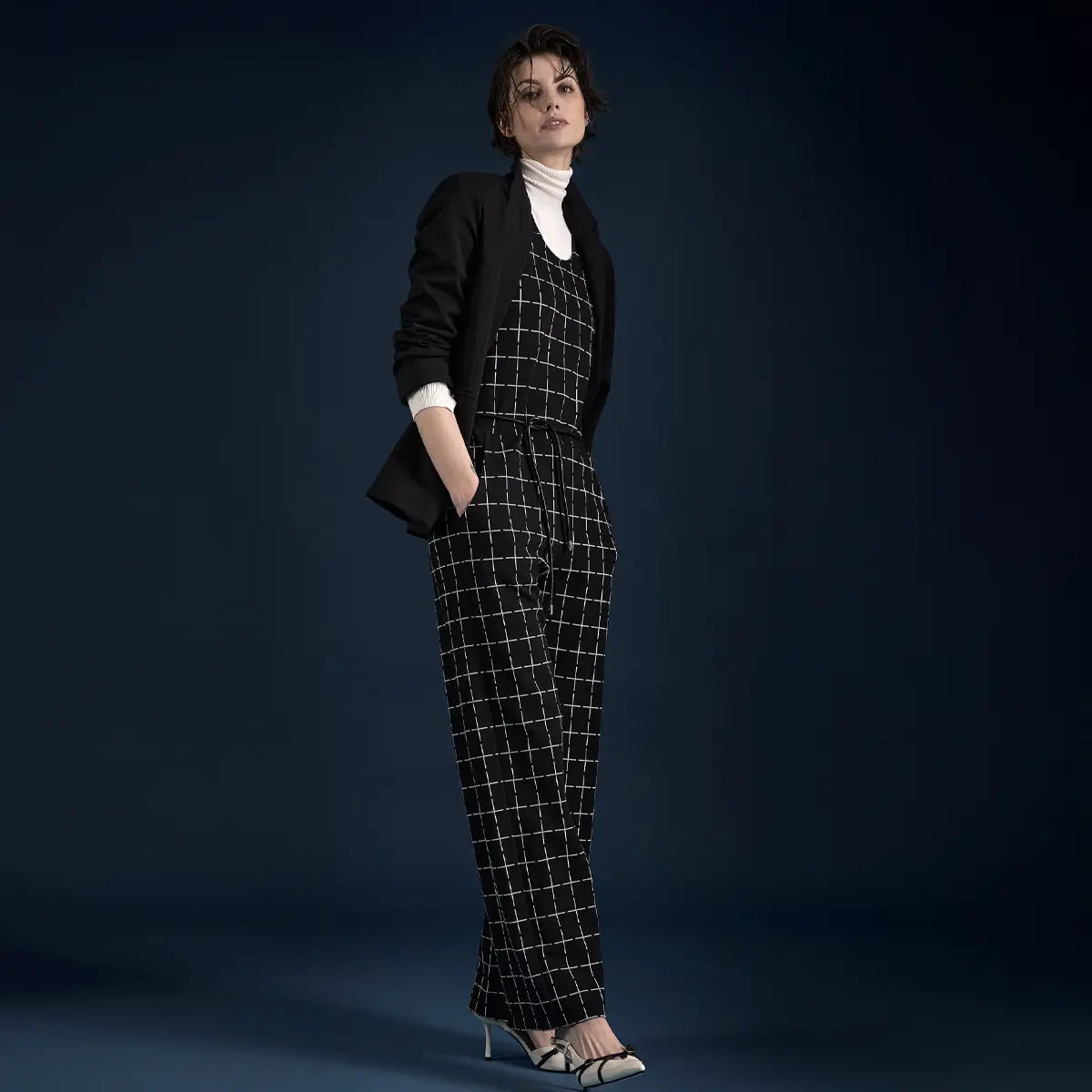


The world of blue is as diverse as nature itself— it ranges from the endless expanses of the horizon to the unfathomable depths of the sea. Did you know that the Pantone Color Institute’s palette alone includes over 180 shades of blue? Blue symbolizes seriousness, confidence, and trust, as well as focus and tranquility. And best of all: Blue is considered the favorite color worldwide—by both men and women.
In this guide:
It's all about variety — Blue is the most popular shade in the fashion world, too
Somehow, everyone can agree on blue.Blackand gray can come across as somber, while other shades may seem too colorful. Blue has a classic and elegant feel. So it’s no wonder that it enriches our wardrobes in numerous shades, such as indigo blue, sky blue, and cobalt blue. Plus, blue is a true all-rounder that you can wear with almost any color. Join us as we dive into the multifaceted world of trendy shades and undertones and find your perfect blue.
What shades of blue are there?
The most important shades of the blue family—from light baby blue to deep navy.
Baby Blue
#A5C8E4
Delicate and fresh
Denim blue
#5B7B9A
Classic and versatile
Gasoline
#1F5E6B
Mystical and elegant
Cobalt Blue
#1840A0
Powerful and regal
Sapphire Blue
#1F3A7A
Deep and Festive
Navy
#1F2A3A
Elegant and classic
As the color of water, blue is perceived as a source of energy and inspiration. Blue is a popular choice, especially for corporate branding—Meta, Ford, and Deutsche Bank are prime examples. Depending on the shade, the color can also convey a sense of distance and coolness. Blue has found its way into the language with a wide variety of connotations: “to play hooky,” “to get a rude awakening,” or “to promise someone the moon.” Blue is ubiquitous in a way that few other colors are.

Blue Takes Center Stage – A dark coat over soft cream. @AI Illustration
Basic Knowledge: Blue
The Effect of Blue: When blue has a red or purple tint, it appears warmer and more mysterious. If it leans toward green or even blue-turquoise, it creates an aesthetic contrast with orange or brown tones—the shade of blue appears cooler.
Complementary color to blue: The color that contrasts most strongly with blue is its complementary color, orange, which lies directly opposite it on the color wheel. Complementary colors enhance each other and are the perfect choice for statement looks!
Combining Blue (Interactive)
Hover your mouse over a color — and see what blue looks like when combined with that color.
Give it a try: Which color goes well with blue?
Choose a color from the palette—and see right away how it looks.
Blue
#1F3A7A
Tone-on-tone
Baby Blue
#A5C8E4
Denim blue
#5B7B9A
Gasoline
#1F5E6B
Cobalt
#1840A0
Sapphire
#1F3A7A
Navy
#1F2A3A
Classic
Cream
#EFE4CA
Beige
#D4C5A8
Camel
#C9A88A
Light Gray
#C0C2C8
White
#FAFAFA
Black
#0A0A0A
Statement
Red
#C13E3E
Bordeaux
#6B1D2F
Mustard yellow
#C9942E
Emerald
#1F6B4D
Pink
#E83870
Purple
#7B3F8F
Which shade of blue suits whom?
Not all blues are the same. The great thing is that the color comes in a wide variety of shades and intensities, so there's a perfect option for every skin and hair type.
Are you a “cool color type”? These include the summer and winter types, who have fair skin, a bluish undertone, usually light-colored eyes, and black or blond hair. Your ideal blue palette is characterized by cool shades such as navy, cobalt, or light blue.
If you’re a “warm color type” (Spring or Fall type) with a slightly tanned complexion, golden-orange skin undertones, brown or ash-blonde hair, and usually dark eyes, warm shades of blue like topaz, turquoise, or teal will look absolutely stunning on you.
The best for last: Royal blue suits every skin and hair type!
The rule is: Warmshades of blue for warm color types (Spring & Fall). Cool shades of blue for cool color types (Summer & Winter).
Good to Know - Style Tip
For anyone who finds black too harsh: Navy blue is the better choice—compared to black, this color has a softening effect. It’s just as professional, but warmer and more inviting.
Combining Different Shades of Blue
From a cheerful sky blue to classic royal blue, deep navy, and vibrant teal— every shade of blue has its own character and its best pairings. Here are the key shades in detail.
What colors go well with sky blue/azure blue? (cool shade of blue)
The bright, light, and cheerful shade of blue is reminiscent of a sun-drenched summer sky. Azure blue has a crisp, clean look and is considered the color of elegance. When incorporated into your wardrobe, this shade adds a touch of feminine lightness—both during the day and in the evening. Paired with neutral tones like white, gray, and cream, sky blue can even make a bold statement in your outfit. Combine it with soft nude and pastel shades to create chic, stylish ensembles: lilac, rosé, lemon yellow, and mint green.

Sky blue and cream—light and summery. @AI Illustration
What colors go well with cobalt blue? (a cool shade of blue)
Cobalt blue originated in the 19th century. This shade, which is more intense and darker than sky blue, has been popular with artists ever since. Cobalt blue is a cool color and symbolizes purity and brilliance. For elegant looks, pair it with pieces in white, gray, or beige. When combined with bright yellow or pink, it creates particularly beautiful everyday looks. An outfit consisting entirely of two dark colors—cobalt blue and black or charcoal gray—looks very sophisticated and elegant.

Cobalt blue meets white—clean elegance with contrast. @AI-Illustration
What colors go well with royal blue? (cool shade of blue)
Often referred to as royal blue, this is a deep shade of blue that has a slight reddish tint and is lighter than navy but darker than sky blue. Royal blue is very intense and radiant. Nevertheless, the shade has an elegant look, is perfect for festive outfits, and is also suitable for business settings. Pair it with white for understated elegance. Your outfit will look refreshing and expressive when paired with yellow. This cheerful shade brings out the blue even more and stylishly emphasizes the depth of this maritime hue. When paired with muted colors like light gray, silver, cream, or beige, you’ll create particularly sophisticated looks. This regal color suits every skin and hair type. A blazer in this shade is a versatile fashion staple for any occasion.

Royal blue paired with warm ochre—a radiant combination. @AI-Illustration
What colors go well with navy blue? (cool shade of blue)
Did you know that the name of this color comes from the uniforms worn by officers in the British Royal Navy? Navy blue refers to a deep, dark, saturated shade of blue. Navy is the darkest shade of blue, which is perceived as serious and calming. For exciting combinations, choose bold accent colors like red, pink, or yellow—they really make the dark blue stand out. Want to put together a classic nautical look? Then pair it with tops or bottoms in red or white. For a particularly “formal” look, you’re best off sticking to subtle shades.
Tip: Gold jewelry has a warmer look, while cooler-toned silver jewelry is a bit more understated.

Navy and red—the classic nautical combination. @AI illustration
What colors go well with turquoise? (a warm shade of blue)
Bright turquoise—also known as cyan, blue-green, or aquamarine—lies in the color spectrum between blue and green. Turquoise is a transitional color often associated with lagoons and vacation. That’s why we find this shade particularly refreshing. In the RAL color system, there are four shades of turquoise: turquoise green, light turquoise, mint turquoise, and pastel turquoise. Turquoise pairs especially well with muted colors because they harmonize with this rather bright and eye-catching shade. Radiant white is a perfect match. Whether paired with a white dress and turquoise accessories or colored pants and light-colored accessories, it works. Beige and brown tones are also a great match. A turquoise dress looks ideal with a beige trench coat. Or you could choose a turquoise top and pair it with summer pants featuring prints in shades of brown. Lilac and turquoise look especially feminine together—how about a lilac crossbody bag with a turquoise maxi dress?
For anyone who loves stunning looks, here's the ultimate tip: Break all the color rules and pair turquoise with bold orange. Guaranteed to catch your attention!

Turquoise and Camel – vibrant meets earthy. @AI Illustration
What colors go well with petrol blue? (a warm shade of blue)
Petrol — it's a unique blend of blue and green. It’s the darker version of turquoise. It always looks sophisticated and striking. White makes the blue-green hue really pop—ideal for looks with a touch of elegance. Pair it with sandy tones, beige, cream, or nude to create the perfect business look. Especially during the cooler months, you can also pair petrol blue with black or silver pieces. Are you in the mood for some color? Then go for it—pink creates a contrast with teal, and the two rich colors are a perfect match simply because they’re on the same level.

Petrol to Cream – deep blue, worn casually. @AI Illustration
Overview of Color Combinations
Dark blue goes wellwith neutral colors (cream, beige, nude) and bold accent colors (red, pink, or yellow)
Medium blue goes wellwith brown, beige, gray, and various shades of blue
Light blue goes wellwith white and pastel colors such as rose, pale yellow, soft-serve ice cream shades, and lilac
Discover blue dresses at
Style Highlight: Color-Blocking
Contrasts really catch the eye! So if you’re in the mood to stand out, a color-blocking look is your best bet. Rich shades of blue, such as cobalt or turquoise, are particularly well-suited for this. They really shine when paired with bold colors like orange, pink, or yellow. The trio of blue, red, and white also has plenty of potential. You’ll stand out even in a nautical everyday outfit, since you’re combining two bold colors—red and blue—at once.
Color combinations we love to see
Blue is a true all-rounder—these color combinations go together especially well and create looks for a variety of occasions and moods.
Combining Black and Blue
Elegant and edgy at the same time —contrary to popular belief, this combination makes for exciting outfits. Even a single blue piece breaks up an all-black look and gives it a special touch. The same applies in reverse: a dark blue maxi dress is elevated by a black blazer and matching boots. Skillful material combinations play a crucial role here. The formula for edgy looks is this: Choose smooth materials like vinyl or faux leather in black and pair them with pieces made of wool, silk, faux fur, or velvet in blue. For example, pair black faux leather pants with a blue velvet or silk top. Dark shades of blue, such as midnight blue or navy blue, paired with black, are particularly elegant and truly flattering.

Midnight Blue and Black – Velvet Meets Leather. @AI Illustration
Combining Brown and Blue
Here, two classics come together. Both shades have a neutral feel and can therefore be paired together—for any occasion. Business outfits featuring a blue two-piece suit and brown lace-up shoes are definitely the trailblazers for this combination, but the brown-and-blue pairing also makes you look great during your free time and at the beach. How about, for example, a blue linen dress and brown sandals? Or think of it another way: Pair your blue jeans with brown cowboy booties and a suede jacket or a brown blouse. Cool!

Blue and Brown—two neutral colors that complement each other. @AI Illustration
Combining Red and Blue
In any case, it's intense and full of contrasts—this pairing really packs a punch. After all, red and blue are both primary colors that stand side by side as equals and are equally strong. In the past, mixing them was considered a no-go, but ever since the color-blocking trend took off, we’ve loved it. Here, the shades of blue and your personal taste make all the difference. Red and navy blue is a combination that always puts you on the right side. The brighter the shade of blue, the more your look is likely to be polarizing. With fiery red and vibrant cobalt blue, you'll make your outfit shine.
Tip: The combination of cool blue and warm red creates a strong contrast, so it's best to avoid distracting accessories.

Red and cobalt blue—primary colors in stark contrast. @AI Illustration
Combining Beige and Blue
A great combination: beige and blue. Beige is one of the warm earth tones and is prized for its natural charm. When pairing these colors, the shade of blue you choose makes all the difference: a rich royal blue really lets beige shine. Light blue exudes a gentle vibe. Aqua and ocean blue are vibrant choices that add an extravagant touch to your beige outfit.

Beige frames royal blue—warm meets cool. @AI Illustration
Combining Purple & Blue
Purple is a mixture of red and blue. That’s why the rule is: Any colors that go well with red and blue also go well with purple. For that reason alone, blue is a perfect match for any purple clothing. However, be sure to pay attention to the intensity of both colors. The spectrum of blue and purple ranges from electrifyingly intense to soft and pastel. The combination of dark blue and dark purple has a very subtle effect. Slightly different shades can quickly create a completely different look. This is evident in combinations like turquoise and lilac, or sky blue and dark violet. The trendy “Spring Crocus” shade pairs especially well with navy.

Blue and lilac—cool tones, full of movement. @AI Illustration
Combining Pink and Blue
These two colors are a real power duo and have now become a staple in the fashion world. In addition to black and gray, blue really brings out the bold character of pink. The confident statement made by bold pink is truly inspiring. Whether you choose a pink suit and pair it with a blue top, or vice versa—this combination just works. No wonder—both are cool colors, and pink is the more bluish shade of red. To tone it down a bit, we recommend pairing your fuchsia blouse with blue jeans. Dark shades of blue make pink appropriate for business.

Pink and Blue – a cool power duo. @AI Illustration
Combining Different Shades of Blue
Blue goes great with blue! If a few blue accents aren’t enough for you, you can draw from the entire family of blue shades. You can’t go wrong with an all-over blue look. If you decide to style your outfit with different shades of blue, they should contrast as much as possible. But keep in mind: Combine no more than three different shades of blue so your look doesn’t appear cluttered. Avoid mixing warm and cool shades of blue—this is where your fashion sense comes into play
!

Blue on Blue – different shades, one look. @KI-Illustration
A Quick Summary: Dos and Don'ts of Blue Styling
Statement Looks: Pair blue with bold colors like orange, pink, or red
Fashion Forward: Wear tone-on-tone looks with monochromatic pieces in various shades of blue
Style light shades of blue with pastel and natural tones such as beige and white
Work with blue-and-black combinations that featurea mix of materials, such as leather and silk
Choose gold and silver accessories thoughtfully — gold adds warmth, while silver remains understated
If black seems too harsh: Choose Navy Blue as an Alternative to a Soft-Focus Filter
Royal Blue for Every Skin Type — Works Anytime, Anywhere
Don'ts
Use more than three shades of blue in all-over looks
Mixing warm and cool shades of blue in one outfit
Ignoring individual skin undertones ( warm and cool shades of blue)
Combining turquoise with neon colors — looks too busy
Red-and-blue color combinations loaded with accessories —the contrast speaks for itself
Combining light pastel shades of blue with dark, heavy fabrics like wool — looks unbalanced
My conclusion: Blue isn't just the world's most beloved color— it's also the most versatile. 180 Pantone shades speak for themselves. From the lightness of sky blue to the elegance of royal blue to the sophistication of navy, every woman has her perfect shade of blue—she just has to find it.
The secret: Pay attention to the undertone (warm vs. cool)—that’s what determines whether turquoise or cobalt suits you. Royal blue is the only exception: it works for everyone. And if you want to be daring, pair it with its complementary color, orange—that’s statement styling at its finest. Blue is the reliable staple in any wardrobe that never goes out of style.
Fun Facts and Fascinating Information About Blue
- Until about 6,000 years ago, most languages had no word for blue —in Homer’s *Odyssey*, the sea is described as “wine-dark,” never as blue. The word is also completely absent from the Hebrew Bible, the Quran, and ancient Chinese texts. Linguists speculate that while we could see blue, we had no cultural concept for it—until people began to produce blue pigments.
- In ancient Egypt, blue was the color of the gods —in 2,500 B.C., they developed the first synthetic pigment in human history: “Egyptian Blue.” The formula was lost in late antiquity and was not rediscovered until 1814.
- Blue light makes us more alert and productive —which is why smartphones and laptops have screens that emit blue light. But that’s exactly what disrupts our sleep cycle, because our bodies associate blue light with daylight.
- Levi's blue jeans owe their color to a stopgap solution —Levi Strauss began using indigo in 1873 because it was both the cheapest and most durable dye available. Today, more than 2 billion pairs of jeans are produced worldwide each year—all in that iconic blue.
- Tiffany Blue is an officially patented color —Pantone 1837 (the year Tiffany & Co. was founded). This specific robin's-egg blue has been protected by trademark law since 1998—no one except Tiffany is allowed to use it commercially.
- In 2020, Pantone named “Classic Blue” the Color of the Year —as a symbol of “stability, reliability, and trust” in uncertain times. A few months later, the pandemic struck—and the color was retroactively interpreted as almost prophetic.
You ask, we answer — frequently asked questions about pairing blue
What is the complementary color of blue?
Orange is the complementary color to blue. The two colors are directly opposite each other on the color wheel and enhance each other. A combination of turquoise and vibrant orange is the ultimate statement look—it breaks all the color rules and is guaranteed to turn heads.
Which shade of blue looks best on me if I have fair skin?
For fair skin with a bluish undertone (cool summer or winter type), cool blue shades like navy, cobalt, or light blue are ideal. For warm, fair skin with a golden undertone, go for turquoise, petrol, or topaz. The universal solution for all skin types is royal blue—it always works.
Can I really pair black and blue?
Yes, absolutely—and the combination is both elegant and edgy. The trick lies in mixing materials: smooth fabrics like black faux leather paired with wool, silk, or velvet in blue. A pair of black faux leather pants with a blue silk top is the perfect example. Particularly sophisticated: dark shades of blue, such as midnight blue or navy blue, paired with black.
What shades of blue should I have in my wardrobe?
The five most important shades of blue are: light blue/sky blue (delicate, summery), royal blue (versatile, festive, and business-appropriate), navy (classic, sophisticated), cobalt blue (vibrant, perfect for making a statement), and petrol or turquoise (warm, summery). With these five, you’ll have the right option for every season and every occasion.
What does the color blue mean?
Blue symbolizes professionalism, confidence, and trust, as well as focus and tranquility. As the color of water, it is perceived as a source of energy and inspiration. It’s no coincidence that companies like Meta, Ford, and Deutsche Bank rely on blue in their branding. On a personal level, blue conveys calm, clarity, and stability.

Christine Schmitz
My love for fashion and communication led me to Ana Alcazar—having cut my teeth as a copywriter and concept developer in traditional advertising, I’ve been writing for our Munich-based designer label for over 10 years. On the editorial team, I’m responsible for all corporate topics, and I also focus on current trends and my passion: gender equality.
Between Image and History
Sometimes a story needs more than a photo can convey. That’s why some of the images in this article were created using artificial intelligence (AI)—curated, inspiring, and always in the spirit of “Wear your Story.” The AI-generated images are clearly labeled next to each photo.