


Pairing White — These Colors Go Well with Different Shades of White
|
|
|
Time to read 14 min
|
|
|
Time to read 14 min
Like a blank canvas ready to be filled with color—white leaves plenty of room,which is precisely why it symbolizes a new beginning. Strictly speaking, white isn’t a color, but rather a non-color—physically speaking, white results from the sum of all colors of light. Wassily Kandinsky once described white as a “great silence”—full of possibilities, always open to new interpretations. We’ll show you how to stylishly combine white in all its shades.
White contrasts with and enhances everything it encounters. Commonly, we regard white as the brightest color, but strictly speaking, white is not a color at all, but rather a non-color. The reason? Physically speaking, white results from the sum of all colors of light and does not produce a prism when light strikes it. For artists, however, white has always been a color—albeit an achromatic one, that is, a colorless color.
White has different meanings in different cultures. While it has positive connotations in Western cultures, this color is associated with death and mourning in Far Eastern cultures. The color also occurs in nature—just think of snow, clouds, sea spray, or flowers. White animals, known as albinos, hold a special mystical fascination for people.
Not all whites are the same—there are a wide variety of different shades. Especially when it comes to wedding dresses, a brilliant white without any undertones is in demand. Warm cream tones, gray, matte white, or champagne are variations of the color that play a role primarily in art, wall design, and fashion.
An overview of the most important shades—from cool to warm.
Pure White: A neutral shade of white with no discernible color cast. It is often referred to as “pure white.”
Snow White/Natural White: Much like snow-covered landscapes, this shade is very light and looks more natural than a clinically pure white.
Ivory: With its hint of yellow, this shade comes very close to beige and is a striking, elegant hue that is warmer than most shades of white.
Cream: An off-white shade with a slight hint of yellow or brown, which gives it a creamy tone.
Wool white: A warm natural white reminiscent of the raw color of undyed wool. Particularly popular for knitwear, cashmere, and wool coats—it has a natural yet elegant look.
Eggshell: This shade contains hints of other, darker colors, usually with a slight beige or yellow tint.
Pearl white: The cool white shade has a subtle gray undertone and a hint of vanilla, which gives it that characteristic pearlescent look.
Magnolia: Inspired by magnolia blossoms, this warm shade of white has a hint of pink or beige.
Champagne: The delicate shade of white with a subtle hint of yellow symbolizes elegant and exclusive fashion that still exudes a sparkling freshness.
Glacier White: A cool, bluish shade of white reminiscent of shimmering glaciers.
Hover your mouse over a color—and see what white looks like when combined with that color.
Choose a color from the palette—and see right away how it looks.
… perfect, pure, unadulterated, clean, uniform, innocent, simple, flawless, open, sincere, aloof, cautious, rigid, empty, isolated, cold.
We all know that white, when used as a base coat in paintings, makes other colors pop. As a simple wall color, it’s everywhere and is almost overlooked because of how common it is. White can be understated or radiate brilliantly. In Western countries, wedding dresses are traditionally white; in India, where people love bright colors, mourners wear white robes.
No other color offers such a vast projection surface as the brightest of all colors. The painter Wassily Kandinsky once vividly described white as a “great silence.” By this he meant that white is full of possibilities and can be understood in new and different ways time and again.
White is regardedas the color of purity and perfection. As a result, it is used for wedding dresses at weddings and other ceremonial occasions. White is particularly highly valued in a religious context—baptismal gowns, priestly vestments, and even burial garments are white.
In color theory, white stabilizes the balance of all colors in the spectrum —at absolute brightness. From this fact, the characteristic of equality is derived, which encompasses justice and impartiality, neutrality, and independence. White also signifies a new beginning—the proverbial blank canvas—and harmony, because the shade resonates with all other tones.
However, the color also has negative connotations: Too much white can look sterile and impersonal. Isolation, loneliness, aloofness, and emotional coldness are also associated with the color white.
White generally has positive connotations. There are also no strict rules about who should or shouldn't wear white. Rather, it depends on your individual type or personal style. White can look different depending on your skin tone or body type. As with many colors, the key is to choose from the wide range of white shades those that flatter your skin and hair type.
Too cool for cool, too warm for warm—this basic rule also applies when choosing the right shade of white for you. Cool, fair skin tones with bluish or pinkish undertones look best with cool shades of white. A crisp, neutral white can accentuate the skin’s cool undertones. These include pure white, snow white, and glacier white.
A warm skin tone tends to bebrown and is characterized by yellow or olive undertones. These women look best in shades of champagne, cream, or eggshell, as well as whites with hints of pink.
The winter skin type—characterized by fair skin without freckles—is also known as the "Snow White" type. For women with this rare skin type, almost all shades of white are a perfect match.
In the summer we love white, in the winter black—this unwritten fashion rule hasn't held true for a long time now. While in the summer, with our slightly tanned skin, we can wear almost any white dress with wedges, sandals, or sneakers and sunglasses, styling in the winter requires a bit more finesse.
White comes in many shades—and that's a good thing. After all, especially in winter, our skin is usually fairer than in summer. That's why you should go for warm shades! Soft, muted shades like eggshell, ivory, champagne, off-white, or pearl white have a warm feel and flatter our winter complexion.
The all-white look is and always will be the pinnacle of styling, but to start with, it makes sense to stick to just one white piece in your outfit. How about a natural-white knit sweater paired with pieces in other colors? Or a classic blouse with a dark blazer? Pairing them with items in beige, camel, or gray makes white look especially elegant. When paired with pastel shades, white winter clothing looks softer. White culottes or midi skirts can be tricky to wear, especially in slush or steady rain. If you’re up for the challenge, it’s a good idea to wear low heels to protect the hem of the garment.
For the highlight—theall-white look—various shades and textures of white should be combined to create the necessary visual interest.
When wearing an all-white outfit, be sure to wear lipstick; otherwise, the outfit will look washed-out. Cool skin tones should opt for fruity cherry shades or bold pink, while warm skin tones should choose lipstick with orange undertones or dark red.
White is a versatile color—it goes well with every color on the color wheel. Here are the most beautiful combinations in detail.
Timeless, elegant, and perfect for minimalist looks—cool beige makes white really pop when paired with it, while at the same time toning down the formal vibe. This creates a clean look with a casual vibe in no time at all. Beige is the perfect complementary color, especially for all-white outfits. Cozy beige sweaters or jackets paired with wide-leg culottes make for the perfect outfit on cooler days.
Two-tone outfits in black and white look stylish and on-trend. Black exudes strength and elegance, while white stands for purity and freshness. This color palette, consisting of two absolute classics, creates a timeless and stylish aesthetic. From stripes to polka dots to houndstooth— black and white works for nearly any occasion. And not just as a pattern trend, but also as solid-color pairing options.
First thing that comes to mind: striped and nautical. And then there’s this: summery, light, and with a certain sophistication. For blue, white is the perfect canvas, bringing out the best in every shade of blue. From light blue to Classic Blue to dark blue— blue in all its shades and white are a perfect match and look especially elegant when paired with natural materials like linen, cotton, or even silk.
White is a versatile color, and there isn't a single color on the color wheel that doesn't harmonize with it. White can ground bold colors, highlight pastel shades, and become a classic when paired with black. In addition to the shade, the wearer’s individual style is key here. When paired with white, the accent color sets the tone, and it must suit the wearer. The wide variety of white shades makes it easy to put together the right combinations.
This versatile piece is currently making a comeback — white pants are perfect for mixing and matching for various occasions. Want toput together an elegant outfit? Then choose a pastel-colored silk blouse and kitten heels. For a more casual style, go for a gray or striped T-shirt and pair it with sneakers. But bold colors like pink work well, too. Just make sure the shade of your pink top is echoed somewhere else in your outfit. Playing with silhouettes and textures can also create an interesting effect—go for a tone-on-tone look using different materials and finishes.
You can always count on a blazer —whether in summer or winter, it complements our outfits, balances out looks that are too sexy, and looks great in both business and casual settings. In white, the blazer is a true style ally that looks great with jeans, leather pants paired with a silk strappy top, and white culottes. Pastel-colored maxi dresses in cream, beige, or camel also pair well with this more formal piece. For business?Awhitetwo-piece suitwith pumps and a high-necked shirt. A winning combination.
A perfectly tailored white blouse isn’t just suitable for many occasions—it also exudes style and elegance, no matter the season. The best part? There are no limits when it comes to style. You decide what message your outfit should convey. Pair it with jeans and heels for a spring classic; team it with culottes, espadrilles, and a blouse tied under the bust for a summer hit; and make a statement in winter with a pencil skirt and black seamed tights. When layering, the white blouse can also take a back seat under a slipover or dress. In the business world, slim-fit black pants are the perfect partner in crime.
Without a doubt, a timeless fashion staple—thestyle of the white dress can be as varied as the woman wearing it. Off-the-shoulder dresses and boho dresses are perfect for summer,shirt dressesfor fall, and A-line styles for cooler days. A chic summer party look in white: an openwork lace dress paired with a straw hat. White dresses also pair well with pops of color from accessories like bags and shoes in coordinating shades. Also make sure your outfit looks balanced. Be sure to repeat any additional colors you pair with it at least once more.
White Layering: Experiment with different lengths to create an interesting silhouette
Creating Contrast: Pair it with complementary colors that appear again in the outfit
Use accent colors: Add strategic pops of color to break up the white
Incorporating Metallic Accents: Add some shimmering earrings, bangles, or shoes
Appropriate underwear: Make sure your underwear matches the color of your outfit and doesn't show through
All-over look: Add depth to your outfit with a variety of textures, shades of white, and materials
Opt for warm white tones in winter— eggshell, ivory, and champagne flatter the complexion
Wearing white underwear —it really stands out
Accidentally see-through clothes — when buying them, make sure nothing shows through
Too many prints — avoid using too many patterns to deliberately draw attention to the white
Too many accessories— choose a few carefully selected details so the look doesn't feel cluttered
Tight-fitting outfits — white clothing, in particular, can look unflattering if it's too tight
Shoes that don't match the outfit — Be careful with dark or black shoes
Improper care — with no other color are stains and discoloration so noticeably unsightly
My conclusion: White is the secret queen of fashion—the “blank canvas” that makes every other shade shine. With over nine shades ranging from pure white to glacier white, the selection is wider than for almost any other color. If you find the right shade of white for your skin tone, you’ve found a versatile piece that works for every season, every occasion, and every mood.
The secret: As with all colors, the rule is: cool with cool, warm with warm. For cool skin tones: pure white, snow white, or glacier white. For warm skin tones: champagne, crème, eggshell, or magnolia. And for the all-white look, the absolute must-have: a mix of fabrics! Different textures and shades of white transform a simple outfit into an exciting editorial look. White symbolizes a new beginning; white symbolizes profound silence—and white is pure style.
The ten most important shades of white are: Pure White, Snow White, Ivory, Crème, Off-White, Eggshell, Pearl White, Magnolia, Champagne, and Glacier White. Each shade has its own character—ranging from cool and bluish (Glacier White) to neutral (Pure White) to warm and creamy (Magnolia, Champagne). By the way: The Inuit have more than 200 names for white, depending on the shade!
If you have a fair complexion with cool (bluish or pink) undertones, cool shades of white look best: pure white, snow white, and glacier white. These shades accentuate the cool undertones of your skin and create a crisp, elegant look. Avoid warm shades of white, such as champagne or eggshell—these can make you look yellowish.
Absolutely—the old fashion rule “white only in summer” hasn’t applied for a long time. In winter, however, be sure to opt for warm shades of white, since our lighter skin can otherwise look pale. Soft, muted shades like eggshell, ivory, champagne, off-white, or pearl white flatter a winter complexion. Materials like wool, knitwear, or cashmere add a wintery depth to the look.
Pure white is a neutral shade of white with no discernible color cast—often referred to as “clean white.” It appears crisp, fresh, and cool. Cream, on the other hand, is an off-white shade with a slight hint of yellow or brown, which gives it a warm, creamy tone. Rule of thumb: Pure white for crisp, formal looks; cream for warm, cozy outfits.
When it comes to a white summer dress, beige is the timeless choice for minimalist looks. For a fresh, nautical vibe: blue in all its shades (light blue, Classic Blue, navy). For casual style contrasts: a cowboy hat, straw accessories, or colorful sneakers. Important: Every additional color should appear at least twice in the outfit—for example, shoes and a bag in the same shade.
Christine Schmitz
My love for fashion and communication led me to Ana Alcazar—having cut my teeth as a copywriter and concept developer in traditional advertising, I’ve been writing for our Munich-based designer label for over 10 years. On the editorial team, I’m responsible for all corporate topics, and I also focus on current trends and my passion: gender equality.
Sometimes a story needs more than a photo can convey. That’s why some of the images in this article were created using artificial intelligence (AI)—curated, inspiring, and always in the spirit of “Wear your Story.” The AI-generated images are clearly labeled next to each photo.
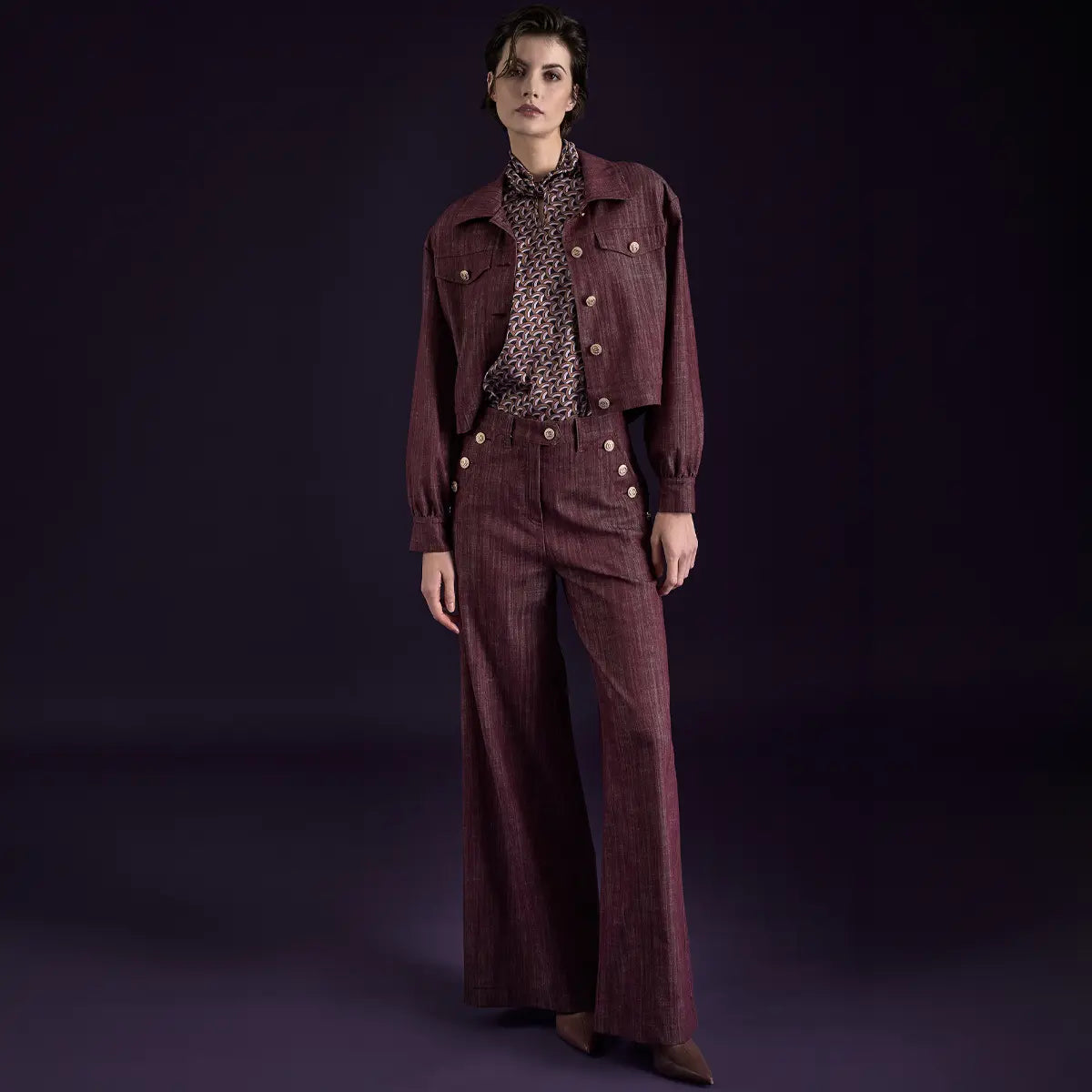
Trouser Shapes Guide

Dress Shapes Guide
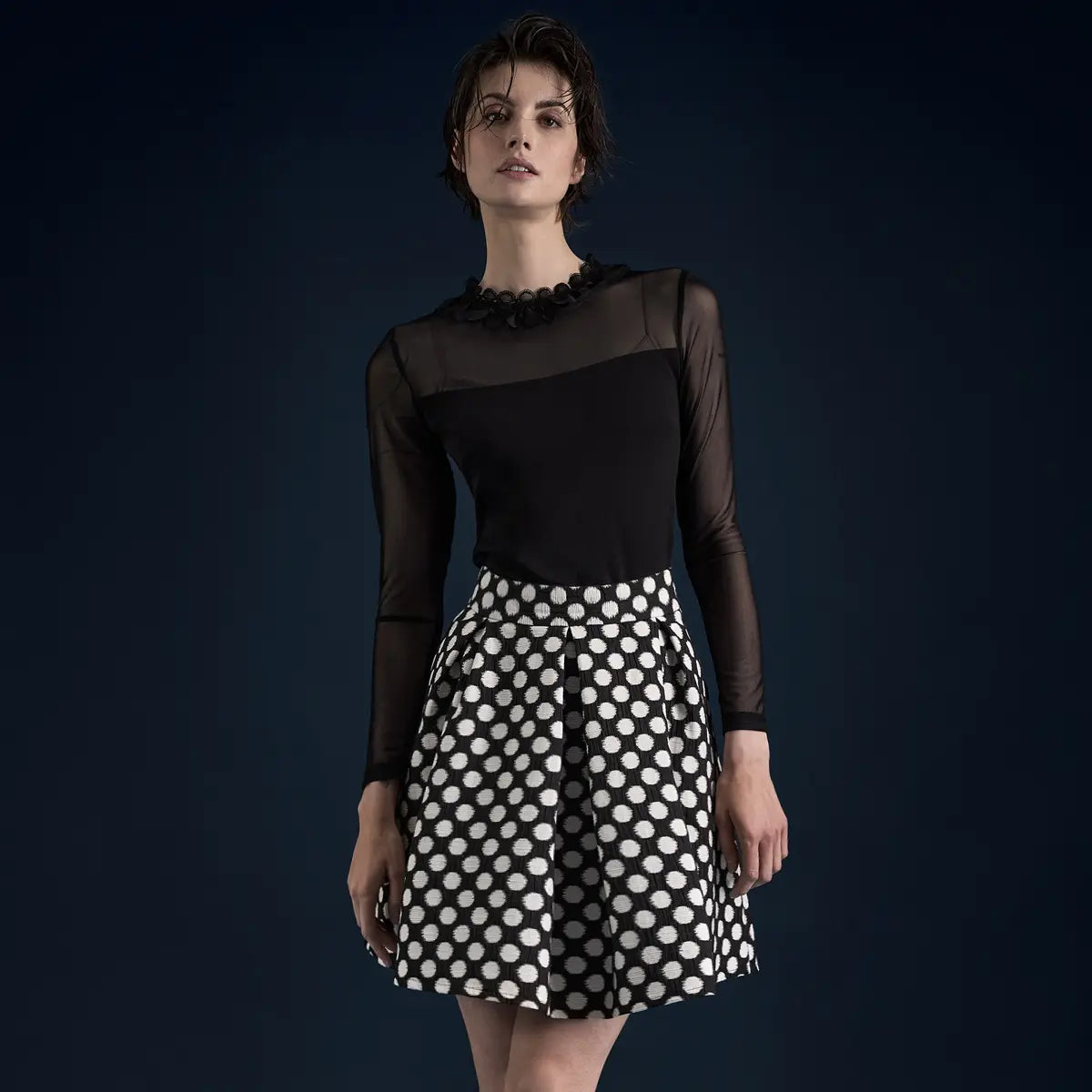
Skirt Shapes Guide
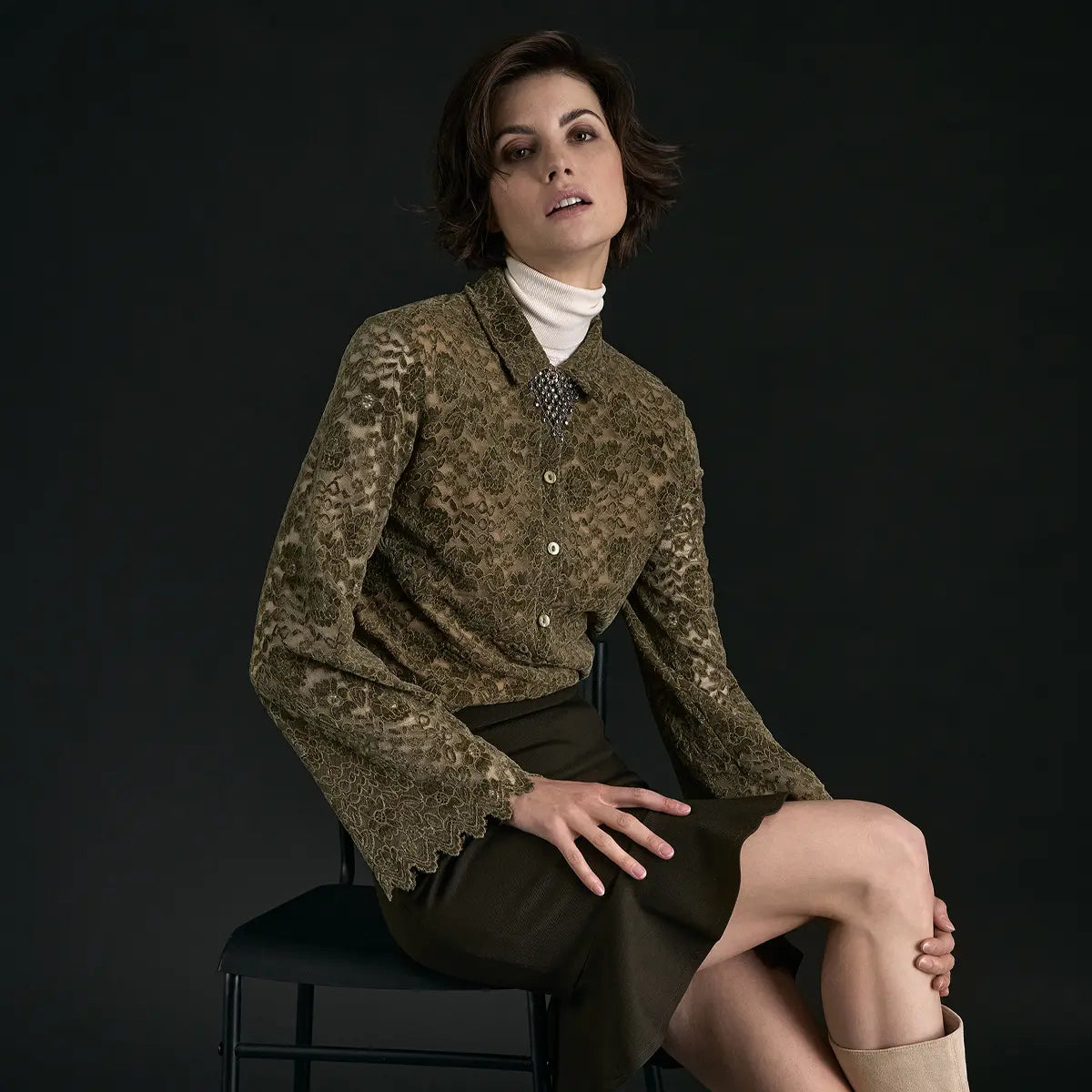
Top Form Guide

Jumpsuit Types Guide


