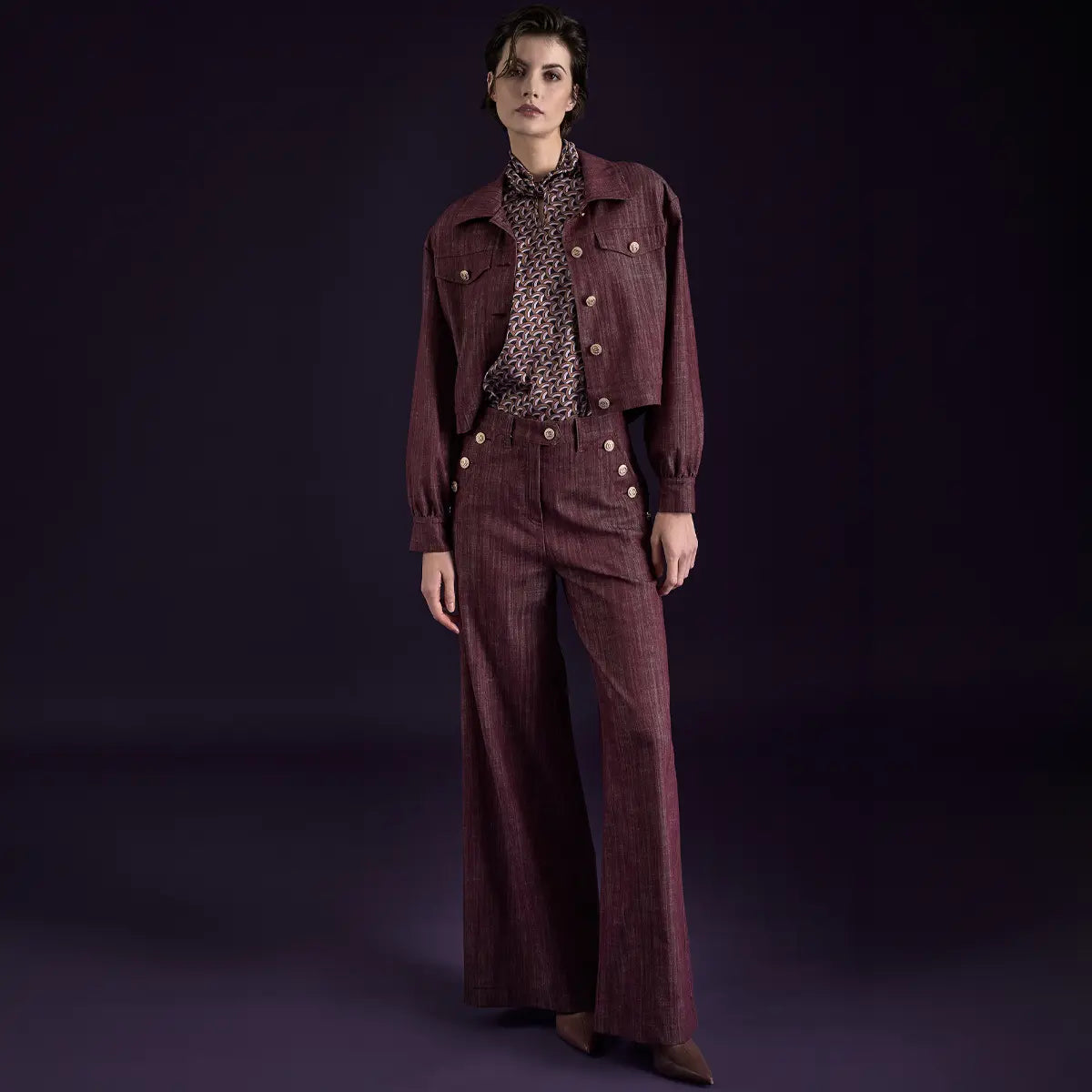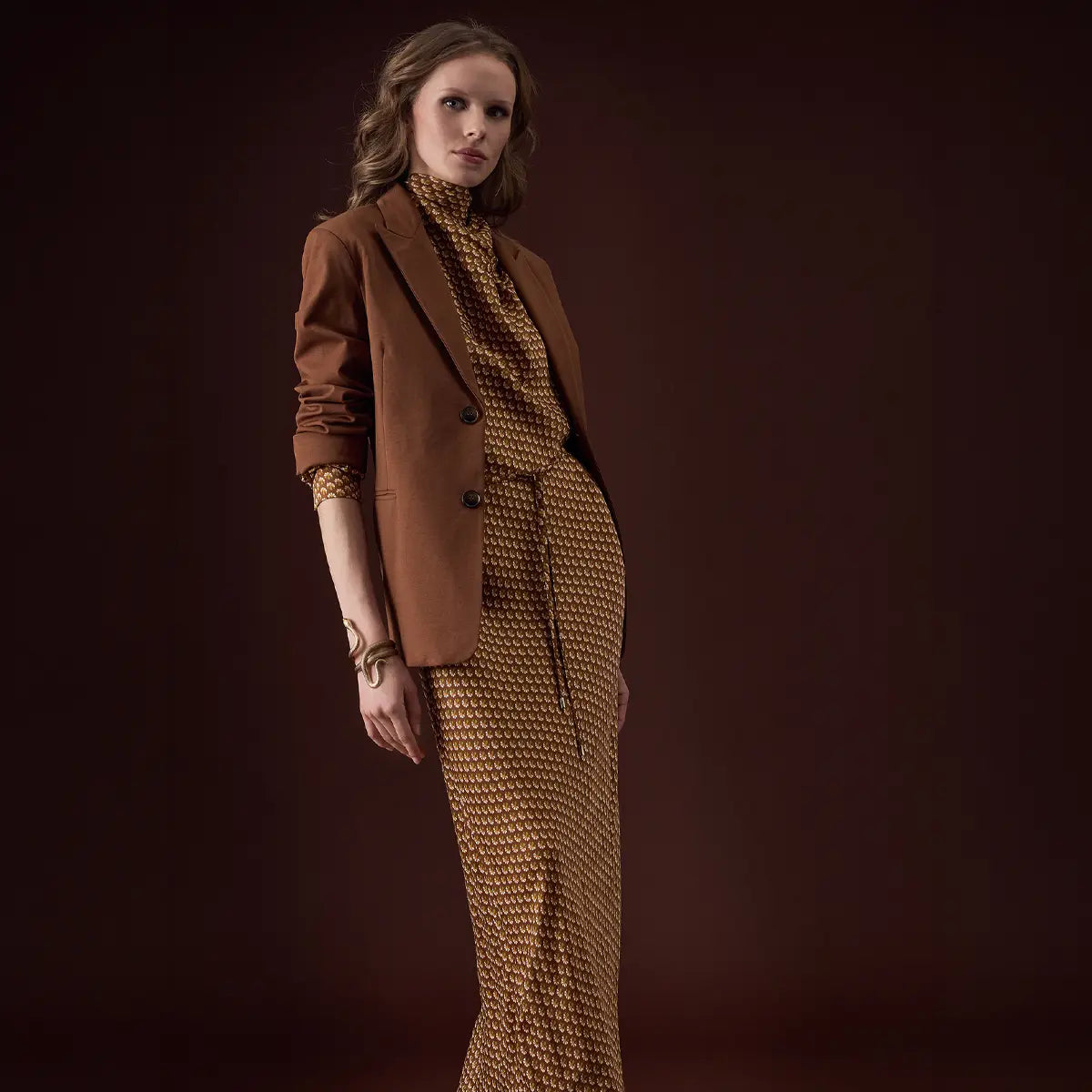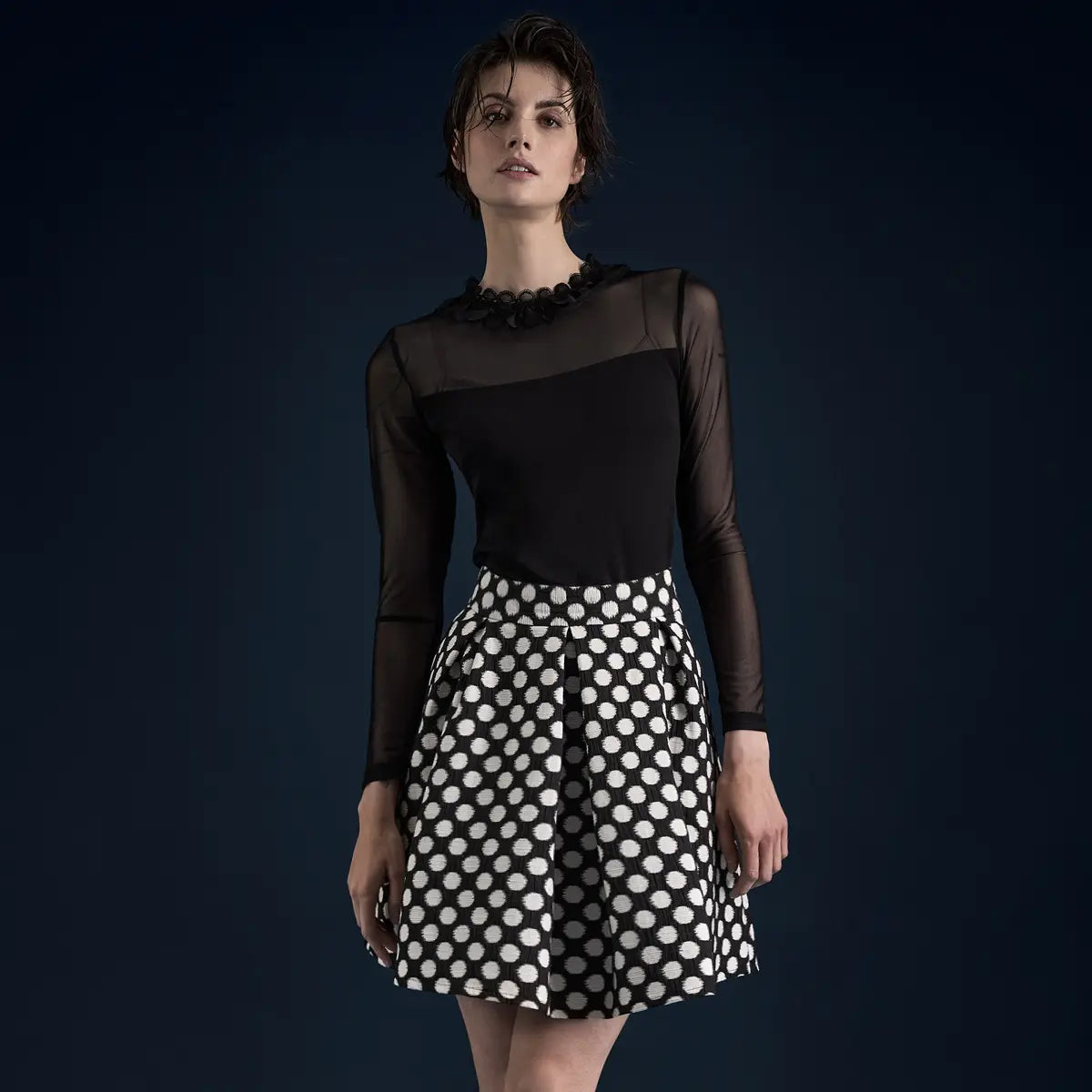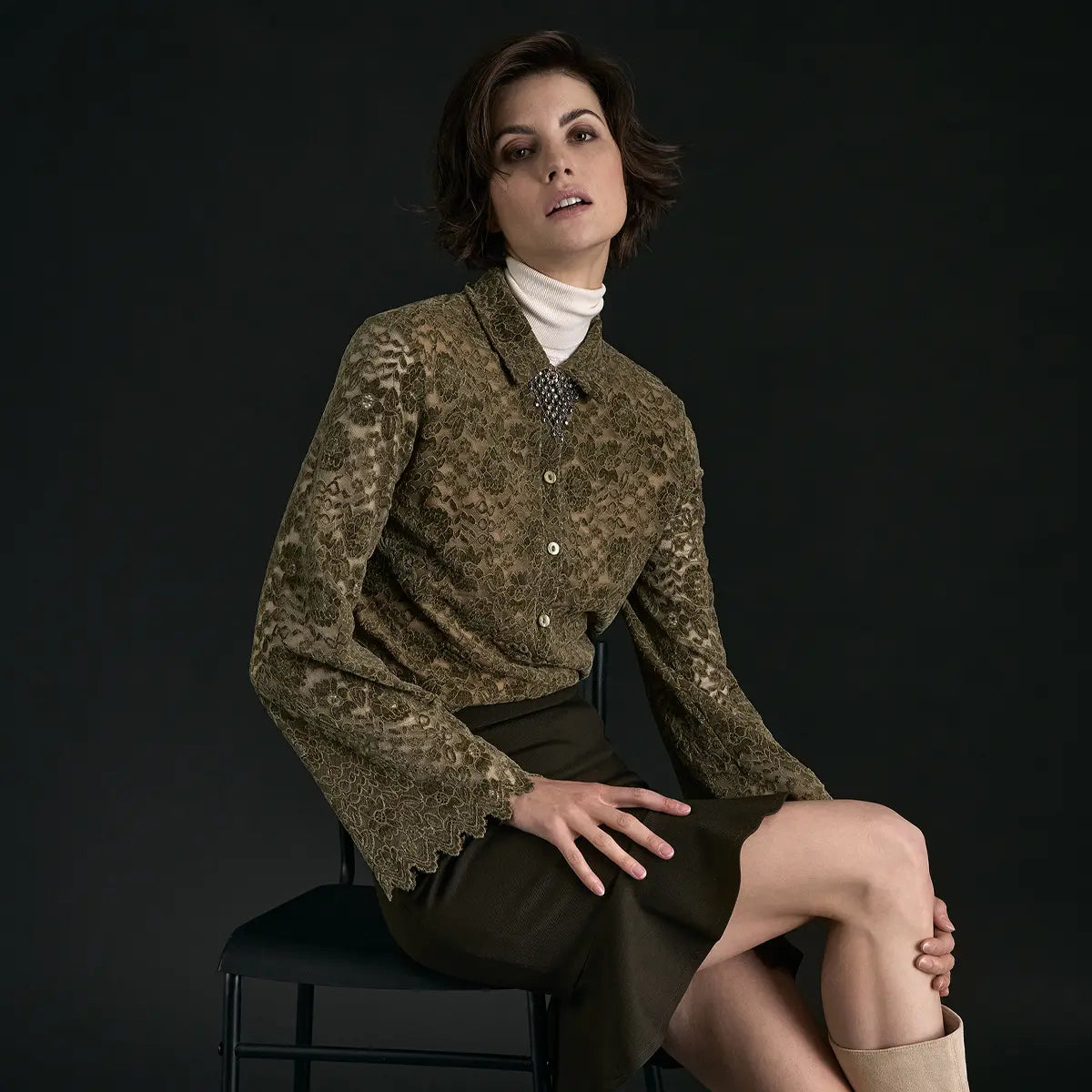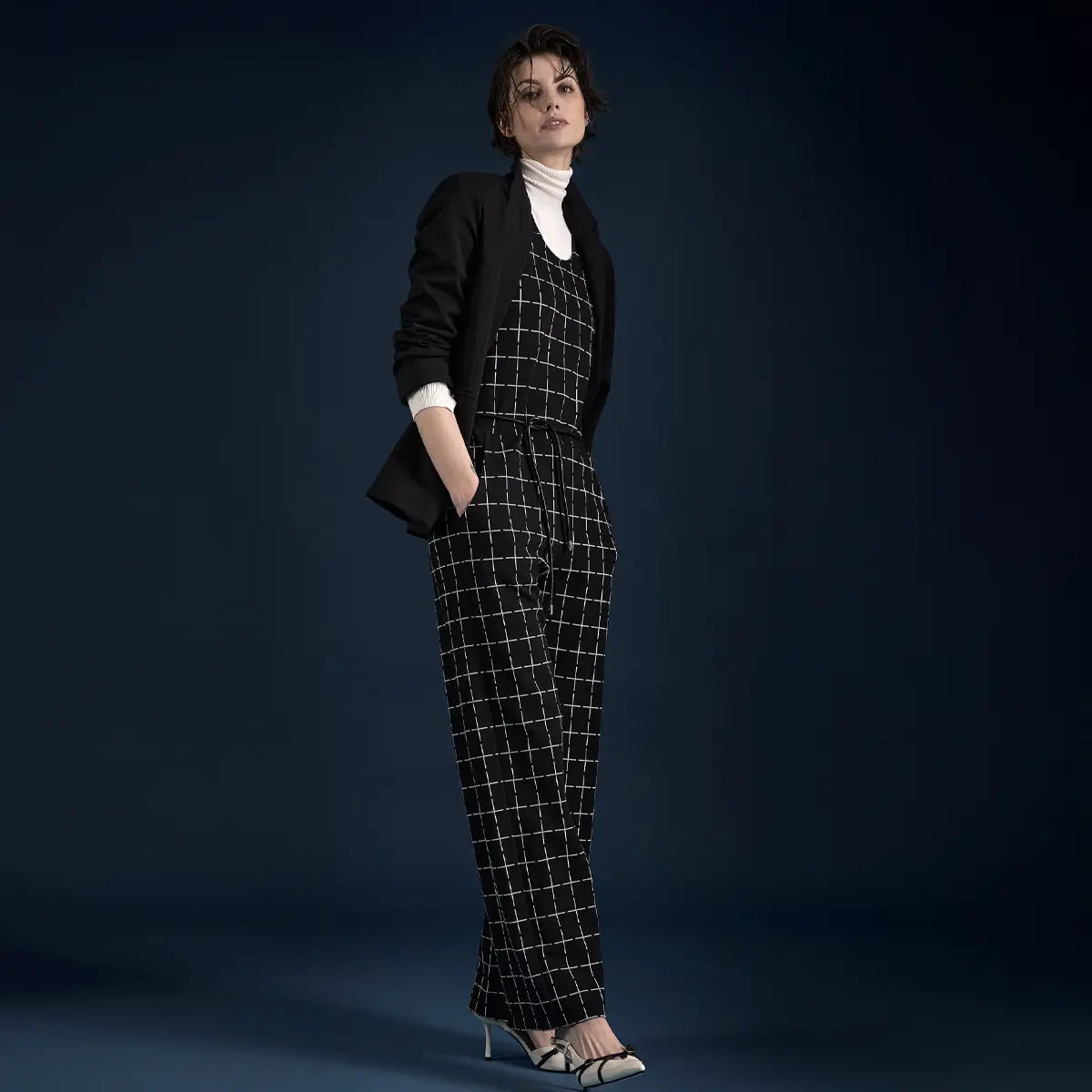


Gray is one of the most underrated colors—and it’s particularly unfairly maligned given all these negative associations. After all, it’s precisely this shade that really makes all fashionistas glow and flatters every skin tone. Gray has now become the dominant color and has long been embraced by leading designers on the runways. Flowing fabrics and loose cuts have transformed this once-wintery color into a true fashion sensation—even for summer.
In this guide:
Not white, not black: gray What colors generally go well with grayHere’s how! A Style Guide to Shades of Gray Who looks good in grayWhat hair colors go well with grayCombining gray tone-on-tone Advanced gray combinations — eye-catching looks Dos & Don’ts for Styling with Gray Frequently Asked Questions About Combining Gray
Not White, Not Black: Gray
When you try to analyze gray, one thing stands out: Gray adapts. With its conventional and reliable demeanor, it exudes a classy charm. We associate gray with responsibility, professionalism, and success. As a result, the shade can also come across as confident and stylish—without demanding the spotlight. It’s no coincidence that gray is the preferred choice for business suits.
What shades of gray are there?
The most important shades of the gray family—from light silver to deep anthracite.
Light Gray
#E2E2E4
Fresh and light
Silver-gray
#C0C2C8
Elegant and shimmering
Stone Gray
#A8A5A0
Natural and neutral
Medium Gray
#7B7E84
Classic and versatile
Slate Gray
#555861
Sophisticated and cool
Anthracite
#3C3D44
Deep and elegant
Important to know: Gray—in the classical sense—is not a color, but is classified as an achromatic, so-called “non-color.” This is because the shade is created by mixing black and white—two non-colors! No wonder, then, that gray leaves so much room for other colors and has an inimitably balancing effect on any outfit: bolder colors are visually softened, while pastel shades appear brighter when paired with it. The best part is: Gray definitely has no expiration date and is incredibly versatile.
There are also positive associations with the color gray:
neutral · balanced · professional · reserved · confident · classic · stable · elegant · timeless · calm · unpretentious
What colors generally go well with gray?
In short: Gray is an absolute all-rounder and the epitome of neutrality. You read that right. There’s nothing it can’t do. Because gray, with its roots in black and white, has a particularly understated effect and can represent different styles depending on how it’s paired—from casual to sporty or classic, all the way to elegant or edgy. It’s precisely this distinct neutrality that makes the shade so versatile.
If you're looking for a particularly classic combination, wear black and white with gray. These (three-color) outfits are a real hidden gem and come across as simple, cool—and incredibly effortless. Like no other color, gray epitomizes “understatement.” That’s exactly why, when paired with shimmering statement pieces like sequined tops, silver-colored tops, or elegant silk blouses, you can put together inspired and glamorous outfits.

Gray, black, white—understatement that looks effortless. @AI illustration
But don't forget: Not all shades of gray are the same. Each shade of gray is defined by the ratio of black to white. And that, in turn, can vary. When we talk about gray, the spectrum ranges—depending on the proportion of black and white—from dark anthracite to light gray-white.
Basic Knowledge — The Effect of Gray
A light shade of gray with a high white content: friendly, casual
A dark shade of gray with a high proportion of black: festive, formal
A shade of gray with a hint of silver and platinum: glamorous, elegant
How to Style Gray - Here's How!
Hover your mouse over a color—and see what gray looks like when combined with that color.
Give it a try: Which color goes well with gray?
Choose a color from the palette—and see right away how it looks.
Gray
#7B7E84
Scale
Light Gray
#E2E2E4
Silver-gray
#C0C2C8
Stone Gray
#A8A5A0
Medium Gray
#7B7E84
Slate Gray
#555861
Anthracite
#3C3D44
Classic
Cream
#EFE4CA
Beige
#D4C5A8
Camel
#C9A88A
Navy
#1F2A3A
White
#FAFAFA
Black
#0A0A0A
Statement
Bordeaux
#6B1D2F
Emerald
#1F6B4D
Gasoline
#1F5E6B
Mustard yellow
#C9942E
Pink
#E83870
Purple
#7B3F8F
How-To! A Style Guide to Shades of Gray
Light gray, anthracite, blue-gray—each shade of gray has its own character and its best pairings. Here are the three most important ones in detail.
What colors go well with light gray and silver-gray?
The light, silvery-gray shades make it easy for us to pair them with other colors. Gray with a high white content harmonizes well with all soft pastel shades and makes them shine like a reflector. Pink and light blue are definitely among the top pastel favorites. This lets you create relaxed, feminine outfits that come across as very likable.
Rich berry shades like burgundy, purple, or eggplant look particularly striking —thanks to the heightened contrast. Keep this in mind when styling: The lighter the gray, the richer the berry shade can be. Last but not least: There’s also the perfect combination for a night-out look. Black pairs especially well with a gray that has a slight silver sheen.

Light gray as a reflector—that's what makes the pastel pink shine. @AI-Illustration
How do I style anthracite gray?
Anthracite gray, as a cool shade, has a high proportion of black—and that pretty much says it all: every conceivable combination is possible. However, caution is advised when pairing it with dark colors, as this automatically creates a somber, dramatic, yet elegant look.
Particularly sophisticated: pairing it with a dark yet vibrant color like purple. If you want to go for high-contrast outfits, voilà—that’s no problem with anthracite. Pair your gray staple piece with light or particularly bold, intense shades. Of course, white works well here too—as is always the case with gray: a white blouse paired with anthracite-colored culottes makes for a polished business look.

Anthracite meets white—the business classic, with effortless confidence. @AI Illustration
What colors go well with blue-gray and dove gray?
This bluish shade of gray is one of the most exciting in the gray palette. It’s no coincidence that this shade appears on glamorous 1920s Charleston dresses, which epitomize the pure joy of the moment. Here, it’s best to focus on contrasts. Yellow or red, for example, create a fresh look. Gold and silver—whether as accessories or as a top—add an extra touch of drama. If you want to amp up the contrast even more, go for neon. Gray is the perfect companion, because no other shade lets the bright hues shine through more effectively. And here, too, what looks great with all shades of gray works just as well: black.

Blue-gray and bright yellow—sophisticated, with a touch of the '20s. @AI-Illustration
Discover gray dresses
Who Looks Good in Gray?
There's only one answer to this question: everyone. This is simply due to the proverbial “50 Shades of Gray”—that is, the countless shades of gray that result from the wide variety of mixing ratios between white and black.
Your skin tone is the key factor in choosing your ideal shade of gray. Which type are you? The rule here is: warm shades of gray for warm skin tones, cool shades of gray for cool skin tones. For example: mushroom, taupe, or gray-beige—warm-toned shades of gray—flatter warm color types with brown hair and a softly tanned complexion. Cool gray tones like stone gray, anthracite, or medium gray—that is, gray tones with a blue undertone or silvery shades—flatter fair-skinned blondes as well as women with black hair.
What hair colors go well with gray?
Did you know that gray, in its purest form, is a cool color? It comes across as slightly aloof, but above all, thoughtful, worldly, and mature. Maybe that’s a bit of an overinterpretation, but the fact is that gray pieces look great on women with gray hair. Everyone else looks good in the right shade of gray, too.
Cool Winter and Summer Color Types
- Hair Colors for the Winter Type: Dark brown, black, blue-black
- Hair Colors for the Summer Type: Ash Blonde, Platinum Blonde, Flax Blonde
- Skin tone: light
Both are well-served by pure gray blends. The summer type, in particular, can also pull off extremely cool shades of gray that lean toward blue.
Warm Spring and Fall Color Types
- Hair Colors for the Spring Type: Golden Blonde, Honey Blonde, Medium Brown
- Hair Colors for the Fall Type: Chestnut brown, warm reds, copper, warm brown
- Skin tone: lighttan to dark
Clear recommendation: Warm shades of gray with a hint of brown, green, or pink are ideal for these types.
Bonus Tip
Choose darker shades of gray for people with brown or black hair who are Winter or Fall types, and choose light and medium shades of gray for people with blond hair who are Summer or Spring types!
Anything but monotonous — pairing shades of gray
Gray pieces don't always need to be paired with colorful items. Quite the opposite: an all-over look has its own special appeal and can become a fashion statement in the blink of an eye.
How-to: When styling a monochromatic outfit, there are a few things to keep in mind. An outfit composed entirely of shades of gray draws our attention more strongly to the cut and the materials. That’s why you should focus more than ever on quality and perfect cuts that flatter your figure.

Gray on Gray – when cut and fabric take center stage. @KI-Illustration
Also important: Never mix more than three different shades of gray, or your outfit will quickly look too busy. Watch out—this is where it gets tricky! Choose shades that share the same undertone. So never mix warm and cool shades of gray. When paired with a cool tone, a warm one can very quickly look “muddy.” If you keep that in mind, you’re completely free to combine light and dark shades however you like. Add extra interest to your overall look with layering, a skillful play with lengths, and eye-catching, metallic accessories.
Monochrome Tips
- Combine no more than three different shades of gray
- Under no circumstances should you mix warm and cool shades of gray
- Look for high-quality materials and well-fitting cuts
- Create Excitement Through Material Combinations
Gray Outfits for Advanced Stylists — Eye-Catching Looks
Let's summarize once again: Gray provides the ideal fashion backdrop for other colors and intensifies their color character—and thus their impact. In other words, if you want to put together a particularly exciting outfit, the colors you pair with gray will determine the overall impression.
Gray & Yellow: A Stunning Look
Dopamine Style with Gray: Bright yellow really stands out and probably isn't the first combination that comes to mind. With yellow, you can create an eye-catching look in no time at all—one that shines even brighter when paired with gray. This also works with vibrant green.

Dopamine-inspired outfit in gray and yellow—it puts you in a good mood. @AI-Illustration
Gray to neon yellow, neon green, or neon pink
Neon colors from the ’80s are simply impossible to miss and often have a sporty vibe. Paired with gray pieces that have a loose, relaxed feel, they create looks with a runway-inspired flair. Experienced fashion enthusiasts also incorporate chunky knit pieces to give the overall look an edgy touch.

Chunky knit, bold accents—gray with an edgy runway vibe. @KI-Illustration
From Gray to Bling-Bling
Admittedly, that seems like a contradiction at first! But that’s exactly what makes these looks so irresistible: when paired with glittering and shimmering pieces, gray really comes into its own and makes a real impression. Sequin tops, silver jewelry, or lurex knitwear transform this understated neutral into a night-out showstopper.

Grau is outdoing herself—a showstopper for a night out. @KI-Illustration
A Quick Summary: Dos and Don'ts for Styling Gray Hair
For a bold look: go for strong contrasts
Style with understated elegance by combining with light pastel shades
If you have a cool winter or summer color type, choose cool shades of gray
If you're a spring or fall type, choose warm shades of gray
Create edgy looks with neon or sequined pieces
Wear gray as a stylish alternative to black or dark blue in a business setting
Pairing Prints with Gray
Don'ts
Mixing Cool and Warm Shades of Gray
Create layered looks using inexpensive-looking materials
Combining More Than Three Shades of Gray
Ignore color temperature
Wear gray with more than two other colors
Ignore your individual type
Skip the accessories as the finishing touch
My conclusion: Gray is fashion’s underrated all-rounder—and anything but dreary. From light silver-gray to sophisticated dove gray to deep anthracite, gray offers a range that’s second to none. It adapts without being overpowering, lets other colors shine, and provides the perfect backdrop for everything—from pastels to neon, from bling to business.
The secret: The undertone is key—warm with warm (mushroom, taupe), cool with cool (stone gray, anthracite). Mix no more than three shades of gray; never combine warm and cool tones. If you stick to these rules, gray will be your go-to color that works for every season, every occasion, and every skin tone. Goethe called it the “color of shadows”—we call it the secret queen of the wardrobe.
Fun Facts and Fascinating Information About Gray
- For centuries, gray was considered the “color of the common people” —undyed wool was cheap, so farmers wore gray. It wasn’t until the 1970s that Coco Chanel and Giorgio Armani turned gray into the power color of the business world.
- The most famous gray garment in the world is probably Armani's gray "power suit" from *American Gigolo* (1980)—it defined the look of the 1980s yuppies and made gray socially acceptable.
- "Fifty Shades of Grey" is more linguistically precise than it sounds —the human eye can actually distinguish about 500 different shades of gray, more than for any other color.
- On a cloudy day, the sky has an average gray value of
#B8B8B8— designers call this “Stockholm Gray” because that’s what the sky looks like there nearly 200 days a year. - Gray is the only color that takes on the qualities of its surroundings —the same shade of gray appears cooler next to red and warmer next to blue. Painters call this "simultaneous contrast."
- Gray hair isn't actually gray —it's colorless (transparent). What we perceive as gray is the mixture with the hair next to it that still has pigment.
You ask, we answer — frequently asked questions about pairing gray
What color goes best with gray?
Gray is a versatile color that pairs well with almost any other color. Classic: Black and white for a timelessly elegant three-color outfit. Feminine: Pastel shades like pink and light blue make gray shine. Sophisticated: Berry tones like burgundy, purple, or eggplant create striking contrasts. Bold: Neon accents or sequins give gray a runway-worthy look. Rule of thumb: The lighter the gray, the richer the coordinating color can be.
Which shade of gray suits my skin type?
Warm color types (Spring, Fall) with brown hair and a tanned complexion look especially good in warm shades of gray, such as Mushroom, Taupe, or Gray-Beige. Cool color types (Summer, Winter) with fair complexions and blond or black hair look their best in cool, bluish shades of gray such as stone gray, medium gray, or anthracite. Additionally, darker shades of gray are best for brunettes and those with black hair, while lighter shades are best for blondes.
Can I mix different shades of gray?
Yes, but there are three rules: First—use no more than three different shades of gray in one outfit, otherwise it will look cluttered. Second—never mix warm and cool shades of gray; a warm gray paired with a cool shade can quickly look “muddy.” Third—make sure to choose high-quality materials and perfect cuts, because with a monochromatic look, the eye is drawn more strongly to quality and silhouette. Playing with lengths, layering, and metallic accessories adds extra interest.
Which shade of gray is best for a business look?
For business, charcoal gray and medium gray are the classic favorites—they look professional and confident and are the more stylish alternative to black or dark blue. A white blouse paired with charcoal-gray culottes or a gray pantsuit with a white shirt are timeless classics. For those who prefer a more feminine look: light gray paired with a pastel pink blouse. Important: Choose high-quality materials; polyester blends can quickly look cheap in a business setting.
Does gray also go well with berry tones like Bordeaux?
Berry shades like burgundy, purple, or eggplant are absolute favorites to pair with gray! They create an intense, striking contrast—especially with light and silvery shades of gray. Rule of thumb: The lighter the gray, the richer the berry shade can be. A burgundy blouse with light gray pants, a purple maxi dress with a gray cardigan, or an anthracite suit with an eggplant accent—this combination works in every season.

Christine Schmitz
My love for fashion and communication led me to Ana Alcazar—having cut my teeth as a copywriter and concept developer in traditional advertising, I’ve been writing for our Munich-based designer label for over 10 years. On the editorial team, I’m responsible for all corporate topics, and I also focus on current trends and my passion: gender equality.
Between Image and History
Sometimes a story needs more than a photo can convey. That’s why some of the images in this article were created using artificial intelligence (AI)—curated, inspiring, and always in the spirit of “Wear your Story.” The AI-generated images are clearly labeled next to each photo.