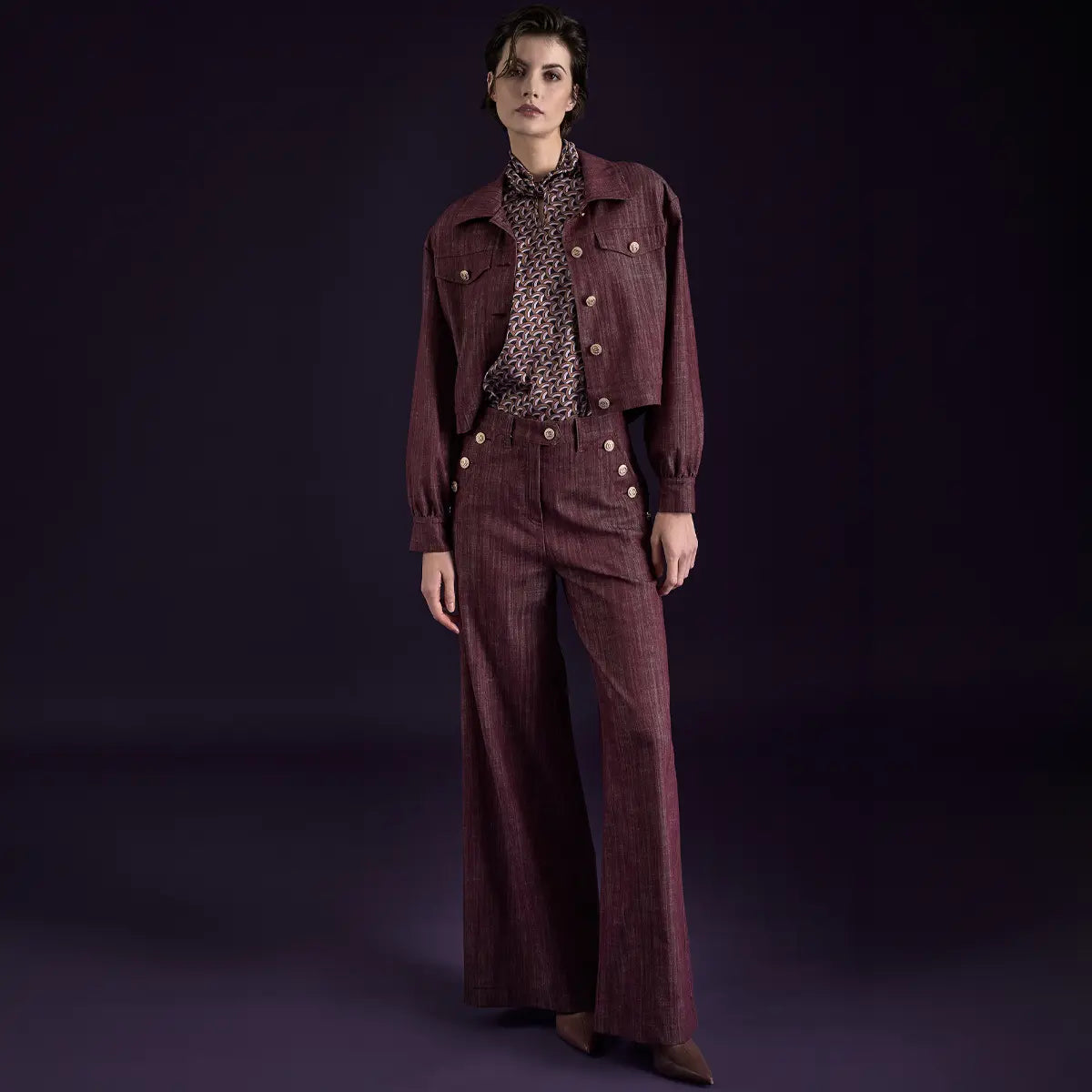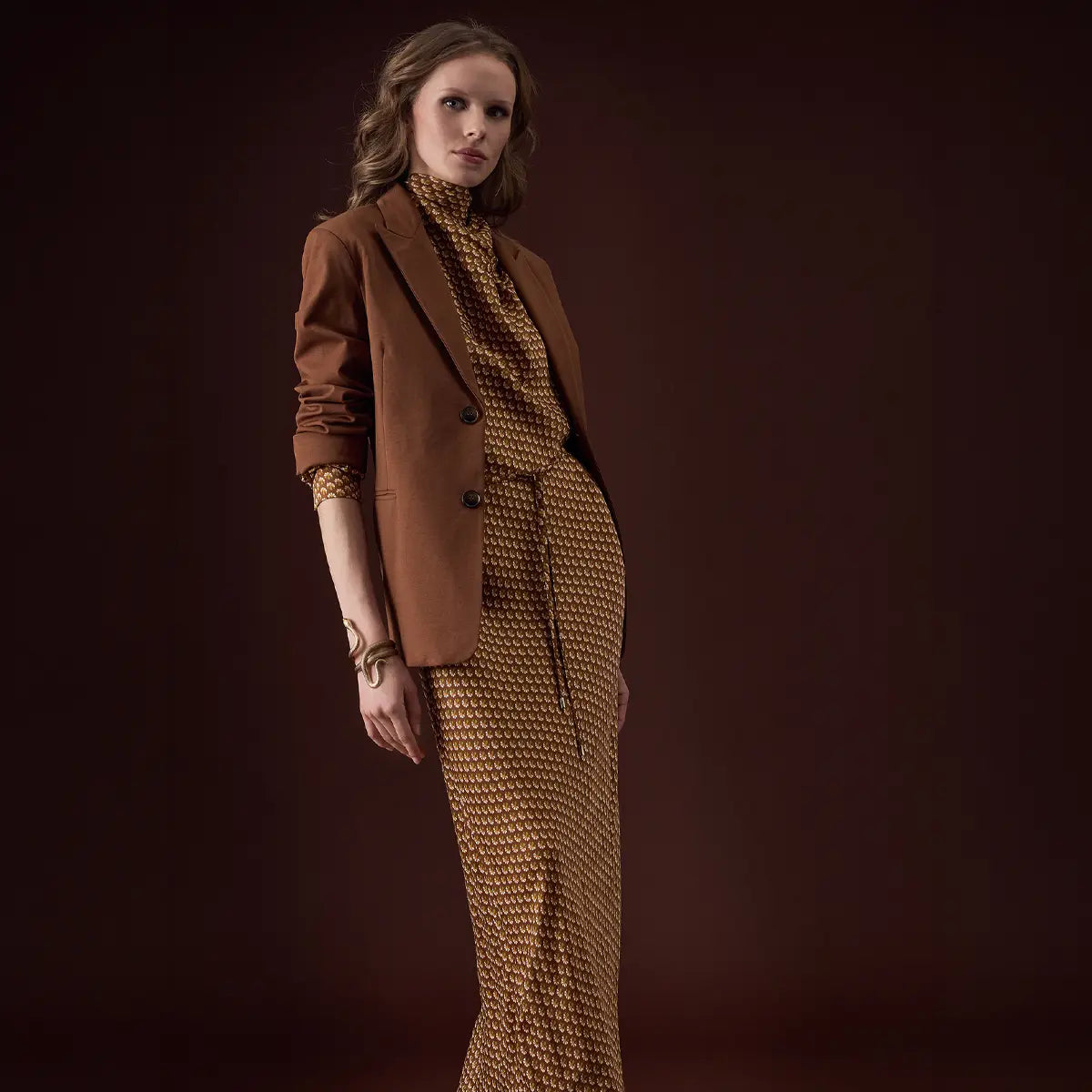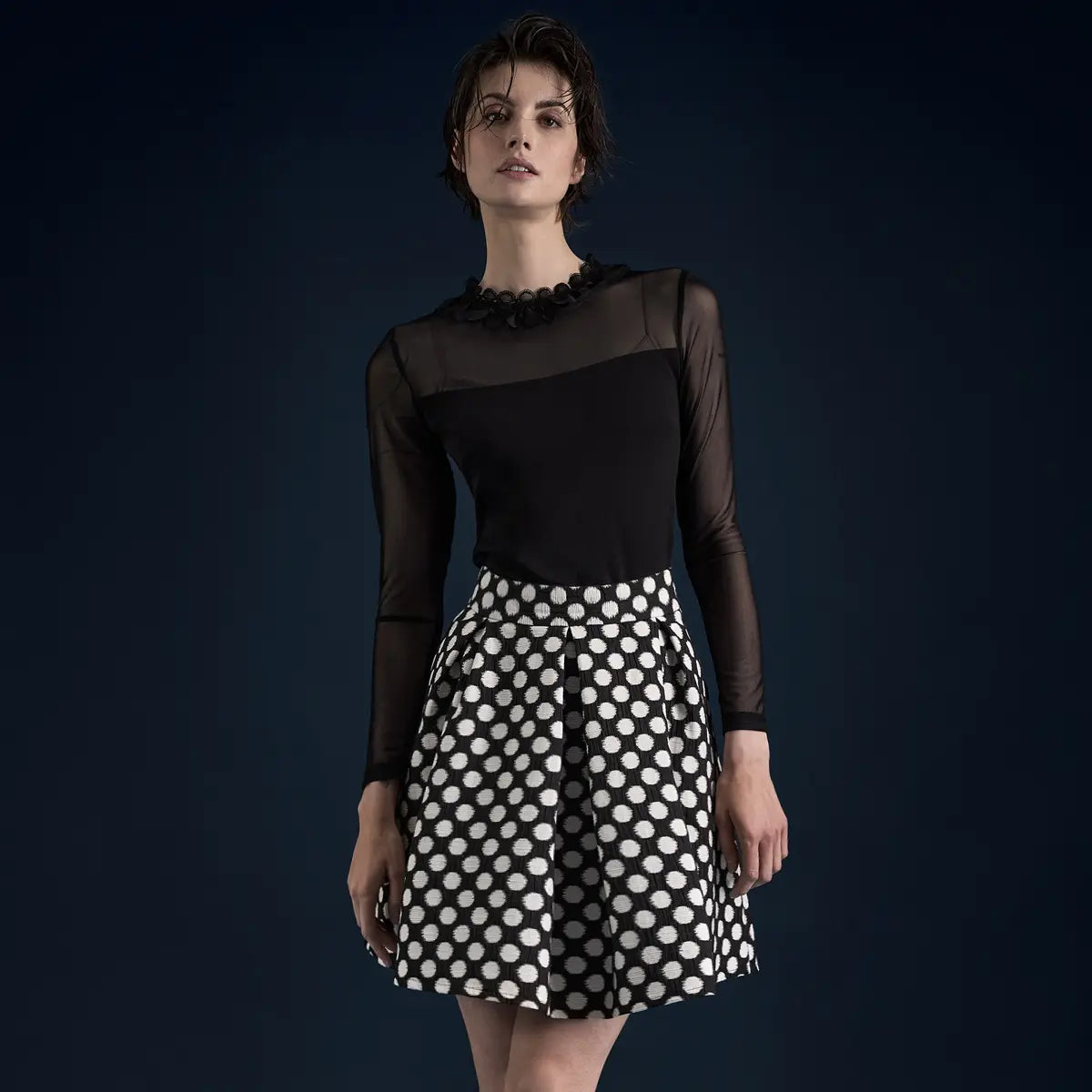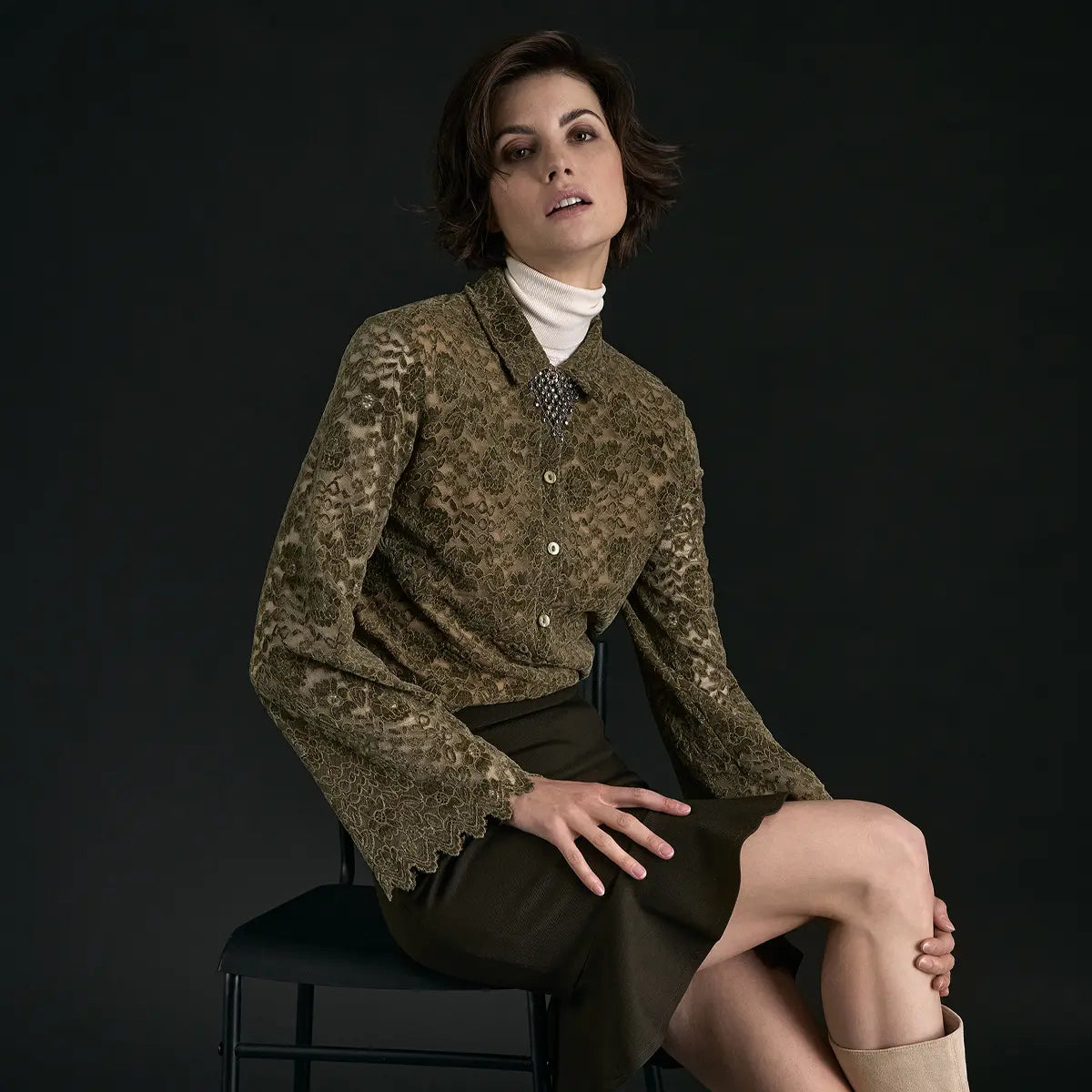


Red leaves no one indifferent. Few colors capture our eyes and our attention quite like red—which, by the way, is a primary color along with yellow and blue. We associate it with power, dynamism, and strength, as well as with intense emotions, love, and passion. Women in red dresses have been shown to be particularly attractive and alluring. If you want to make a fashion statement that can’t be missed, red is always a good choice.
In this guide:
Red Alert — How to Style This Bold Color Warm and Cool Shades of Red — The Key Difference Which Red Suits You BestPairing Red (Interactive) Mixing and Matching Red — Feel FreeHow Red Looks When Paired with Other Colors Three Trendy Shades of Red: A Style Overview Dos & Don’ts for Styling with Red Frequently Asked Questions About Styling with Red
Red Alert — Here's How to Style This Bold Color
Because red always catches the eye, it’s used on traffic signs, and fire alarms are red, too. We literally “lose the thread” or “turn red,” which reveals our emotions. Our eyes can't help but be drawn to red. Almost all of the major designers' runways are filled with eye-catching creations in every possible shade of red. Louis Vuitton and Jacquemus have already presented all-over looks.
What shades of red are there?
The most important shades of red—from warm coral to deep burgundy.
Coral Red
#E8716A
Warm and summery
Classic Red
#D43A2F
Powerful and feminine
Cinnabar Red
#B83A1F
Intense and autumnal
Ruby Red
#9C1F3C
Elegant and festive
Wine red
#6B1D2F
Classic and deep
Burgundy
#5C1A2A
Dark and wintry
Pairing and wearing red requires a bit of fashion sense, which is why many people rule out this fantastic shade for their wardrobe from the get-go. Common misconceptions are that red is simply too flashy or too hard to pair with other pieces. If you ask me, every one of us should have a red piece in our closet.
The good news: Redreally suits every woman. Hardly any other color is as versatile, and there’s a shade in the red spectrum to suit every skin tone and hair color. The key factor in determining whether a specific shade of red suits you is whether it’s cool or warm.

Red from head to toe—a look that catches everyone's eye. @AI-Illustration
Warm and Cool Shades of Red — The Key Difference
Depending on the ratio of yellow to blue, warmer or cooler shades result. Warm redstypically havea higher proportion of yellow. Examples include flamingo, coral, salsa, and tomato red. Cool reds are characterizedby a high proportion of blue. These include cherry red, burgundy, mauve, and pomegranate.
Which shade of red suits you best?
It’s all about finding the right shade! Warm color types withdarker hair and naturally tanned skin should opt for warm red shades like coral or salsa. Cool color types withfair skin and blonde hair look especially good in blue-toned reds like burgundy or mauve. This also applies to the so-called “Snow White” type with black hair and pale skin.
Combining Red (Interactive)
Hover your mouse over a color—and see what red looks like when combined with that color.
Give it a try: What color goes well with red?
Choose a color from the palette—and see right away how it looks.
Red
#C13E3E
Tone-on-tone
Coral Red
#E8716A
Classic Red
#D43A2F
Cinnabar Red
#B83A1F
Ruby Red
#9C1F3C
Wine red
#6B1D2F
Burgundy
#5C1A2A
Classic
Cream
#EFE4CA
Beige
#D4C5A8
Camel
#C9A88A
Anthracite
#3C3D44
White
#FAFAFA
Black
#0A0A0A
Statement
Navy
#1F2A3A
Denim blue
#5B7B9A
Emerald
#1F6B4D
Mustard yellow
#C9942E
Pink
#E83870
Purple
#7B3F8F
Pairing Red — Feel Free!
First things first: Red not only appeals to many fashion styles, but also adds eye-catching pops of color in all its shades. It doesn’t matter whether you go for cherry red, burgundy, or rust red. Red doesn’t always have to be the star of the show—despite its ability to grab attention, it’s very versatile and thus an ideal team player. On the contrary—it pairs well with both neutral colors and bold hues. This gives you countless outfit ideas that depend entirely on your fashion courage and your desire for colorful styles. Red isn’t just a great match for monochromatic looks—it also pairs well with many other colors. Black, gray, white, shades of brown, blue, dark green, and olive are particularly harmonious, as are bold pink and rose.
All-Over Red Look — A Confident Statement
Red stands for power! No question about it. A head-to-toe red look ensures a powerful presence at a business meeting or an after-work get-together. A stylish red power suit, a pleated skirt with an oversized sweater, or a shift dress with a short coat will make everything around you look pleasantly red. The tone-on-tone look is especially harmonious when you combine different shades of red. Cooler shades, in particular, create a very cohesive look when mixed. But bright red and burgundy also look simply fantastic when paired together.
Tips for a great all-over look: Be careful not to mix warm and cool shades of red, and combine no more than three shades.

Two shades of red, one statement—power in tone-on-tone. @KI-Illustration
Styling Red with Green — A Toast to Complementary Colors
The combination of the complementary colors red and green creates striking looks. The contrast between these two shades—which lie directly opposite each other on the color wheel—results in exciting contrasts. If that’s too colorful for you, keep the following in mind: The darker the green, the more sophisticated the look. Just steer clear of overly bright shades of green—unless you’re going for an ’80s look. Bright red and muted pine green are a classic combination, but wine red or burgundy and dark or bluish-green also harmonize perfectly—and make particularly elegant pairings. Do you love making a statement? Then pair pink with green.

Complementary and sophisticated—red meets muted fir green. @AI illustration
Styling Red with Blue — Navy Blue & Red: A Classic Combination
The combination of red and blue is particularly common in Eastern European traditional costumes. The darker the shade of blue, the more harmonious the combination. That really lets the bold color shine. But light or very striking shades work well, too. One combination that’s sure to put you in a good mood is red paired with denim in all its forms. It’s a duo you simply can’t go wrong with.

Red and Blue – the classic combination that always puts you in a good mood. @AI Illustration
Styling Red with Pink — Bold and Doable!
Fashionistas have long since discovered the color-blocking look! Bright red and pink paired together create eye-catching and captivating looks. Want your outfit to stand out? Then pair red with pink or rose to create an elegant look. Important: Ideally, the pieces should be solid-colored and pattern-free. Contrary to earlier predictions, we now love trendy color-blocking looks — even in the office. How about pink pants with a red sweater or a rose-colored dress with a red coat?

Color blocking at its best—red and pink, boldly combined. @KI-Illustration
Styling Red with Beige and Brown — Strength Lies in Serenity
Red also goes well with shades of beige or brown—these have just the right color temperature for fall and winter. Red electrifies us with its energy, while brown provides the right balance and brings the necessary calm to your look. Fashion experts consider red paired with beige or camel to be unbeatable. If you want to wear a darker shade of brown, the undertone is key again: brown with a bluish undertone pairs well with cool reds, while brown with an orange undertone goes well with bright reds. The darker the brown, the brighter and more vibrant the red can be.

Strength Lies in Calmness – Red, Grounded by Camel. @AI Illustration
Red with black or white — a safe bet
If you wear red with black or white, your outfit will look well-coordinated. These neutral "non-colors" serve as the backdrop that really lets red shine. Black-and-red or white-and-red outfits look elegant and well-chosen.
Note: Black paired with fiery red creates a high-contrast look and may come across as too dominant. For anyone who isn’t comfortable with that, gray is a harmonious and softer-looking alternative. White paired with dark burgundy or magenta looks simply enchanting.

Clear and confident—white lets red take center stage. @AI-Illustration
How Red Works in a Team
Red & Gray: elegant , classic
Red & Black: Elegant , Dominant
Red & Blue: Extravagant , High-Contrast
Red & Green: cool, eye-catching
Red & Beige: harmonious, balancing
Red & White: clear, gentle
Red & Pink: Modern , Eye-Catching
Discover red dresses at
How-to! Three Trendy Shades of Red: A Style Roundup
Bordeaux, rust red, cherry red—each shade of red has its own character and its best pairings. Here are the three trending shades in detail.
Combining Bordeaux and Mauve
Bordeaux and mauve, as cool tones, create an elegant, feminine look and pair perfectly with blue. Brown also works well, but only if it has a bluish undertone. Black and white, as classic colors, also complement these shades. As a general rule, opt for muted colors. Pairing them with yellow adds an extravagant touch.

Cool berry tones, elegantly layered—Bordeaux meets mauve. @KI-Illustration
Pairing Rust Red
Black, white, and gray also pair beautifully with rust red. If you’re looking for a bit more variety, brown—from camel to caramel to dark brown—is an excellent choice. Off-white also creates a harmonious look. For an exciting contrast, try yellow, orange, and dusty pink.

Warm earth tones in harmony—rust red, with an autumnal feel. @AI Illustration
How to Style Cherry Red
Bright, eye-catching, and bold—cherry red is one of the cool, blue-based reds and is perfect for mixing and matching with other shades of red: pink and cherry red are a duo that radiates good cheer. Berry tones also pair beautifully with cherry red. Black, white, and denim complete the look.

Cherry red, styled with an edgy twist—flounces paired with denim and red boots. @KI-Illustration
A Quick Summary: Dos and Don'ts for Styling Red Hair
Go for an all-over look — red makes a bold statement
Monochrome: Combine warm colors with warm tones, and cool colors with cool tones
Mix a maximum of three shades of red in one outfit
Combine neutral colors for a more subdued look : beige, white, or black
For darker skin tones: choose warm reds with an orange undertone
For fair skin tones: choose cool, bluish shades of red
Especially elegant: red velvet for festive occasions
For women new to red: Start with accessories like shoes or bags
Don'ts
Combining shades of red with different undertones
Traffic Light Look: Wear red with yellow AND green
Ignoring Individual Skin Tones
Too much flashy jewelry — Red speaks for itself
Don't match the nail polish to the shade of red
Night Out: Don't match red accessories with your makeup
Wearing red outfits to weddings without consulting the bride
Wearing Red to Funerals
My conclusion: Pretty in Red. The beauty of the color red is that it’s perfect for many occasions—whether you’re relaxing, at work, or out for dinner. It never really goes out of style, is considered a classic, and can be paired in countless ways. How many red pieces do you have in your closet?
The secret: The undertone is everything. Warm reds (coral, salsa) for warm skin tones, cool reds (bordeaux, mauve) for cool skin tones. For head-to-toe looks, be sure to stick to a consistent undertone —and mix no more than three shades of red. If you want to ease into it, start with accessories: red lipstick, a red bag, red pumps. Red is the queen of statement colors—and it truly suits every woman, as long as you find the right shade.
Fun Facts and Fascinating Information About Red
- For thousands of years, red was the most expensive color in the world —"Tyrian purple" was extracted from thousands of purple snails. It took about 10,000 snails to produce a single gram. That is why, in the Roman Empire, only emperors were allowed to wear purple togas.
- Christian Louboutin’s red shoe soles are at the center of a trademark dispute worth billions — the designer discovered by chance in 1992 that his red nail polish spiced up the black soles. Today, “Louboutin Red” (Pantone 18-1663 TPX) is a registered trademark that he has successfully defended against YSL, Zara, and others.
- Coca-Cola's red turned Santa Claus red —until the 1920s, he was also depicted in green, blue, and purple. It wasn't until the advertising campaigns beginning in 1931 (artist: Haddon Sundblom) that the red-suited Santa became the global standard.
- Red is the first color a baby can recognize —starting around the eighth week of life. Before that, the baby can only see light-dark contrasts. From an evolutionary perspective, red signals ripe fruit and blood (and thus danger).
- People get hungrier in red rooms — McDonald's, KFC, Burger King — it's no coincidence that fast-food logos are red. Red has been shown to stimulate appetite and increase heart rate.
- The most famous red dress in film history was worn by Julia Roberts in 1990 in *Pretty Woman* during a visit to the opera—designed by Marilyn Vance. It was originally supposed to be black, but the studio chose red for maximum visual impact.
- Pantone selected its first "Color of the Year" in 2002—and it was a reddish shade: "True Red" —a response to 9/11 and the search for strength. Since then, the annual "Color of the Year" selection has become the standard in fashion and industry.
You ask, we answer — frequently asked questions about pairing red
What is the complementary color to red?
Green is the complementary color to red. The two colors lie directly opposite each other on the color wheel and enhance one another. Particularly elegant: bright red paired with muted pine green, or wine red with a dark, bluish-green. Be careful with bright shades of green—they can quickly look too Christmassy or reminiscent of the ’80s.
Which shade of red looks best on me if I have fair skin?
For fair skin with cool undertones (summer or winter types), blue-based reds like burgundy, mauve, or cherry red are ideal. The “Snow White type” (black hair, pale skin) also benefits from cool red shades. If you have warm, fair skin (spring type), go for coral, salsa, or flamingo—these warm shades with yellow undertones will make your complexion glow.
Can I really wear red and pink together?
Yes, absolutely—this combination is now a fashion classic. Fashionistas have long since discovered color-blocking with red and pink. Important: Ideally, the pieces should be solid-colored and pattern-free. For example, pink pants with a red sweater or a pink dress with a red coat. This combination also works in the office, as long as the pieces are high-quality.
What is the difference between warm and cool shades of red?
The key difference lies in the color ratio. Warm reds have a higher proportion of yellow—typical examples include flamingo, coral, salsa, and tomato red. Cool reds are characterized by a high proportion of blue—these include cherry red, burgundy, mauve, and pomegranate. Rule of thumb: warm shades for warm skin tones, cool shades for cool skin tones. Never mix warm and cool shades for an all-over look.
Which accessories go best with red?
When it comes to red, less is more. The color speaks for itself, so accessories should be chosen with restraint. Classic choices include gold and silver jewelry, elegant velvet, and simple black or white leather goods. Important: Nail polish and lipstick should match the shade of red—either exactly the same or deliberately contrasting. Too much eye-catching jewelry can make the look seem overdone.

Christine Schmitz
My love for fashion and communication led me to Ana Alcazar—having cut my teeth as a copywriter and concept developer in traditional advertising, I’ve been writing for our Munich-based designer label for over 10 years. On the editorial team, I’m responsible for all corporate topics, and I also focus on current trends and my passion: gender equality.
Between Image and History
Sometimes a story needs more than a photo can convey. That’s why some of the images in this article were created using artificial intelligence (AI)—curated, inspiring, and always in the spirit of “Wear your Story.” The AI-generated images are clearly labeled next to each photo.