


Pairing Brown — These Colors Go Well with Different Shades of Brown
|
|
|
Time to read 15 min
|
|
|
Time to read 15 min
Brown is the color of the earth. For that reason alone, this understated shade is considered down-to-earth. We associate this calm color with warmth, comfort, and reliability, but also with subtlety and confidence. But how do you style brown in a way that’s stylish and modern—without making your look seem old-fashioned?
Brown is the color of the earth. For that reason alone, this understated shade is considered down-to-earth. We associate this calm color with warmth, comfort, and reliability, but also with modesty and security. Psychology attributes perseverance and patience to people who like brown. Packaging for natural products, in particular, combines brown with green more often than average to demonstrate their connection to nature. This is because shades of brown represent the organic—the earth, wood, and leather. Naturalness and life are inextricably linked to this color. This is also recognized in Feng Shui. Brown symbolizes the element of wood, and the direction associated with brown is the east. Its calming effect is particularly valued in home décor to create a soothing and harmonious atmosphere.
In fashion, brown proves to be extremely versatile. What matters most is how it interacts with other colors, graphic elements, and materials—just like in an orchestra. Brown is surprisingly adaptable. The biggest risk with ill-considered combinations is that outfits can end up looking a bit old-fashioned. After all, the downside of brown is that the color is sometimes viewed as outdated, staid, mediocre, and conservative. Here, you’ll learn how to style this warm shade in a modern and stylish way—and what combinations you’re better off avoiding.
When mixed, three primary colors produce brown: blue, red, and yellow. Or red and green (since blue and yellow make green). Depending on the ratio of the primary colors, a wide variety of brown shades can be created. More yellow makes ochre. More red makes sienna. More blue creates a cooler shade of umber.
The key shades of the brown family—from delicate and creamy to deep and chocolatey.
If you take a look at the color wheel, you’ll see that the warm brown tones lie directly opposite the cool blue tones. Blue is the complementary color to brown, since it is created by mixing green and red. Conclusion: These two tones go so well together because they intensify each other.
Hover your mouse over a color—and see what green looks like when combined with that color.
Choose a color from the palette—and see right away how it looks.
We associate the color brown with nature and simplicity. What's so great about brown? Braun comes in so many shades and nuances that it truly suits all of us: chocolate brown, cognac tones, or copper tones with a high red content —the individual blend of blue, red, and yellow makes all the difference and offers the perfect shade for every hair and skin type.
Which shade of brown suits you best depends on your color type. Warm color types look best in browns with orange-red undertones—such as caramel, cognac, or a warm chocolate brown. Cool color types, on the other hand, look their best in browns with a blue undertone, such as a cool taupe or a smoky gray-brown.
Spring Type: Women with fair skin, golden or reddish hair, and (blue-)green eyes look especially good in brown shades with golden undertones, such as honey brown, golden brown, and medium brown.
Summer type: Do you have light hair with a grayish undertone, a cool, bluish complexion, and blue or gray eyes? Then blue-toned brown shades, like rose-brown, are perfect for you. But a dark chocolate brown also looks great.
Fall type: For women with darker or olive-toned skin, medium-brown hair, and brown or brown-green eyes, darker and yellowish brown shades are a perfect match. Medium- to dark-brown hair pairs perfectly with chocolate brown—a lightly tanned complexion enhances the effect. Dark brown, chocolate brown, camel, and crème are ideal.
Winter type: Does your ash-brown or black hair frame your face, which has a cool undertone, and do you have blue or gray eyes? “Muddy” gray-brown shades, such as taupe, look great on you. Be sure to choose a brown shade that contains no red or yellow undertones, but rather blue undertones. A shade that’s too warm tends to make you look sallow.
With brown, it’s always the undertone that matters, not the shade. A brown with a red undertone belongs in a different outfit world than a brown with a blue undertone—even if both look “brown” at first glance. Place two shades of brown side by side before you combine them: Only then will you see the difference.
Brown has been completely unfairly labeled as old-fashioned or stuffy —yet this flattering shade suits each and every one of us: Softer and gentler than black, looks featuring brown in a wide range of shades—from camel to chocolate—appear fresh and elegant—without immediately coming across as a night-out look.
Your first impulse in the summer? To banish all dark colors to the very back of your closet. But you don’t have to— brown is a real eye-catcher even in warm weather and against bare skin. Not only does the shade evoke pleasant associations like nougat ice cream, tiramisu, and sun-kissed skin, but it also makes the latter look especially flattering. Pair it with sorbet colors, pastel shades, or vibrant pieces to give your brown outfit a summery twist and shine in a fresh new look.
Not all browns are created equal—from light brown to mocha to copper brown, each shade has its own best matches. Here’s a detailed look at the most important shades of brown and their best partners.
When choosing a color to pair with light brown, the undertone of the brown is key: If your brown is warm (honey-toned), red and orange tones are a good match. Choose dark and intense colors from this spectrum: burgundy and light brown look elegant. If you like, add an accent with dark blue or teal.
If you’re looking for a color to pair with a cool light brown, blue is your best bet. If your brown has an ashy undertone, choose a piece in smoky blue or dove blue. Berry tones are perfect for adding accents to your outfit. How about a clutch or matching tights to go with a skirt and sweater?
Dark brown has warm undertones and is especially popular during the fall and winter months. When it comes to pairing, the rule here is: anything goes with all other colors—whether navy blue, khaki, cream, or lilac. White always works and pairs especially well with brown, which takes on a particularly light and airy feel when paired with this non-color. Paired with black, a rich shade of brown looks exceptionally elegant and stylish.
Reddish brown tones are characterized by a warm feel and shift between brown and red. This shade of brown is particularly common in boho looks: A copper-brown top pairs perfectly with a cream-colored maxi skirt and suede boots. As part of an overall look, they harmonize perfectly with light colors or pastel shades such as pink/rosé, white, ecru, gray-blue, or yellow. Dark colors, such as black, gray, classic-elegant dark blue/navy, and pine green, lend the copper brown even more elegance. The color takes a back seat, allowing the copper tone to take center stage. Muted tones like berry hues, bottle green, or ochre are equally harmonious. For a fresh, dynamic look, you can pair copper brown with vibrant colors like red, orange, or lime green.
With light brown, the undertone determines which colors pair well with it: honey-light brown → warm accents (burgundy, orange). Cool or ashy light brown → cool accents (smoke, dove blue). This rule of thumb works for every shade of brown.
There are countless shades of brown, but one in particular is often seen in business blazers: Medium to dark brown, which has a cooler tone than chocolate brown, lends a serious air. This is due to the blue and green pigments that blend into the rather pale brown hue.
Brown shades like nougat, cacao, caramel, truffle brown, mahogany, hazelnut, or chocolate add a stylish touch to any outfit—and create very different effects when paired with other colors. Below, you’ll find some combinations we especially love.
Once a fashion faux pas, now a must-have: For a long time, it was considered an absolute no-go, because people thought that dark brown shades tended to blend into a monotonous mess when paired with black. But style is the name of the game here: the brown-and-black combination looks elegant —in every shade. If you want a subtle contrast, choose a lighter shade of brown, such as cognac. The darker the brown, the less it stands out against black—unless you opt for a skillful mix of materials. After all, even a dark brown velvet shirt exudes sophisticated charm when paired with black Marlene pants. It’s all in the details!
Bordeaux red is a versatile color—just like brown. Here, two colors that pair beautifully come together to create an elegant look. Bordeaux red falls between red and violet, resulting in a deep intensity that never comes across as overpowering. For a bold statement, pair a burgundy midi skirt with a medium-brown knit sweater. Round out your outfit with a black leather jacket and matching boots.
From coffee brown to cognac, lavender to magenta —we love the combination of purple and brown, which adds feminine charm and sophistication to any outfit. When choosing your pieces, pay attention to the undertone of the brown: if the brown has a blue undertone, cooler shades of purple are a good match. Brown shades with a reddish undertone harmonize with bright violet and create more sophisticated looks. Stripes, checks, or floral prints in this color combination are also a real treat.
Like all colors, brown is easiest to combined with neutral colors . One of these is gray. Here, you don’t have to pay as much attention to the exact shade of brown—everything from beige to cognac to dark brown works. Since both colors are fairly neutral and adapt based on color temperature, the respective undertones are key. Ideal: a gray with a blue undertone and a very light brown. An outfit in charcoal gray and light brown has a primarily classic look. Choose a medium-brown cardigan and pair it with light gray pants and a white shirt for understated elegance.
Perfect Match – In the business world, there’s probably no more common combination than brown and blue. These complementary colors harmonize beautifully and have a timeless appeal. It’s a duo that simply never fails. A brown jacket, jeans, and a top—and your look is complete. Or: a white turtleneck sweater paired with brown suede-look pants.
Tip: When pairing dark brown with another color, make sure the shade of blue isn't too dark and that the two colors still stand out well against each other.
Brown symbolizes calmness and warmth, while pink symbolizes dynamism. So it’s no wonder that this duo falls head over heels in love with each other. Eye-catching looks are based on this combination. Here, the undertone of the brown shade plays a crucial role. Brown with golden or orange-red undertones pairs wonderfully with a bright pink shade, whereas a cooler brown with a bluish tint harmonizes well with a cool reddish-pink.
Conclusion: The darker the brown, the brighter and more vivid the pink or red can be—and vice versa.
Brown with pastel shades? Yes, please. Here, two gentle hues come together. Especially in the spring and summer, this pairing creates light and charming looks. Like a fresh summer breeze—and that’s what makes it so aesthetically pleasing: light brown paired with pastel yellow, mint, powdery pink, or lilac.
Retro vibes alive: Brown paired with shades of yellow instantly transports us back to the’70s. The combination of brown and yellow immediately brings to mind stylish retro looks, especially when paired with the rightprint design. Back to the roots! That’s how you could describe the combination of brown and green. These two colors are ubiquitous in nature, which is why we simply feel completely at ease in green clothing.
The pinnacle of mixing and matching: Fashionistas who place a high value on style prefer tone-on-tone outfits. Nothing can surpass the appeal of skillfully put-together monochromatic looks. Choose a brown sweater to pair with brown pants or a skirt. Or go for a combination of a blazer or short vest with a dress. The key is choosing the right shades and mixing materials for your head-to-toe look.
Tip: Neutraler shades like beige, camel, or taupe work better with all-over brown looks than bold cognac. Red lips and nails are a must-have.
Here are the most important rules of thumb at a glance—first, what you should do, and second, what you should avoid:
Choose warm browns for warm color types
Choose cool browns for cool color types
Pay attention to subtle cues —they determine the right partner for a relationship
Styling Monochrome Looks in Various Shades of Brown
Use a mix of materials: Knitwear with silk, corduroy with linen, leather with wool
Combine differentshades from the same color family
Pastel Shades Paired with Brown for a Summery, Fresh Look
Natural shades of brown for relaxed looks
Add pops of color with purple or pink
Red nail polish and lipstick as a finishing touch
Avoid contrasts — Brown needs a twist
Mixing only primary colors —there's more to it than that
Unconsciously blending cool and warm shades
Ignore skin and hair color when choosing a brown shade
Combining More Than Three Shades of Brown in One Outfit
Styling Plain Outfits — Brown Needs a Cool Factor
Ignoring skin tone when applying makeup
Don't neglect accessories — gold and leather pieces bring out the brown
Ignore silhouettes when layering
Go for black shoes when putting together a monochrome look
My conclusion: Brown is the underrated fashion heroine. If you know the undertone of your shade of brown—warm, cool, or ashy—you’re halfway there. The other half is all about mixing materials and adding a touch of cool: knit with silk, leather with linen, gold with camel.
The secret: Brown is the new black because it’s softer and more flattering, more versatile, and can be reinterpreted every season. From mocha with cream in winter to beige with pink in summer—brown always lends an elegant touch to any look without coming across as too “night-out” style.
Blue is the complementary color to brown. On the color wheel, warm browns lie directly opposite cool blues. That’s why brown and blue work so harmoniously together—they enhance each other. Just make sure the two colors aren’t too similar in intensity: a brown that’s too dark paired with a blue that’s too dark will blend together.
Yes, and very well, in fact. What was long considered a no-go is now one of the most elegant color combinations around. Contrast is key: Lighter browns, like cognac or caramel, stand out more clearly against black than very dark shades. If you want to wear chocolate brown with black, mixing textures—such as velvet with a smooth fabric—helps prevent the shades from blending into one another.
For fair skin, warm, golden brown shades work best—honey brown, golden brown, medium brown, or camel. Very dark and cool brown shades can quickly look harsh on very fair skin. If you have a cool skin tone, go for blue-toned browns like taupe or pinkish brown.
Yes, and it’s actually one of the most elegant combinations. Important: Pay attention to the undertones. A gray with blue undertones pairs especially well with a warm light brown. Anthracite paired with medium brown looks classic and is suitable for business. Tip: Add a white accent—such as a white shirt—to freshen up the look.
The five most important shades of brown are: camel (suitable for everyday wear, elegant), cognac (warm, autumnal), mocha/chocolate brown (festive, sophisticated), beige (spring/summer, neutral), and taupe (cool, business-ready). With these five, you’ll have the perfect option for every season and every occasion.
Christine Schmitz
My love for fashion and communication led me to Ana Alcazar—having cut my teeth as a copywriter and concept developer in traditional advertising, I’ve been writing for our Munich-based designer label for over 10 years. On the editorial team, I’m responsible for all corporate topics, and I also focus on current trends and my passion: gender equality.
Sometimes a story needs more than a photo can convey. That’s why some of the images in this article were created using artificial intelligence (AI)—curated, inspiring, and always in the spirit of “Wear your Story.” The AI-generated images are clearly labeled next to each photo.
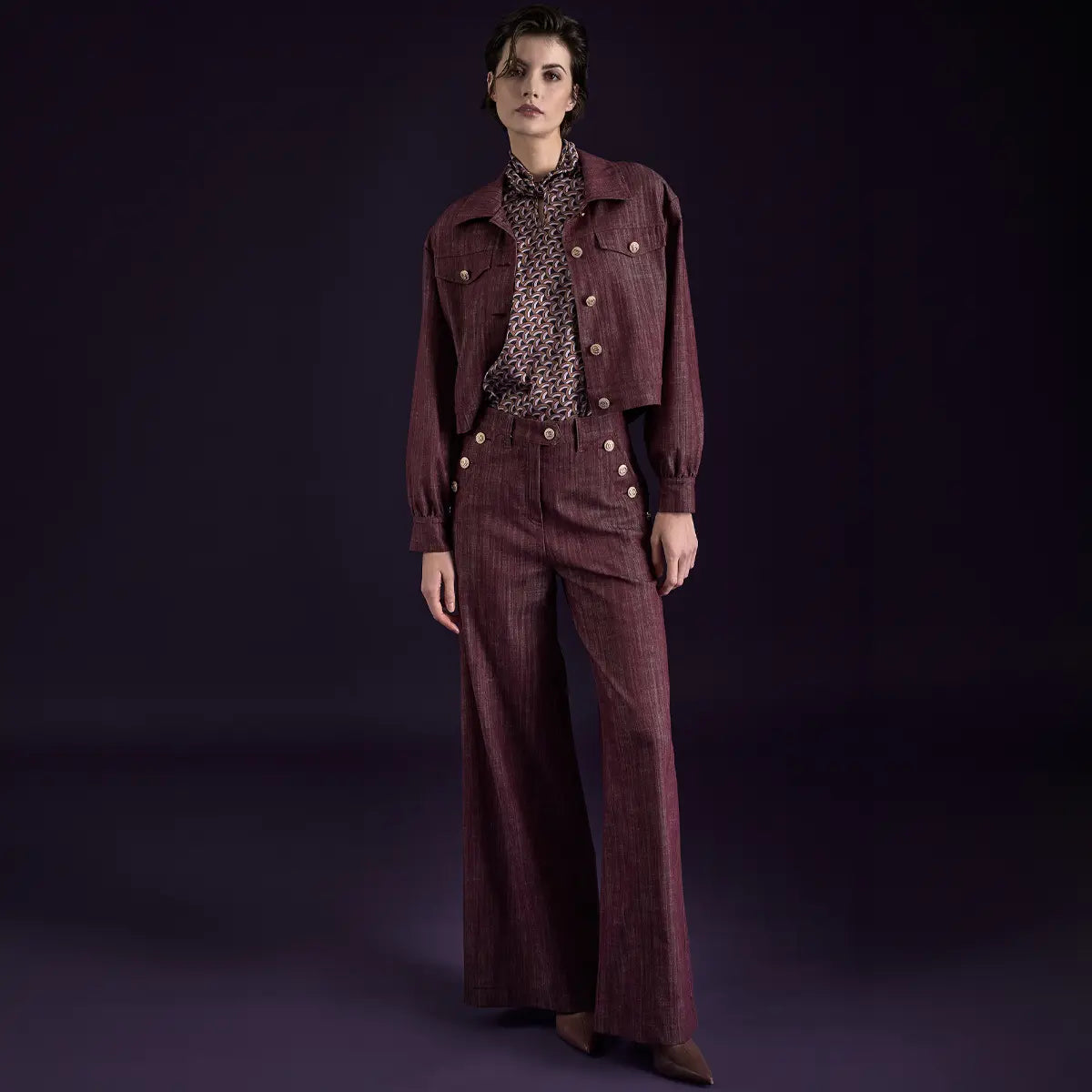
Trouser Shapes Guide
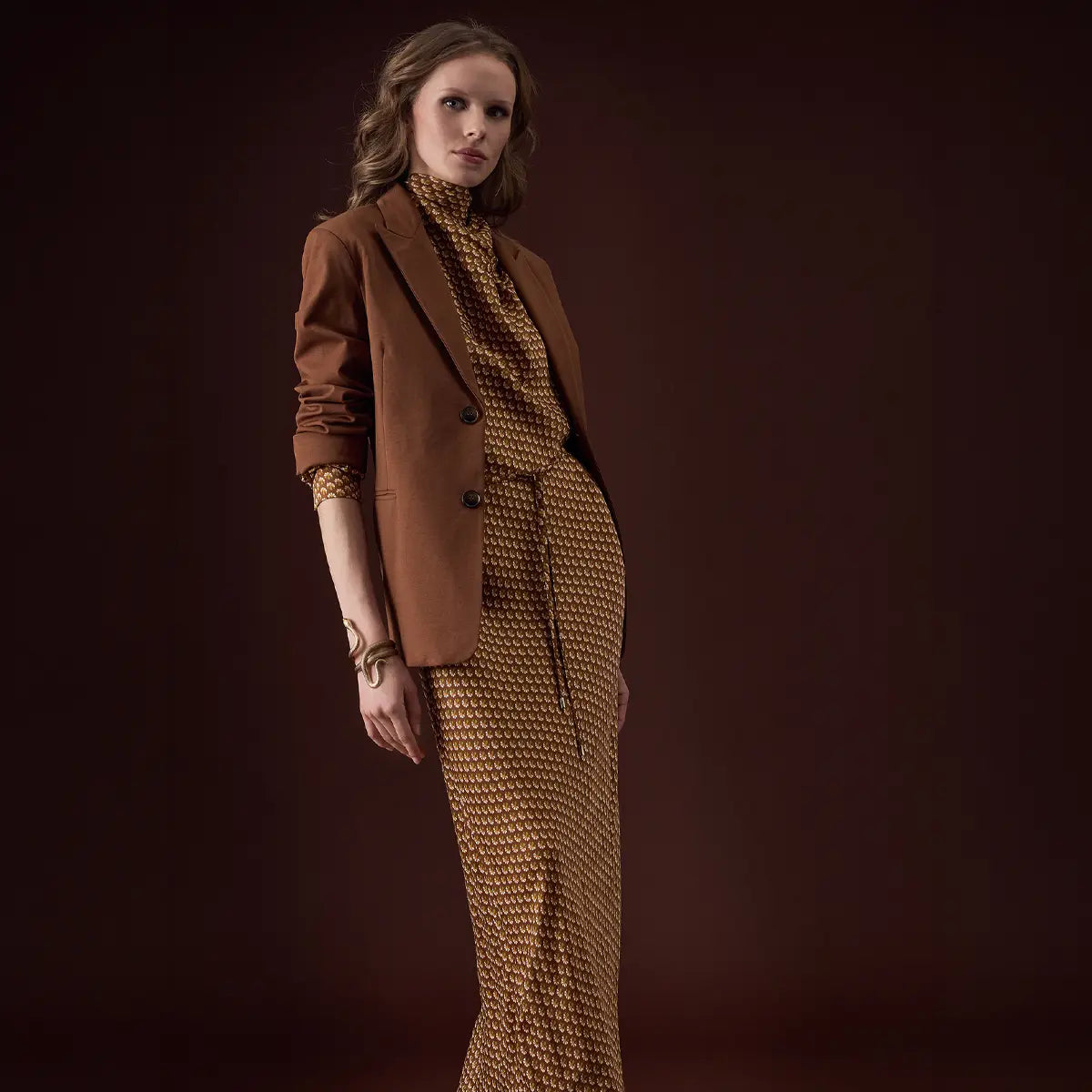
Dress Shapes Guide
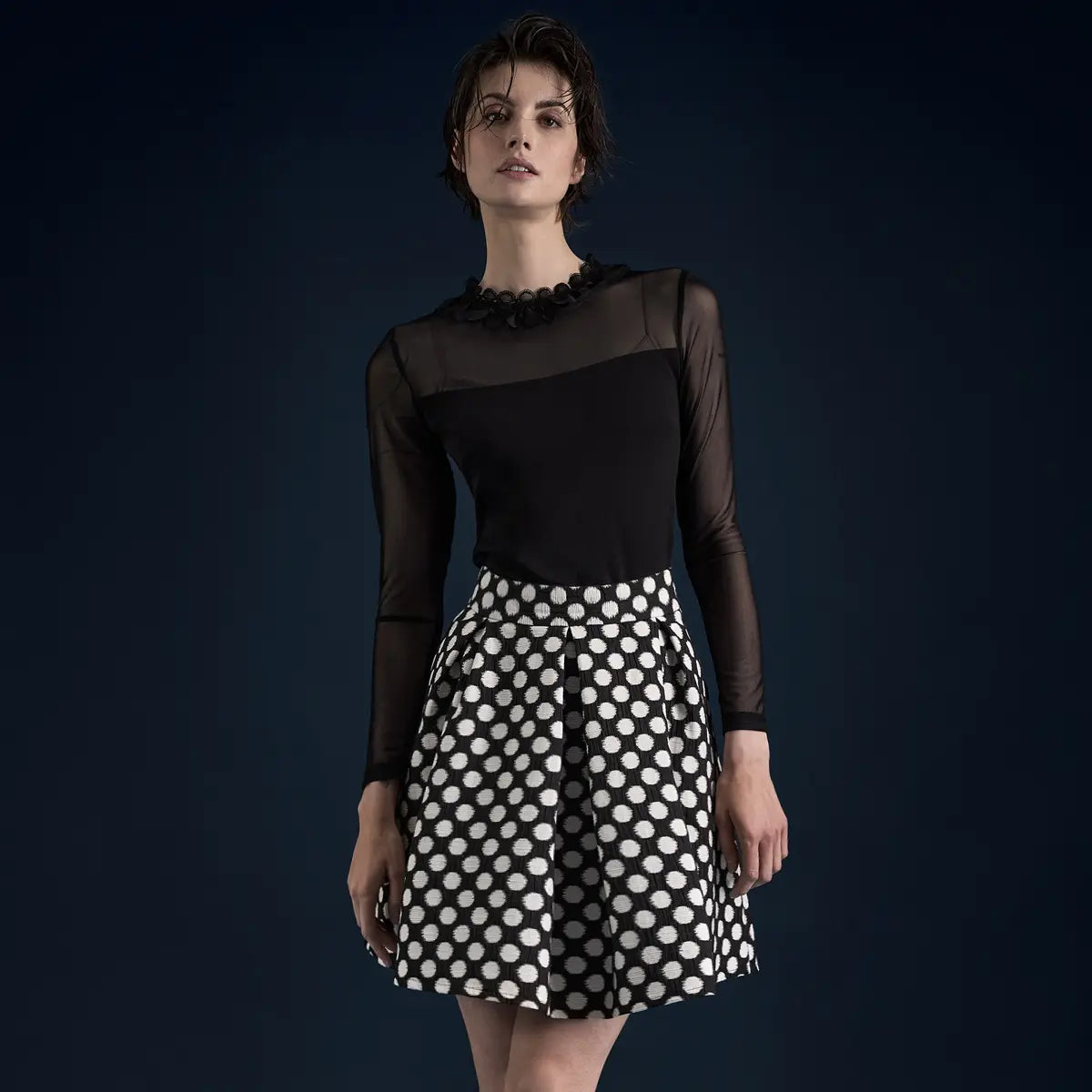
Skirt Shapes Guide
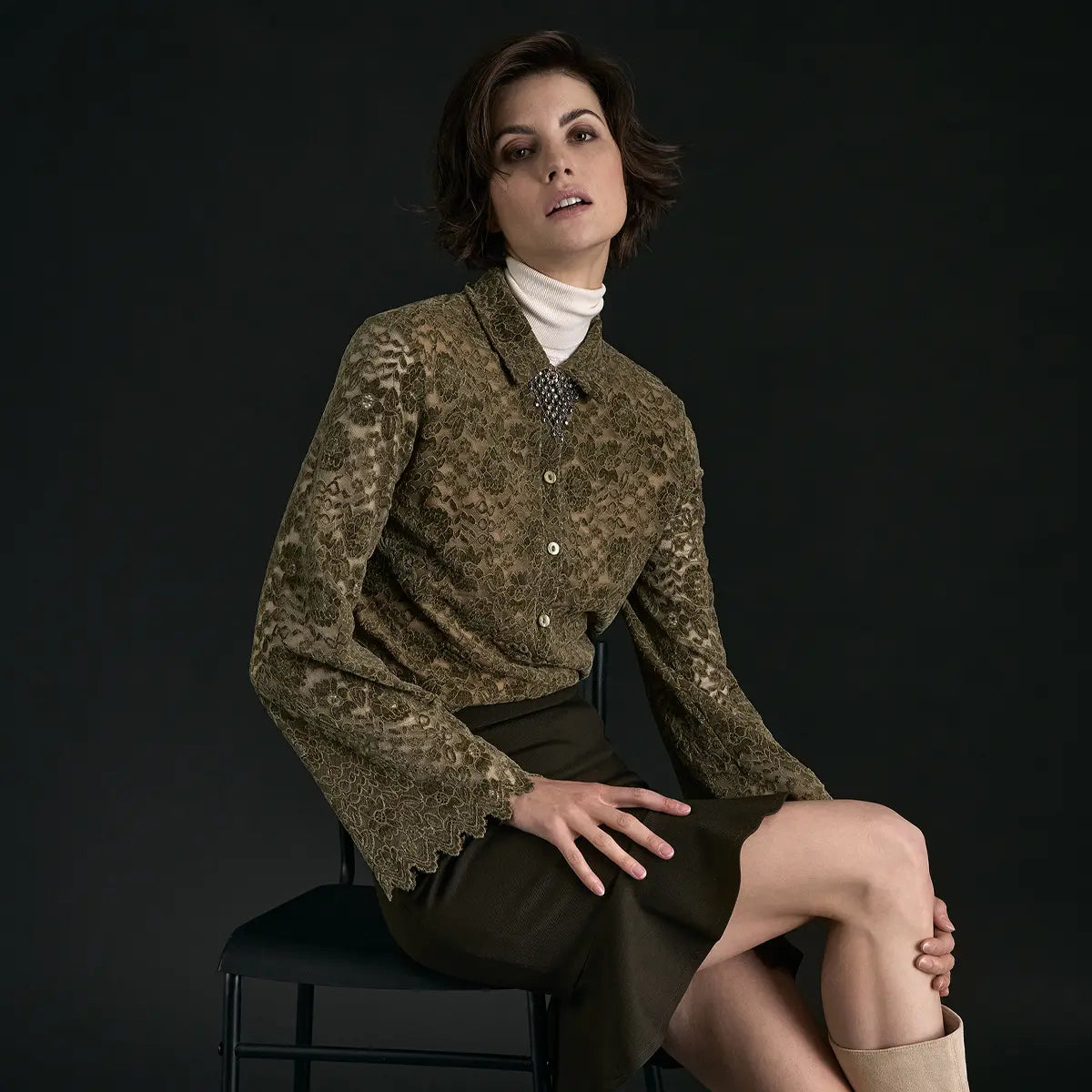
Top Form Guide
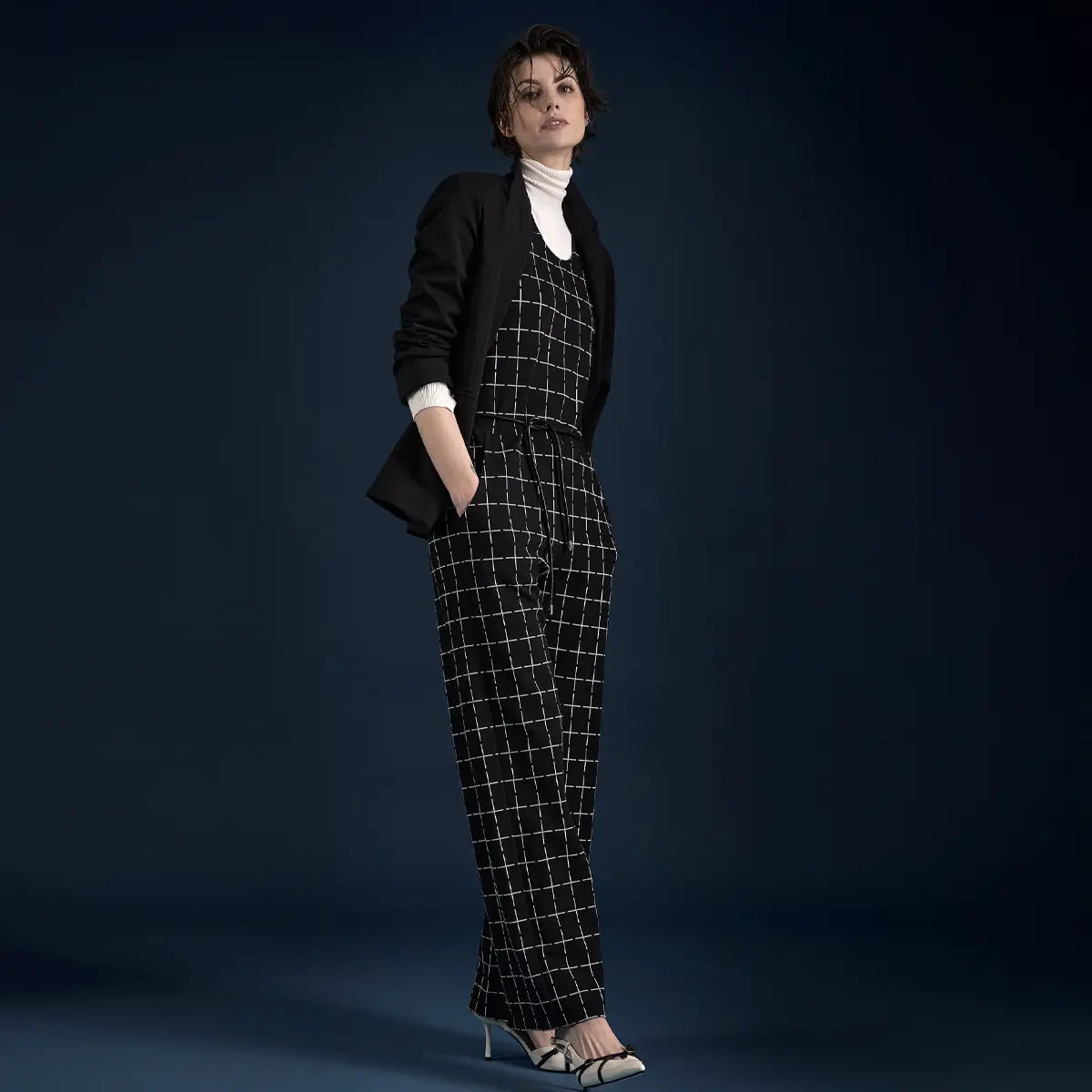
Jumpsuit Types Guide


