


Pairing Green — These Colors Go Well with Different Shades of Green
|
|
|
Time to read 10 min
|
|
|
Time to read 10 min
Green, green, green are all my clothes … That’s not quite true, but green is definitely worth investing in. Green ranks second among Germans’ favorite colors, right behind blue. What goes well with the different shades of green? Who looks good in green? How do you style green the right way? Today, it’s all about the color of hope!
Green—it symbolizes nature, vegetation, and growth, and thus, above all, hope and new beginnings; after all, the color reminds us of the first buds sprouting in spring. At the same time, however, shades of green have a calming and balancing effect —which is certainly no bad thing in complicated times. And what’s the best way to pair green? Let’s find out!
The most important shades of the green family—from fresh and spring-like to deep and mystical.
Green is a color that pairs well with many other colors. In general, colors can be combined beautifully with their complementary colors, creating an interesting color-blocking effect.
So green goes well with various shades of red, but of course also with brown, beige, and ochre.
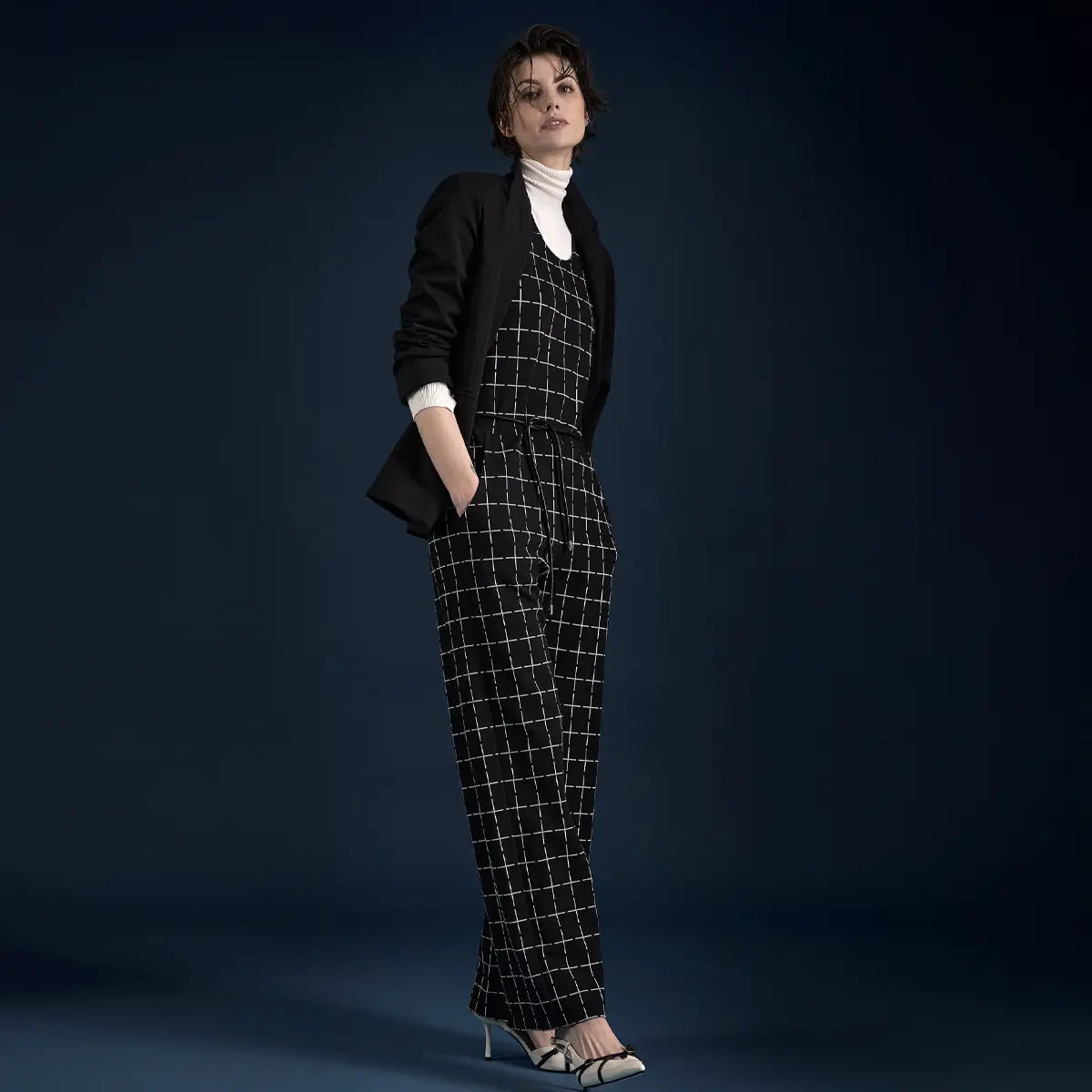
Classic spring color combinations include green and white, but green can also pair interestingly with black.
Some interesting color combinations that are also very trendy right now include green and pink, or pink and purple.
Combining shades of green and yellow—or green and blue—can be rather tricky. This requires a delicate touch; otherwise, the result can quickly look too garish.
As a general rule: The more muted a color is, the more vibrant the resulting combination can be. Also, cool colors are best paired with warm tones.
So if you have a piece in a muted shade of green, you can confidently pair it with a bold color to create a great eye-catching effect. Conversely, bright and bold shades of green, such as lime or grass green, work great with more subdued tones like brown, white, or nude.
Hover your mouse over a color—and see what green looks like when combined with that color.
Choose a color from the palette—and see right away how it looks.
Green is one of the few colors on the color wheel that has both warm and cool shades. So when combining greens, always pay attention to the undertone first: Does your green have more yellow or more blue in it? This will automatically determine which colors go well with it.
Green is generally considered a difficult color, at least when it comes to choosing what to wear. But basically, green looks good on everyone—it just depends on the right shades of green. Pastel shades of green, such as sage green, mint green, or lime green, tend to suit “spring” types with fairer skin and blonde hair, while the so-called “fall” type looks best in richer shades of green, such as pine green or olive green. "Winter" types with cool skin tones and dark hair are a perfect match for emerald green, while the classic "summer" type with warm skin tones also looks great in light shades of green.
Since red is the complementary color to green, women with red hair are a perfect match for the color green. But green also looks wonderful on blondes and brunettes. You can find detailed information in our article "Which fashion color goes with my hair color?"
Not all greens are the same— each shade has its own personality and its own perfect pairing partners. Here’s a detailed look at the most important shades of green and their best matches.
Dark green is ideal for fall and winter and pairs beautifully with red in all its shades. Bright red and pine green are a classic Christmas combination, butwine red, reddish brown, and ochre also go well with dark green. Pine green also pairs well with other bright colors, such as vibrant violet or pink.
Also applies to: Emerald green, bottle green
Light and vibrant shades of green, such as grass green, work great in tone-on-tone combinations. Pastel pink also pairs wonderfully with grass green.
Also applies to: Neon green, apple green, lime green
So-called “mud colors” remain very popular and pair wonderfully with bold, bright colors. Muted khaki or olive green, for example, pairs perfectly with vibrant pink, orange, or purple. A light blue and khaki combination is also a possibility here—a real show-stopper, so to speak.
Also applies to: Ochre, pistachio green
Mint green—or pastel green—is a classic spring color and really lifts your spirits. Mint is a cool shade of green that leans slightly toward pastel and therefore pairs well with subtle colors. Mint green looks great when paired with brown, ochre, or gray, but it also combines well with other pastel shades: Mint and lavender or mint and light blue go just as well together as mint and peach or rosé. Of course, the fresh combination of white and mint green also works great. Mint also pairs wonderfully with bold colors like violet or orange.
Also applies to: Lime green, sage green
Emerald green, bottle green, and pine green aren't strictly winter shades—when paired with cream, linen, or pastels, they work just as well in the summer. It's the choice of fabric, not the color, that makes a look seasonal.
One of the coolest trends this fall and winter is the tone-on-tone look in green. This could be a bottle-green pantsuit with matching shoes, or the layered look, which is still very much in style. The tone-on-tone look is especially cool when you combine different shades of green—for example, mixing khaki or olive green with neon green or mint green.
By the way, the color combination of green and pink has turned out to be a real eye-catcher. This combination isn’t just trending on runways around the world, but also on the streets. It’s practically obvious why green and pink are a “match made in heaven”: The combination of two bold colors that lie almost exactly opposite each other on the color spectrum is simply eye-catching. Things get exciting when muted or pastel shades are mixed with bold colors—like, for example, a pastel pistachio green paired with shocking pink.
Here are the most important rules of thumb at a glance—first, what you should do, and second, what you should avoid:
Pay attention to the undertone: Does your green have more yellow or more blue in it?
Combine muted shades of green with bold colors
Balance vibrant shades of green with subtle tones (brown, white, nude)
Style dark green with red, burgundy, or ochre for fall looks
Wear mint green with other pastel colors such as lavender, peach, or rosé
Khaki and olive green paired with pink, orange, or light blue for bold looks
Mix different shades of green for a complete look
Deliberately Use Red, the Complementary Color, as an Accent
Mixing bright green with bright yellow —that can quickly look garish
Mixing warm and cool shades of green without a specific plan
Avoid choosing pastel shades of green if you're an "autumn" type —they make you look sallow
Combining fir green with bright blue — contrast instead of harmony
All the pieces are the same shade of green —it lacks depth
Interpreting khaki exclusively as a military look
A head-to-toe look without mixing materials — gets boring quickly
My conclusion: Green is one of the most versatile colors there is—but only if you’re open to exploring its nuances. If you just think “green,” you’re missing out on 80 percent of the possibilities. If you understand the difference between mint and emerald, between khaki and pine green, you’ll have a statement piece on hand for every season.
The secret: First, decide on the undertone, then choose the color to pair with it. And don't be afraid of complementary colors—green and red, or green and pink, can look beautiful when the shades are coordinated.
The complementary color to green is red. The two colors lie directly opposite each other on the color wheel and, when combined, create a strong, vibrant contrast. Make sure the shades are well-coordinated: A bright grass green harmonizes better with a cool cherry red, while pine green works particularly well with a warm wine red.
Yes, absolutely. Black and green is an elegant combination that looks especially beautiful with shades of emerald and bottle green. The key is to make sure that green remains the dominant element—black serves more as an anchor here, perhaps in the form of shoes, a bag, or a blazer.
For fair, somewhat cool-toned skin, cool shades of green like mint green, sage green, or emerald work best. Warm shades of green, such as olive green or khaki, can quickly make pale skin look sallow. If you still want to wear them, pair them with a cool accent near your face—such as a white scarf.
Generally speaking, yes, but with a light touch. Shades of green and blue are close to each other on the color wheel and can quickly appear too ambiguous. Go for clear contrasts: dark pine green with light denim blue, for example, or mint green with bold royal blue. Avoid placing similarly light shades next to each other.
The five most important shades of green are: pine green (fall/winter, very elegant), emerald green (festive, sophisticated), olive green/khaki (suitable for everyday wear, casual), mint green/pastel green (spring, fresh), and grass green (bold, daring). With these five, you’ll have the perfect option for every season and every occasion.
Viviane Rittersporn
Since 2004, I have been working as an online editor for various blogs, magazines, and publications focusing on fashion, lifestyle, and travel. I have been contributing my expertise to the Ana Alcazar team since 2011. At Ana Alcazar Magazine, I am responsible for identifying topics and strategically revising content.
Sometimes a story needs more than a photo can convey. That’s why some of the images in this article were created using artificial intelligence (AI)—curated, inspiring, and always in the spirit of “Wear your Story.” The AI-generated images are clearly labeled next to each photo.
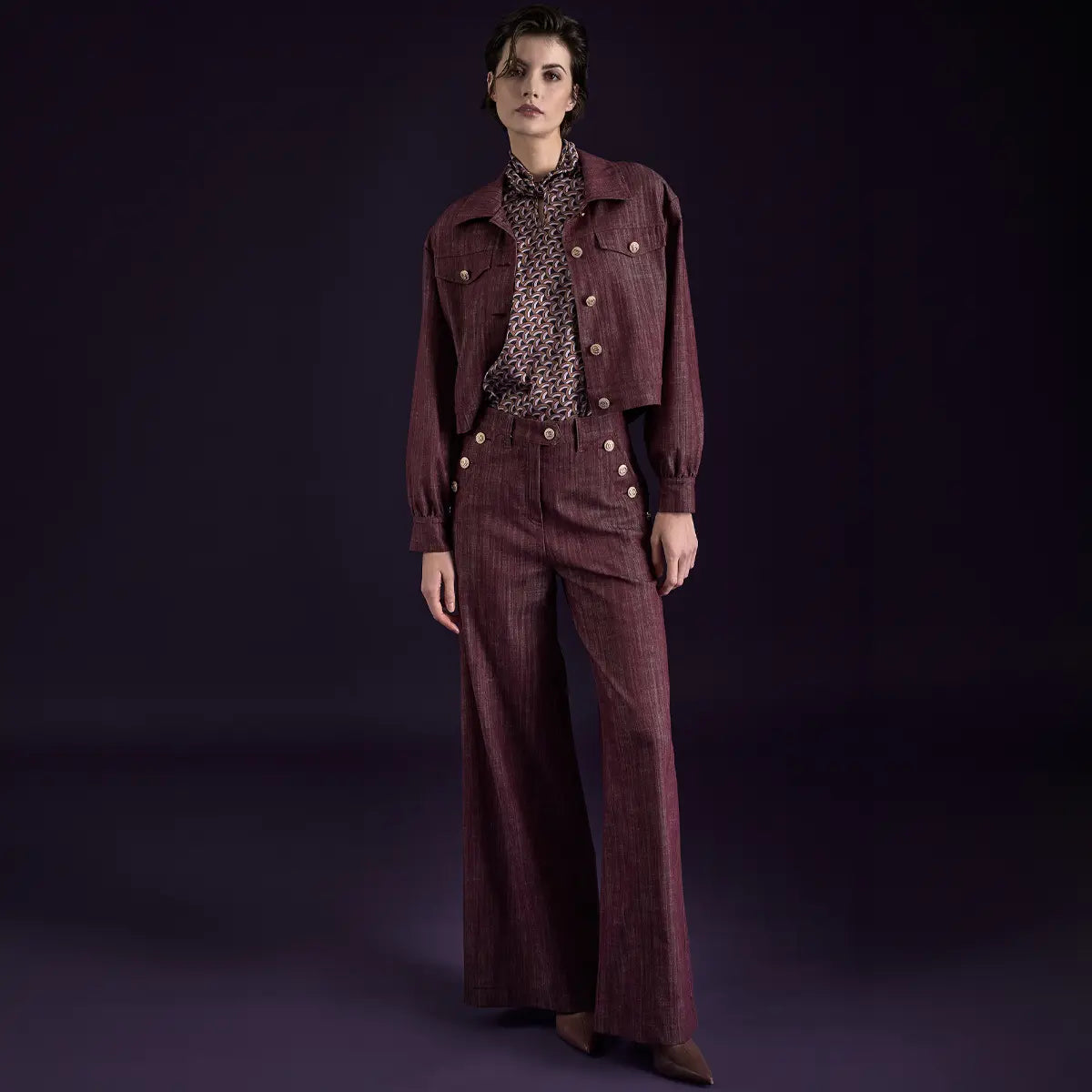
Trouser Shapes Guide
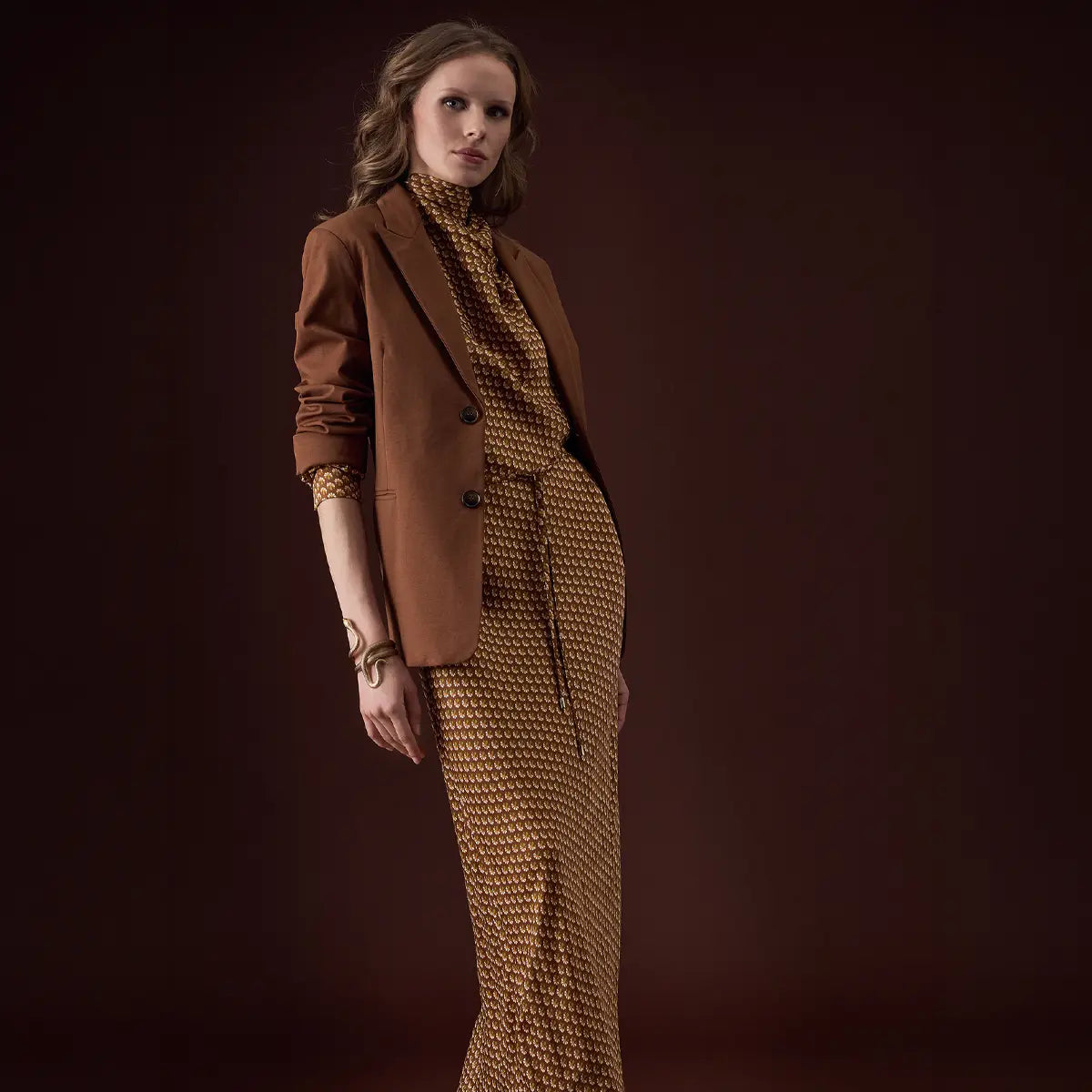
Dress Shapes Guide
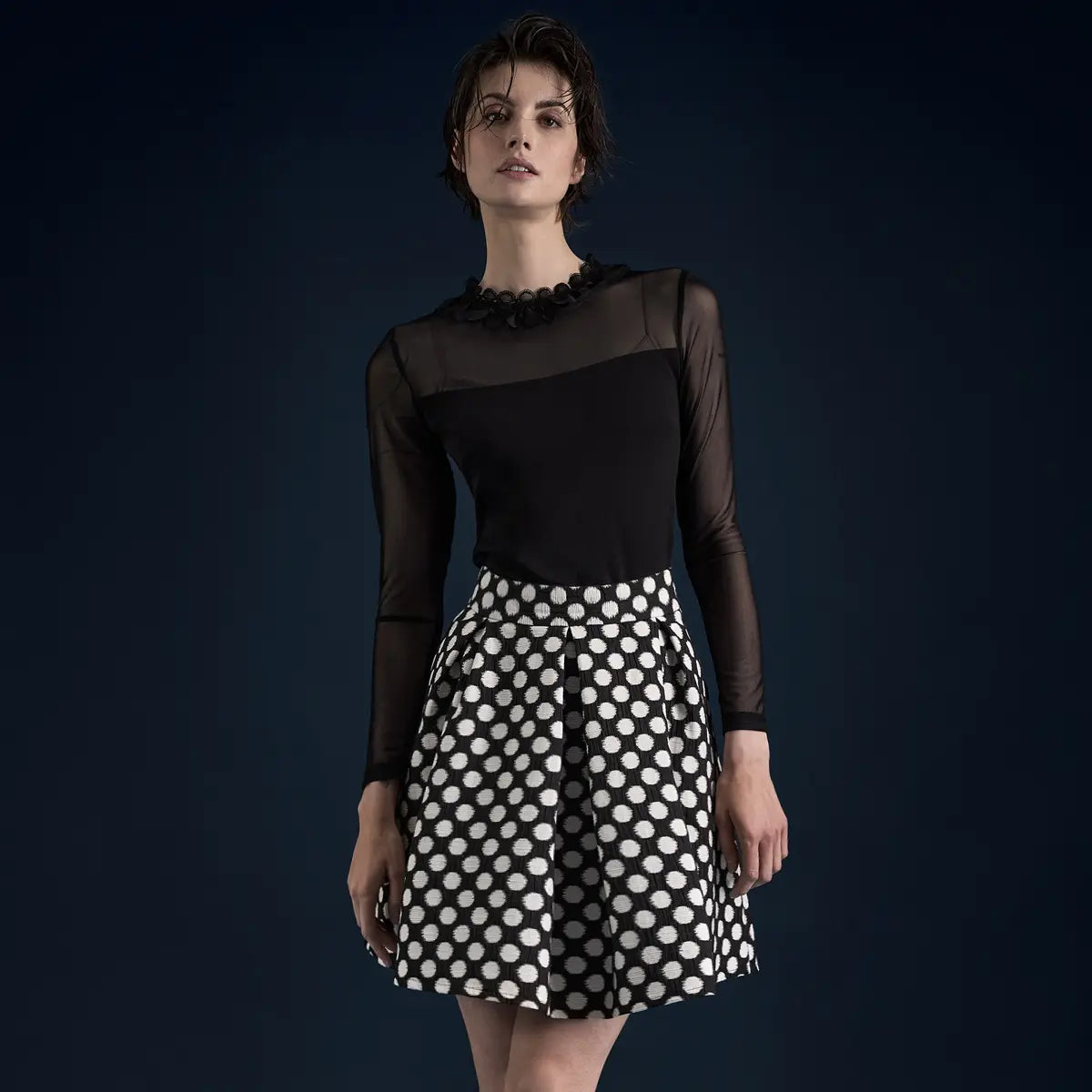
Skirt Shapes Guide
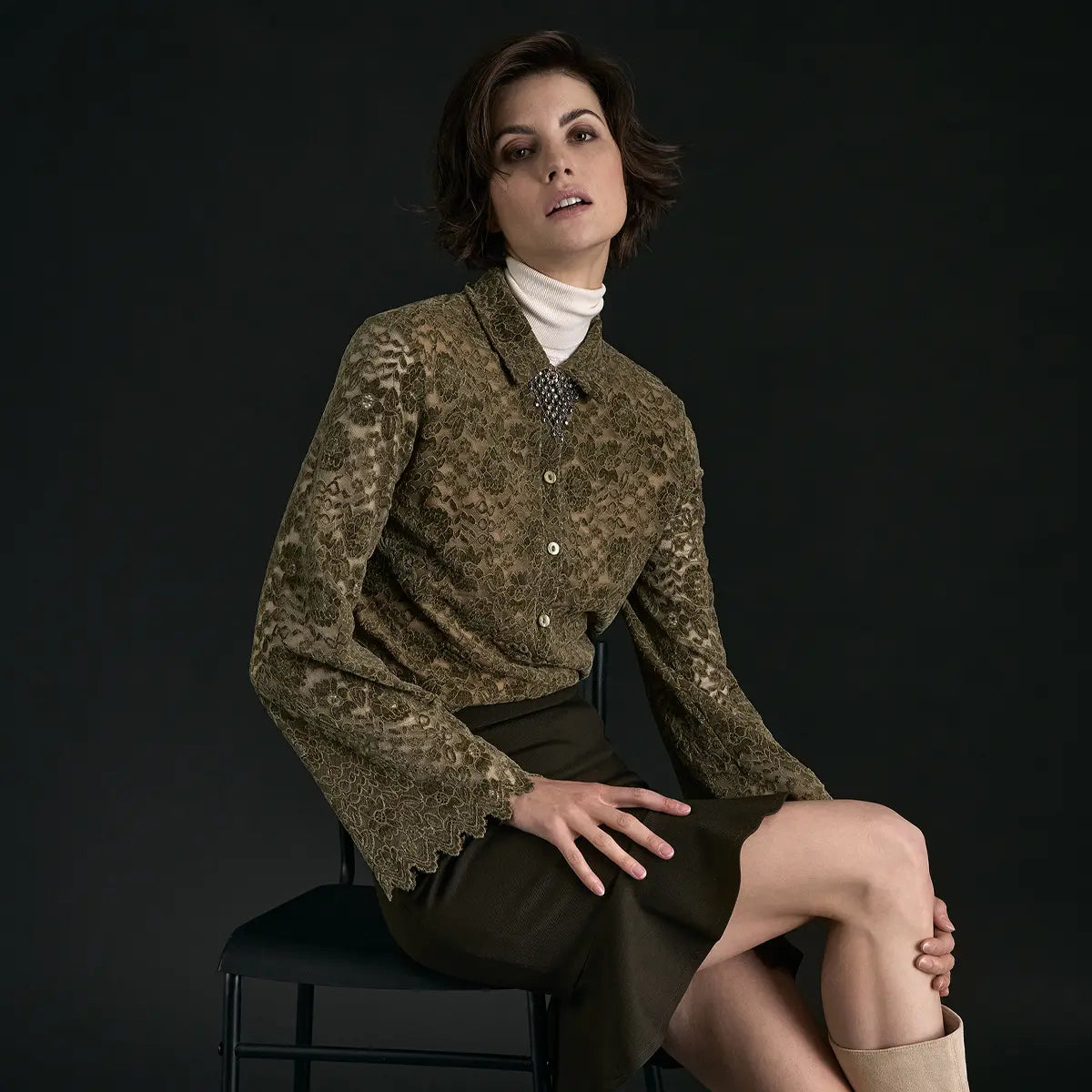
Top Form Guide
Jumpsuit Types Guide


