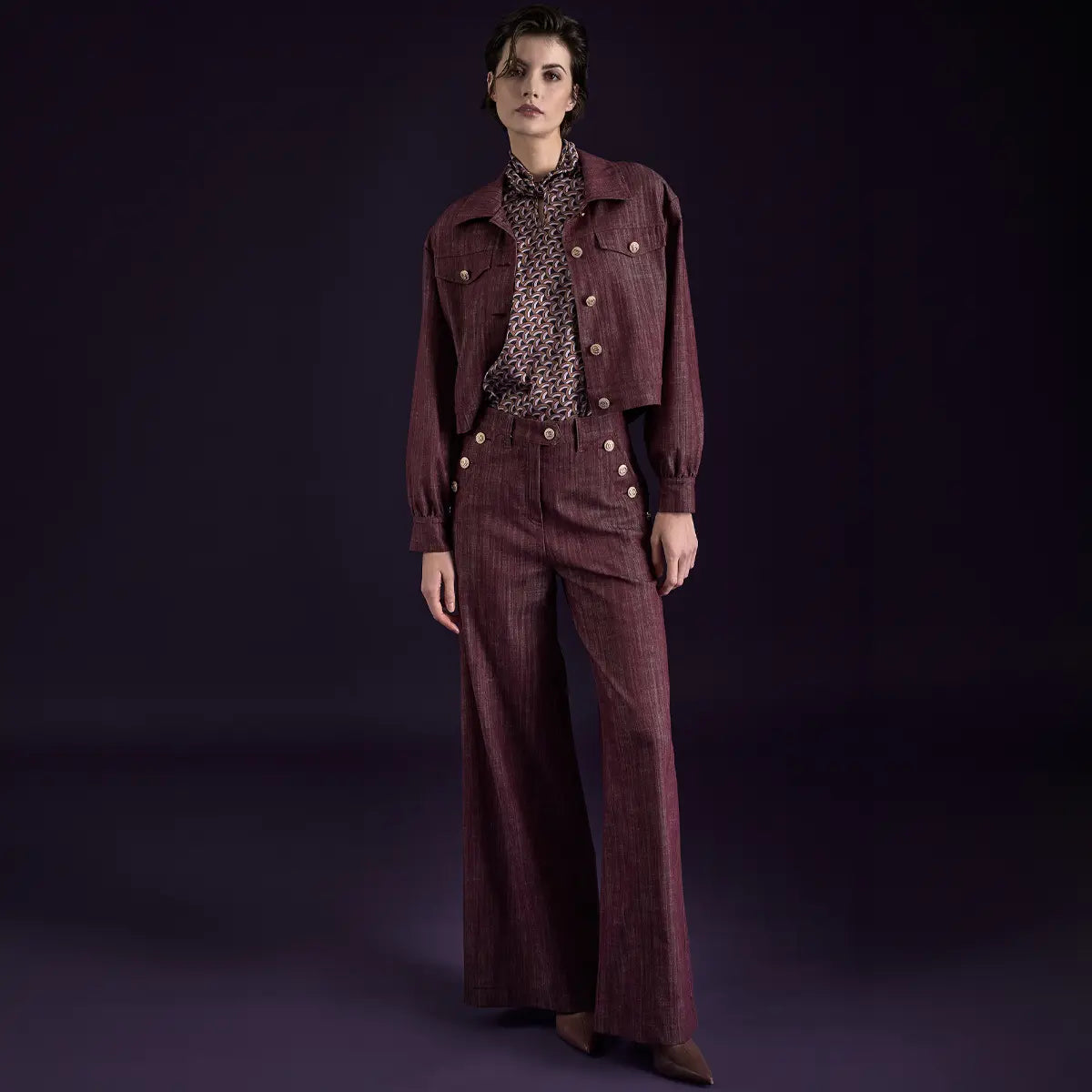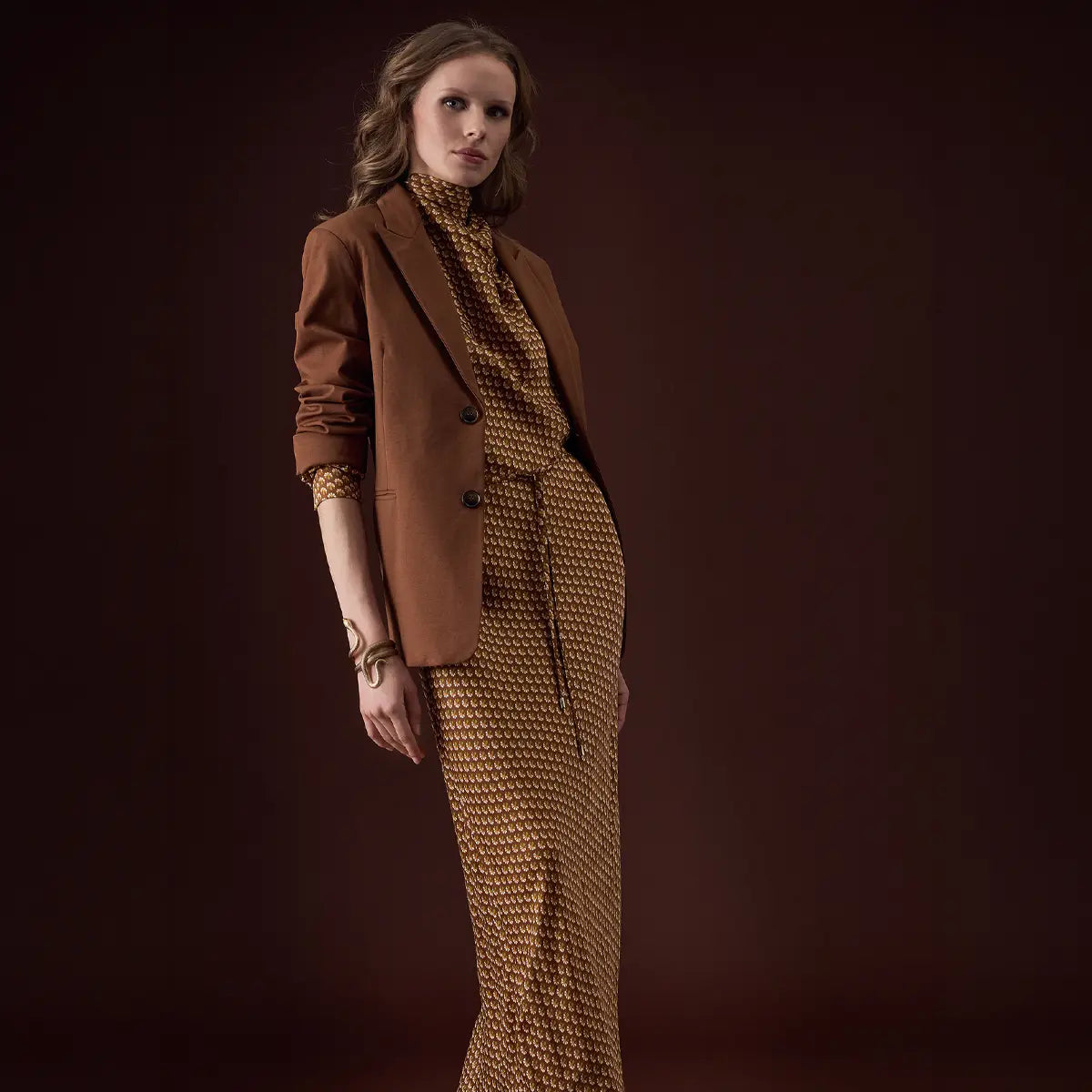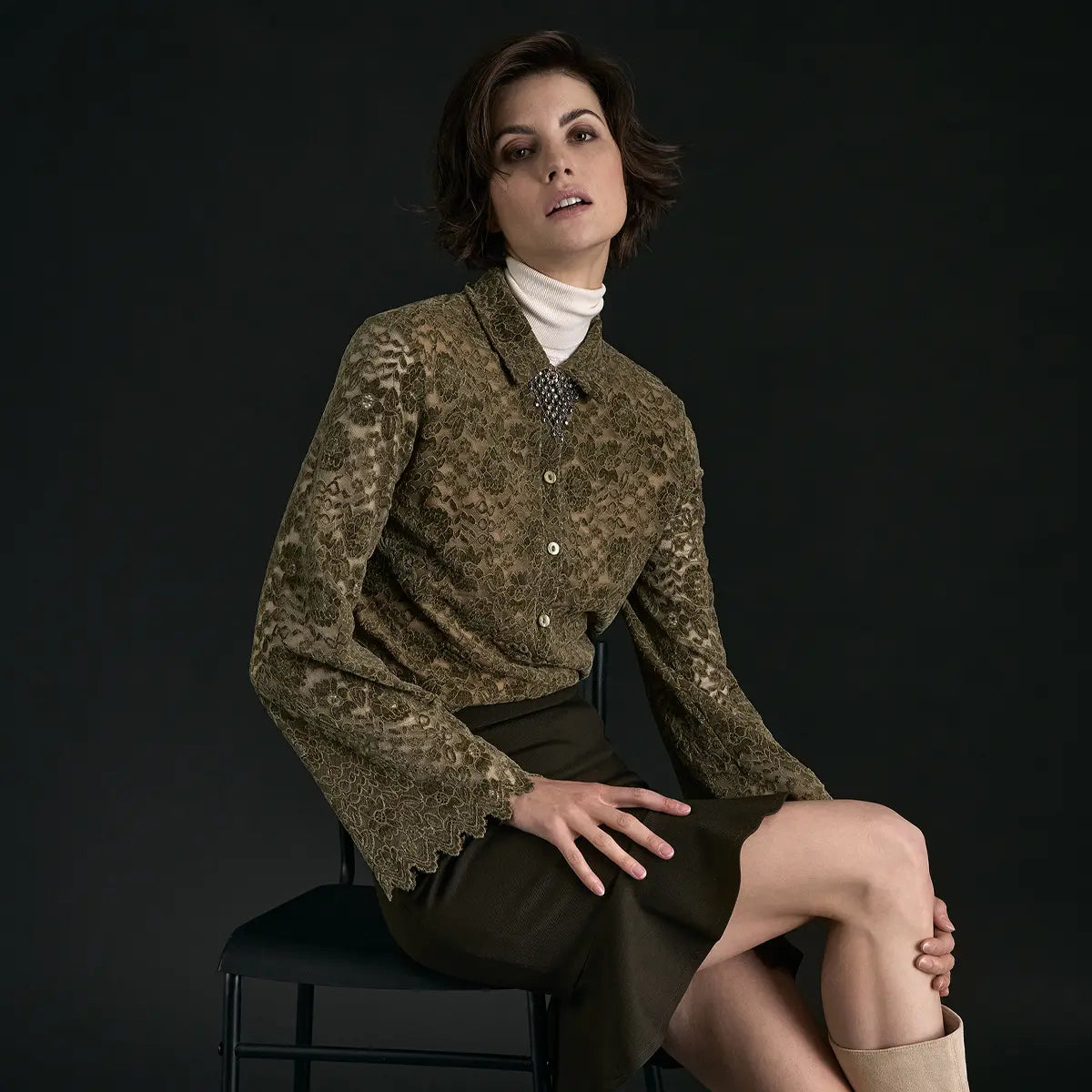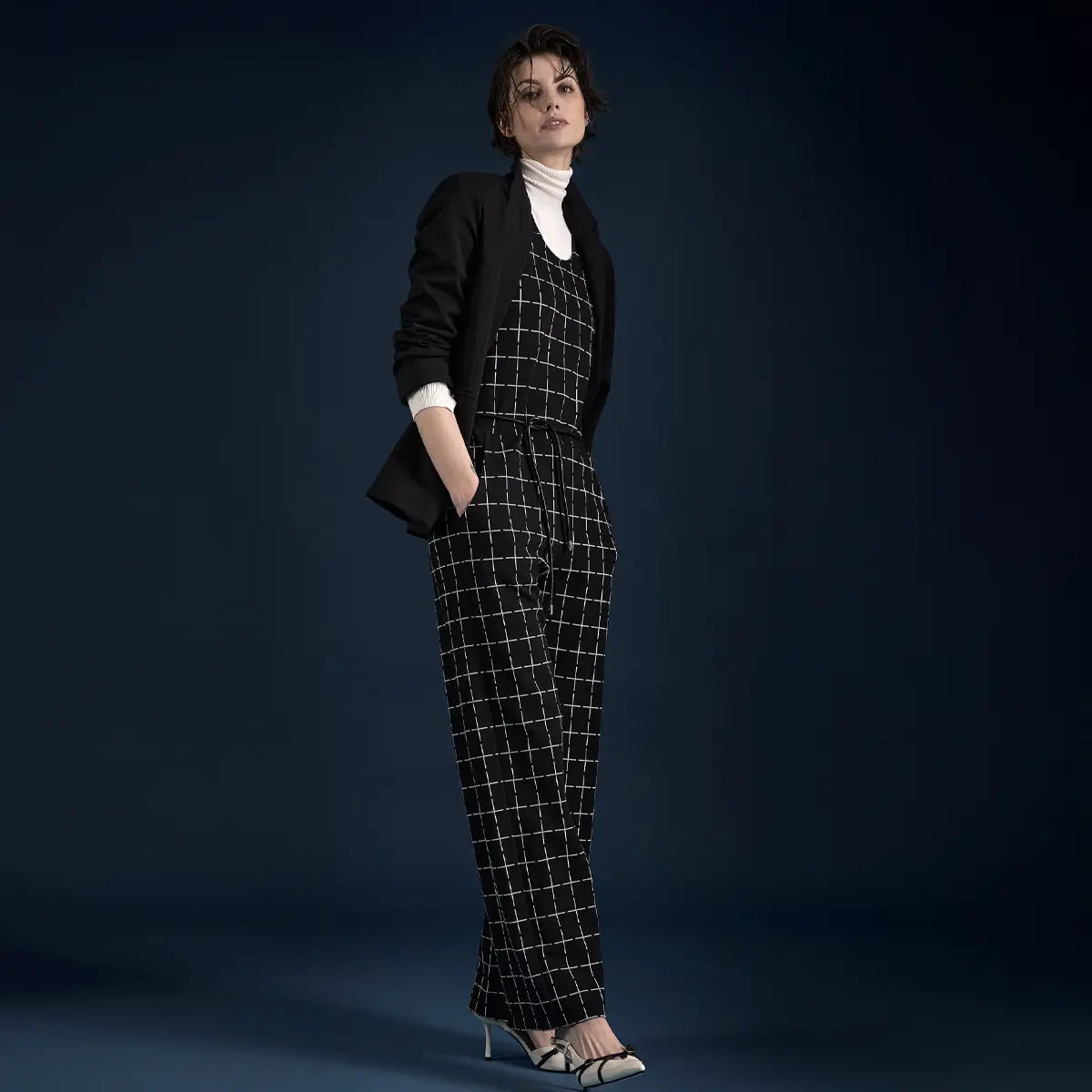


A camouflage color that has made its way into street style and onto the runways—khaki has become an indispensable part of fashion. But the shade actually comes from a completely different world: the military. Today, this former camouflage shade is a favorite of the “quiet luxury” trend, combining casual chic with timeless elegance. We’ll show you how to style khaki with flair.
In this guide:
Khaki — From Camouflage Color to Fashion Classic
In the 19th century, the British Army wanted to reform its uniforms, which had previously been red. It sought a color that would blend well with the dusty conditions on the subcontinent, particularly in its Indian colonies. This also explains the name: The term “khaki” is derived from Persian and means something like “dust” or “earthy” —perhaps because, from a distance, the natural shade looks like a white dusted with sand. Pure camouflage! Step by step, the development process gradually refined the shade, which has long since shed its military image.
What shades of khaki are there?
The key shades of the khaki family—from light sand to deep military green.
Light Khaki
#D4C896
Sandy and summery
Sand Khaki
#B8A878
Warm and natural
Classic Khaki
#8A8651
Timeless and versatile
Safari
#7B7D4E
Adventurous and earthy
Military
#5C6644
Sturdy and cool
Dark Khaki
#3F4730
Deep and wintry
What exactly is khaki made of?
Khaki is based on a greenish yellow. A minimal amount of black is added to it. Compared to beige, which has a reddish hue, khaki has a greenish tint. Ultimately, however, khaki comes in many subtle variations, with some leaning toward brown and others appearing more green.
Khaki & Olive — Here's the Difference
Khaki is often confused with olive green. But that's incorrect, since they belong to two different color families. Did you know that? Khaki is composed of 80% yellow and 20% black (CMYK model). And as the name suggests, olive green has a high proportion of green, so it's a relatively dark shade of green.

Head-to-toe in the same shade—khaki in "quiet luxury" mode. @KI-Illustration
Basics: Khaki
The Effect of Khaki
At first glance, khaki appears neutral, which stems from its origins as a camouflage color. This camouflage shade naturally exudes calm and balance and is said to promote concentration and focus. Khaki is also often associated with down-to-earthness. Because it’s used in workwear and uniforms, the color also symbolizes very practical qualities. Khaki embodies attributes such as reliability and seriousness, as well as a certain timelessness— certainly in part because this rather understated color doesn’t polarize or evoke strong emotions.
Complementary color to khaki
Complementary colors are directly opposite each other on the color wheel and therefore create a particularly strong contrast. In the case of khaki, these are red, magenta, and violet.
How to Style Khaki (Interactive)
Hover your mouse over a color — and see how khaki looks when paired with that color.
Give it a try: What color goes well with khaki?
Choose a color from the palette—and see right away how it looks.
Khaki
#8A8651
Tone-on-tone
Khaki green
#9B9B5C
Khaki Brown
#7A6B42
Dark Khaki
#5C5A38
Khakia Ash
#6A6850
Khakiwarm
#8A7848
Olive green
#6B7240
Classic
Cream
#EFE4CA
Beige
#D4C5A8
Camel
#C9A88A
Light Gray
#C0C2C8
White
#FAFAFA
Black
#0A0A0A
Statement
Navy
#1F2A3A
Red
#C13E3E
Bordeaux
#6B1D2F
Purple
#7B3F8F
Mustard yellow
#C9942E
Pink
#E83870
Who looks good in khaki?
Spring Types have something to look forward to. Khaki is practically made for them and is a perfect match. Do you have a fair to golden complexion and reddish hair? Then khaki is right up your alley. But this natural shade also flatters fair-skinned people with blonde or light brown hair. The Celtic type—with red hair and a fair complexion—looks fantastic in an all-over khaki look.
But there’s also a khaki shade that works for summer, fall, andwinter types. The most important factor is your skin’s undertone. If your skin has a yellowish undertone, lighter khaki shades that lean toward beige are the best choice. If you have a cooler, bluish undertone, the khaki shade should lean more toward green and have a slightly cooler appearance. If you have brown hair and a darker complexion, simply opt for dark, grayish khaki shades with an ashy undertone.
Good to know: Not all khaki is the same
The right shade of khaki determines how the look will appear on you. Light khaki-beige for warm skin tones, cool khaki-green for cool undertones, and grayish-ash khaki for darker complexions. For head-to-toe looks, the rule is: all pieces should have the same undertone—otherwise, the harmony is thrown off.
Color combinations we love to see
Khaki is one of the most versatile natural colors there is—there’s hardly any other shade that’s so easy to pair with other colors. Here’s a closer look at the best styling combinations.
Combining Khaki and Pink
Pink, as a delicate and often powdery accent color, gives khaki a playful, soft, and feminine twist. In this successful pairing, the former military vibe gives way to a hint of modern, wild romance. Khaki makes pink shine. Still, the overall look remains fresh and cool—without being overly cute. Add the finishing touch to the look with gold bangles or a statement necklace.

Khaki makes the powder pink pop—romance with a cool edge. @KI-Illustration
Combining Khaki and Beige
Pure harmony — Khaki and beige are both subtle and understated natural shades. No wonder these shades go so well together—after all, they both contain yellow. When paired, they create classy looks that are stylish yet casual.

Two earth tones, one harmonious look—classy yet totally casual. @KI-Illustration
Combining Khaki and Blue
Blue reignites the potential of khaki and adds a tasteful, sophisticated touch to an outfit—perfect for formal occasions. The clean lines that characterize shades of blue instantly elevate khaki to a business setting. Dark navy blue, for example, looks particularly sophisticated paired with a khaki blazer—creating a stylish look.

Navy brings khaki to the office—professional, clean, and tasteful. @AI illustration
Combining Khaki and Gray
Elegant and minimalist —if you want to play it safe, pair khaki with gray. Gray has a way of bringing out the sophisticated side of khaki. Since both shades are very understated, it’s often worth introducing a third shade or incorporating accessories. Metallic accessories go particularly well with this look.

Gray showcases the sophisticated side of khaki—minimalist and refined. @KI-Illustration
Discover khaki dresses at
Style Highlight: All-Over Khaki Look
Fashion experts are leading the way: fashion classics like coats, blazers, and blouses are now being showcased in khaki—a shade once reserved for military and casual wear. For an all-over look, there are two options: either stick to one shade of khaki and pair a jumpsuit with a matching jacket, or mix shades within the outfit. Cargo pants and a top in a lighter khaki paired with a slightly darker bomber jacket work well for this. Thanks to its understated nature, khaki also fits well into the “quiet luxury” trend —as a complete look consisting of a coat, a lighter-colored dress, and a matching scarf. For any outfit featuring different shades, the color’s undertone plays a crucial role. This undertone should be consistent across all pieces. Different textures, skillful layering, and interesting silhouettes are a must for head-to-toe khaki looks.

Khaki from head to toe—shades, textures, a statement. @KI-Illustration
Khaki Looks — How to Style Different Pieces
How to Style Khaki Pants
There isn't just one type of khaki pants—on the contrary, there's a wide selection of styles to choose from. Whether they're pleated, Marlene-style, or cargo pants—with the right style, you'll be perfectly dressed for a variety of occasions.
A classic office look is a pair of khaki pleated pants paired with a simple white top and a black blazer. For a touch of freshness, try blouses in pink or light blue. Do you prefer a more casual look? Then choose khaki cargo pants and pair them with a black shirt and a faux leather jacket for a nod to the classic military look. The standout look is definitely a tone-on-tone combination of khaki pants and a blouse, paired with a jacket in a complementary shade with the same undertone.
How to Style Khaki Tops (Blazers, Jackets, Blouses)
Khaki-colored tops—whether they’re T-shirts, blazers, or blouses—are a perfect match for denim. Pairing these two classics creates a look that’s undeniably timeless. Pair your boyfriend jeans with a simple khaki long-sleeve top and sneakers—and you’ve got an inimitably casual look. If you want something a little more elegant, choose a khaki blazer and wear a shirt in a fresh color underneath. How about pink or rose? Of course, tops in pastel shades or black and white also go well under the blazer. If your khaki blouse has a warm undertone, skirts and pants in colors like curry or burgundy make ideal pairings.
How to Style a Khaki Dress
Khaki dresses often come in shirtdress styles, but they’re also increasingly making their way into summer and evening wardrobes.Shirtdresses,in particular, can also be worn over jeans in the spring or fall. Denim is a great choice here, too. Pair it with a denim jacket, suede booties, or sneakers to create a stylish yet relaxed outfit. For a fresh touch, add a silk scarf or a colorful neckerchief. If you want to give the look an “elegant” twist, pair it with a black or dark blue blazer and a waist belt.
If your dress is a more elegant, long style, you can add a touch of glamour with gold jewelry and matching heels. Since khaki is a neutral camouflage shade, you have the opportunity to make a statement with coordinating accessories—belts, jewelry, and a matching bag, hat, or beret can have a significant impact on the style of your outfit. For colder temperatures, both a long camel coat and a trench coat work well. When it comes to color accents, white and cream, as well as bold shades, always go well with khaki.
Tip:Animal prints like zebra, leopard, or snake are perfect for the camouflage trend.
A Quick Summary: Dos and Don'ts for Styling Khaki
Pairing khaki with classic neutrals: White, Black, Beige, Gray, and Navy
Go for contrasts to get a burst of freshness: Orange, red, or pastel shades like pink and light blue
Create tone-on-tone layered looks with different textures
Pairing Khaki with Animal Prints — Zebra, Leopard, or Snake
Go for gold jewelry —it adds a touch of style to your look
For all-over looks, choose the same undertone for all pieces
Denim as a versatile pairing for khaki tops — it always works
Don'ts
Wearing shiny fabrics like satin with a khaki look — it ruins the natural vibe
Combining Multiple Camouflage Patterns in One Outfit
Mixing khaki and olive green in one outfit — there's a lack of contrast here
A poor fit in khaki clothing — can quickly look sloppy
Choose several pieces in neon colors or bold shades to pair with khaki
Ignore the undertone when going for an all-over look— all pieces need to have the same undertone
My conclusion: Khaki is the understated “cool girl” shade among colors. From military to a “quiet luxury” favorite— hardly any other color has undergone such an exciting image transformation. Khaki pairs well with almost anything, from soft pink to dark navy blue, from animal prints to pastel shades.
The secret: The undertone is everything. Warm khaki with a yellowish tint for warm skin tones, cool khaki with a greenish tint for cool undertones. For all-over looks, be sure to stick to a consistent undertone—otherwise, the harmony will be thrown off. And: Khaki and olive green are not the same thing! These two color families don’t belong in the same outfit. Khaki is the secret queen of earth tones—confident, versatile, and never overpowering.
Fun Facts and Interesting Information About Khaki
- Khaki comes from Hindi/Urdu and literally means “earth-colored” —derived from “khak” (dust, earth). In 1846, British officer Sir Harry Lumsden had his soldiers in India wear this color for the first time because the red British uniforms were too conspicuous. The dusty, earth-toned color made the soldiers invisible—the first “camouflage color” in military history.
- The safari look of the 1960s made khaki socially acceptable for the first time —Yves Saint Laurent presented his famous “Saharienne” jacket in khaki in 1968 and revolutionized women’s fashion. Suddenly, the military color became a symbol of adventure, elegance, and independence (think“Out of Africa” ).
- Khaki is the only color whose name is the same in almost every language —from German to French, Spanish, Russian, and Japanese, it is called “khaki” or “kaki.” This makes it the most globally recognized color in the world.
- The “khaki suit” is part of the British royal family’s uniform —Prince William and Prince Harry are almost exclusively seen wearing khaki on their trips to Africa—a deliberate nod to the colonial safari aesthetic, which has, however, come under increasing scrutiny in recent years.
- “Khakigate”—the first fashion scandal in politics —In 2014, U.S. President Barack Obama wore a khaki-colored suit at a press conference on the Syrian crisis. The outrage in conservative media was so great that it went down in history as “Tan Suitgate.” The criticism: too casual, not presidential enough.
You ask, we answer — frequently asked questions about styling khaki
What is the difference between khaki and olive green?
Khaki and olive green belong to two different color families—even though they look similar at first glance. Khaki is composed of 80% yellow and 20% black (CMYK model), so it is a yellowish gray-brown. Olive green, on the other hand, has a high green component and is a dark shade of green. Important: Khaki and olive green should not be combined in the same outfit—there isn’t enough contrast.
What is the complementary color to khaki?
Red, magenta, and violet are the complementary colors to khaki. They lie directly opposite each other on the color wheel and create a particularly strong contrast—ideal for statement looks. A pair of khaki pants with a dark red top or a plum-colored blouse paired with a khaki blazer instantly creates a bold accent.
Which shade of khaki looks best on me with dark hair?
For dark hair and a darker complexion, dark grayish khaki shades with an ashy undertone work particularly well. For warm, dark skin, opt for warmer khaki tones that lean toward brown. For cooler, darker skin tones, choose khaki with a distinct greenish tint. There’s no one-size-fits-all khaki solution—the undertone is always the deciding factor.
Can I wear khaki to work?
Yes, absolutely. Khaki pleated pants paired with a white top and a black blazer are a perfect office classic. A khaki blazer with dark blue pants also looks professional and stylish. Just avoid cargo pants or pieces with an overt military look in a business setting—those are better suited for leisure.
What shoes go well with khaki?
Khaki is wonderfully versatile when it comes to shoes: sneakers for casual everyday wear, suede booties for transitional looks, loafers for the office, and heels for elegant occasions. Cowboy booties also pair beautifully with khaki. When it comes to colors, black, camel, cognac, or white work well. Tip: Gold accessories on your shoes—buckles or details—look especially beautiful with this warm shade of khaki.

Christine Schmitz
My love for fashion and communication led me to Ana Alcazar—having cut my teeth as a copywriter and concept developer in traditional advertising, I’ve been writing for our Munich-based designer label for over 10 years. On the editorial team, I’m responsible for all corporate topics, and I also focus on current trends and my passion: gender equality.
Between Image and History
Sometimes a story needs more than a photo can convey. That’s why some of the images in this article were created using artificial intelligence (AI)—curated, inspiring, and always in the spirit of “Wear your Story.” The AI-generated images are clearly labeled next to each photo.