


Pairing Yellow — These Colors Go Well with Different Shades of Yellow
|
|
|
Time to read 10 min
|
|
|
Time to read 10 min
“We all live in a yellow submarine,” the Beatles once sang, a line that not only made them and their music immortal but also perfectly captured the cheerful nature of the color yellow. Yellow is a signal color that immediately reminds us of sunshine, summer, and positive energy. But many people find yellow a difficult color to work with in fashion—so it’s time to shed some light on the matter!
Yellow is a warm color and is one of the three primary colors from which all other colors can be created (the other two primary colors are magenta, a darker shade of pink, and cyan, a blue with a hint of turquoise). On the color wheel, it lies directly opposite violet. There are a wide variety of shades of yellow, ranging from light pastel tones to bright neon yellow, and each shade of yellow can have a different effect. The complementary color to yellow is violet. These two colors complement each other beautifully and create a strong contrast that makes each color appear even more vibrant and deeper. When combining yellow and violet, however, care should be taken to use them in a balanced way, because both colors are so powerful that this combination can quickly appear jarring
.
The key shades of the yellow family—from powdery pastels to deep, earthy tones.
The effect of yellow can vary depending on its brightness and saturation. Light shades of yellow appear refreshing and friendly, while intense yellow appears lively and energetic. Yellow mixed with shades of orange or brown tends to look cozy and unhurried, while yellow with a greenish tint attracts attention. Precisely because of its signal effect, yellow should be used with caution, as it can be downright overwhelming in large quantities.
Yellow symbolizes optimism, happiness, and joy, but as a warning color, it can also indicate danger or toxicity. For example, wasps and hornets—as well as the poison dart frogs native to the Amazon and certain species of snakes—are yellow for a reason: They’re saying, “Caution: I’m poisonous!”In general, however, the various shades of yellow are associated with the sun and light and can have an uplifting effect on our mood. Color psychology has even found that yellow can stimulate the appetite and promote creativity. Yellow also symbolizes intellect, which is why it’s frequently used in creative industries and educational institutions
.
Hover your mouse over a color—and see what yellow looks like when combined with that color.
Choose a color from the palette—and see right away how it looks.
As a general rule: Yellow is a versatile color that—when used correctly and in the right shades—flatters many people. People with warm skin tones and dark, golden, or olive skin in particular can pull off yellow especially well. However, people with pale skin tones can also wear yellow by pairing it with cool or neutral colors to create a balanced contrast.
People with the so-called "spring" color type—that is, those with a fair complexion and light hair—look especially good in pastel shades of yellow.
Similarly, people with a "Summer" color type—that is, those with a golden skin undertone—can pull off light and vibrant shades of yellow.
The so-called "fall types"—who prefer warm, muted colors and often have reddish hair—look great in mustard yellow and other warm shades of yellow.
The Winter type, who prefers clear and cool colors and has dark hair, can wear neon yellow and other bright, cooler shades of yellow.
When it comes to yellow, the undertone is key: Warm skin tones need warm yellows (mustard yellow, corn yellow, sun yellow), while cool skin tones look best in cool yellows (lemon yellow, pastel yellow, neon yellow). If you’re unsure, hold gold and silver jewelry next to your face —whichever looks better will reveal your color type.
Not all yellows are the same— from fresh lemon yellow to warm mustard yellow to striking neon yellow, each shade has its own best matches. Here’s a detailed look at the most important shades of yellow and their best partners.
Lemon yellow is a fresh and vibrant shade with a slight greenish tint. It pairs well with white, gray, or light blue to create a bright and summery outfit. For bold looks, it can also be paired with purple to create an energetic contrast.
Mustard yellow and corn yellow are warm, cozy shades of yellow. They pair beautifully with brown, olive green, and rust red. These combinations evoke an autumnal atmosphere and are perfect for the cooler months.
Also applies to: Neon green, apple green, lime green
Pastel yellow and light yellow are soft and delicate shades. They pair beautifully with other pastel shades like lavender, mint green, or baby blue to create a feminine and harmonious outfit—but they also look wonderful as a monochromatic outfit.
Neon yellow is a striking and vibrant shade that instantly catches the eye. To draw attention to neon yellow, it should be paired with neutral colors such as white, black, or gray. A touch of neon yellow as an accent in an otherwise simple outfit can also be very effective.
These color combinations pair especially well with yellow—and create looks for a variety of occasions and moods.
This combination exudes elegance and naturalness. Yellow can be incorporated into accessories or a top, while beige serves as a neutral base to round out the look.
Yellow and blue form a classic color combination thatconveys a sense of freshness and summer. Combinations such as sun yellow and aquamarine or mustard yellow and navy blue are timeless and harmonious—but one color should dominate, while the other serves only as an accent.
This combination creates a strong contrast and exudes self-confidence. Purple can serve as an accent color to highlight the brightness of yellow. As with the combination of yellow and blue, care should be taken when pairing yellow and violet to choose one color as the dominant base color. As a general rule, the darker the violet, the more grounded and calming this combination appears.
This combination is rather difficult and has a very playful look. For this combination to work, one shade should be a pastel color, while the other can be a bit bolder.
Gray serves as an elegant counterpoint to yellow and lends the outfit a understated and calm touch. This combination is suitable for both formal and informal occasions.
Combining different shades of yellow can create a great monochromatic outfit. You can use various textures and shades to add depth to the look.
Here are the most important rules of thumb at a glance—first, what you should do, and second, what you should avoid:
Pair yellow with neutral colors such as white, gray, beige, or black to create a balanced look
Try out different shades of yellow to find your personal favorites
Make sure the shade of yellow complements your skin tone and hair type to get the most out of your outfit
When combining with other colors, always wear one shade as the dominant base color
Choose warm yellows (mustard yellow, corn yellow) for warm color types, and cool yellows ( lemon yellow, neon yellow) for cool types
Use a mix of materials: Knit with silk, cotton with linen — adds interest to monochrome looks
Gold jewelry with warm yellow tones, silver jewelry with cool shades
Wearing too many bold shades of yellow at once can quickly feel overwhelming
Combining yellow with too many other bright colors — creates a cluttered look
With yellow, go for dynamic patterns —symmetry and balance are better
Mixing warm and cool shades of yellow — disrupts the harmony
When wearing a bold yellow, add some statement accessories —the color speaks for itself
Ignoring your own color type — the wrong shade of yellow can make you look sallow
My conclusion: Yellow is the underrated sun among colors. If you’re brave enough to try it and find the right shade, you’ll get a mood boost that lasts all day. The rule of thumb: The more intense the yellow, the more neutral the accompanying colors should be—white, gray, or black let the color shine. The softer the pastel, the more you can play around with it.
The secret: Pay attention to your color type and find your shade of yellow. Mustard yellow for warm types, lemon yellow for cool types. This one decision makes or breaks the look. And then: Yellow isn't just a color—it's optimism you can wear.
Purple is the complementary color to yellow. On the color wheel, the two colors are directly opposite each other and enhance one another. However, both colors are very bold—one should dominate as the base color, while the other should be used as an accent. Otherwise, the combination can quickly appear chaotic.
Yes, but with some conditions. The key is choosing the right shade of yellow for your color type. Warm types (Spring, Fall) need warm shades of yellow, such as mustard yellow or sun yellow. Cool types (Summer, Winter) look good in lemon yellow or neon yellow. If you have a pale complexion, pairing yellow with cool or neutral colors helps create a balanced contrast.
For dark hair and a cool complexion (winter type), bold, vivid shades of yellow work especially well—lemon yellow or even neon yellow. For dark hair with a warm complexion (fall type), mustard yellow, sun yellow, or curry yellow are ideal. They accentuate the natural golden sheen in your hair.
Yes, absolutely. The trick is in the balance: A soft yellow blouse paired with a dark pantsuit looks feminine and professional. Or a pastel yellow blazer with white for a summery office look. Just avoid neon yellow and head-to-toe outfits in bold yellow for business occasions—those are better suited for leisure.
The four most important shades of yellow are: pastel yellow (delicate, spring/summer), mustard yellow (warm, year-round, versatile), lemon yellow (fresh, summery), and a bold sun- or corn-yellow for statement looks. With these four, you’ll have the perfect option for every season and every occasion.
Christine Schmitz
My love for fashion and communication led me to Ana Alcazar—having cut my teeth as a copywriter and concept developer in traditional advertising, I’ve been writing for our Munich-based designer label for over 10 years. On the editorial team, I’m responsible for all corporate topics, and I also focus on current trends and my passion: gender equality.
Sometimes a story needs more than a single photo can convey. To help you experience the full atmosphere of each look, some of the images in this article may have been created using AI—curated, inspiring, and always in the spirit of “Wear your Story.”
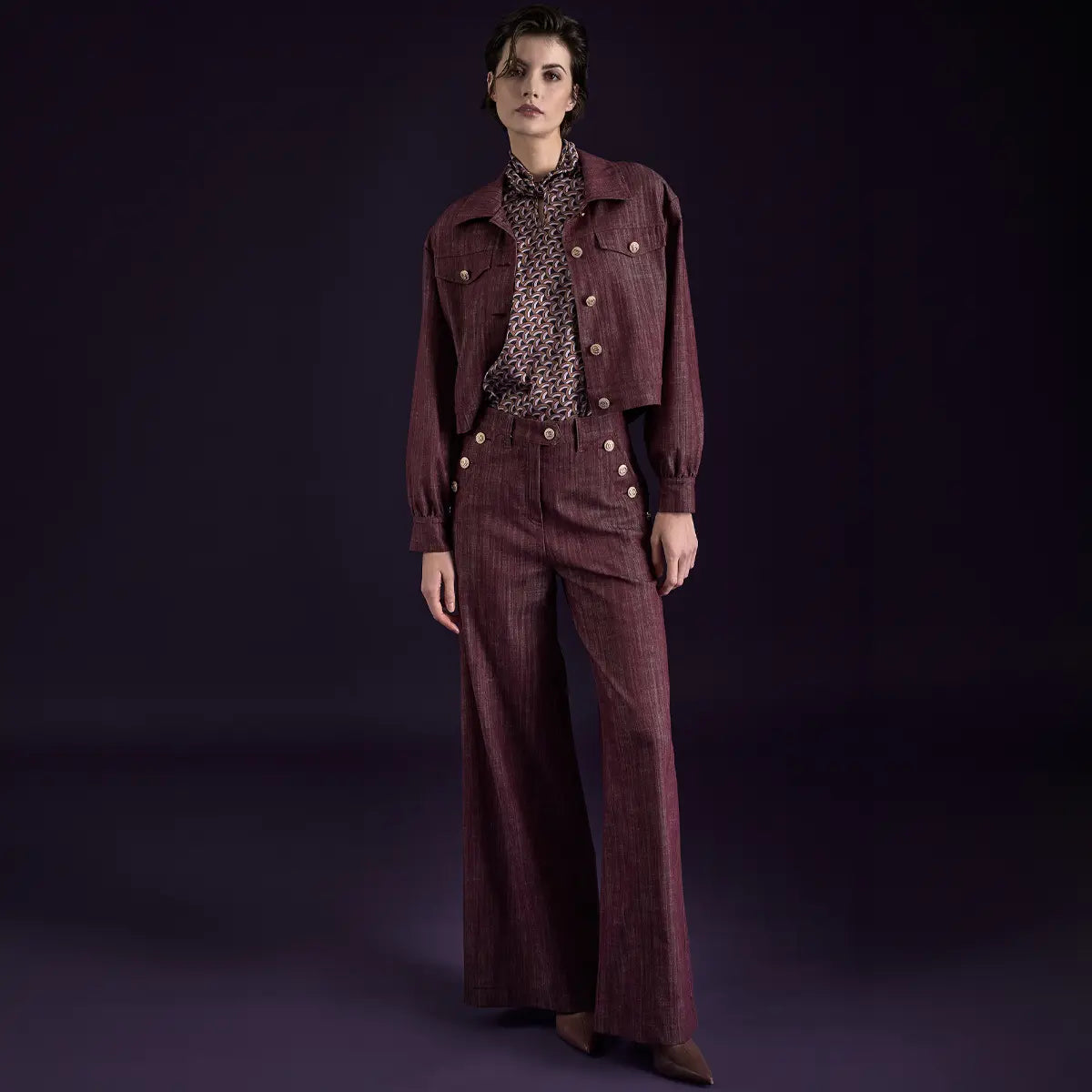
Trouser Shapes Guide
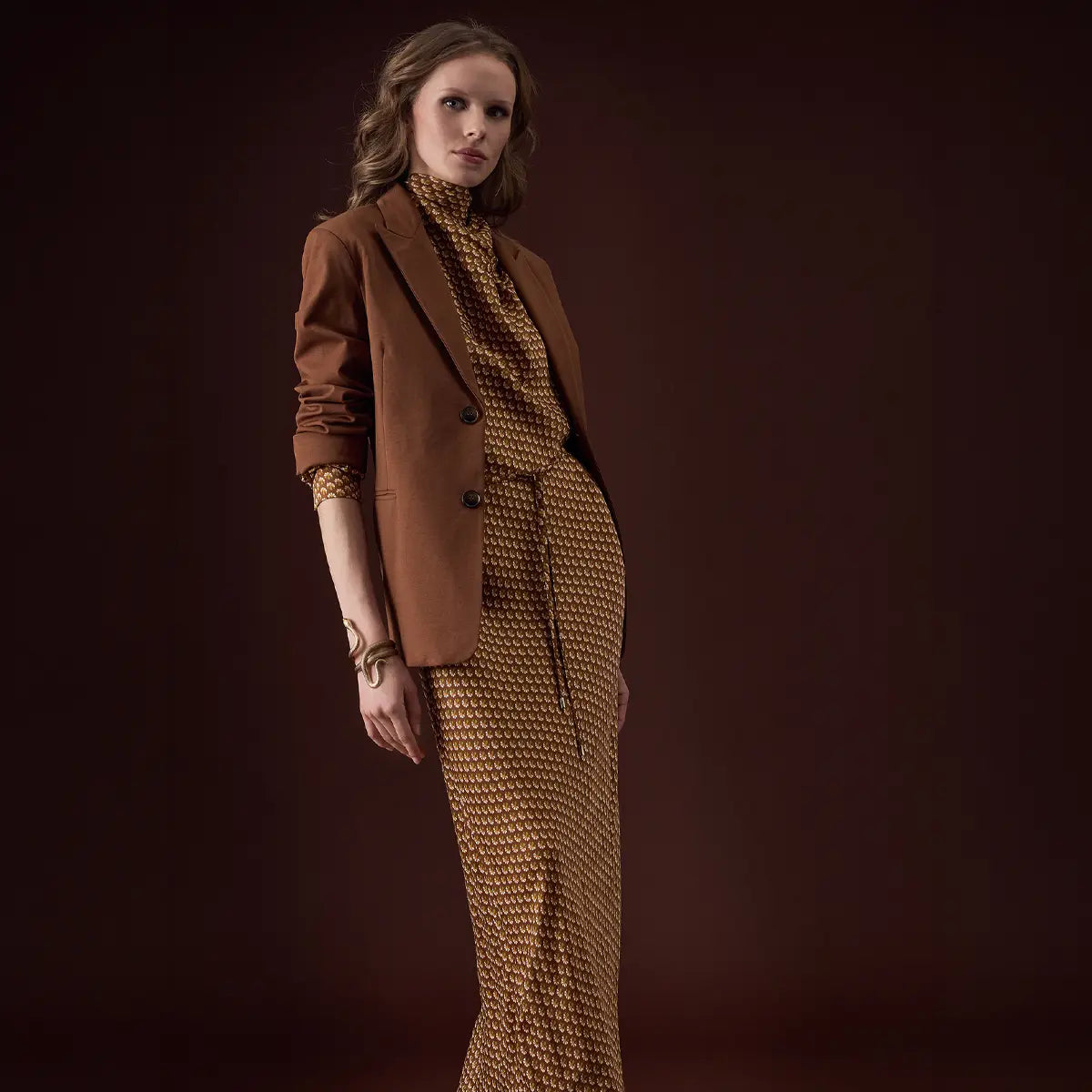
Dress Shapes Guide
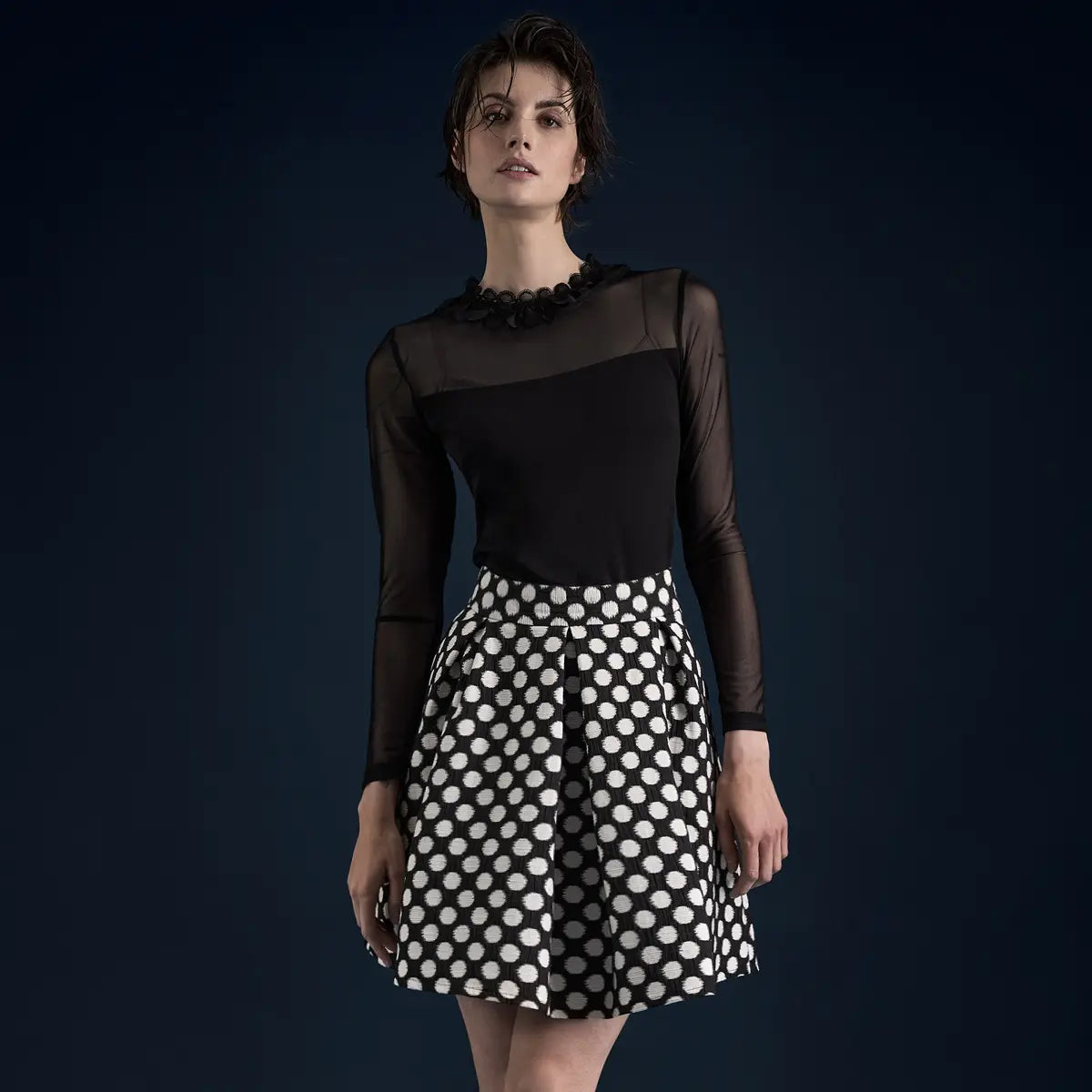
Skirt Shapes Guide
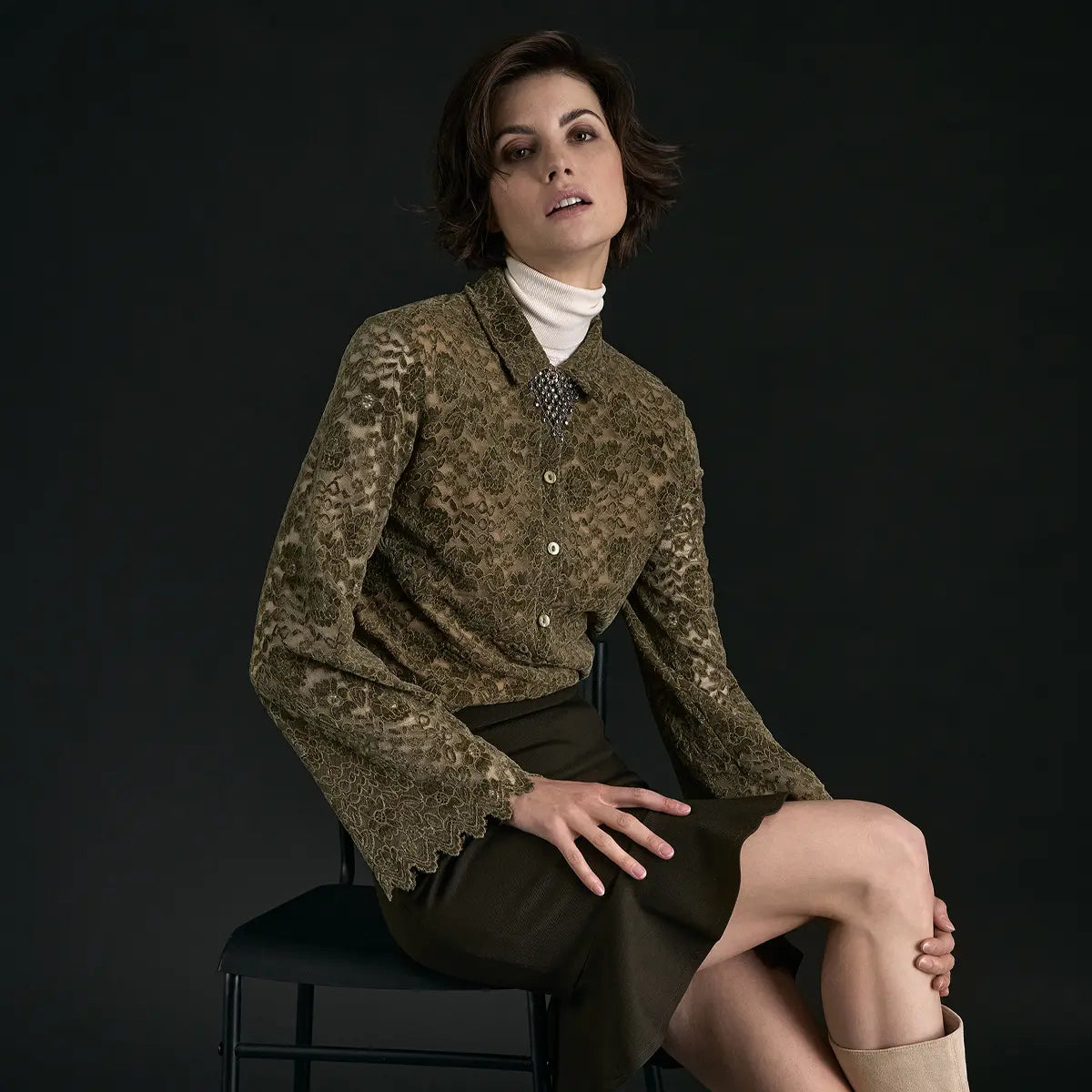
Top Form Guide
Jumpsuit Types Guide


