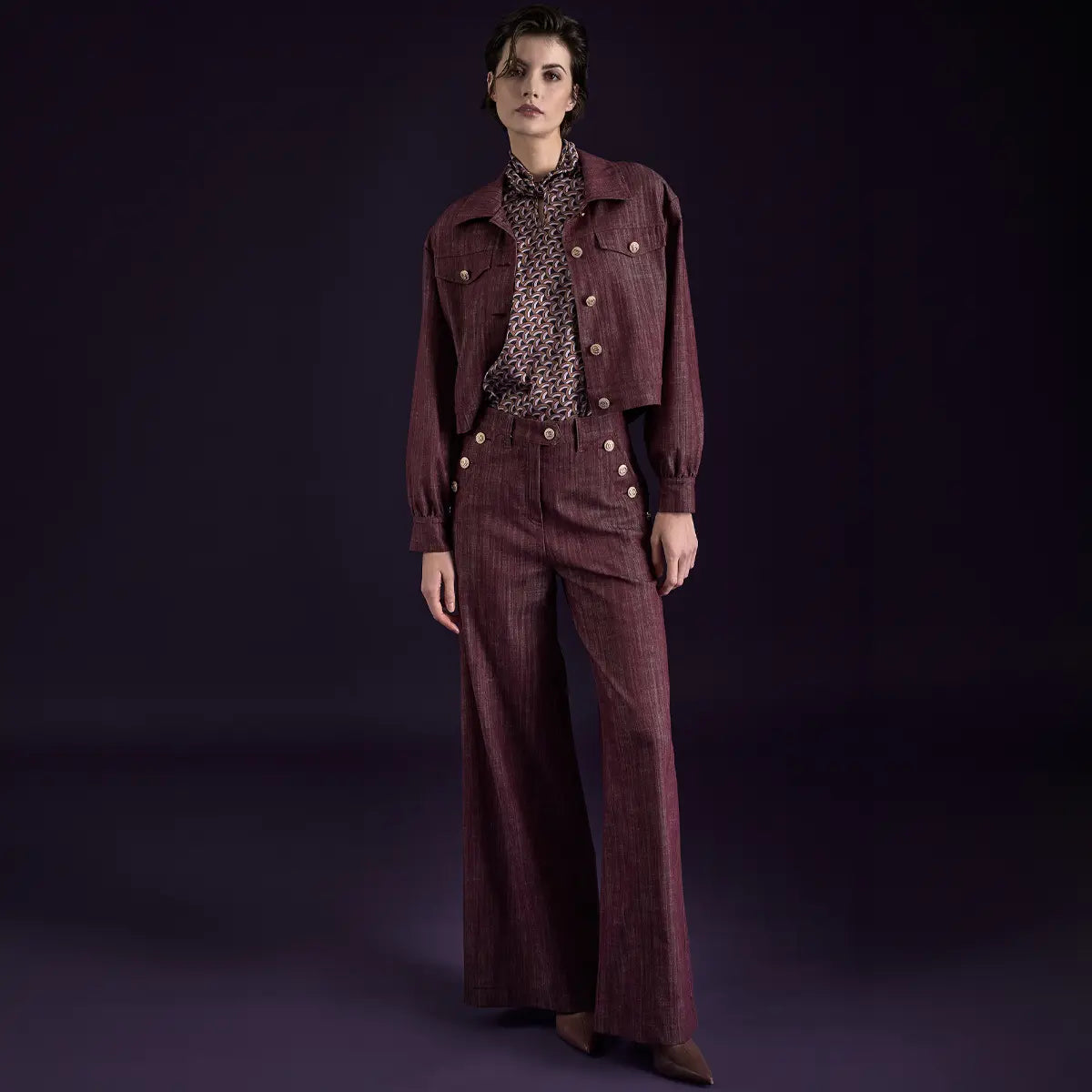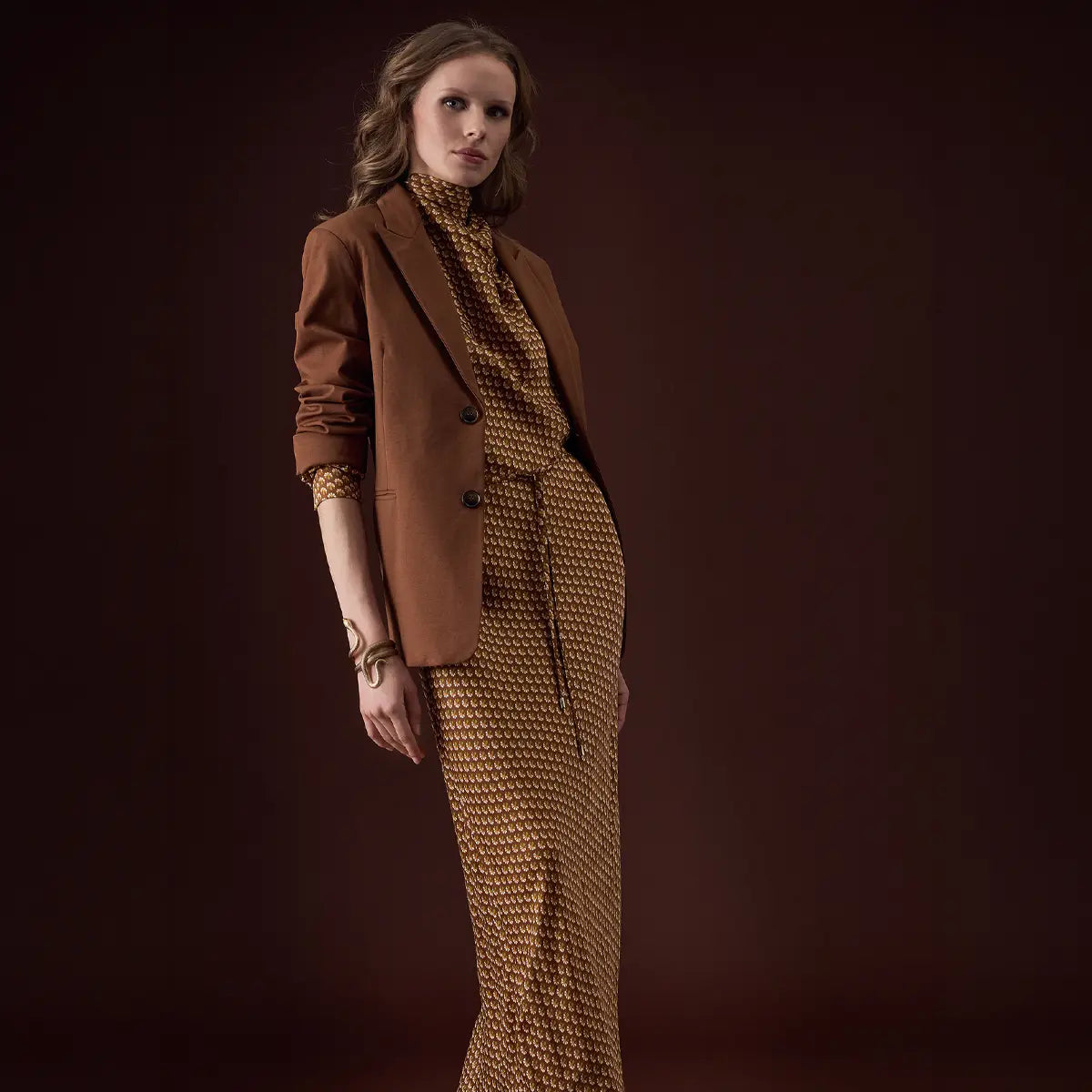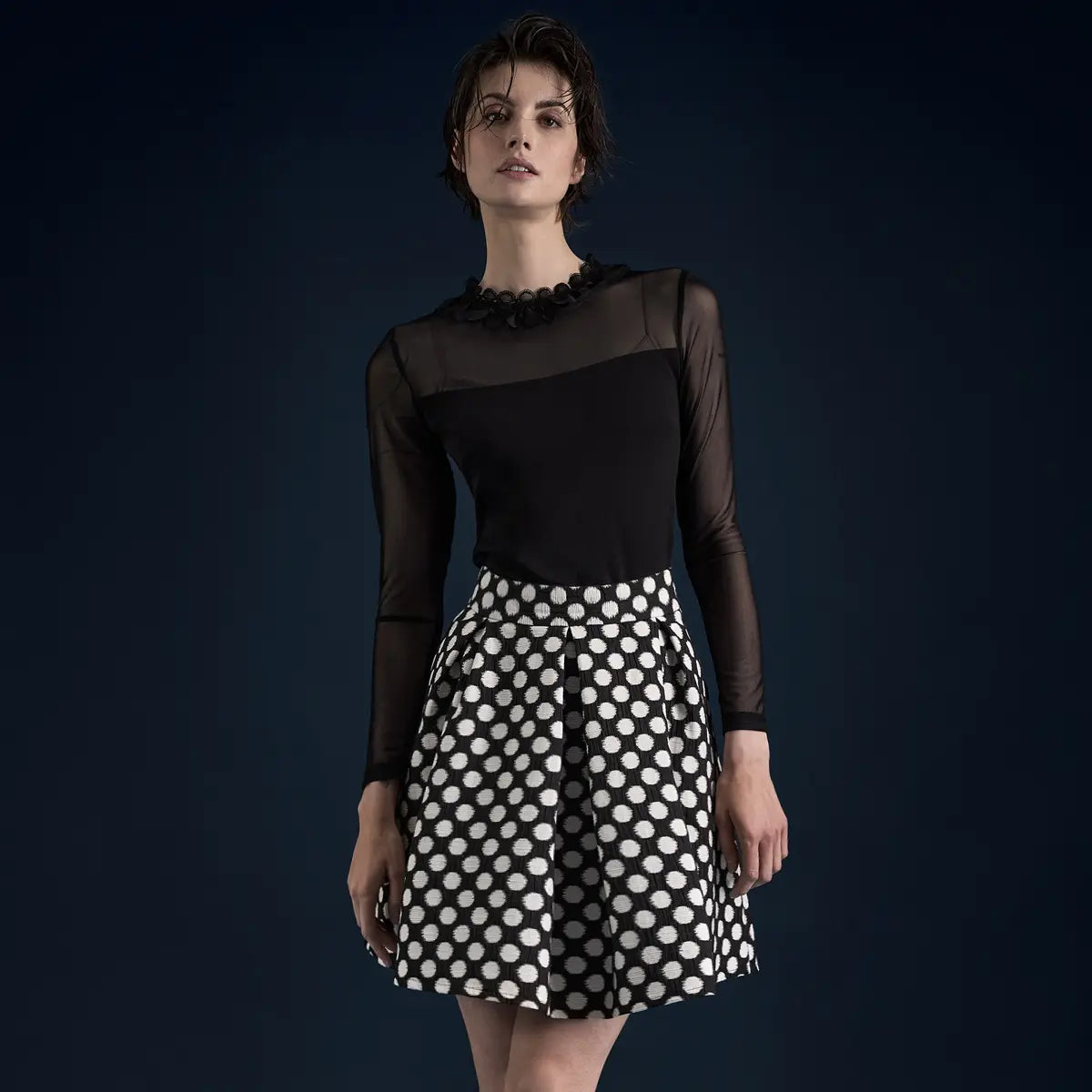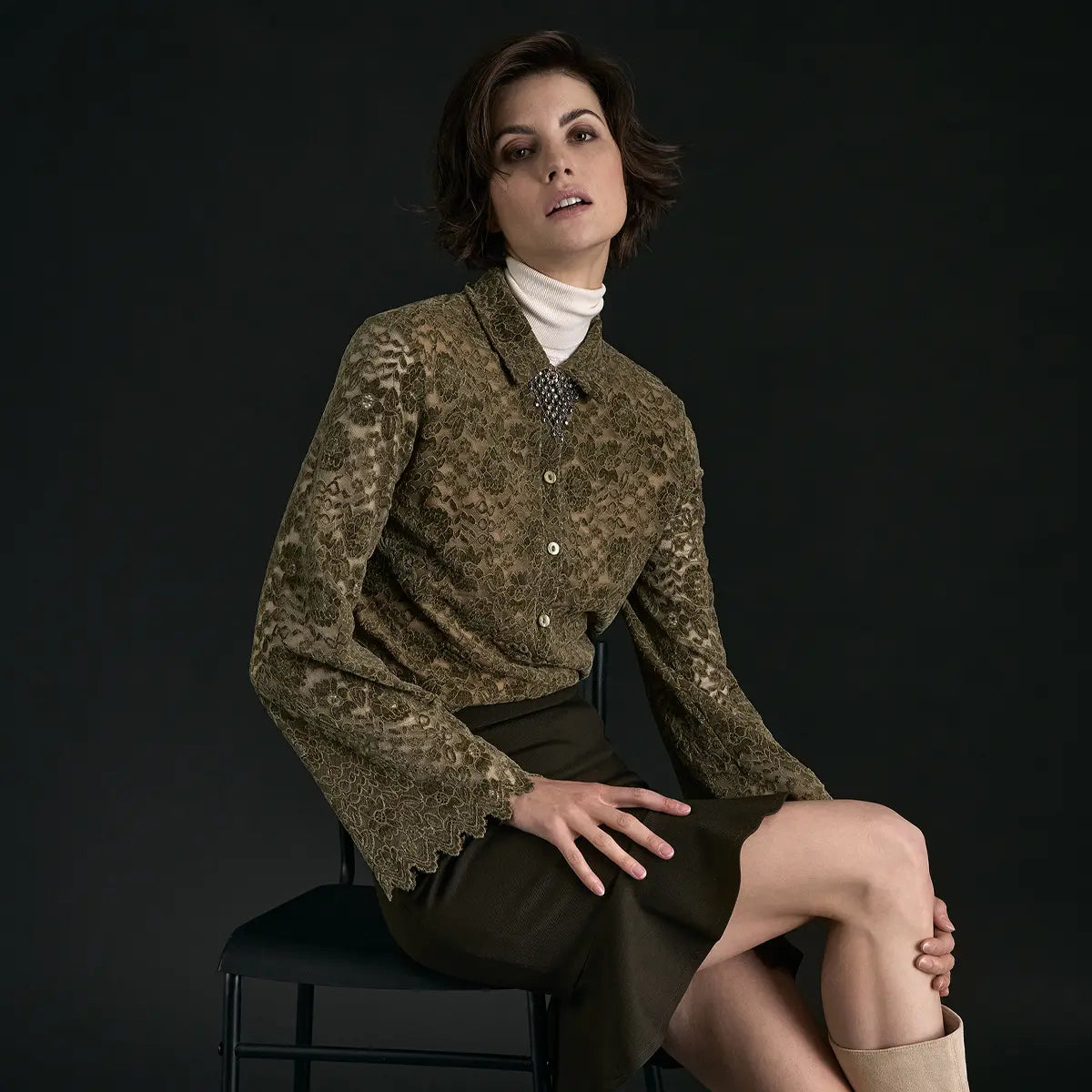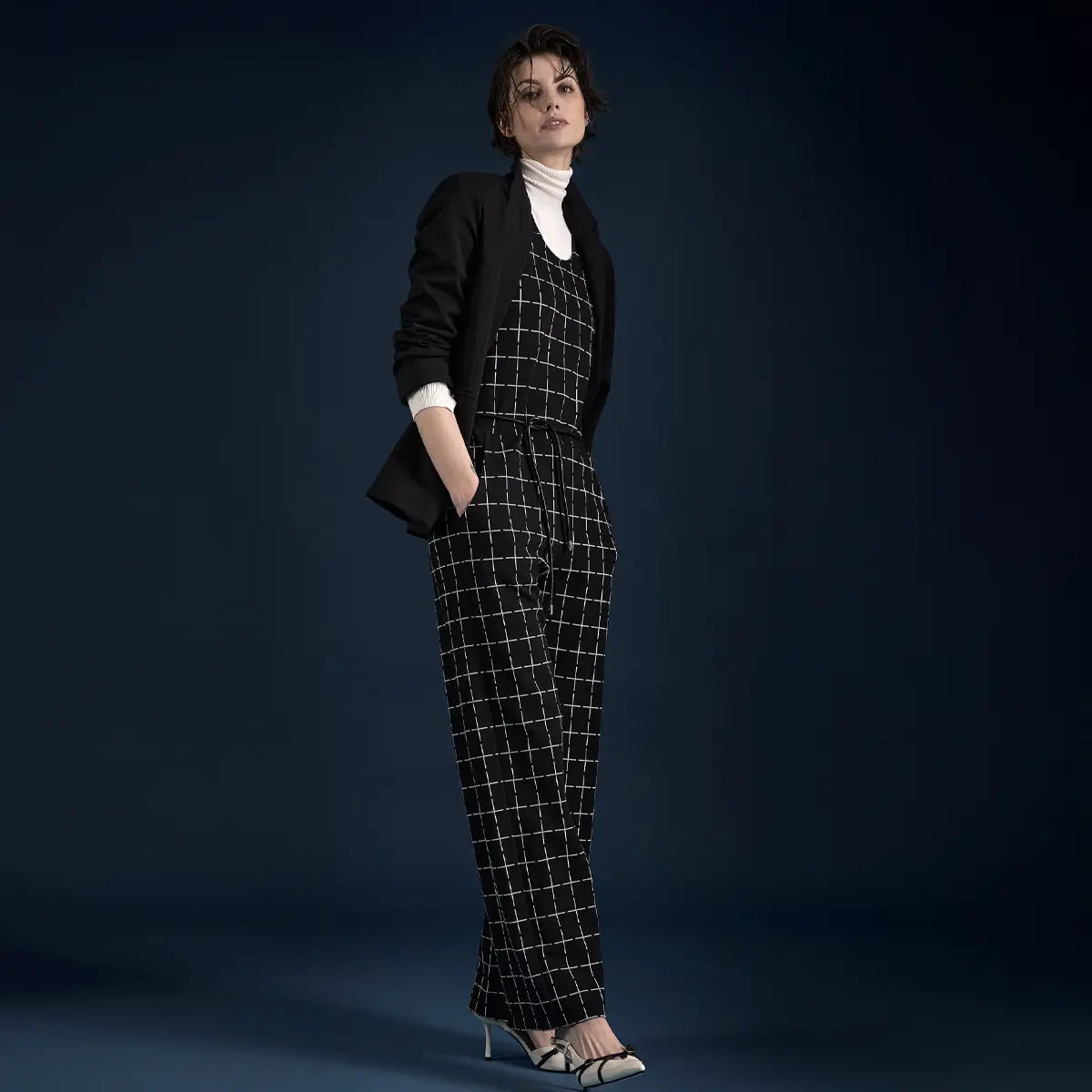


Leos, checks, stripes, florals, or geometric shapes—all of these patterns are used to set the tone of your outfit on their own. The real challenge, however, is bringing these bold elements together into a confident outfit that doesn’t look haphazard or disjointed. A fashion risk or a bold fashion move? For advanced fashion enthusiasts, this is the perfect opportunity to showcase their sense of style.
In this guide:
Vibrant colors and well-coordinated prints contrast with one another and—when cleverly combined—create an unexpected harmony: Classic stripes team up with floral designs to produce exciting synergies. Geometric shapes like circles, diamonds, and squares come together to form iridescent patterns, to which animal prints add just the right touch of exotic flair. This lets you create looks unlike anything you’ve seen before—looks that express nothing other than your personality. For a sophisticated mix of patterns, there are a few rules that ensure your combination becomes a well-thought-out statement. A deep understanding of proportions, colors, and materials will lead to your unique look, one that highlights your personality and shows that you don’t just wear fashion—you live it—with creative sensitivity and a sense of the ideal balance between chaos and control.
The Basics of the " " Pattern Mix
Karos
There are many check patterns: glen check, houndstooth, pepita, Vichy, and tartan. They are among the traditional prints, and that’s generally the impression they give. Glen check is often found on coats; houndstooth is the classic choice for suits and shift dresses and is often worn on formal occasions. Tartan is the rebel among the check patterns. The so-called Scottish pattern, usually with a red undertone, appears very colorful in contrast to the other check patterns.
Stripes and Zigzags
Herringbone, zigzag, and pinstripes are the most popular patterns in the “line patterns” category. The herringbone pattern, also known as “English herringbone,” is a traditional pattern created using a special weaving technique. Just like “pinstripes,” which feature finely woven vertical stripes, it’s a business classic for suits and dresses. The zigzag pattern is the “most lively” in the category, especially when it comes in colorful shades.
Polka Dots
Larger dots arranged in a staggered pattern—the polka dot pattern exudes retro charm and turns any look into an eye-catcher. Polka dot designs are usually two-tone, often featuring dots in white, red, blue, or black. They can be found on flowy summer dresses, skirts, and blouses.
Floral
The diverse world of floral designs features as many patterns as there are flowers. Whether they’re bold roses or delicate millefleurs—floral designs can create a wide variety of effects. Millefleurs describes a romantic design in which many small blossoms dot the fabric—ideal for delicate summer styles. The bolder and larger the blossoms printed on the fabric, the cooler the overall look appears.
Discover stunning patterns
Geometric Patterns
Checkerboard and Argyle patterns both use squares and diamonds. While the checkerboard pattern consists of regularly repeating black and white squares, Argyle is formed by colored diamond-shaped areas. Argyle became popular primarily through knitwear from Scotland; later, the diamonds became a hallmark of golf fashion. It is most commonly found on sweaters and socks.
Animal Prints
Leo, Tiger, Snake, Cow— animal prints range from A for alligator to Z for zebra, and they make an impression wherever they appear. White, gray, brown, beige, and black are their “natural” shades. These “wild animal” prints are also often given a color twist, such as pink or neon. Depending on whether they’re used subtly or boldly, they can look elegant, sophisticated, or edgy.
Paisley
Many people know and love the Paisley pattern, which is just as popular on midi and maxi dresses as it is on tops. Once worn by Persian nobility, this intricate design featuring curving shapes spread to Europe. The Scottish town of Paisley was particularly successful in reproducing the pattern—and so the print was named after its place of origin: Paisley.
Batik
The ’70s loved batik, which is characterized by artistic color gradients, large circles, and organic, wavy shapes. Even today, the design is associated with lightness and summer. The fabrics are bursting with color—ranging from blue, yellow, and pink to green, as well as more subdued shades like beige and white.
Golden Rules for a Successful Mix of Patterns
Mixing patterns is one of the most challenging aspects of fashion. To ensure your look appears stylish rather than chaotic, you need a keen sense of proportions, colors, and textures. By following these rules, you can create a harmonious mix of patterns that exudes personality and fashion-forward confidence.
Maintain a consistent theme: Even when combining different prints, your outfit should have a cohesive look. Recurring colors, similar styles, or a good balance between bold and subtle patterns create harmony.
Games with different sample sizes: Large prints make a bold statement and draw the eye, while smaller patterns provide balance and structure. Looks that deliberately combine both sizes are particularly striking.
Use colors as a unifying element: Color-coordinated patterns look elegant and well-thought-out. If you want to make a bolder statement, you can also combine complementary colors—a shared shade or black as a unifying element helps create cohesion.
Give your outfit a style theme: A clear stylistic framework makes it easier to mix and match different patterns. Whether it’s urban chic, boho, avant-garde, or classic-modern—a unifying theme ensures that even unusual print combinations look harmonious.
Combine patterns with different textures: It’s not just prints, but also fabrics that influence the overall effect of an outfit. Textured fabrics like bouclé, jacquard, knit, or leather add a sense of calm to the look and create exciting contrasts.
Create visual focal points: Solid-colored clothing or accessories prevent the mix of patterns from looking too busy. A simple blazer, scarf, or bag can serve as a stylish link between the prints.
Know the limits of mixing patterns: Two to a maximum of three different patterns are usually enough. This keeps the outfit interesting and modern without looking cluttered or haphazard.
Go with tried-and-true pattern combinations: Floral prints and plaids, stripes and polka dots, or wide and narrow stripes are among the combinations that almost always work and offer a stylish way to get started with mixing patterns.
Practical Guide: Mixing Patterns in Everyday Life
No matter what patterns you want to mix—the key is always getting the balance right: colors, proportions, and textures should harmonize so that your outfit looks put-together rather than “random.”
Casual Outfit Ideas: Stripes, Jeans, and a Statement Scarf
Why it works: Stripes are considered “neutral” patterns—they’re graphic, understated, and can be paired with almost anything. Denim creates a relaxed look. The statement scarf sets the fashion focus.
Here's how to pull off the look:
- Top strip: Breton shirt or striped long-sleeve shirt in navy, black, or cream
- Jeans as a source of calm: Straight or boyfriend fit, medium to dark wash
- Statement Scarf: A large scarf with a bold pattern (Paisley, animal print, floral) or vibrant colors
- Harmony Trick: Pick up a color from the stripes on the scarf—that creates a connection
- Finish: White sneakers or loafers, minimal jewelry

Casual mix-and-match: subtle stripes, a paisley scarf as the focal point, denim as the anchor—various scales, tied together by black @KI-Illustration
Business Look: Glen Check & Fine Stripes
Why it works: Both patterns are classic and sophisticated. Fine stripes complement the textured glen check without competing with it—especially when the color palette remains tone-on-tone.
Here's how to pull off the look:
- Glen check blazer as the main pattern (gray, beige, dark blue)
- A finely striped blouse or shirt in similar cool or warm tones
- Clean lines: Slim-fit pants or a pencil skirt in a shade that matches the blazer
- Balance Rule: Large patterned areas (blazer) + small patterned areas (narrow stripes)
- Accessories: Faux leather in plain black, dark brown, or nude

A business-chic combination: Glen check and subtle tone-on-tone stripes—texture meets simplicity without clashing @AI Illustration
Evening Look: Metallic Patterns + Velvet Texture
Why it works: Evening looks thrive on contrast— metallic patterns add sparkle and movement, while velvet grounds the look with its depth and soft light absorption. The interplay creates a luxurious effect.
Here's how to pull off the look:
- Statement Piece: Skirt or top with a metallic pattern (silver brocade, jacquard)
- Velvet as a counterpart: Black or midnight blue velvet blazer, skirt, or clutch
- Color rule: Metallic & dark, rich tones = maximum elegance
- Simple silhouette: Patterns and textures make an impact—choose a clean cut
- Jewelry: Minimal, with a focal point—such as earrings, for example

Evening mix: three silver textures—Lurex, lamé, and sequins—shimmer together without blending into one another @AI illustration
Dos and Don'ts of Mixing Patterns
Finding the Right Balance: A bolder animal print paired with a more subdued geometric print
No more than two styles or materials
Just an eye-catcher—build the outfit around the statement piece
Mix of Materials: Play with textures such as leather, silk, and cotton
Pattern Pairing: Dark Blue Pinstripe Pants & Blouse with a Delicate Floral Print
The wilder the pattern, the more subdued the color palette
The more colors there are, the more linear and symmetrical the patterns become
Incorporate a solid-color piece into your outfit
When mixing patterns, focus on a base color
Vertical stripes make you look slimmer
Large patterns for tall women, small patterns for petite women
Don'ts
Wide Stripes and Glen Check
Too many patterns in one outfit
Combining patterns without color harmony can quickly look chaotic
Mix items of the same size; it's better to vary the scales
Mixing patterns with styles that are too different
Too many accent colors
Three bold colors in different patterns
Wear large prints on parts of the body you don't want to draw attention to
Too much shine—patterns and textures should work together
Don't skip neutral pieces entirely, because it's the understated transitional pieces that create structure
Choose accessories with patterns as well

Christine Schmitz
My love for fashion and communication led me to Ana Alcazar—having cut my teeth as a copywriter and concept developer in traditional advertising, I’ve been writing for our Munich-based designer label for over 10 years. On the editorial team, I’m responsible for all corporate topics, and I also focus on current trends and my passion: gender equality.
Between Image and History
Sometimes a story needs more than a photo can convey. That’s why some of the images in this article were created using artificial intelligence (AI)—curated, inspiring, and always in the spirit of “Wear your Story.” The AI-generated images are clearly labeled next to each photo.