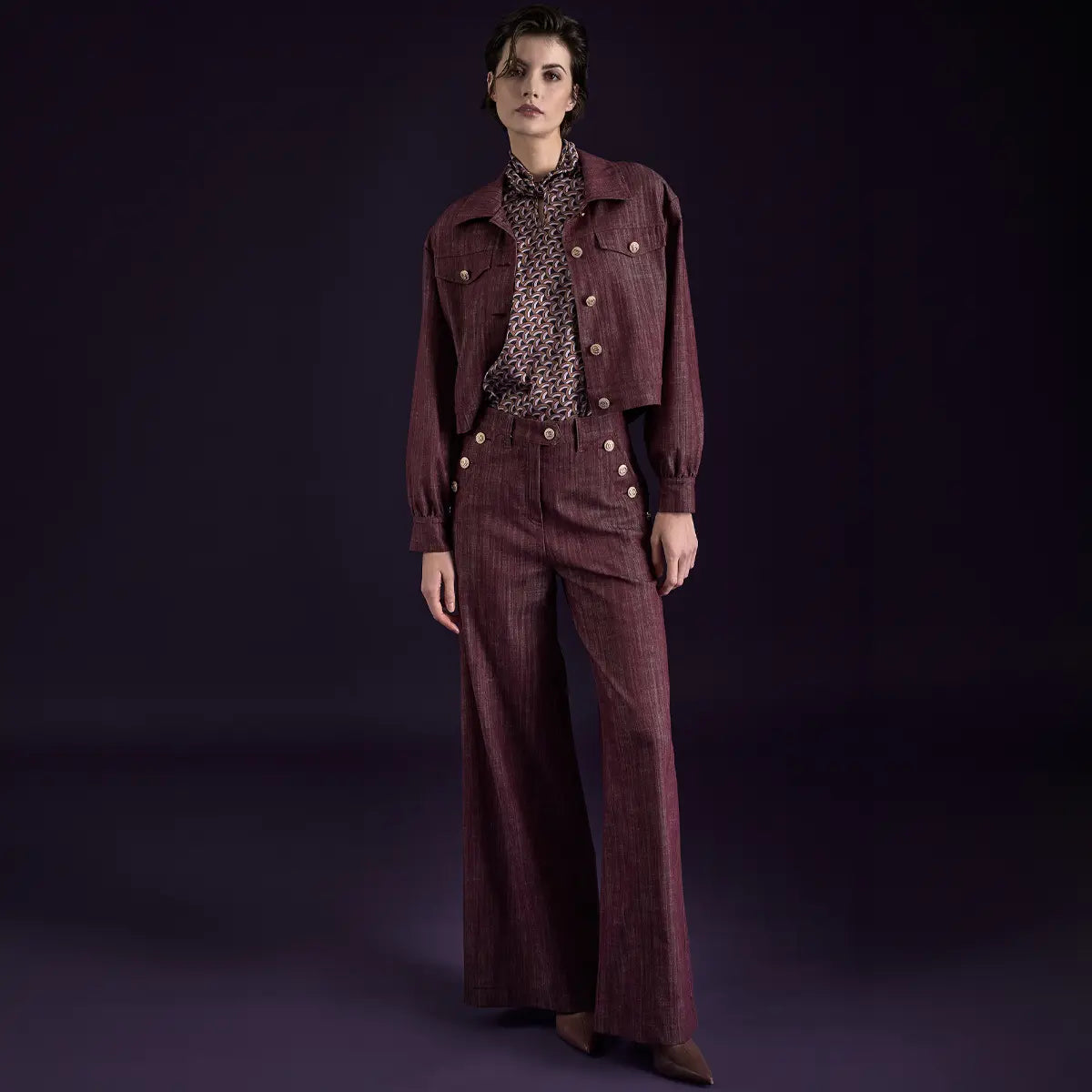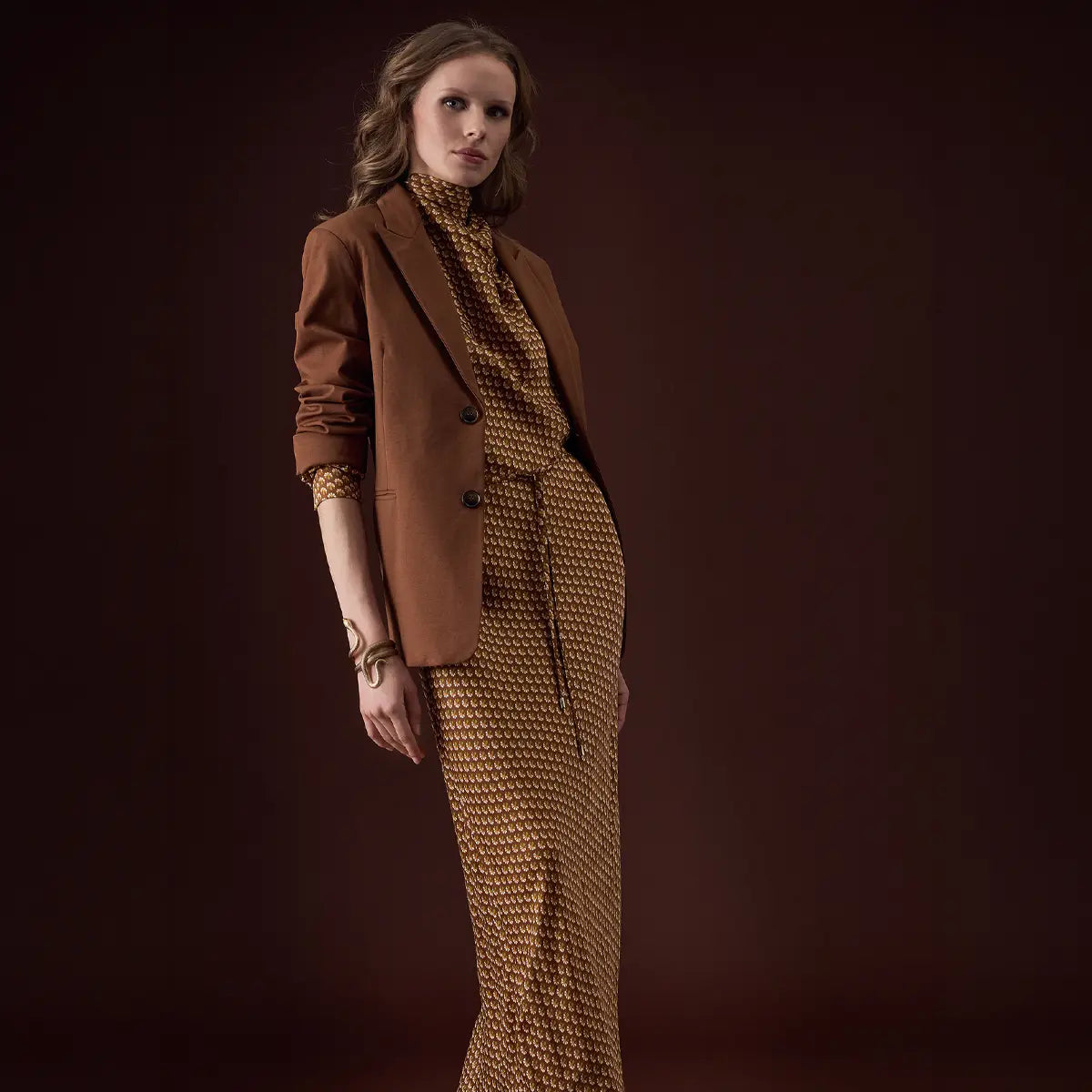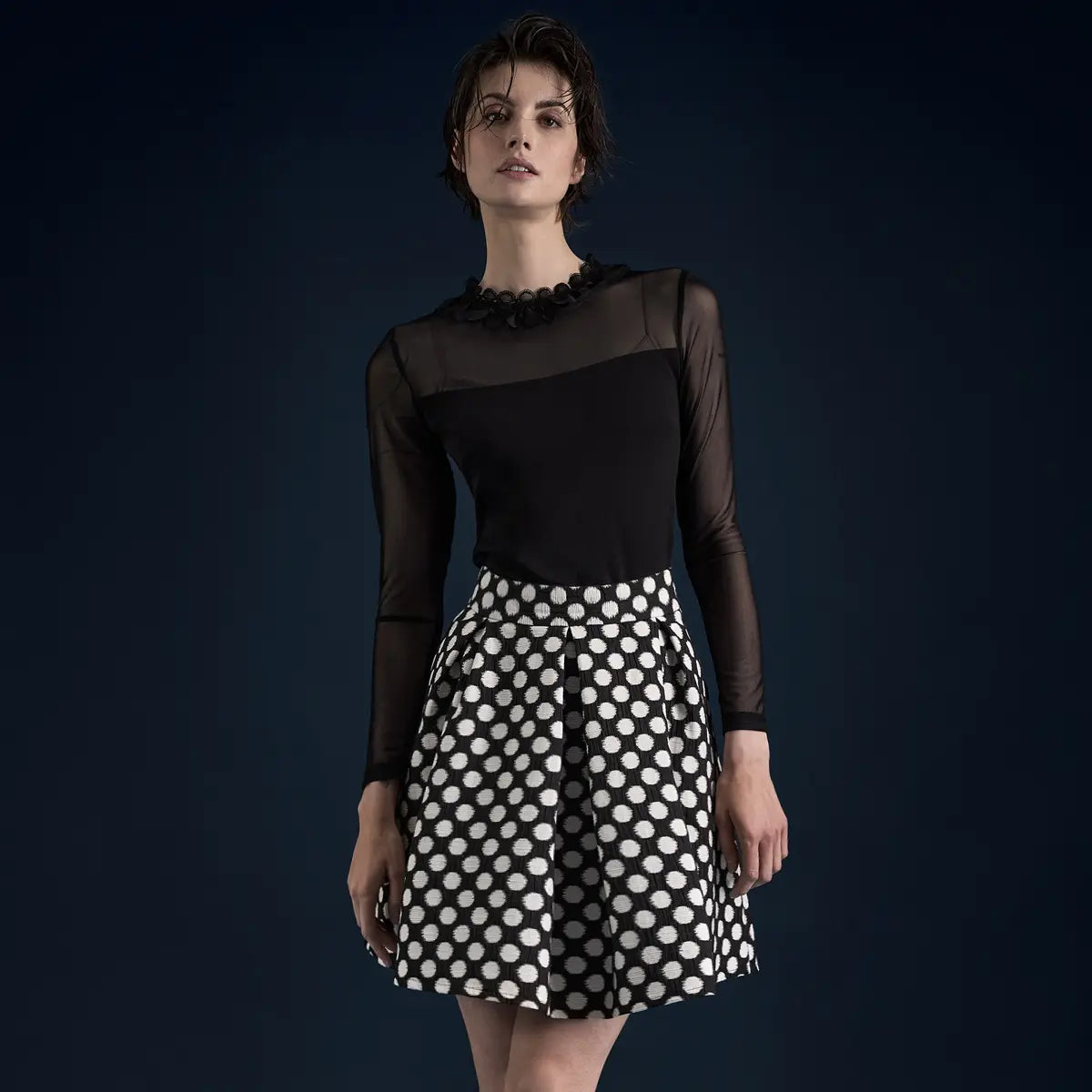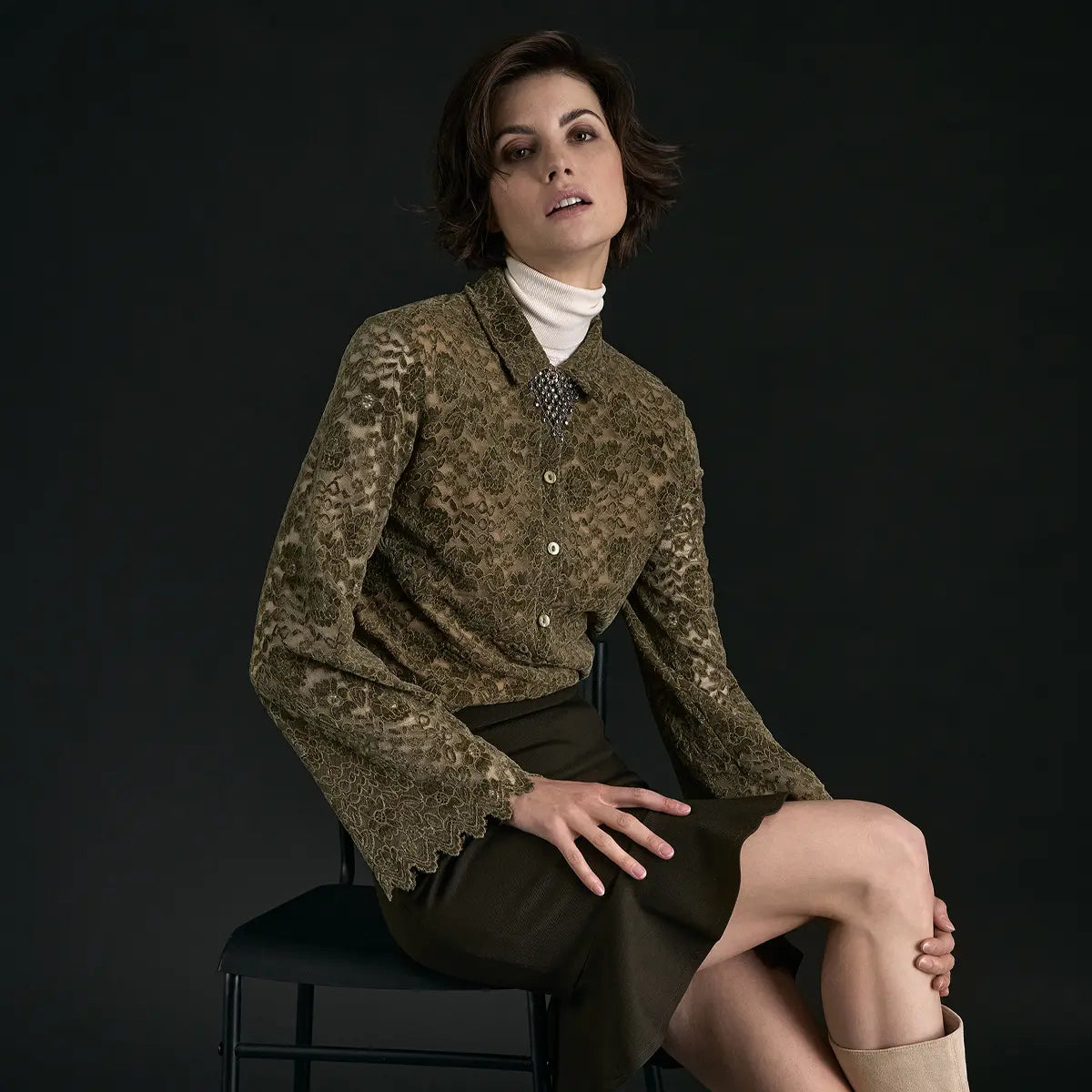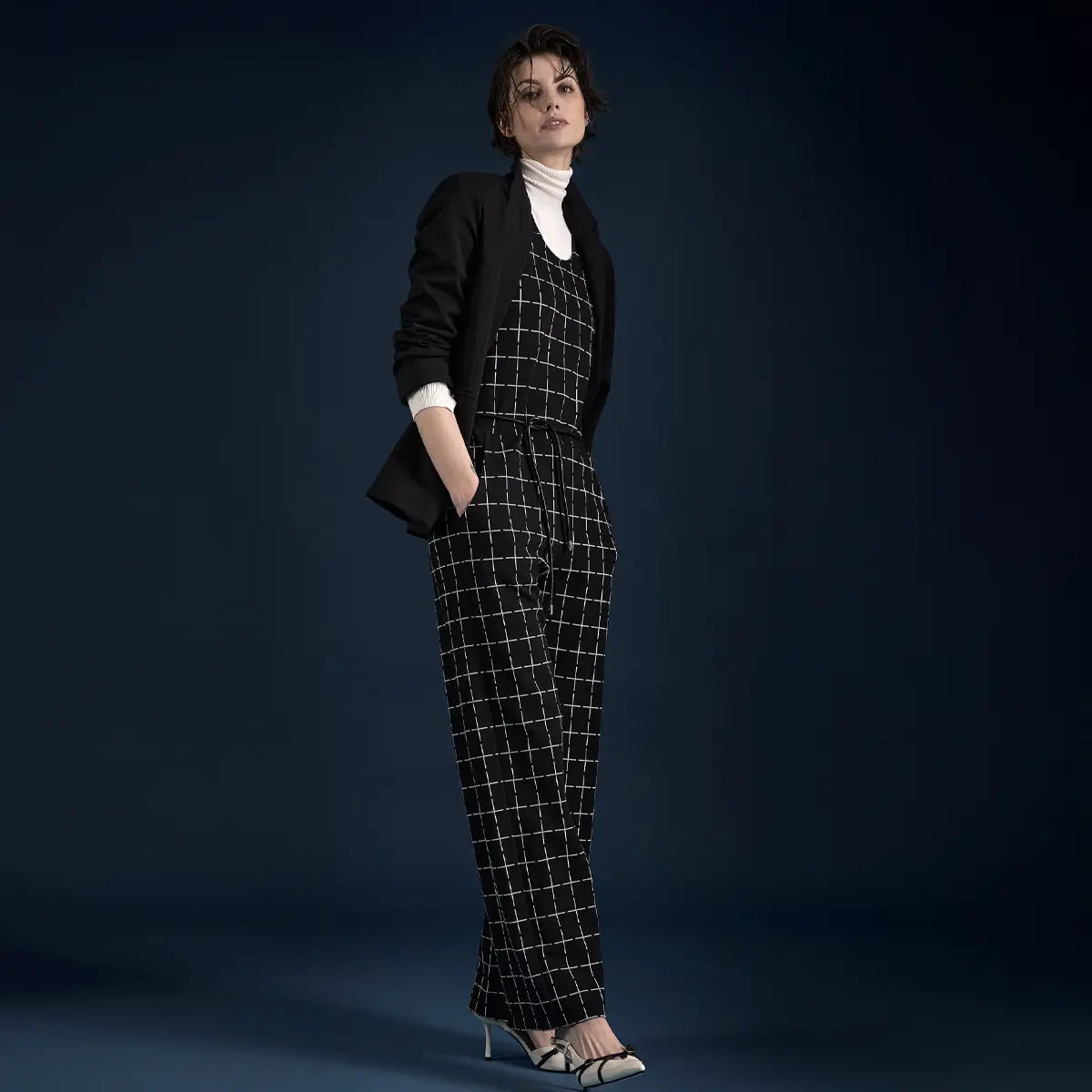


It’s the ultimate classic among checkered patterns: tartan, the quintessential Scottish pattern. From Scottish clans to the British royal family to the runways of the world—this distinctive checkered pattern is truly everywhere.
The fact that Scottish clan patterns have become such a versatile fashion staple today is by no means a given. The well-known tartan pattern actually has a long and eventful history.
Where does the tartan pattern come from?
Originally, tartan was a pattern reserved exclusively for certain Scottish clans; it appeared, for example, on traditional garments such as kilts and plaids. Incidentally, the pattern was first mentioned in the mid-16th century, and the tradition of assigning specific colors and color combinations to different clans and families also dates back to this period. In a sense, the tartan pattern served as a coat of arms, and this marked the beginning of the eventful history of this distinctive woven pattern.
A Brief History of the Tartan
The history of Scotland is a story of the long struggle for freedom and independence. The Scottish clans have always taken pride in their traditions and their unique culture—which includes the tartan pattern.
When the Scottish clans began to rebel against the dominance of the British Crown, wearing tartans and kilts soon became an act of rebellion. The English banned the classic kilt pattern, but a true Scot won’t let anyone tell him what to do. The Scottish rebellion of the 18th century reached its climax under their leader Bonnie Prince Charlie, who made wearing tartan a political statement.
But after the Scottish rebellion was brutally crushed, the pattern experienced an unusual resurgence in the centuries that followed: Queen Victoria of Great Britain was known to be a fan of the eye-catching tartan, but her descendants—Queen Elizabeth and Prince Charles—still enjoy wearing plaids and garments featuring the traditional patterns of the Scottish clans to this day.
When fashion icons and renowned designers like Vivienne Westwood finally discovered the tartan pattern for themselves, it was bound to become a trend: From the grunge scene to haute couture, tartan can truly be found everywhere—a true all-rounder, but one with a particularly eventful history.
Hunting Tartan
A hunting tartan: The muted hunting colors—petrol, green, and navy—exude understated elegance, while a single cobalt-blue thread adds a touch of drama. The dark background makes it suitable for everyday wear, just like a dark neutral; pick up the blue thread in a detail, and the look gets its accent.

Hunting Tartan: muted hunting colors, with a touch of cobalt for contrast
Royal Stewart Tartan (Dress Tartan)
This is the Royal Stewart tartan, the most famous red tartan of all—a classic dress tartan with a vibrant background and many fine cross-stripes. Wear it on its own with simple basics and let one color take center stage; that way, it looks festive without feeling like it’s just for Christmas.

Royal Stewart: the most famous red plaid, a real statement
Camel House Check
A Camel House check: a light camel background, black windowpane grid, and a subtle red line—the most elegant and understated of the three. Its neutral background makes it a versatile choice—it pairs with black and cream as effortlessly as a good trench coat.

Camel House Review: The Elegant, Everyday-Wear Option Among Tartan Patterns
Tartan Patterns – Timeless & Classic
The popular tartan check pattern is created by interweaving upper and lower checks in various colors, most commonly blue, green, red, or, less commonly, yellow. Some brands, such as Barbour and Burberry, have even filed for patents on their own tartan checks, creating truly distinctive looks. It’s in the nature of things that this recognizable pattern can be styled and combined in a wide variety of ways: Tartan-patterned checkered shirts exude a certain casualness and that typical grunge vibe, but the pattern can also look particularly elegant: Elegant tartan skirts or blouses made from fine, high-quality fabrics instantly create a sophisticated look that’s “very British.” Whether it's pants, a shirt, a blouse, a skirt, or a dress—tartan is definitely a real eye-catcher and a classic par excellence!
How to Style the Tartan Pattern
Let the patterns speak for themselves: It's best to pair tartan with simple, solid-colored basics.
Picking up colors: Incorporate a color from the pattern into your shoes, bag, or jewelry.
Playing with contrasts: Light and dark shades add more interest to the look.
Dare to break with convention: Tartan looks especially modern when paired with leather, denim, or sporty pieces.
Pair with knitwear: Chunky knit sweaters or cardigans give the pattern a casual look.
Go for classic cuts: Blazers, pleated skirts, and coats highlight the timeless appeal of tartan.
Choose monochrome accents: Black or cream-colored accessories give the pattern an elegant look.
The Courage to Embrace Modernity: Tartan works not only in classic styles, but also when paired with oversized silhouettes and the latest trendy pieces.

Christine Schmitz
My love for fashion and communication led me to Ana Alcazar—having cut my teeth as a copywriter and concept developer in traditional advertising, I’ve been writing for our Munich-based designer label for over 10 years. On the editorial team, I’m responsible for all corporate topics, and I also focus on current trends and my passion: gender equality.
Between Image and History
Sometimes a story needs more than a photo can convey. That’s why some of the images in this article were created using artificial intelligence (AI)—curated, inspiring, and always in the spirit of “Wear your Story.” The AI-generated images are clearly labeled next to each photo.