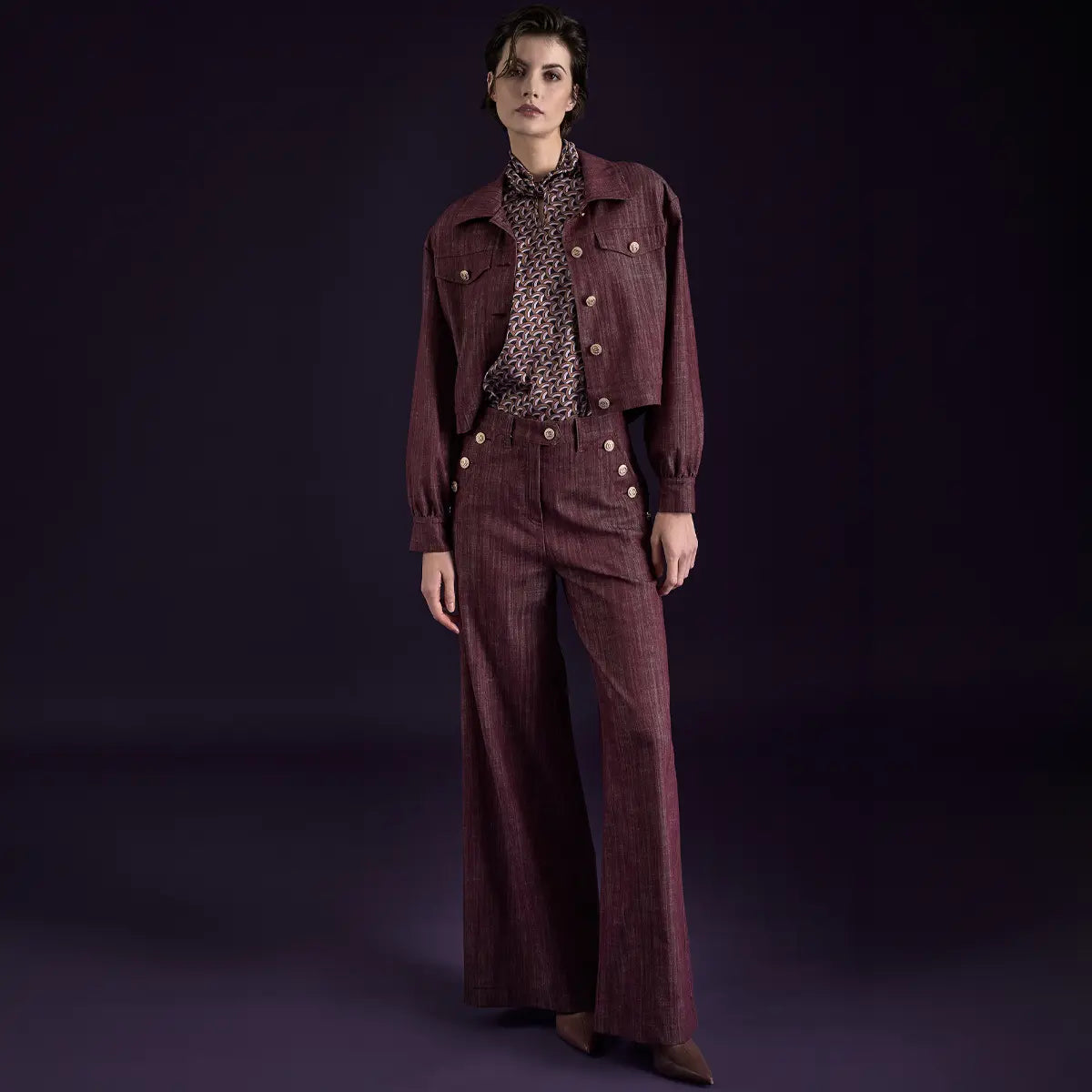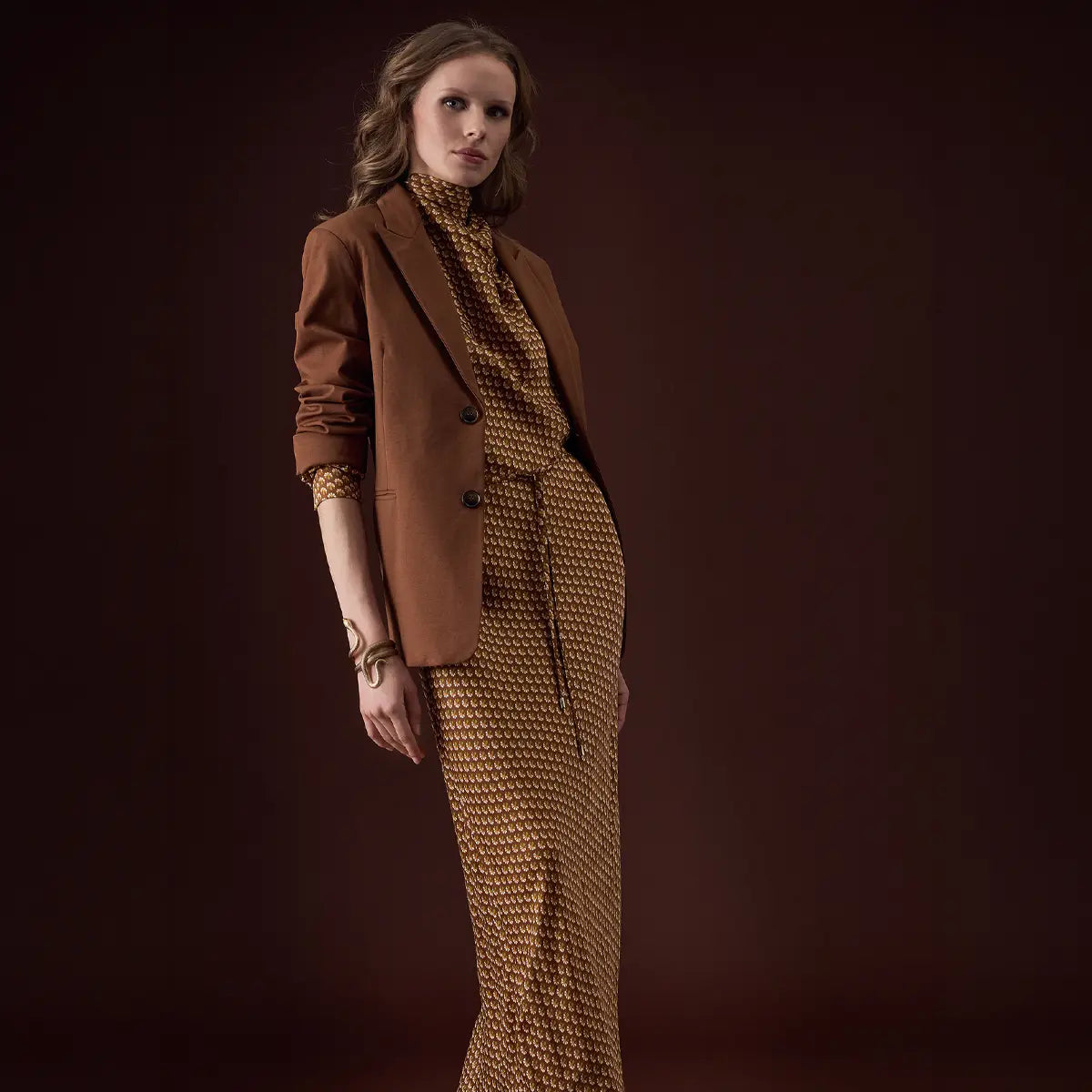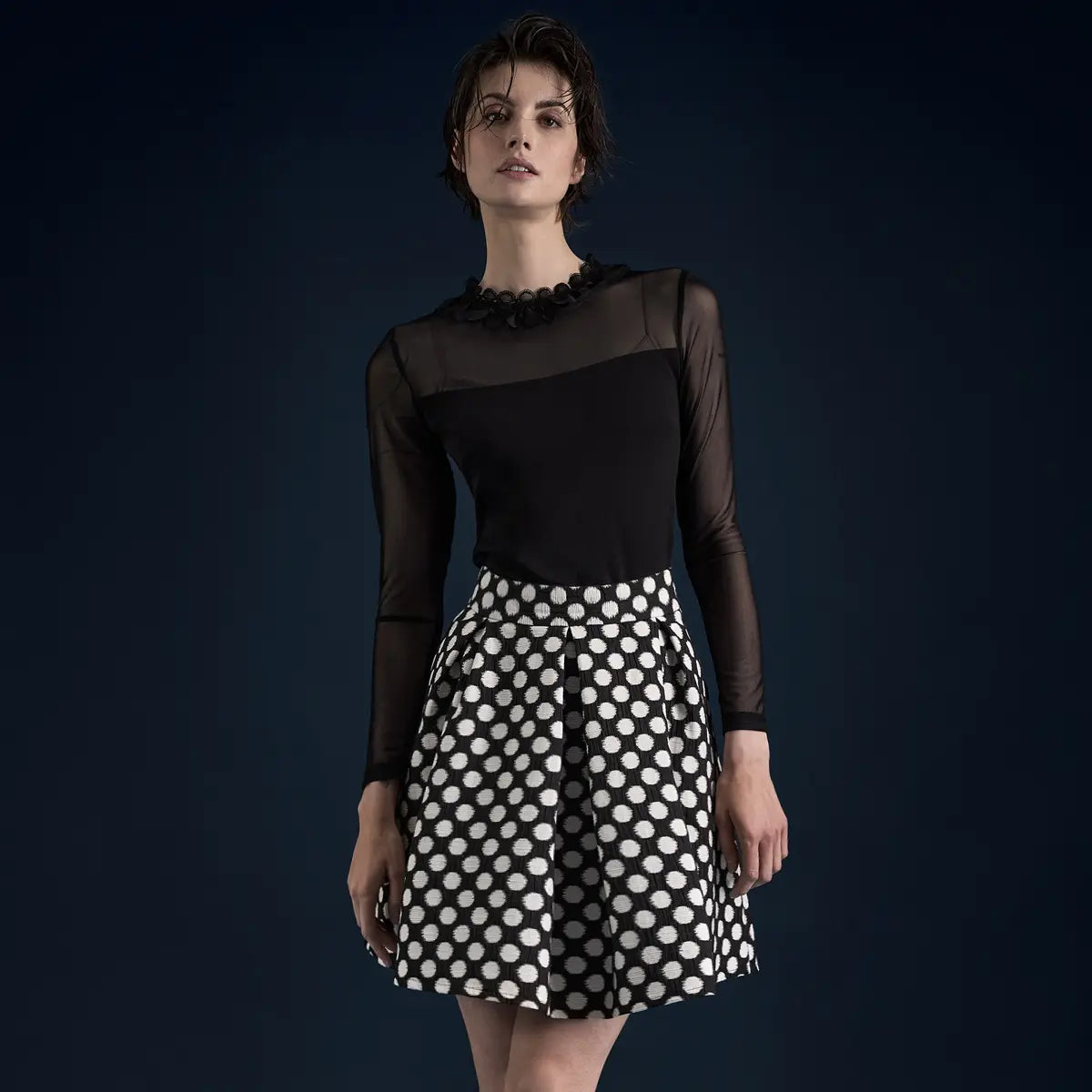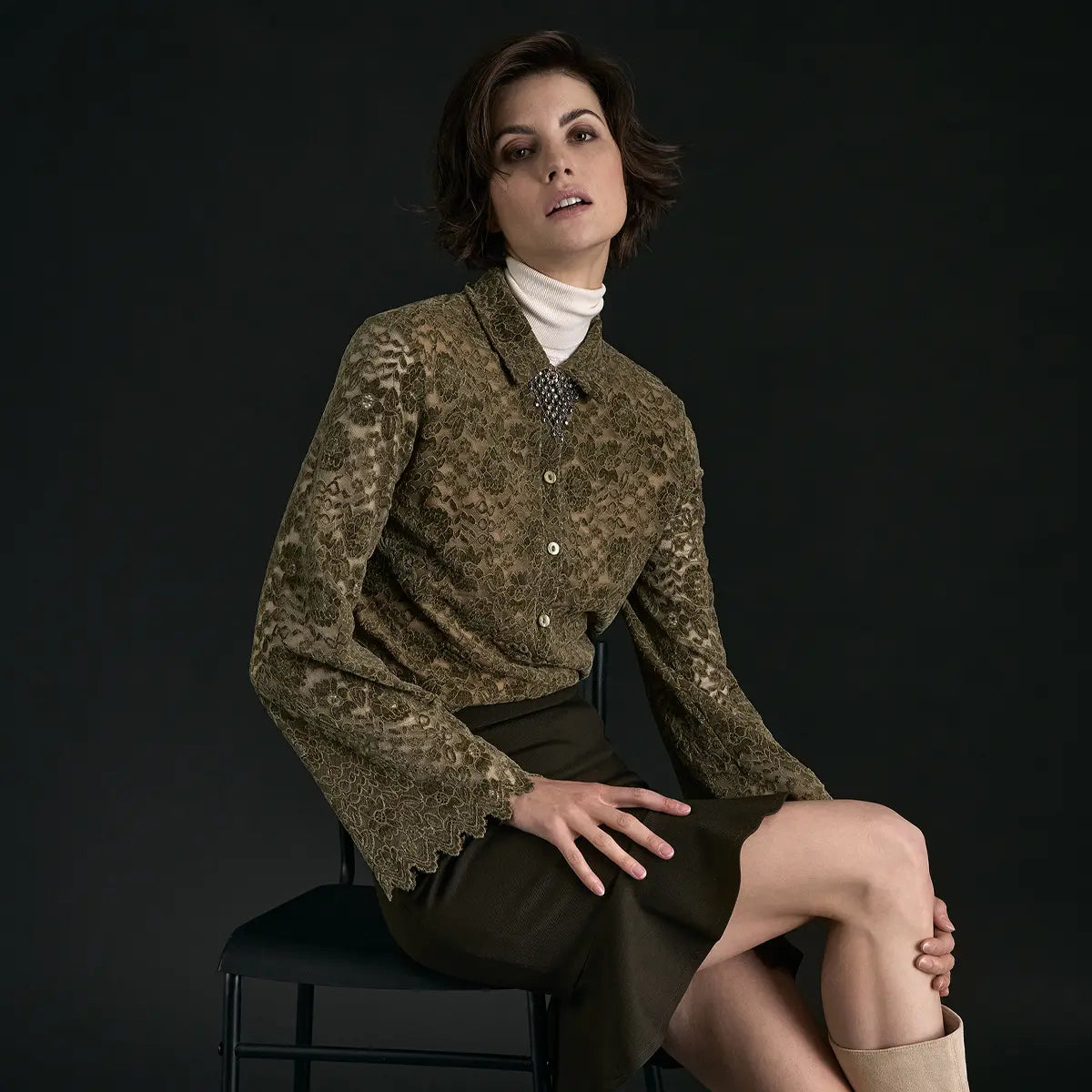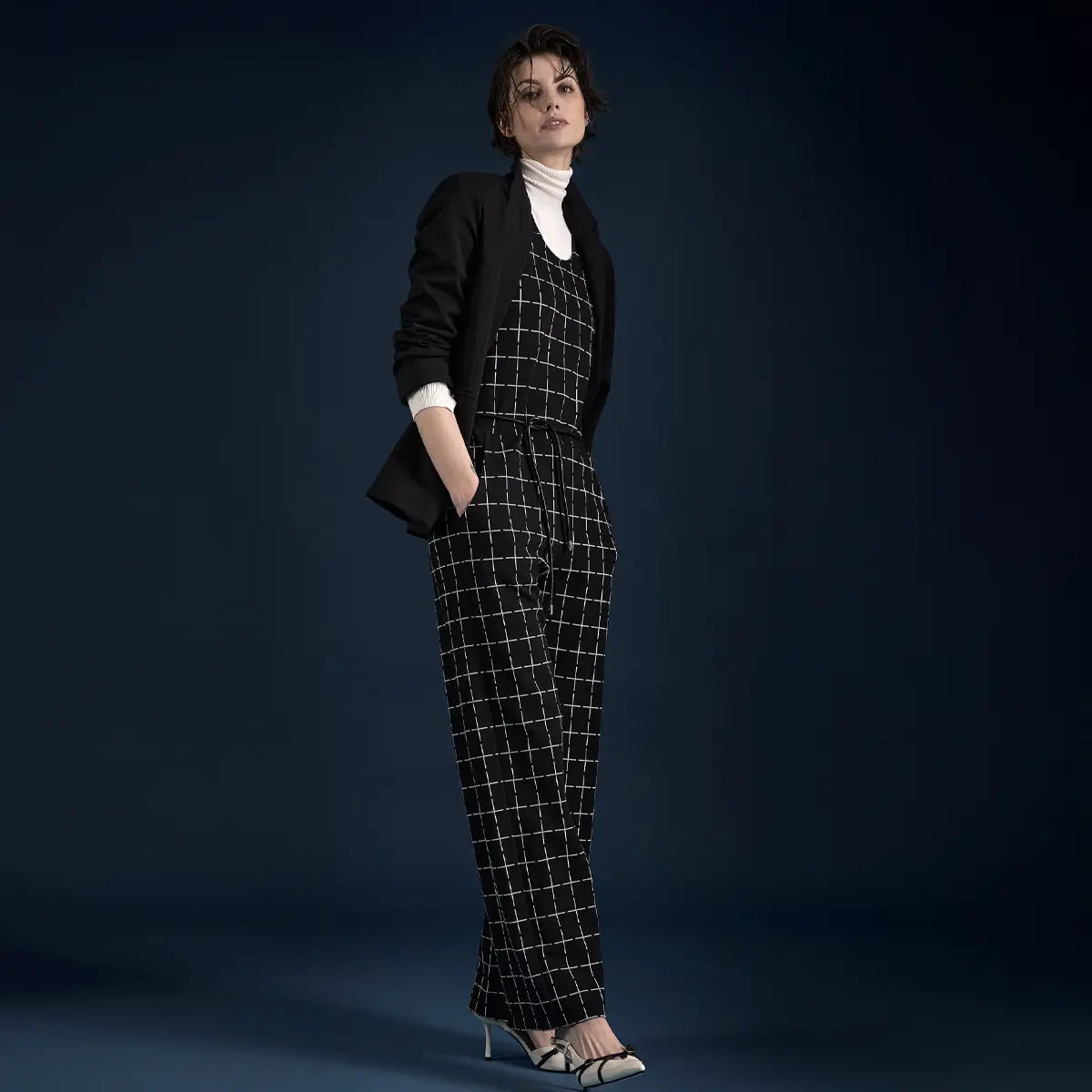


There's no question about it: the world of checkered patterns is diverse. Especially in the spring and summer, perhaps the most romantic pattern—one that evokes images of Provence—is particularly popular: the Vichy check.
You may have heard the name “gingham” before. That’s the English term for the Vichy check pattern. In the Netherlands, by the way, it’s called “Brabants Bont.” So Vichy has been well known in several countries for centuries. It wasn’t always part of everyday clothing or even high fashion. The simple yet high-contrast design was initially common on curtains, bedding, tablecloths, dish towels, and napkins. Farmhouse kitchens, picnics, and village festivals—that’s what comes to mind for many people when they hear “Vichy.”
What exactly does the Vichy check pattern look like?
The two-tone pattern of square checks is here to stay. It evolved from the “Bauernkaro,” which was traditionally found on durable, sturdy cotton fabric. The name is likely inspired by the French spa town of Vichy. And the look? As mentioned, square checks in two colors. In addition to white, the classic Vichy pattern also features red, blue, pink, or pastel shades.
Important to know: Its distinctive appearance is the result of a special weaving technique. Warp and weft threads are woven into strips of identical width. Where threads of the same color meet, checks form in one of the two base colors—for example, white and light blue. When threads of different colors cross, the result is a more subtle check pattern.
From Farmhouse Check to '60s Favorite
Vichy made its debut in the fashion world in the 1950s, and by the 1960s it had become the iconic, cult look of the big movie stars. None other than Brigitte Bardot turned the Vichy check into an absolute sensation: in 1959, she married actor Jacques Charrier in an enchanting dress made of pink-and-white Vichy fabric. And she wasn’t the only one. Audrey Hepburn loved capri pants paired with a matching headscarf in the same checkered pattern. We’ve also seen similar styles on Lady Di, and the rockabilly scene firmly embraces this ’60s classic on blouses or wide, flowing skirts paired with petticoats.
Vichy Check
You can spot the telltale sign at the intersections: where the colored threads overlap, a third, lighter blended shade emerges—that’s how you can tell it’s real fabric rather than a print. The check size sets the mood: small checks have a romantic, retro feel, while large ones look modern and graphic.

Today, Vichy checks have become an indispensable part of the runways—in all kinds of inspiring variations, such as exciting color combinations in trendy shades like purple, green, and orange. It’s no wonder, since the design, with its fresh appeal, lends every look a certain lightness.
Vichy Check – Endless Outfit Possibilities
From maxi dresses to blazers, blouses, and bikinis—whether for casual or business wear—Vichy goes with everything and ensures a stylish look. There’s nothing this crisp pattern doesn’t work with—it often appears in pastel, light shades of blue, yellow, pink, or gray. But maxi dresses in bold green and pink also look stunning with the checkered pattern—often paired with floral designs. The pattern is also particularly common in traditional clothing such as aprons or blouses.
Pair with jeans: Vichy tops go perfectly with jeans or denim skirts.
Styling with white: White pants, skirts, or dresses make the pattern look especially fresh.
Summery outfits: Maxi dresses with a Vichy check pattern go perfectly with sandals, wedges, or sneakers.
Breaking in leather: A leather jacket adds a cool twist to the playful pattern.
Select solid-color partners: Skirts and pants with a Vichy check pattern look best paired with simple tops.
Go for all-over looks: Two-piece sets or pantsuits with a Vichy check pattern make for a stylish look.
At the office: A Vichy-print blazer adds a fresh touch to classic business looks.
Add a touch of style with accessories: Hairbands, scarves, or bags with a Vichy check pattern add charming accents.
Styling Do's & Don'ts for Your Vichy Check Look
Pay attention to the square size: Small checks have a classic look, while large ones are particularly modern.
Adjusting proportions: Combine loose-fitting styles with figure-hugging pieces.
Choose high-quality fabrics: They make the Vichy check pattern look especially elegant.
Prefer clean silhouettes: This really shows off the pattern to its best advantage.
Consciously controlling style: Depending on the cut, Vichy can look romantic, classic, or trendy.
Quick styling: Solid-colored pieces always go well with them.
Don'ts
Wearing too many fussy details: That can quickly look cluttered.
Mixing different check sizes: This often makes the look seem cluttered.
Combining too many retro elements: Otherwise, the outfit can easily look like a costume.
Overloading with trends: The Vichy check pattern should be the focal point.
Combining too many patterns: That takes away from the diamond's impact.

Christine Schmitz
My love for fashion and communication led me to Ana Alcazar—having cut my teeth as a copywriter and concept developer in traditional advertising, I’ve been writing for our Munich-based designer label for over 10 years. On the editorial team, I’m responsible for all corporate topics, and I also focus on current trends and my passion: gender equality.
Between Image and History
Sometimes a story needs more than a photo can convey. That’s why some of the images in this article were created using artificial intelligence (AI)—curated, inspiring, and always in the spirit of “Wear your Story.” The AI-generated images are clearly labeled next to each photo.