


How to Style a Mix of Materials: How Leather, Wool, and More Come Together in Fashion
|
|
|
Time to read 10 min
|
|
|
Time to read 10 min
Perhaps this is the most underrated styling trick: skillfully mixing materials in an outfit. Its special appeal comes mainly from the interplay of different textures and surfaces. Opposites attract and create tension—both visual and tactile. Different textures add depth to your look. It’s rarely been easier to express your individual style than with a layered mix of materials. The basics? High contrast, clearly defined colors, and a balanced look. But first things first…
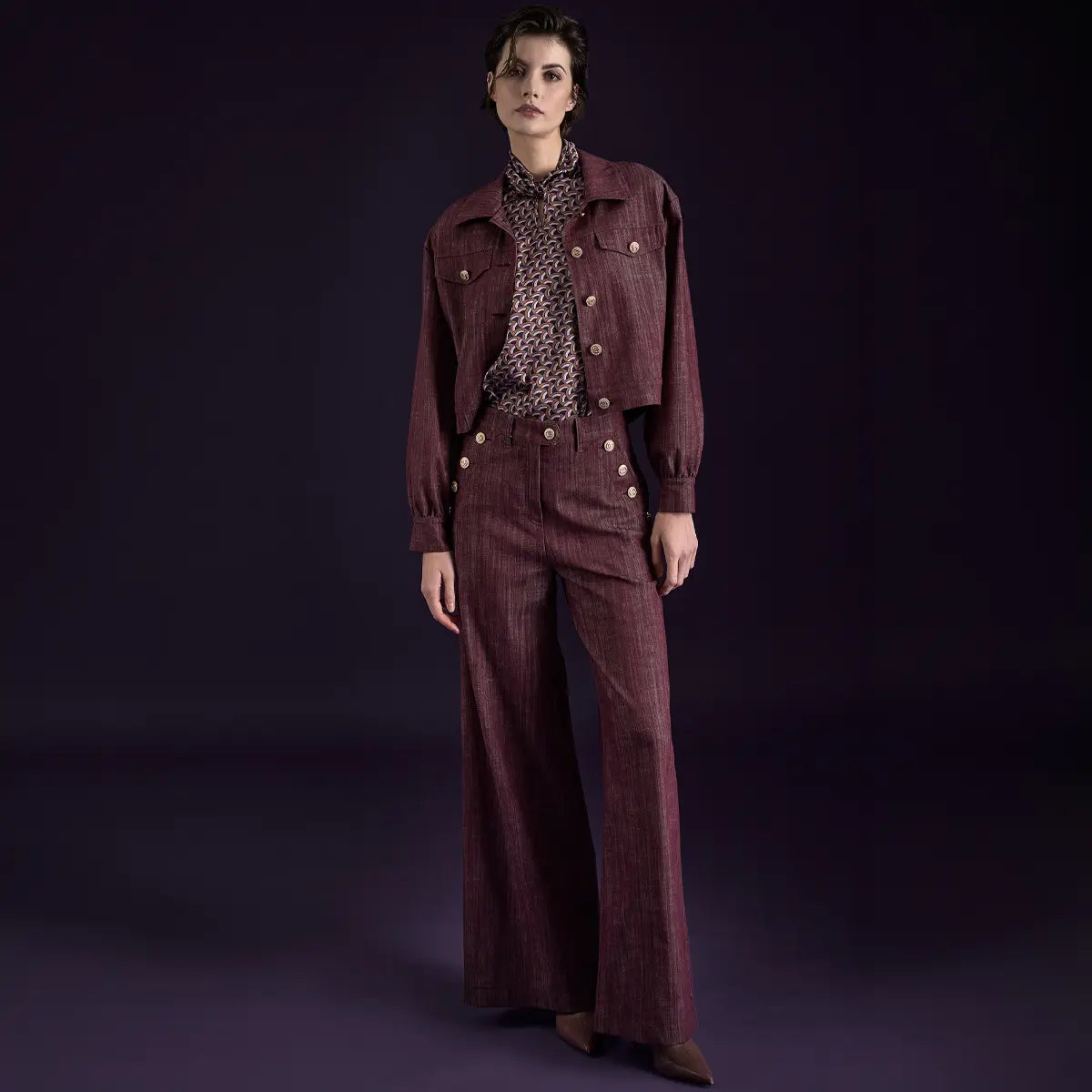
Material-mix styles are characterized by the deliberate combination of different fabrics within a single look: smooth, shimmering silk meets chunky knit; cool faux leather meets soft cashmere; and denim stands out beautifully against shiny satin.
The result is an outfit that can be bold, but doesn’t have to be. When put together subtly, it creates a sophisticated, understated look. The magic word here is color. Soft tones that harmonize across different materials exude elegance. If you want to make a bolder statement, go for contrasts—the best example: a flowing satin dress paired with a teddy jacket and booties.
Important! This is exactly where the mix of materials differs from the mix of patterns and colors. While colors and prints immediately catch the eye, the mix of materials is more subtle. It’s not the obvious color, but rather the texture, structure, sheen or matte finish, and how the pieces fit that “subtly” create the effect. Even a single detail can make all the difference here—such as pairing a chunky wool sweater with a faux leather skirt. More than colors, it’s materials that set the tone for your outfit. That’s exactly why mixing materials is more than just combining fabrics—it’s a small style experiment and often the detail that transforms an average outfit into a sophisticated look.
The combination of different textures tells an emotional story. On the runways of major fashion houses, material mixes create a three-dimensional effect, add visual depth, and reflect the spotlight in different ways. Monochrome outfits made from a single fabric would appear flat; contrasts between matte and shiny, smooth and textured, and flowing and rigid break with visual conventions and create intriguing contrasts. Sturdy fabrics like denim, leather, or tweed lend an architectural structure, while lightweight fabrics like organza or silk add movement to the outfit. The trick is to skillfully bring these elements together to create a modern look.
1. The Contrast Rule: Using Contrasts Strategically
Contrasts attract and create visual tension. Combine materials with different surface textures.
2. Monochrome: Creating a Color Scheme
What creates the necessary cohesion when the textures are different and striking? A cohesive color palette. For example, stick exclusively to shades of beige or gray to highlight the materials and prevent your outfit from looking cluttered. If you’re going for an all-over look in a bold shade like pink or turquoise, you should also limit the number of textures—otherwise, the look can quickly seem haphazard and lose its sophistication. In this case, you can always incorporate a neutral color as a unifying element.

3. Making a Material the Star of the Show
Less is more. This also applies to the choice of materials. When working with a total of three textures, incorporating one dominant statement piece has proven effective. One surface takes center stage, while the others serve as a more subdued complement. Mismatched materials instantly ruin the cohesiveness of an outfit.
4. Working with Proportions
The properties of materials determine how they fit the body. When styling, be sure to create a harmonious silhouette so as not to visually distort your figure. The more eye-catching or voluminous the texture of a garment is, the cleaner the cut should be. Flowing silhouettes, on the other hand, are perfect for softening sharp transitions. You can create harmonious pairings by combining slim faux-leather pants with a voluminous wool coat or a short, boxy tweed jacket with a softly draping dress. You also can’t go wrong with an oversized knit sweater paired with a flowing skirt or a sheer blouse paired with structured suit pants.
5. Think seasonally
Each season places different demands on your look—make sure the textures you choose not only complement each other visually but also suit summer, winter, or the transitional seasons. Mix summery fabrics like linen or satin sparingly with wintery wool or velvet to keep the outfit visually balanced. For transitional looks, you can let your creativity run wild: Opt for silk or chiffon paired with knitwear or faux leather to create eye-catching contrasts in the fall.
Leather and wool —edgy meets soft: a leather jacket with a knit dress, a leather skirt with a delicate turtleneck sweater, or a wool coat with leather pants. Vegan leather alternatives also work well with this mix of materials.
Knit and Satin – Cozy Meets Glamorous: Pairing a chunky-knit sweater with a satin dress or skirt combines volume with a flowing silhouette—perfect for elegant everyday and evening looks.
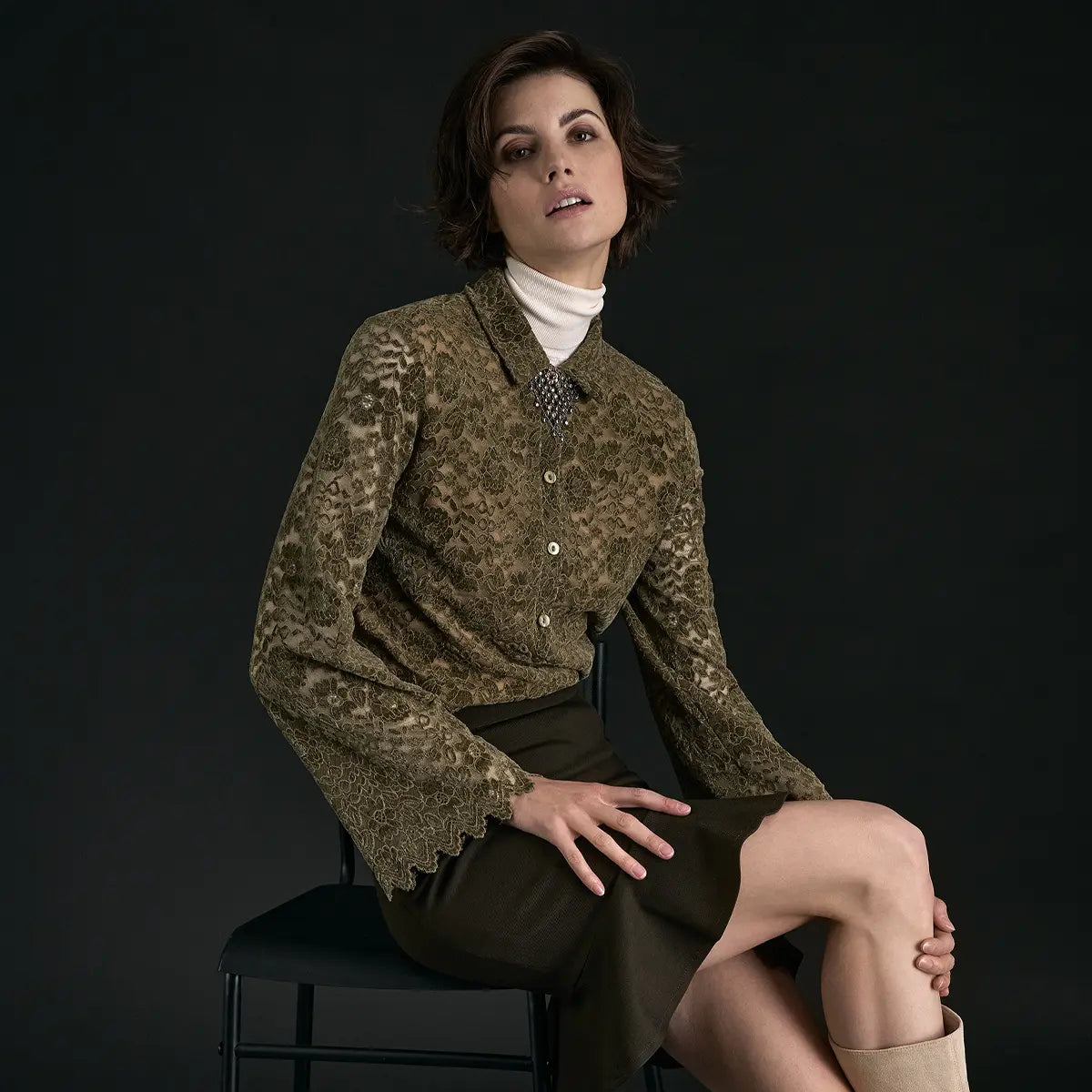
Denim and lace—casual meets feminine: Pairing jeans with a lace blouse or wearing a denim jacket over a lace dress creates a deliberate contrast in style.
Velvet and sheer fabrics – Depth Meets Lightness: A velvet blazer paired with a chiffon blouse or sheer inserts against matte velvet lend festive looks both depth and lightness.
Sequins and matte fabrics—getting the balance right: A sequined skirt paired with a simple knit or a metallic top worn with matte suit pants adds just the right amount of sparkle to catch the eye.
Faux fur and flowing fabrics—volume meets movement: A short faux-fur jacket paired with a long, flowing dress creates a balanced contrast in volume. Subtle accessories complete the look.
Fabrics are the subtle style elements of an outfit. They determine the overall effect of a look—whether it’s elegant, romantic, urban, or extravagant. By thoughtfully combining different textures, you can add depth and personality to your style.
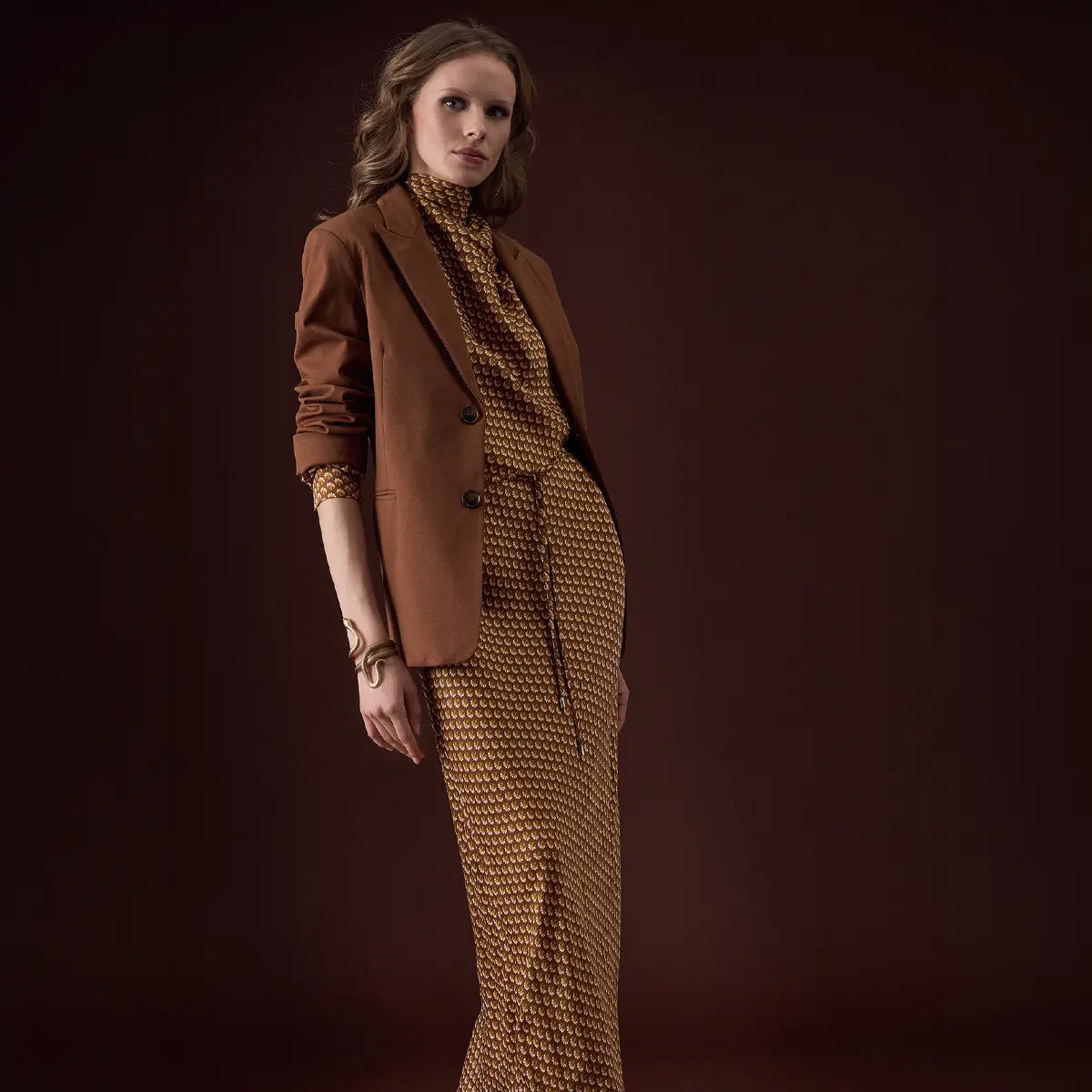
Tone-on-tone looks particularly sophisticated when subtle material contrasts interact: silk meets wool, leather blends with crepe—subtle contrasts create depth through their delicate differences without disrupting the look’s calm. A few high-quality fabrics keep the look classy and modern. For a timeless aesthetic.
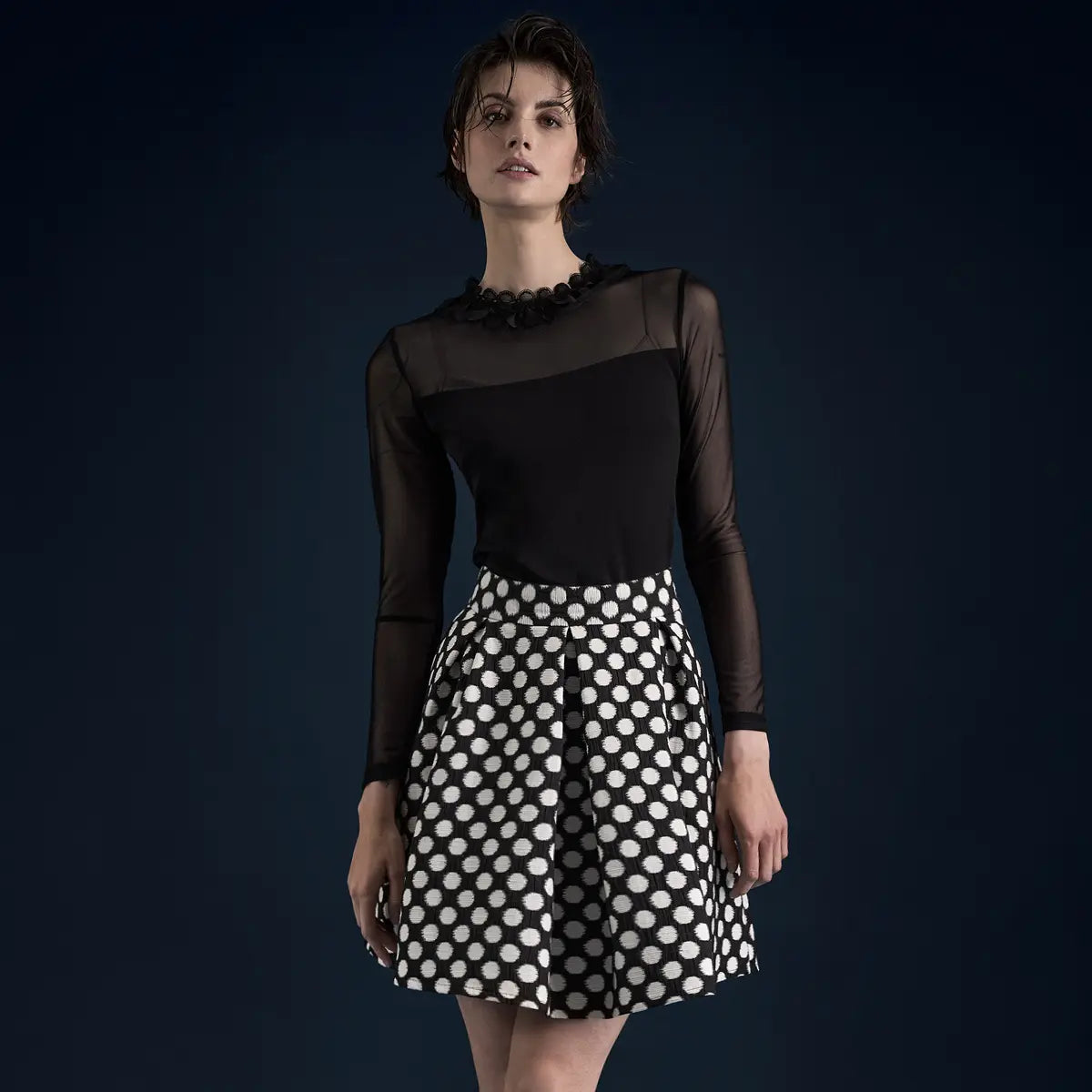
Lace, chiffon, satin, and soft knit fabrics emphasize softness and a touch of independence. Strategically placed sheer details and airy, supple materials highlight feminine charm. Flowing silhouettes pair well with sturdier fabrics to add structure to the look.
Contrast Without a Variety of Colors: A Tone-on-Tone Mix of Materials
Monochrome outfits are anything but monotonous. The secret to their appeal lies in the subtle gradations of shades within a single color family and in the interplay of textures: when silk meets cashmere or chunky knit, depth is instantly created. The look is particularly harmonious when different shades from the same color family are combined. A mix of cream, ecru, and beige, along with various shades of gray or brown, gives the outfit a subtle yet sophisticated feel. In no time at all, you can create high-quality ensembles that are understated yet anything but boring.

Sturdy, dense fabrics like leather, denim, jersey, and technical materials add edge to urban looks. Clean lines and deliberate stylistic contrasts lend a modern feel. Eye-catching boots, sneakers, or a statement bag can serve as a unifying element.
Sometimes, a little extra goes a long way: velvet, metallic fabrics, sequins, and sheer materials create bold accents. Unusual and eye-catching textures turn the outfit into a showstopper. To ensure the look remains modern, a clean silhouette provides structure and prevents the outfit from looking too “costume-like.”


Bringing opposites together —smooth and textured, fluid and firm, matte and glossy
2-3 Mix materials —create interest without overloading the look
Stick to one color family —nuances add depth and create an elegant look
Play with proportions —for example, chunky knitwear pairs perfectly with stiff leather or flowing fabrics
Plan Texture Carefully —Wool, Silk, or Tweed Add Variety
Creating a connection —a common color ties the outfit together visually
Combining too many fabrics —it’s better to keep it simple so as not to overload the outfit
Too many standout pieces in one look —one statement piece is enough
Mixing too many colors —that can quickly make an outfit look cluttered
Mixing bold colors and materials —if every piece demands attention, the outfit loses its impact
When putting together materials that lack a "common thread," be sure to consider a unifying element, such as color
Ignoring proportions —pairing volume with volume can quickly look overwhelming
Yes—the look works especially well when you incorporate a color from the pattern into another piece of clothing. For example, a plaid tweed jacket can be paired with a plain satin skirt. If the pattern is already quite busy, the rest of your outfit should be more understated.
Not every combination of materials requires stark contrasts. Fine ribbed knit and chunky cable knit are already distinct due to their texture. Smooth leather and suede also create a subtle contrast. For the combination to look intentional, the differences should be clearly recognizable.
Pay attention to the type of sheen: Satin has a soft shimmer, patent leather reflects light much more intensely, and sequins create individual points of light. These effects can work well together if you balance them out. For example, a satin dress with a narrow patent leather belt looks more understated than one paired with a large patent leather jacket.
Accessories are part of the overall look and can provide that key contrast in materials. A suede bag complements a sleek pantsuit, while patent leather shoes add a pop of color to a matte knit. You can also pick up on an existing texture to tie different elements of the look together.
In addition to the look, how the layers interact when you move is key. A rough or tight-fitting outer layer can catch on delicate fabrics, causing them to ride up or form wrinkles. So be sure to try the look on while sitting and walking: Do the layers stay in place, and does the fabric drape as desired?
The price doesn't have to match—but the visible craftsmanship should. Look for clean seams, a nice drape, and well-finished surfaces. A simple, well-made basic piece can complement an elaborate statement piece perfectly. Pilling or warped hems, on the other hand, detract from the overall look, regardless of the price tag.

Christine Schmitz
My love for fashion and communication led me to Ana Alcazar—having cut my teeth as a copywriter and concept developer in traditional advertising, I’ve been writing for our Munich-based designer label for over 10 years. As part of the editorial team, I’m responsible for all corporate topics, and I also focus on current trends and my passion: gender equality.
Sometimes a story needs more than a photo can convey. That’s why some of the images in this article were created using artificial intelligence (AI)—curated, inspiring, and always in the spirit of “Wear your Story.” The AI-generated images are clearly labeled next to each photo.
Trouser Shapes Guide
Dress Shapes Guide
Skirt Shapes Guide
Top Form Guide
Jumpsuit Types Guide


