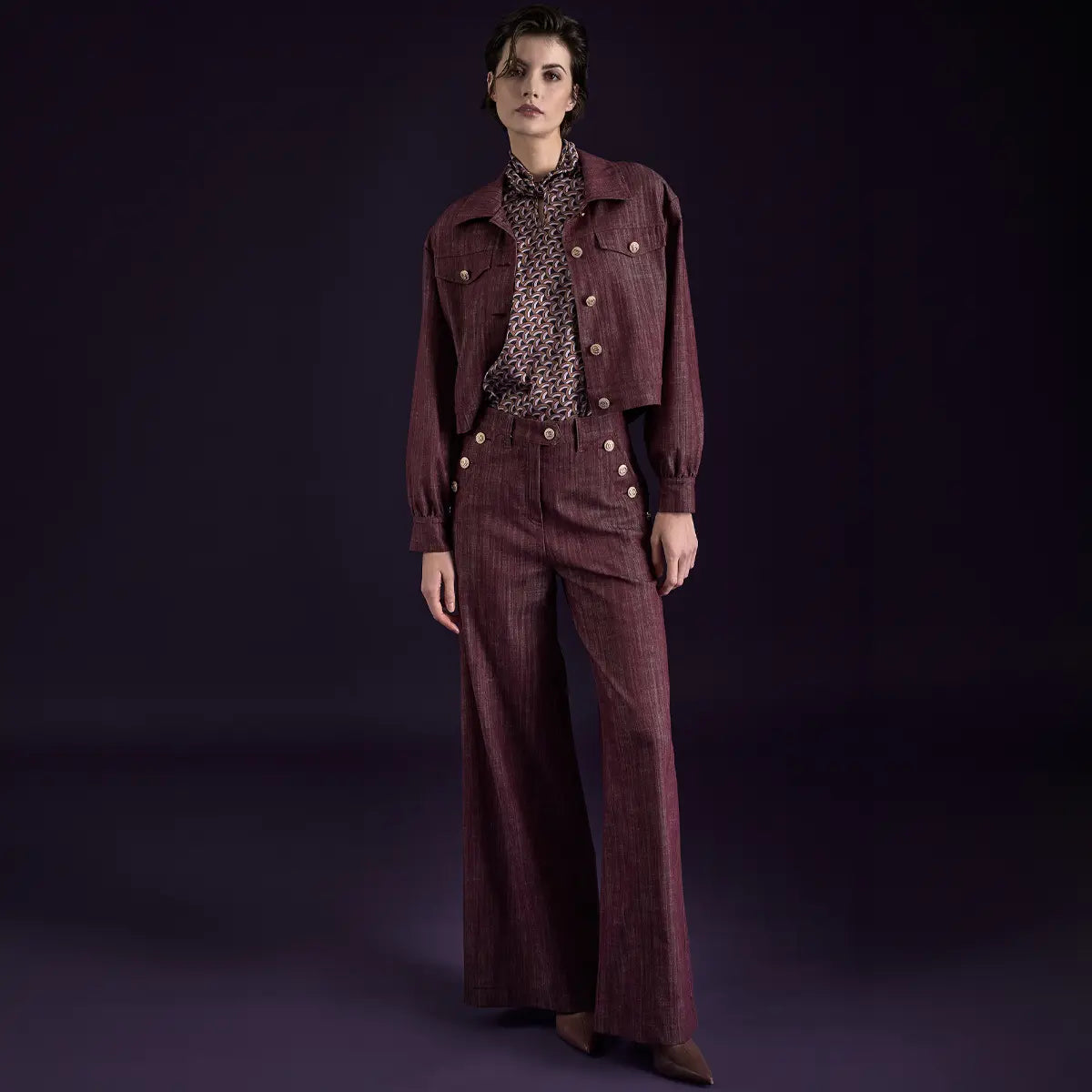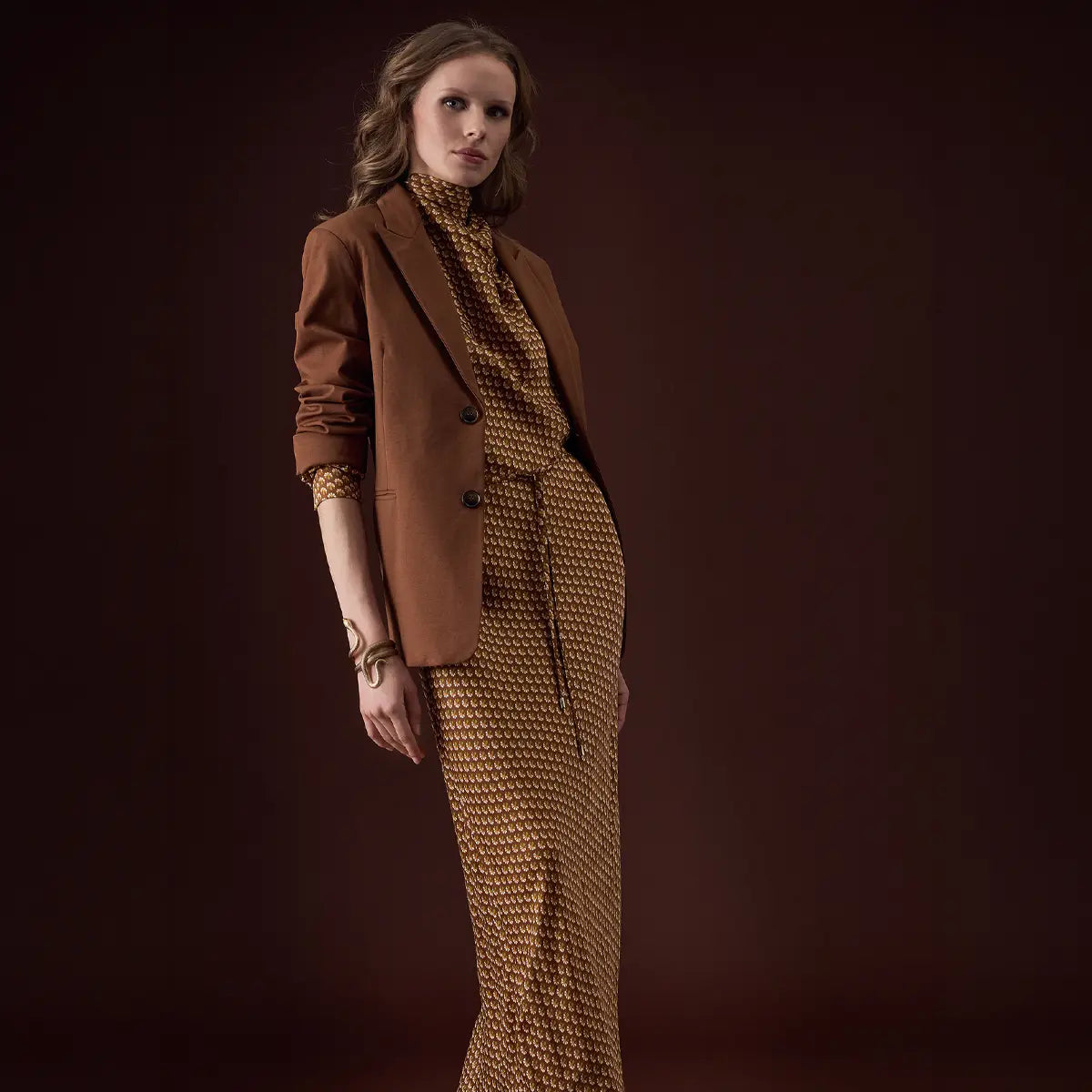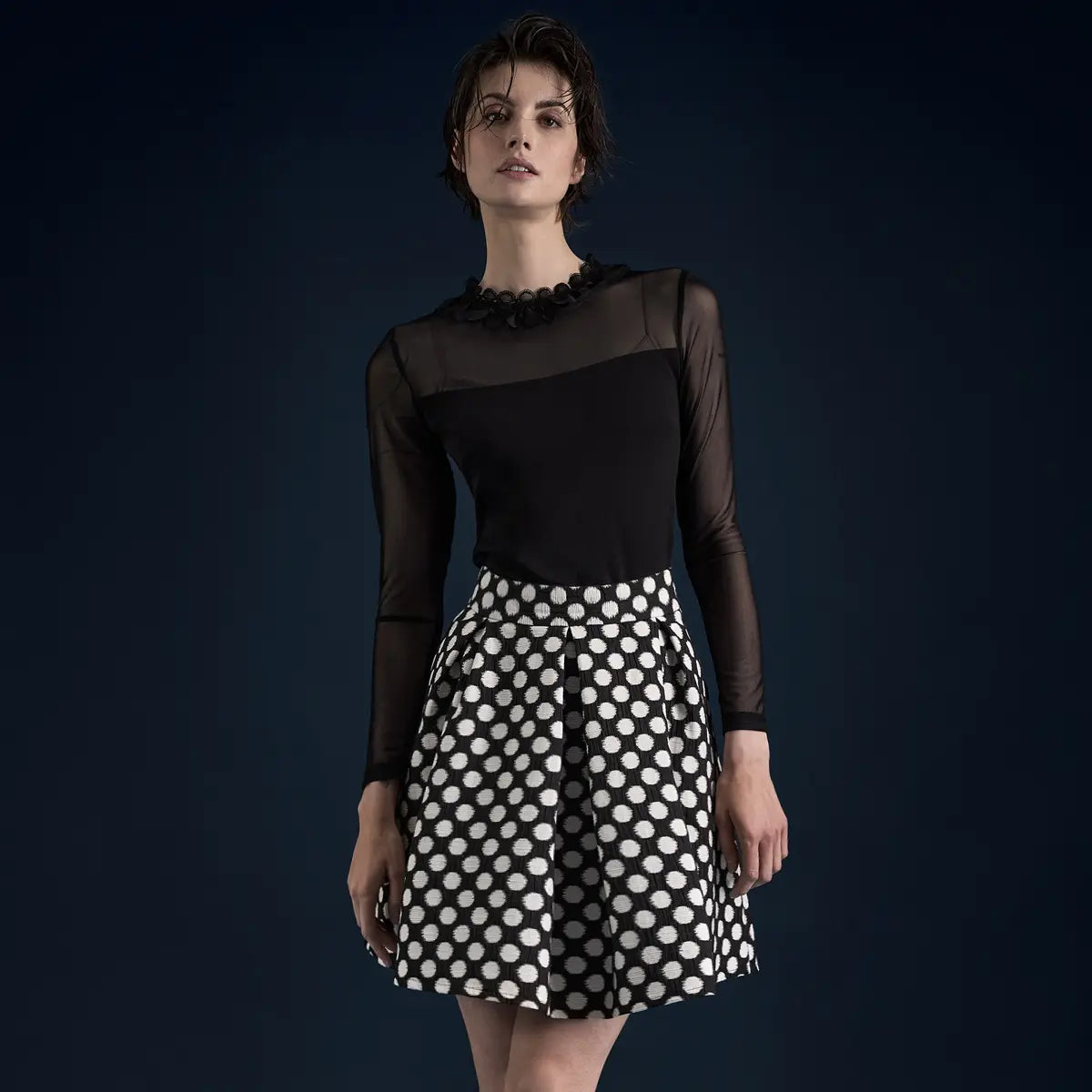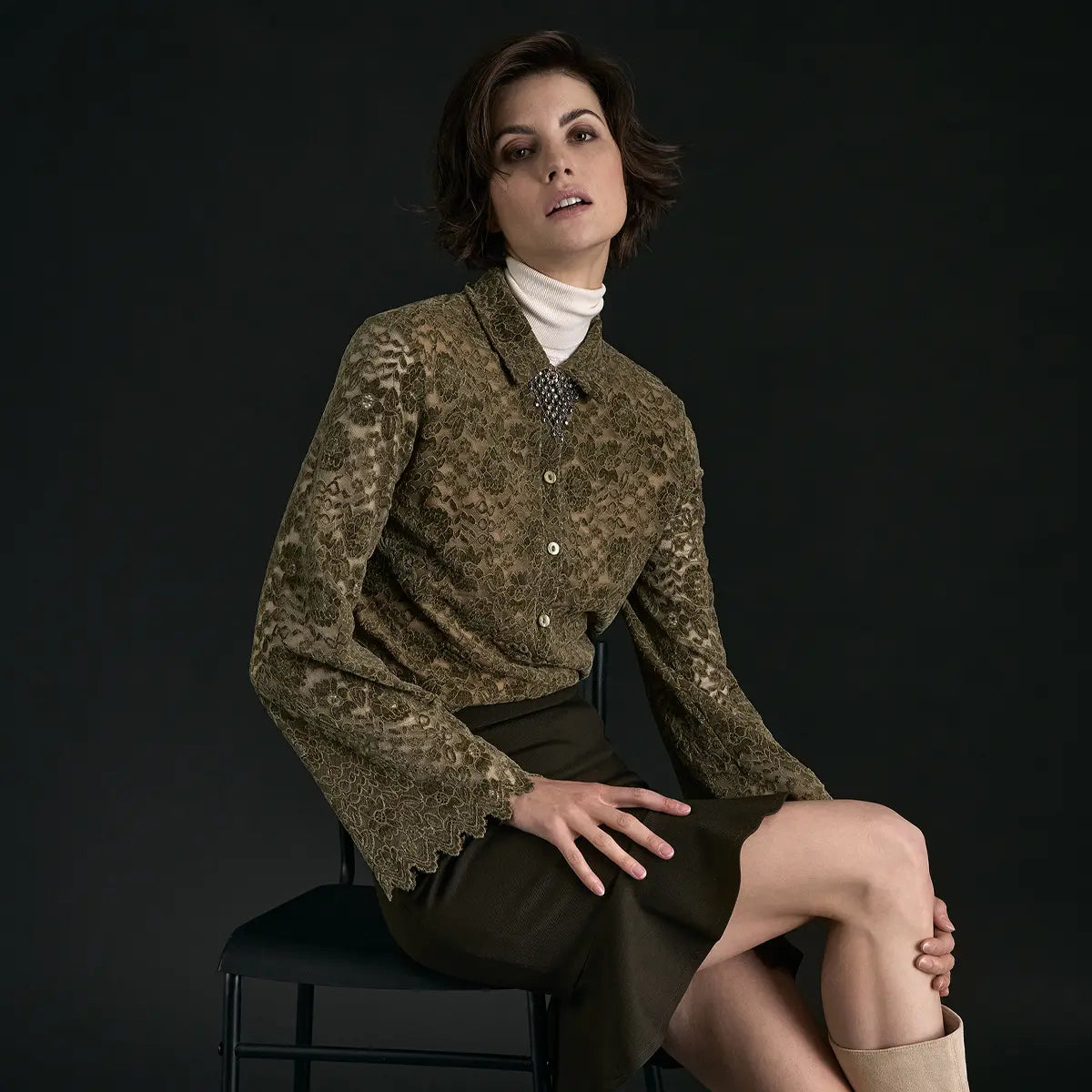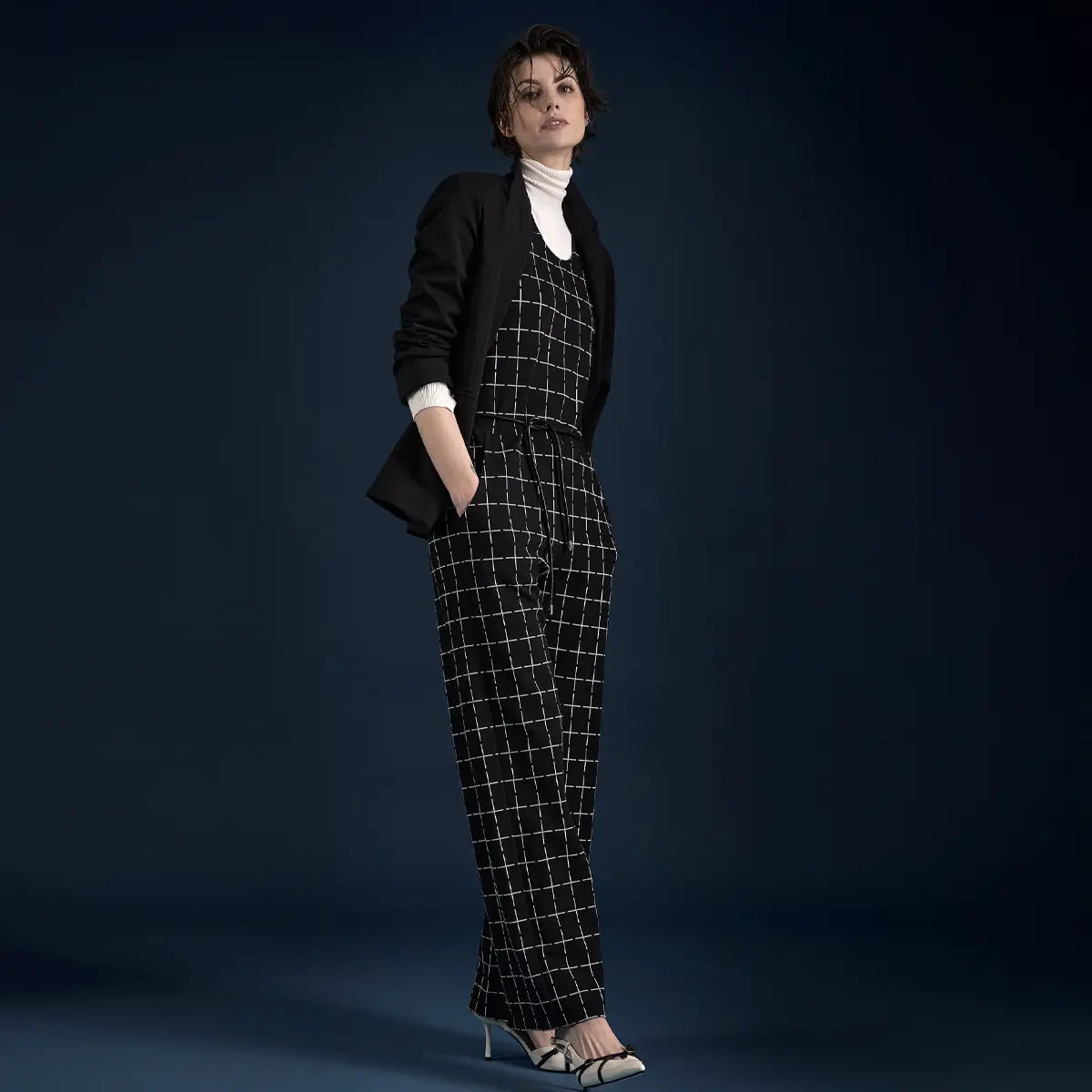


Fashion has always been fascinated by the play of the gaze—from the sheer dresses of French courtesans to the “X-ray skirts” of the 1910s to Marilyn Monroe’s legendary nude dress. Jane Birkin and Cher also made the look iconic. In the 1990s, sheer and semi-sheer designs made a strong comeback thanks to labels like Jean Paul Gaultier, Prada, and Versace.
While transparency was long seen as an expression of rebellion against convention, today it stands for something else: self-confidence, femininity, and individual freedom of style. Modern designs use sheer fabrics in a deliberate and sophisticated way—not to reveal as much skin as possible, but to create intriguing silhouettes and elegant effects.
Transparency as an Expression of Self-Determination
Revealing one’s own body is a confident statement. Semi-transparent panels, cutouts, and layered elements allow you to decide for yourself what to reveal and what to keep hidden. Today, transparency stands less for provocation than for self-expression, a playful approach to fashion, and confident femininity. Sheer dresses can look romantic, playful, sensual, or bold.

Paisley chiffon meets openwork embroidery—in a tone-on-tone cream palette, the sheer layered look becomes elegant and perfect for everyday wear @KI-Illustration
Deeply Rooted in Fashion: Materials and Techniques for Sheer Dresses
Transparency is not a fleeting trend, but a constant in the fashion world. Currently, it is being used as a design statement that combines self-confidence, sensuality, and modern design. The fabrics used for this purpose create contrasts, accentuate the body’s contours, or serve as a sophisticated backdrop for embroidery, appliqués, and innovative craftsmanship techniques. Sheer dresses are versatile and sophisticated.
Overview of Transparent and Semitransparent Materials
Organza: This delicate, usually stiff fabric made of silk or synthetic fibers is particularly well-suited for voluminous silhouettes or layering thanks to its sheer quality.
Chiffon: Often made of silk, viscose, or polyester, chiffon has a flowing drape and a delicate, feminine look—ideal for dresses, blouses, and scarves with a subtle sheerness.
Tulle: This mesh-like, generally stiffer fabric combines transparency with texture and is found in evening wear, bridal wear, and statement looks.
Mesh: Mesh looks more refined and technical than tulle. This functional mesh fabric has made the leap from sportswear to high fashion and is also synonymous with cool, urban styles.
Lace: Elegant, wild, or delicate— lace is versatile, and when paired with floral or ornamental patterns, it creates a subtle semi-transparent effect. Depending on the technique—from Chantilly to guipure to brocade lace—it can have a romantic, graphic, or luxurious look.
Modern manufacturing techniques ensure the necessary perfection
Laser-cut
Unlike traditional cutting or die-cutting techniques, lasers enable extremely fine, precise, clean edges and complex patterns. Laser cutting is used especially with transparent and semitransparent materials to selectively reveal the fabric without causing it to fray.
Embroidery
To create detailed, uniform patterns, embroidery is often done by machine using computer-controlled technology. On fabrics such as tulle, organza, or mesh, the embroidery appears to almost float, creating an elegant 3D effect. The designs can be floral, graphic, or abstract.
Applications
Decorative elements that are ironed on, glued on, or sewn on—such as lace motifs, beads, sequins, or fabric details like flowers—add strategic accents. They also allow designers to deliberately control transparency—for example, by emphasizing or concealing certain parts of the body.
Crochet & Knitting Techniques
A sheer look can also be achieved through fine knit, crochet-style fabrics, and openwork embroidery, which feature open structures that allow the skin to show through in specific areas.
Discover dresses with stylish sheer details
's Top Trends of the Season
Controlled transparency and layering define the current collections. Transparent sleeves, shoulders, and necklines are particularly popular, as are dresses with opaque slips. Sophisticated effects are created by contrasts between mini slips and sheer maxi layers. Fine knits, crochet-style fabrics, and semi-sheer skirt or pant details also play an important role. Today, this trend is versatile, stylish, and surprisingly suitable for everyday wear.
Good to know: Fully transparent or semi-transparent?
Fully sheer looks emphasize maximum transparency and are particularly eye-catching. Semitransparent fabrics such as chiffon, lace, or fine knit, on the other hand, allow contours to show through only subtly. They are considered more suitable for everyday wear and represent the current, more elegant interpretation of the trend.
Sheer Styles for Everyday Wear: Subtle and Wearable
Semi-transparent pieces can also be worn during the day; it all depends on where they appear on the dress or top and how prominent they are. A top with cutouts lined with sheer fabric or sheer elements on the sleeves lets you wear the trend subtly—without showing too much skin. How you style the sheer piece is also key—pairing a simple top under a sheer blouse can add a casual touch to your overall outfit with jeans, sneakers, and a blazer. Perfect for coffee dates or after-work drinks.
Evening and Event Wear: Glamorous, Bold, and Experimental
Sheer dresses, pants, and tops are perfect for glamorous nights out. Choose a sheer dress made of lace or with a crocheted look that features an additional sheer layer in midi or maxi length over an opaque mini slip dress, and pair it with high heels. This adds depth and movement to your look. This dynamic ensures that even minimalist looks appear exciting and take on a new dimension.
Do you know the fashion rule that says the more sheer the fabric is, the more you should wear underneath it?
We recommend tank tops, bodysuits, short (cycling) shorts, or bodycon dresses. Shapewear also works well under sheer outfits. For a night out at the club, though, you can take it a step further: a finely crafted bra under your mesh top is all you need. It pairs perfectly with faux leather pants.
Sheer Dresses—Here's How!
Incorporate sheer elements into your layered look
Combine sheer fabrics (organza, tulle, chiffon) with sturdy materials such as denim, leather, or wool
Create contrasts through a skillful mix of materials
Strategically layer bralettes, bandeaus, bodysuits, or slip dresses under sheer pieces
Balancing sheer fabrics: If you show a lot of skin on top, keep the bottom covered
Choose high-quality fabrics
When styling, keep the occasion in mind: understated for everyday wear, bold for the evening, and subtle for business.
Don'ts
Combine multiple transparent parts
Ignore visible bra straps or seams
Use inexpensive materials
Don't design silhouettes in a way that makes the look appear shapeless
Ignoring dress codes and dressing inappropriately for the occasion
Ignore a poor fit
Too flashy a combination

Christine Schmitz
My love for fashion and communication led me to Ana Alcazar—having cut my teeth as a copywriter and concept developer in traditional advertising, I’ve been writing for our Munich-based designer label for over 10 years. On the editorial team, I’m responsible for all corporate topics, and I also focus on current trends and my passion: gender equality.
Between Image and History
Sometimes a story needs more than a photo can convey. That’s why some of the images in this article were created using artificial intelligence (AI)—curated, inspiring, and always in the spirit of “Wear your Story.” The AI-generated images are clearly labeled next to each photo.