


The Bride's Mother at the Wedding: Responsibilities, Dress Code, and Elegant Outfit Ideas
|
|
|
Time to read 9 min
|
|
|
Time to read 9 min
Yay, we’re getting married! First comes the sheer joy—and then the work begins. Because when your own wedding is just around the corner, there’s an endless list of things to organize and decide. From the venue and guest list to the music, styling, and decorations: the big day needs to be well planned. And that’s exactly where the mother of the bride comes in.
The role of the mother of the bride is more multifaceted today than ever before. While many traditions used to be clearly defined, today it is primarily the personal relationship and the wishes of the bride and groom that determine which responsibilities the mother takes on. Whether it’s emotional support, organizational skills, or style advice—the mother of the bride can be one of her daughter’s most important allies throughout the entire wedding planning process.
At the same time, many mothers also ask themselves: What should the bride's mother wear to the wedding? What colors are appropriate? And how do you find an elegant outfit that looks modern yet remains stylish?
Today, the responsibilities of the mother of the bride are as unique as each wedding itself. While some mothers are deeply involved in the planning, others tend to take on more of an emotional or organizational support role. Above all, it’s important that the support feels natural—without expectations or strict rules. From the bachelorette party to the big day, the bride’s mother can be a vital source of support in many different ways.
Dress Code Guide
Mother of the Bride
Elegant and festive—making a statement without outshining the bride.
Formalities
For evening weddings, take it up a notch—head toward a grand evening celebration.
Dress Length
Color Inspiration
Traffic Light for Special Occasions
The kickoff to every wedding is the bachelorette party—a special event where the bride-to-be celebrates with her close friends. Does the mother belong here? If you have a good relationship with her, she’ll fit right in. So—why not invite Mom to the big party, too? It’s then up to her to decide whether she wants to dance into the early morning hours or call it a night earlier.
The bride's mother is often a key source of support when it comes to planning the wedding. Many mothers help with:
Especially valuable: Experience, composure, and a realistic perspective on many decisions.
The guest list is one of the most sensitive topics at any wedding. Who should be invited? Where do you draw the line? Especially when it comes to family matters, the mother can act as a mediator and help resolve awkward situations diplomatically.
For many brides, shopping for a wedding dress together is an emotional experience. The mother’s opinion often plays a major role in this process. At the same time, this is the perfect opportunity to coordinate the mother of the bride’s outfit with the wedding’s overall style.
Harmonious outfits look especially beautiful without mother and daughter being dressed identically. Family heirlooms or accessories with sentimental value can also make the wedding look particularly personal.
Amid all the anticipation, planning, and nervousness, the mother is often the emotional anchor. A listening ear, honest conversations, or simply spending time together can be incredibly valuable during the stressful planning phase. Even on the morning of the wedding itself, the bride’s mother is often the one who helps keep everyone calm and assists with styling or final preparations.
On the wedding day itself, the bride’s mother often takes on an important role as hostess. She welcomes guests, helps with organizational matters, and takes the pressure off the bride. Depending on the family situation, the mother may also walk her daughter down the aisle or accompany her to a non-religious wedding ceremony—a modern and very emotional alternative to the classic tradition.
Why should the father always be the one to give the wedding speech? Many brides have a particularly close relationship with their mothers. A personal speech from the mother is therefore often one of the most emotional moments of the wedding.
Some couples already have children when they get married. Grandchildren love their grandparents. To give the bride and groom a little more space at the wedding, Grandma and Grandpa can look after the little ones during the celebration.
Probably the most common question many mothers ask is: What should the bride's mother wear to the wedding?
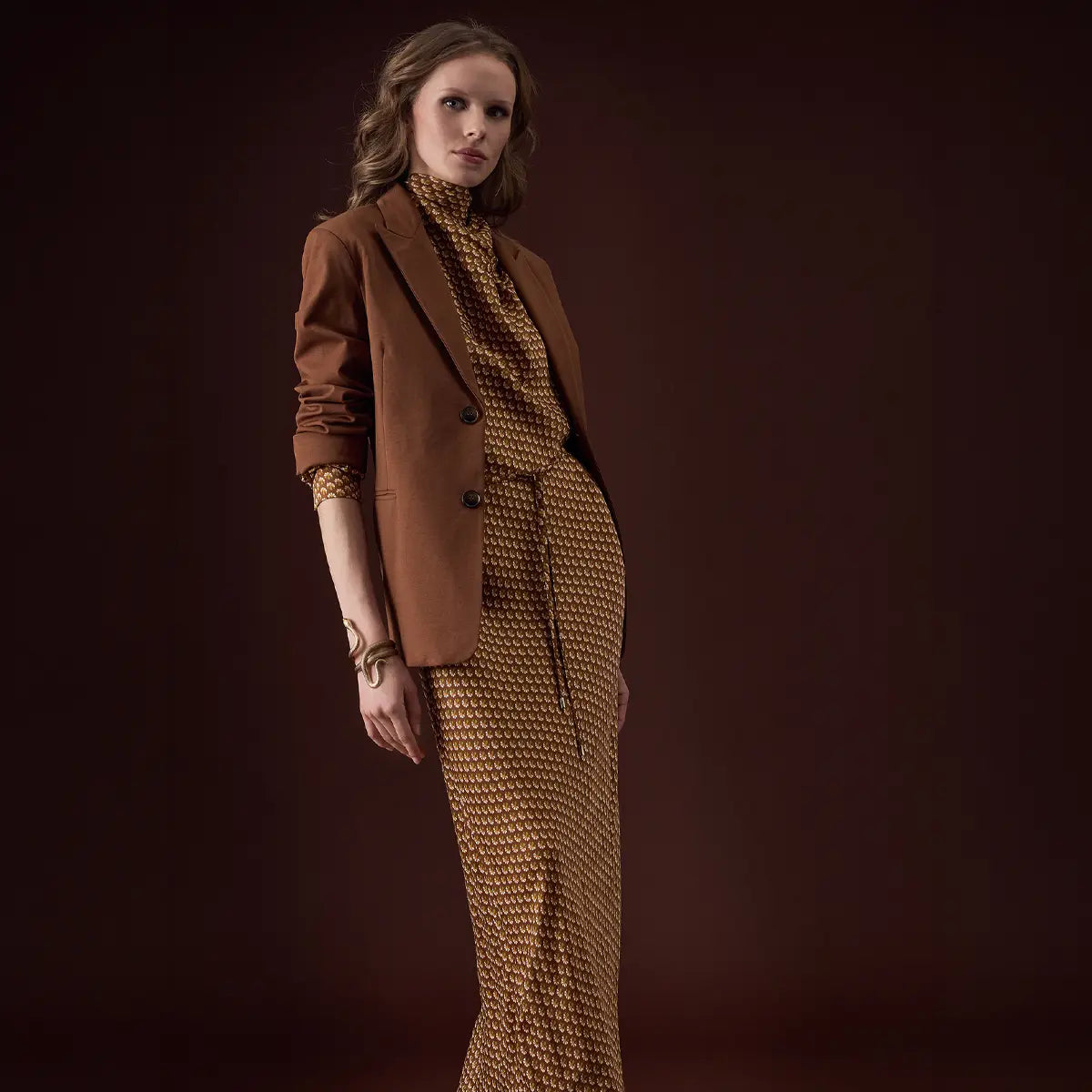
The answer: an outfit that’s elegant, flatters her figure, and complements the wedding’s style. Above all, it’s important that the mother of the bride feels comfortable and stays true to her own style. While some women prefer modern pantsuits or jumpsuits, others love feminine dresses made of flowing fabrics like satin, chiffon, or silk.
Midi dresses are among the most popular looks for mothers of the bride. The following styles look especially elegant:
Depending on the dress code, knee-length or floor-length styles can look especially festive.
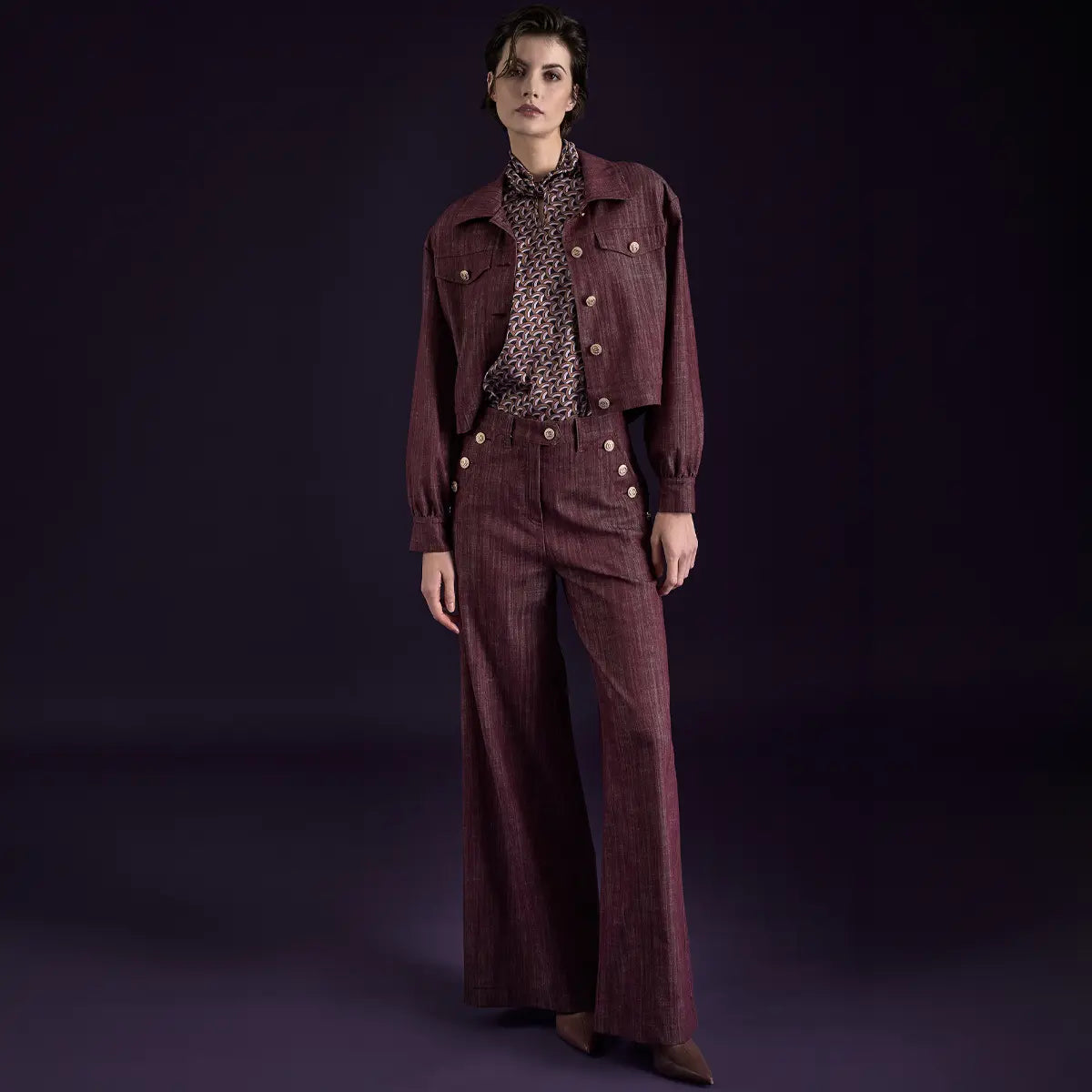
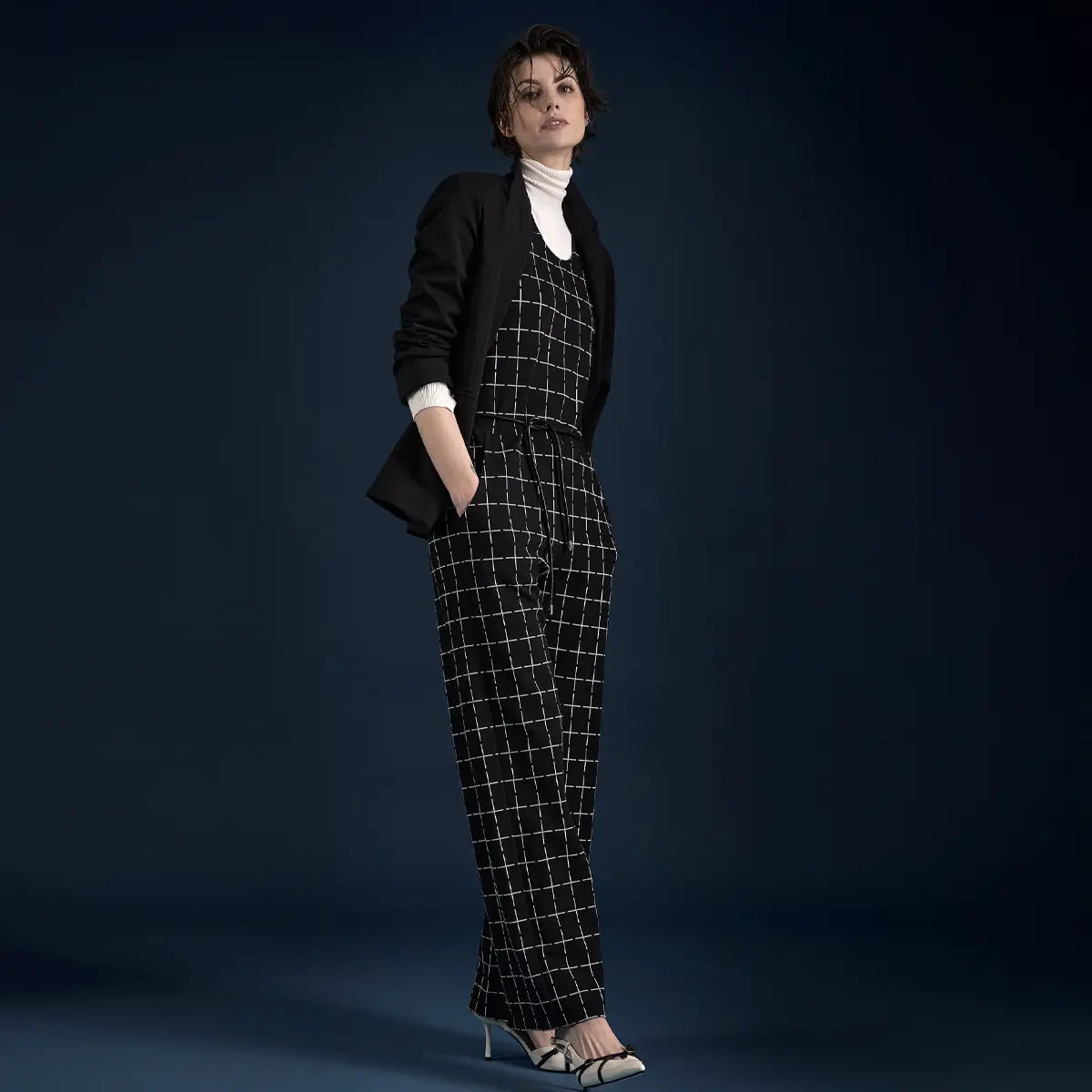
Modern mothers of the bride are increasingly opting for stylish two-piece outfits or elegant jumpsuits. Monochrome looks in soft colors, in particular, come across as sophisticated and contemporary.
Particularly elegant:
Lightweight fabrics like chiffon or silk create an airy look. Pastel shades, sage, or rosé look especially fresh.
Muted colors like taupe, dark green, mauve, or burgundy go perfectly with the season.
Velvet, dark blue, or elegant metallic shades evoke a wintery, glamorous look.
The bride's personal style is the key factor in choosing an outfit. For the ceremony at the registry office, many brides opt for simpler dresses or another white outfit. The bride's mother's attire can also be coordinated with this.
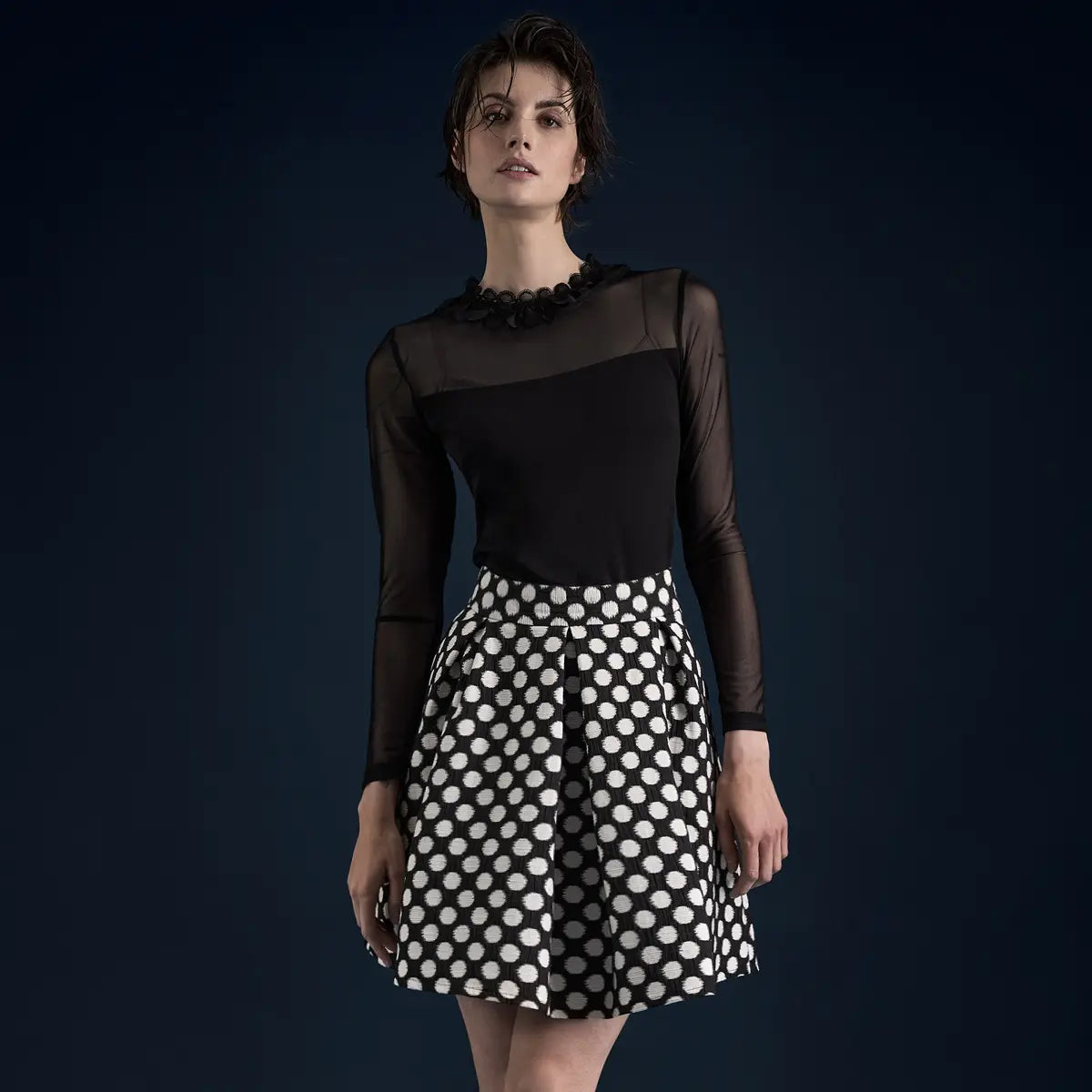
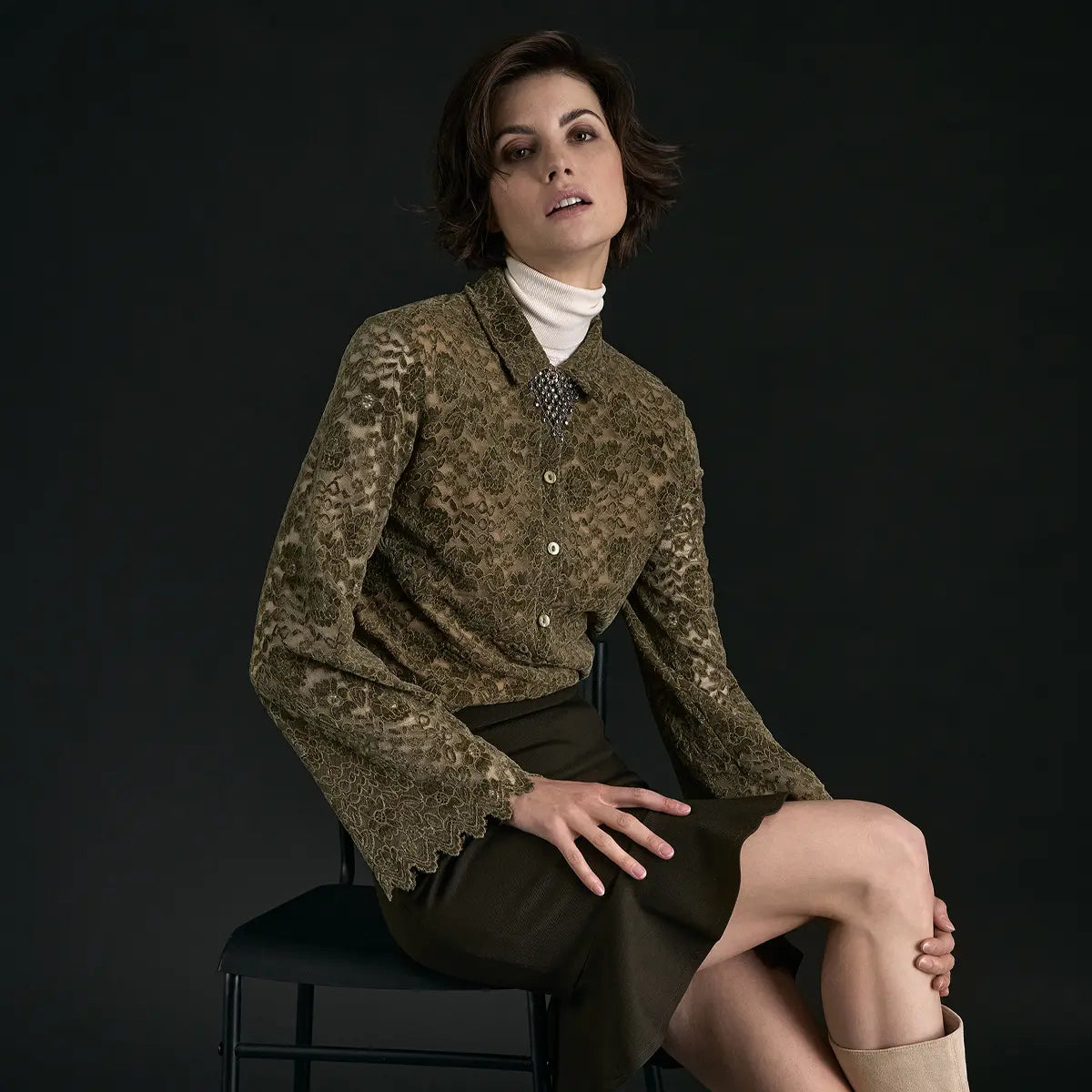
Combinations of skirts and blouses paired with jackets, classic pantsuits, one-piece outfits, or stylish shift dresses and flattering A-line styles are perfect for the fashion-conscious mother of the bride.
Color choice plays a crucial role in the bride's mother's outfit. The following combinations look particularly harmonious:
Nude, Rosé, Lavender, Light Blue, Sage, Mint, Taupe, Navy, Gray, Violet
Bold colors like fuchsia, blackberry, or emerald green can also look beautiful—especially when they match the wedding theme. Above all, it’s important to coordinate with the bride and the overall color scheme of the wedding.
To suit the occasion, it’s better to focus on special materials rather than too much bling. Stylish decorative details often make all the difference—embroidery or a scarf can be the perfect finishing touch. A two-piece outfit—a skirt or pants paired with a blouse or blazer—also looks festive and can be mixed and matched to suit your personal style.
Pure white or ivory are generally reserved for the bride. Even very cream-colored outfits can quickly look too much like a bridal look in photos. Black, on the other hand, is no longer an absolute taboo. When styled in a modern way—for example, with jewelry, soft fabrics, or colorful accessories—a black outfit can look very elegant and stylish.
It's the right accessories that really complete the look. These are particularly stylish:
Covered shoulders are often a stylish choice, especially for church weddings.
Coordinate with the bride-to-be
Don't put together your own outfit until after you've bought your wedding dress
Opt for subtle, lovely shades such as rosé, lavender, or beige
For bold colors: Discuss the look with the bride
Staying true to yourself
Just in case: Pack tissues, makeup, pantyhose, deodorant, etc.
Pay attention to accessories
For particularly elegant outfits: Choose high heels
White
Too short, too revealing
Patterns That Are Too Wild
Bold Looks
Sequins, rhinestones—the bride is the star of the show
A Color Clash with the Bride's Outfit
My conclusion: The mother of the bride plays a very special role—both in life and at the wedding. It’s best for mother and daughter to work together on their style: a coordinated look in subtle colors that suit their individual styles, one that complements the occasion and the venue while also highlighting your own personal style.
The secret: First the wedding dress, then your outfit—coordinated in color with the bride (and the groom’s mother), avoiding white and black, and with your shoulders covered in church. That way, you’ll look proud, beautiful, and harmonious in the photos.
The mother of the bride should avoid wearing pure white or outfits that look too much like the bride's. Extremely flashy or very revealing outfits also often seem inappropriate.
Yes. Black is definitely acceptable these days—especially for elegant evening weddings. The key is to style the look so that it’s friendly and festive.
Pastel shades—such as sage, rosé, navy, taupe, and lavender—are particularly popular. The color should complement the wedding theme and suit the bride.
For the civil ceremony, elegant but somewhat simpler looks are appropriate, such as midi dresses, pantsuits, two-piece outfits, or stylish jumpsuits.
No—but colors that are harmoniously coordinated look especially beautiful in photos.
These days, the mother of the bride usually pays for her own outfit. However, there are no longer any set rules about this.
Christine Schmitz
My love for fashion and communication led me to Ana Alcazar—having cut my teeth as a copywriter and concept developer in traditional advertising, I’ve been writing for our Munich-based designer label for over 10 years. On the editorial team, I’m responsible for all corporate topics, and I also focus on current trends and my passion: gender equality.
Sometimes a story needs more than a photo can convey. That’s why some of the images in this article were created using artificial intelligence (AI)—curated, inspiring, and always in the spirit of “Wear your Story.” The AI-generated images are clearly labeled next to each photo.
Trouser Shapes Guide
Dress Shapes Guide
Skirt Shapes Guide
Top Form Guide
Jumpsuit Types Guide


