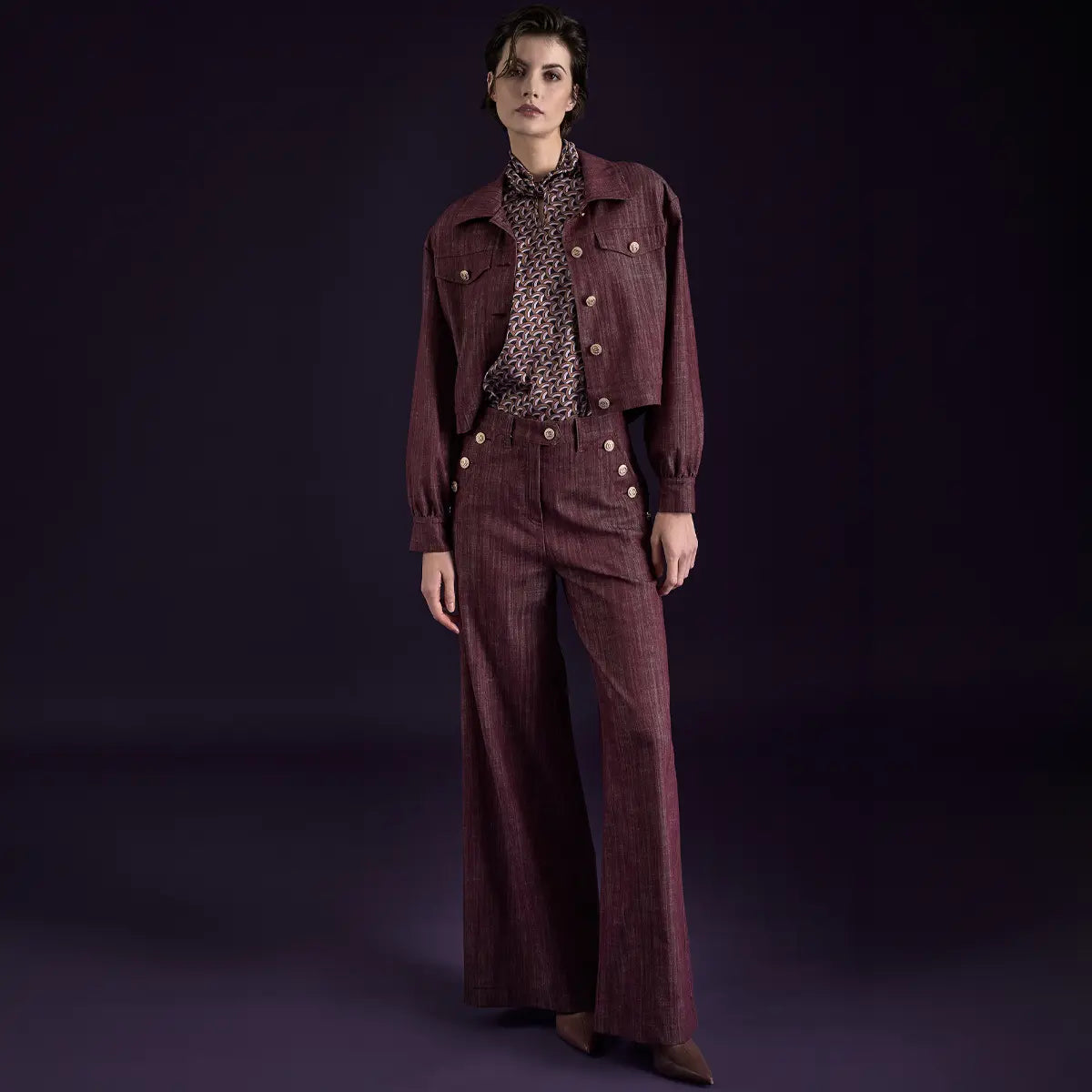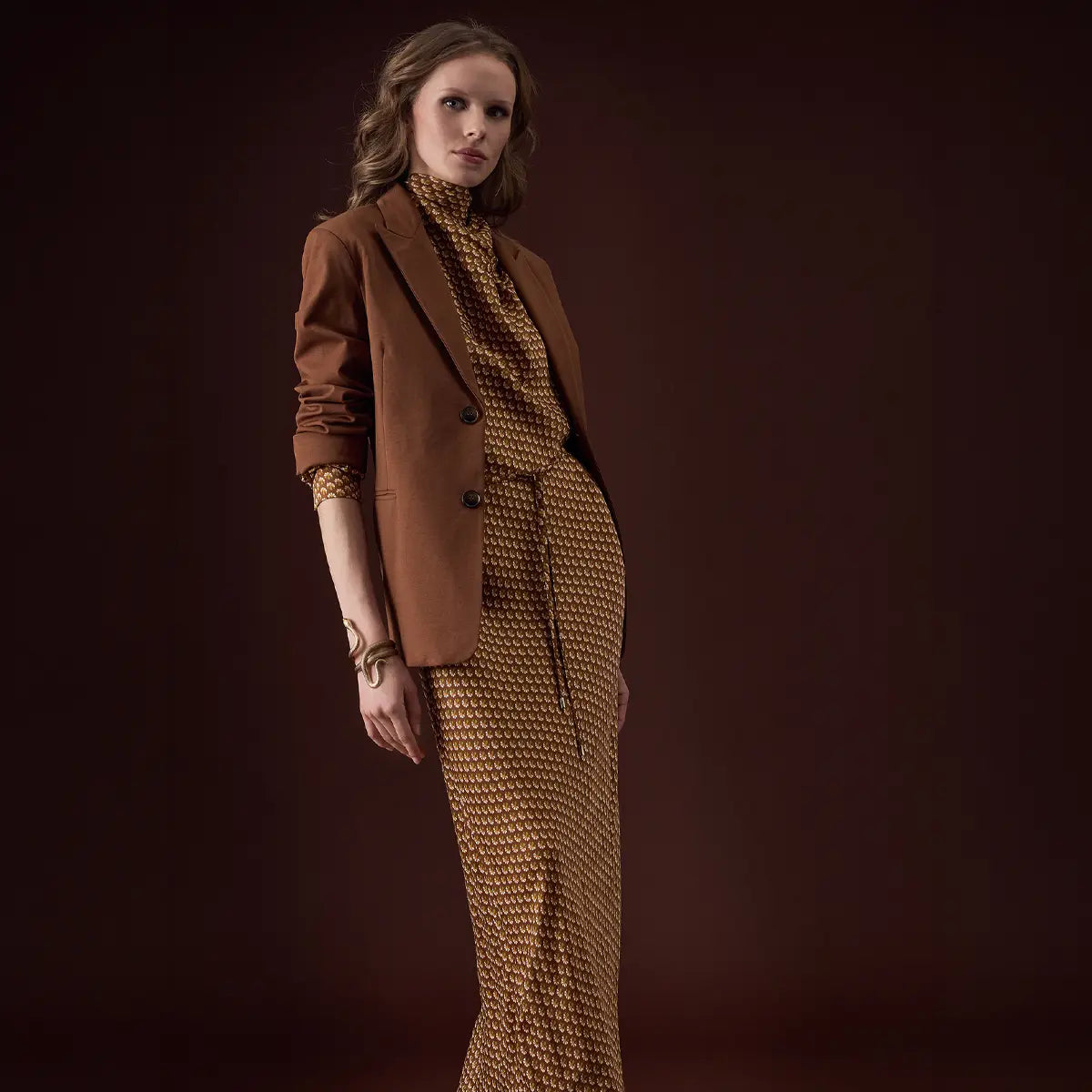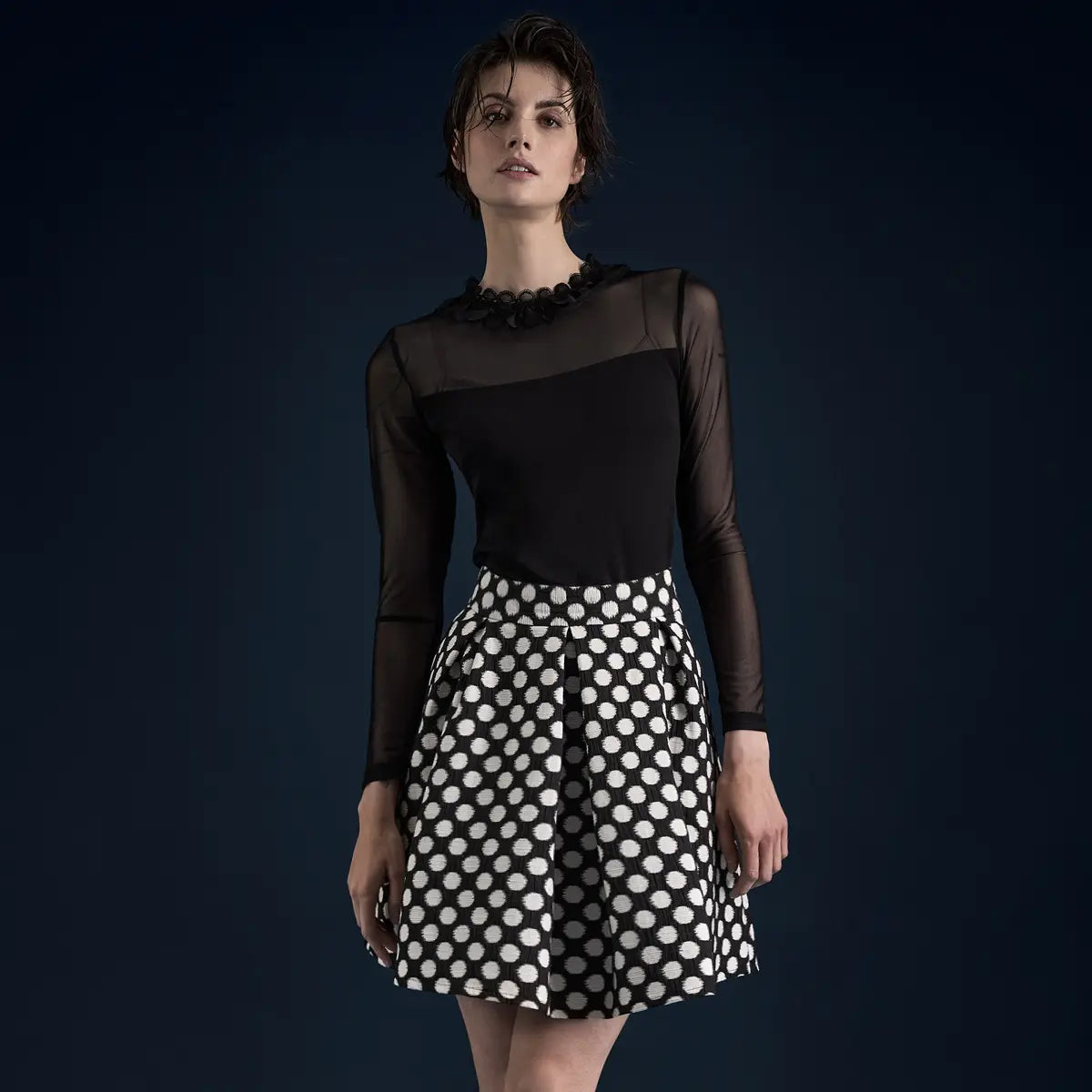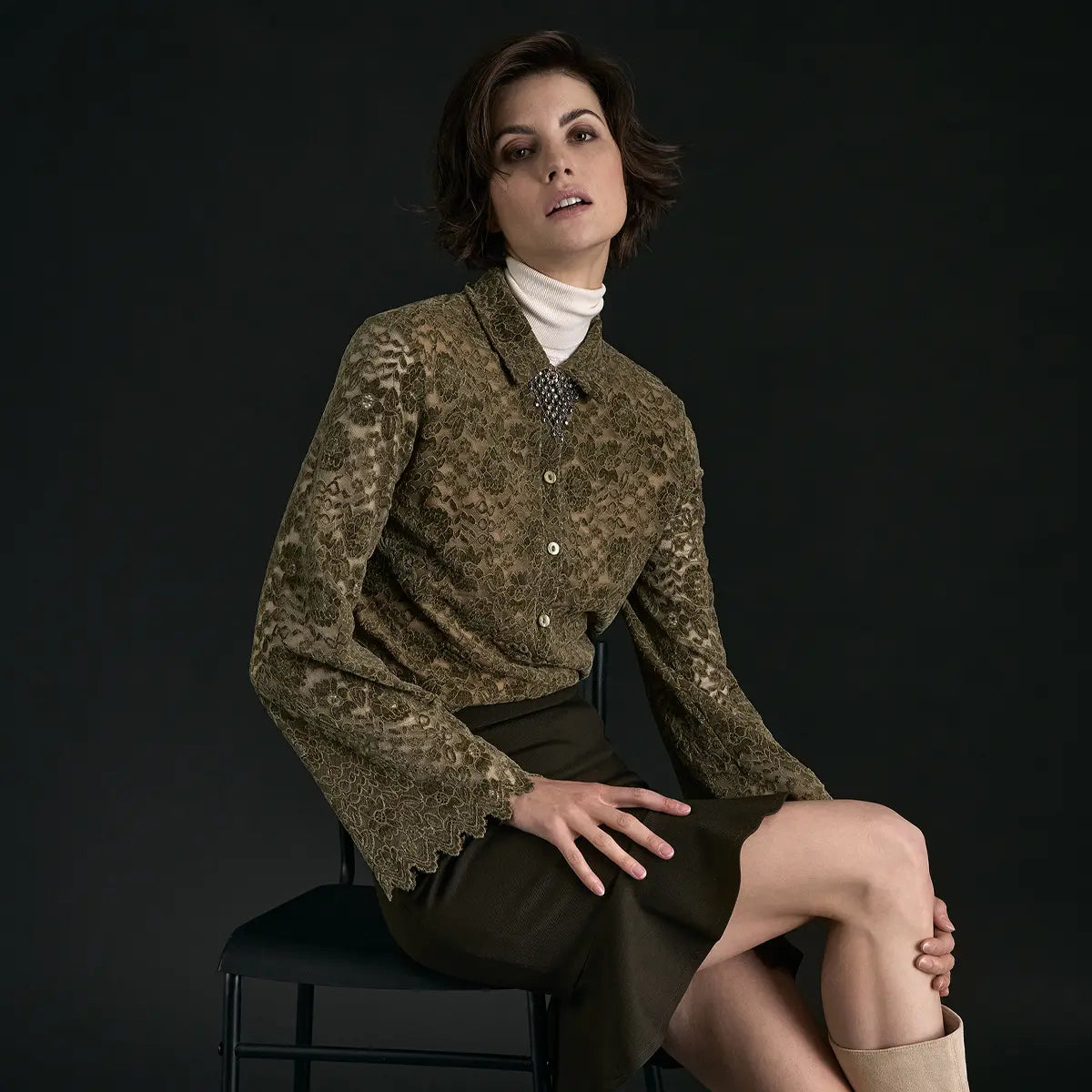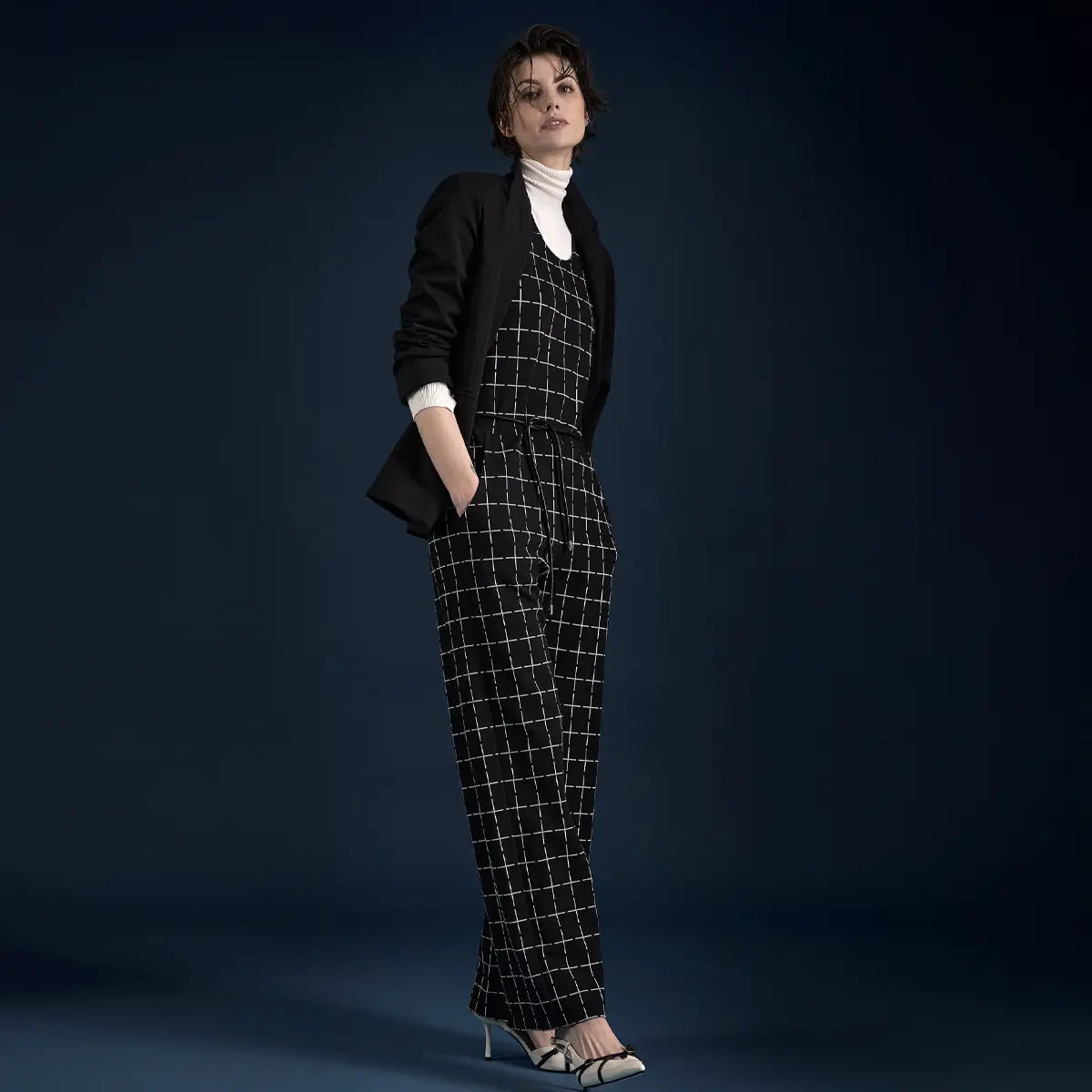


Key Points at a Glance
As a guest at the civil ceremony, wear festive yet understated attire that falls somewhere between business and cocktail wear—an elegant sheath or cocktail dress, a jumpsuit, or a combination of a skirt or pants and a blazer. White and cream are reserved for the bride; save your most formal evening wear for the church ceremony.
- Style: festiveyet understated, somewhere between business and cocktail attire
- Colors: muted, elegant shades—white and cream are off-limits (bride)
- Looks: Sheath/cocktail dress, jumpsuit, or skirt/pants + blazer
The civil wedding ceremony is the intimate, often underappreciated part of a wedding—a small gathering, yet of great significance. As a guest, you’re navigating a delicate balance here: festive enough to honor the moment, yet understated enough not to overdo it. If you strike the right note, you’ll almost always get it right.
In this guide:
The Ceremony at a Civil-Only Wedding Your Dress Code Guide at a Glance What should I wear? Your dress code as a guest Avoiding Fashion Faux Pas Dressing with Style These looks are appropriate for a civil ceremony Dos & Don’ts for the Civil Registry Office Frequently Asked Questions About the Civil Registry Office
The ceremony at the purely civil wedding
The civil registry office is where couples pledge their eternal love to one another: The marriage is officially registered, and with their signatures, the engaged couple becomes husband and wife. Today, many couples choose not to have a church wedding and say “I do” exclusively at the registry office before moving on to the more relaxed part of the day.
Unlike a church or independent ceremony, the actual wedding ceremony is usually rather low-key and typically lasts about 20 minutes—many couples personalize it to make it more festive with musical performances or a ring exchange. After the welcome, a brief speech, and the marriage vows, the exchange of rings and the kiss follow—if desired—as the dramatic highlight of the ceremony. The official ceremony concludes with the signatures of the bride and groom and the witnesses.
Good to Know
By law, best men and maids of honor are no longer required. After the ceremony, a champagne reception brings everyone together—and depending on the hosts’ preferences, the celebration continues at a restaurant, a café, or at a garden party at home.
Dress Code Guide
Registry Office
Festive yet understated, striking a balance between business and cocktail attire—white is reserved for the bride.
Formalities
Casual
Smart Casual
Business
Festive
A Great Evening
Gala
Save your most formal evening wear for the church ceremony—go for something a bit more casual for a small daytime wedding.
Dress Length
Mini
Knee-length
Midi
Maxi
Color Inspiration
Pink
Light Blue
Mint
Apricot
Traffic Light for Special Occasions
Hits the right note
- Cocktail/sheath dress (knee-length to midi), jumpsuit, or skirt/pants + blazer
- Pastel shades: pink, light blue, mint, apricot
- A blazer or cardigan to top off the look, along with subtle jewelry
With Care
- Freshen up black with just a few light accents
- Bright red — don't steal the bride's spotlight
I'd rather not
- White & Off-White (reserved for the bride)
- Too short, too sexy, plunging necklines
- Flashy sequins, T-shirts, distressed jeans
What should I wear? Your dress code as a guest
Neither underdressed nor overdressed—and definitely don’t steal the bride’s spotlight: that’s the rule of thumb. As a general rule, for a purely civil wedding, the dress code is less romantic, extravagant, or whimsical than at an outdoor ceremony, and less formal than at a church wedding. So a slightly more casual style is allowed. Still, the bride and groom are in charge of their day—which is why the ultimate tip is: Check in briefly with the bride. What do the couple expect from their guests? If you’re the maid of honor or the mother of the bride, coordinating is even more important—if only for the photos. And no matter the guidelines, stay true to your own personal style—that’s how you’ll look your most natural.

Festive yet understated, striking a balance between business and cocktail attire: three guest outfits for the civil ceremony. @KI-Illustration
The Ultimate Tip
You know the bride and groom best—check in with them briefly, especially if you’re thinking of choosing black or unconventional colors. That way, you’ll know exactly how stylish or unique the couple wants their big day to be and what they expect from their guests.
Avoiding Social Blunders
There are a few basics you should know. As a general rule: Less is more. Your outfit should be appropriate for the occasion and the season—so for a November wedding, it’s best to leave that beloved summer dress in the closet, even as part of a layered look. When it comes to colors, there are unwritten rules for all weddings: White is reserved exclusively for the bride and off-limits for guests—as are beige, champagne, ivory, and cream. It’s best to avoid very bright colors; no one should be dressed more spectacularly than the bride. Black is also frowned upon at a joyous celebration—but you can liven up the little black dress with a light-colored scarf, a blazer in a different color, a bag, or a brooch. Wild, colorful prints like leopard, ’70s-style flower power, or boho styles are too much—unless it’s explicitly a boho wedding. Elegant, stylish patterns, on the other hand, are fine. One thing is clear: short, skin-tight, and overtly sexy outfits have no place at a wedding.

After saying "I do": the champagne reception, where everyone toasts the couple. @AI illustration
Dressing with Style
As I said, less is definitely more. You can wear an evening gown, but it shouldn’t be too extravagant. If the bride is wearing a short dress, the guests should stick to that length as well. Aside from these exceptions, you have a wide range of colors to choose from: light and classic shades of blue, cheerful pastels, candy colors like light yellow, blackberry, or purple, and every shade of green. Subtle, even patterns—such as floral designs or classics like houndstooth—are a perfect fit. Carefully selected skirt-and-blouse combinations, shift dresses, jumpsuits, and fabrics like jersey or lace are sure to flatter your figure. Long dresses and midi lengths are just as welcome as the popular knee-length style. And don’t forget to bring tissues for those tears of joy.
Discover stylish looks for your civil ceremony
These outfits are appropriate for a civil ceremony
Festive: Cocktail Dresses
With a knee-length cocktail dress in pastel shades like pink and light blue or a classic shade of green, you’ll be on the safe side as a guest at a civil ceremony— elegant, but not over the top. From ruffles to flounces to chiffon, there’s a wide variety of knee- or calf-length party dresses available, so you’re sure to find a style that suits you. If you’re thinking of going for an evening gown-style look, choose a simple design—a glamorous evening gown is overkill for a civil ceremony-only wedding.
Classic Elegance with a Business Twist
The wedding ceremony at the registry office takes place during the day, so attire should be elegant and festively understated. Typical business attire serves as a good guide, though it can be a bit more colorful for this joyous occasion: a sheath dress with a matching blazer, a combination of a (pencil) skirt and a satin or silk blouse, or a suit. The ideal length is just above the knee. A classic pantsuit, an elegant two-piece suit, or a festive ensemble consisting of a long skirt and top are also very appropriate. Loafers or elegant lace-up shoes are just as suitable as pumps.
Floral Romance & Classic Patterns: Printed Dresses
If you like something a little more eye-catching, go for patterned dresses. Maxi dresses are a great choice, especially in the summer. Floral patterns, with their cheerful charm, can be just as appropriate as glen check or graphic textured designs, depending on the dress code. When making your selection, always keep the specific context of the wedding in mind—that’s what determines what works and what doesn’t.
City Chic Plus
Typical urban attire is also a good choice—formal but not overly fancy, preferably in light or classic colors, shades of turquoise, and pastel tones. If you don't want to wear a dress, choose elegant tailored pants, culottes, or Marlene pants paired with a blouse and blazer, or a feminine jumpsuit with understated elegance. A knee-length or midi skirt paired with understated accessories also works well. Even jeans can be a stylish alternative—when styled right—but please avoid distressed details.
Top
Elegant and stylish at the same time: Lace dresses are timeless all-around favorites, and their slightly sheer fabric gives them a luxurious look. However, understated colors and a subtle hint of skin are more important than ever here, because lace can quickly come across as extravagant—it’s a fine line. Opt for soft tones and a knee-length style with a lining.
A Quick Summary: What to Wear to the Civil Ceremony – Dos & Don'ts
Follow the bride and groom's dress code requests (if in doubt, check with the best man and maid of honor)
A Safe Choice: Cocktail and shift dresses in knee-length or midi lengths
Colors such as pink, light blue, mint, apricot, and pastel yellow
Blazers and cardigans to complete the look
Delicate, understated jewelry and a clutch or small crossbody bag
Elegant ballerina flats, pumps, sandals, or slim-fitting ankle boots
Don'ts
Anything that's flashy, too short, or too sexy— plunging necklines, lots of sequins, and ruffles
Eye-Catching Prints
White and all shades of off-white (reserved for the bride)
Black as a “color of mourning” —if so, brighten it up with light accents
Bright colors like signal red, so as not to steal the spotlight from the bride
Fancy sequined dresses, extravagant headwear, T-shirts, and distressed jeans
My conclusion: A civil ceremony strikes a balance between business and celebration—chic and understated, but never glamorous. You can’t go wrong with a knee-length cocktail or sheath dress, an elegant two-piece suit, or a feminine jumpsuit in pastel or classic shades.
The secret: Quickly check with the bride, avoid white and off-white, and don't wear anything more eye-catching than her outfit. That way, you'll celebrate the couple's big day in style.
You Ask, We Answer – Frequently Asked Questions About the Registry Office
How formal should you dress for a civil ceremony?
Chic and subtly festive, but not glamorous. Since the wedding ceremony takes place during the day, a look that strikes a balance between business and festive is ideal—such as a knee-length cocktail or sheath dress, an elegant two-piece suit, or a feminine jumpsuit.
Which colors are off-limits for guests?
White is reserved exclusively for the bride—as are beige, champagne, ivory, and crème. It’s best to avoid very bright colors, such as signal red, so as not to steal the spotlight from the bride.
As a guest at a civil wedding, is it okay for me to wear black?
At a wedding celebration, wearing all black isn't ideal, but it's not completely off-limits either. Brighten up your little black dress with a light-colored scarf, a blazer in a different color, a purse, or a brooch—and if in doubt, check with the bride and groom first.
What's the right length?
Knee-length dresses are the safe choice, but midi and long dresses are also welcome. Important: If the bride wears a short dress, guests should also stick to that length. Dresses that are too short or too tight are a no-no.
Would a pantsuit or jeans work, too?
A classic pantsuit, slacks with a blouse and blazer, or a feminine jumpsuit all look great together. Even jeans can be styled elegantly—but please, no distressed details.

Christine Schmitz
My love for fashion and communication led me to Ana Alcazar—having cut my teeth as a copywriter and concept developer in traditional advertising, I’ve been writing for our Munich-based designer label for over 10 years. On the editorial team, I’m responsible for all corporate topics, and I also focus on current trends and my passion: gender equality.
Between Image and History
Sometimes a story needs more than a photo can convey. That’s why some of the images in this article were created using artificial intelligence (AI)—curated, inspiring, and always in the spirit of “Wear your Story.” The AI-generated images are clearly labeled next to each photo.