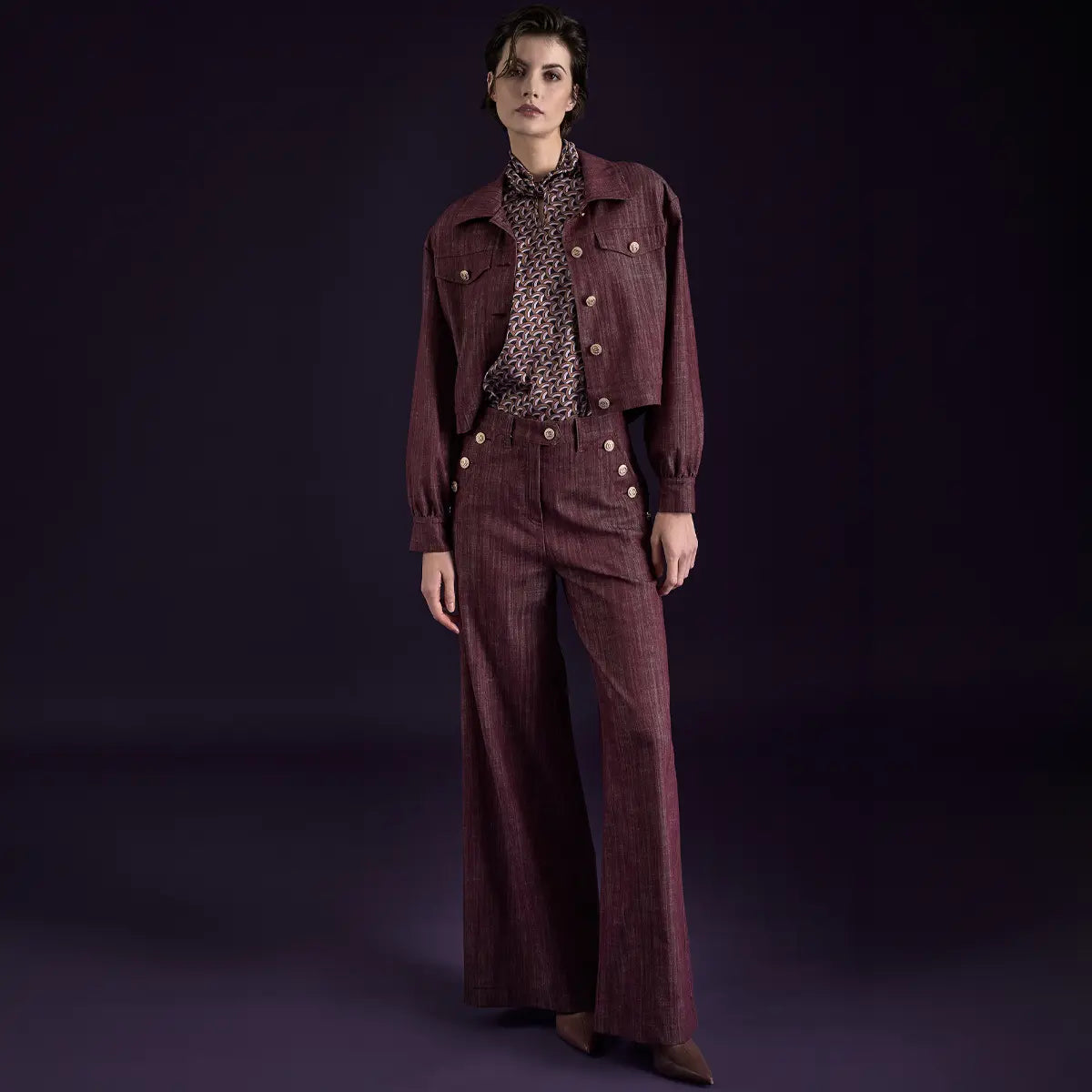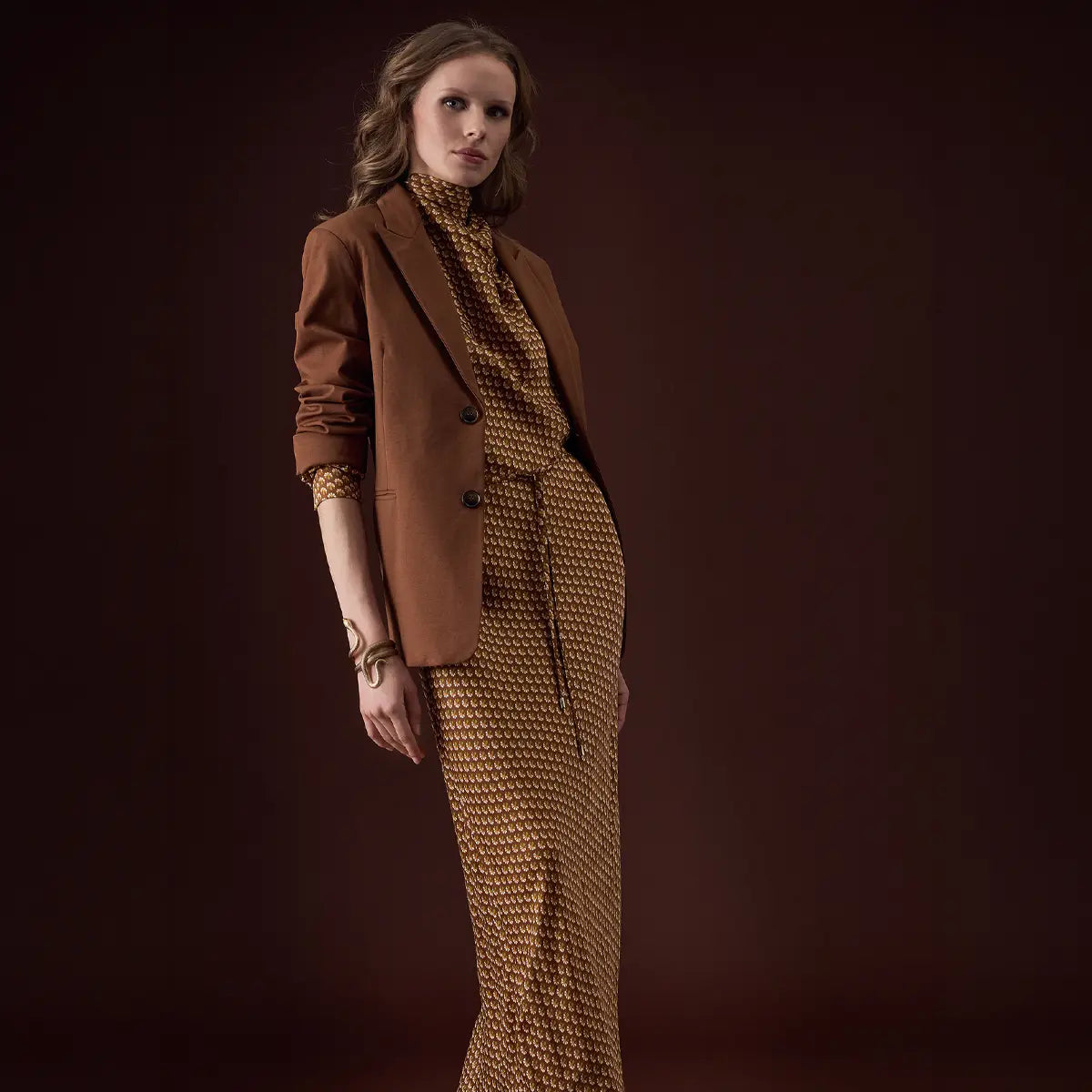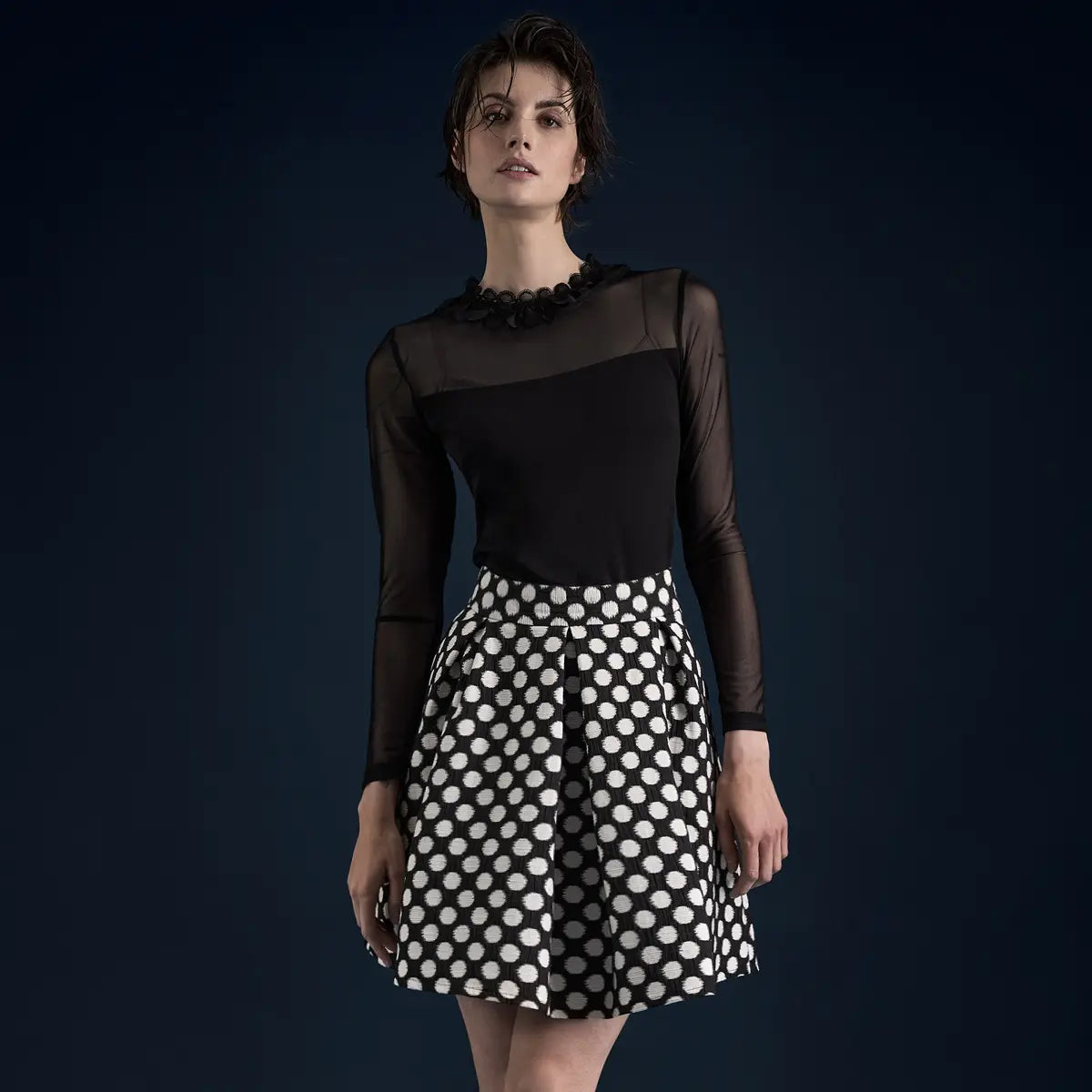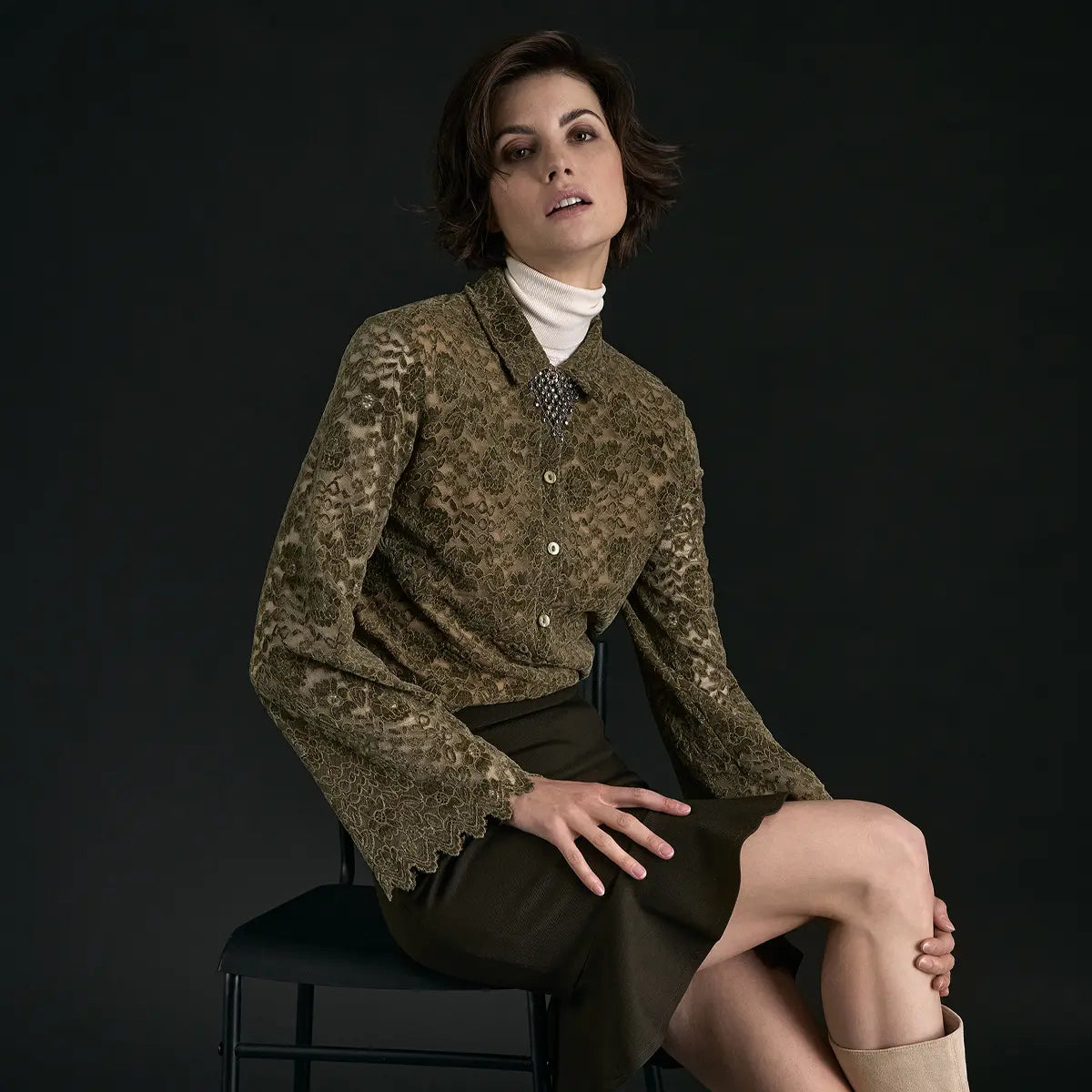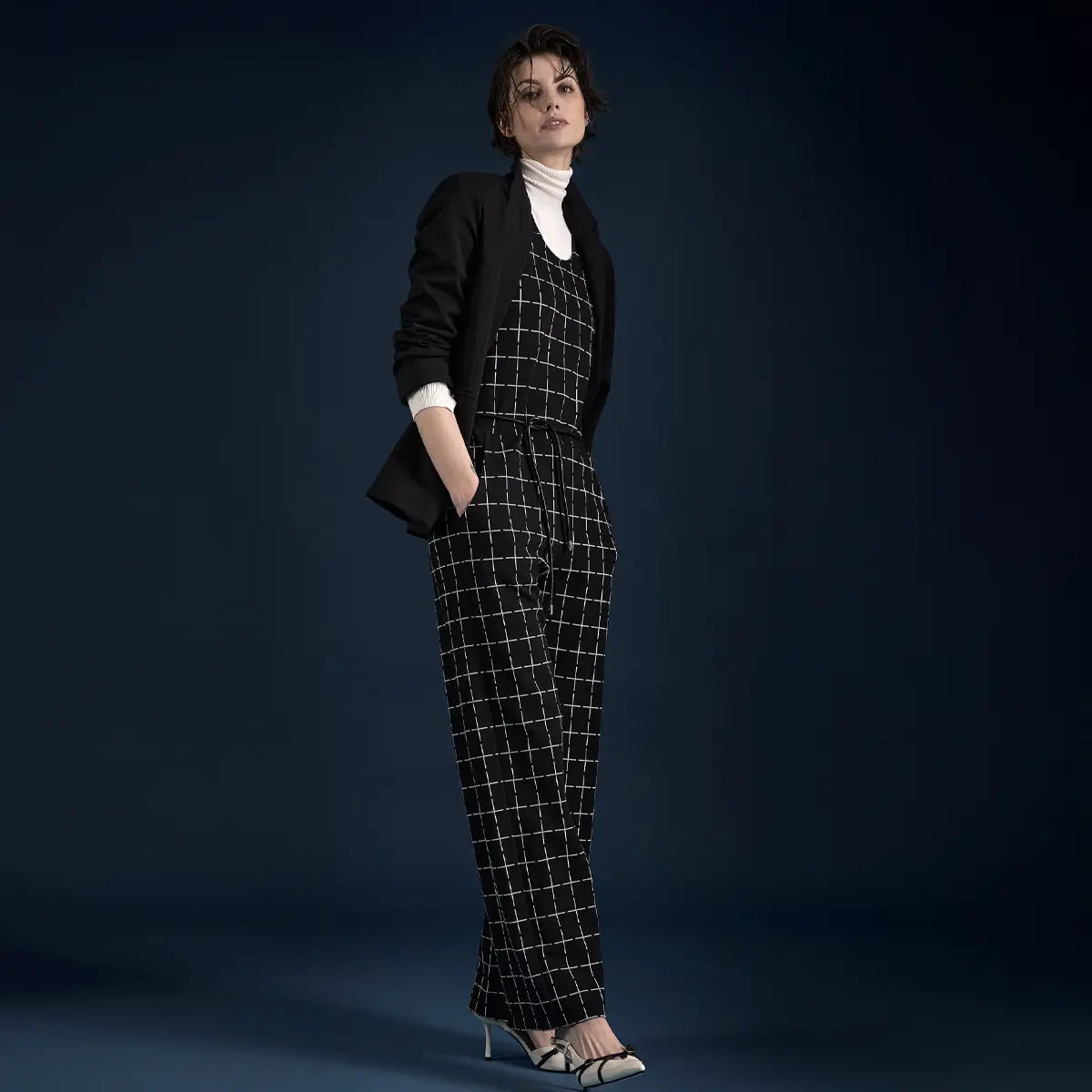


When we describe something as “classic,” it’s usually tried and true and accepted by everyone. No one expects it to be groundbreaking, but we’re confident that it works and is simply well-received. In fashion, the “classic style” is characterized by an aesthetic that remains appealing over decades and is hardly influenced by trends. The secret? Clean lines, high-quality materials, and neutral colors that are versatile and long-lasting.
The concept of such a timeless fashion style can be traced back to ancient Rome, where high-quality materials and durable cuts already played an important role—as seen in the Roman toga. The origins of the classic style in its current form can be attributed to designers like Coco Chanel. Her famous “little black dress” features clean, minimalist lines. It was also Coco Chanel who emphasized that fashion need not be fleeting. From the 1950s through the 1970s, designers such as Yves Saint Laurent brought minimalist looks to the runways that are still considered classics today: these include the pantsuit, the shirt blouse, the trench coat, and the concept of shift dresses. Calvin Klein, Giorgio Armani, and later Jil Sander also embraced minimalism in the 1980s and 1990s.

Confidence doesn't need a statement: Classic style wins people over without dividing opinion. @AI illustration
Fast Fashion vs. Timeless Looks
The classic style is the opposite of the “fast fashion” principle. Timeless fashion emphasizes quality and sustainability, as these pieces can be worn for many years. As a counterpoint to fast-changing trends, these outfits remain neutral but can still be reinterpreted time and again.
Style Icons – These Famous Women Love Classics
Catherine, Princess of Wales
Understated yet always elegant: Kate has defined the perfect dress look. Her outfits accentuate her waist, and the fabrics of her dresses are flowing. Even when she makes a statement with color, she stays grounded. Coats, pantsuits, and two-piece ensembles are also part of her stylish go-to wardrobe.
Annalena Baerbock
Feminine, understated, elegant—with a flowing pleated skirt, sophisticated pantsuits, and soft, flowing fabrics and materials like cashmere, the politician presents herself as stylish and professional. Since taking office, she has shed her former “eco” image.
Amal Clooney
Understated, minimalist ensembles with a touch of cool—the star attorney opts for sophisticated looks. She wears combinations of straight-cut pieces, usually paired with high-necked tops in subdued colors like brown or beige.
Anna Wintour
The queen of fashion and former editor-in-chief of American Vogue favors “grown-up” and “understated” fashion. Pantsuits, wide-leg pants, loose-fitting sweaters, buttoned turtlenecks, and coats define her exquisitely timeless style.
Christine Lagarde
The President of the European Central Bank has developed a uniform that she has consistently worn for years: monochromatic ensembles in navy, black, white, or gray, paired with a silk scarf—her trademark. Her cuts are clean and slim, the materials are high-quality, and the silhouette is always the same. What may sound like repetition is actually the highest form of style confidence: Those who know what suits them don’t have to reinvent their look every season.
Carolyn Bessette-Kennedy
Hardly any woman embodies minimalist elegance quite like the American woman who worked on Calvin Klein’s PR team in the 1990s. Her wardrobe was radically minimalist: slim slip dresses, cashmere sweaters, the camel coat, paired with black, gray, and white—and practically no jewelry. Today, nearly three decades later, her looks are being rediscovered on Pinterest and Instagram and are considered the blueprint for what we now call “quiet luxury.”
Classic Fashion Style—What Defines It
Simple elegance: The emphasis on clean lines and neutral colors results in a refined, understated look.
Quality over quantity: The garments are meant to be timeless. Because they can be worn for longer, fans of this style choose high-quality materials such as silk, merino wool, cashmere, or fine linen, as well as cotton, flannel, smooth knit, and gabardine.
Fewer trends, more consistency: As you might expect, seasonal trends play no role in classic outfits. These are made up of high-quality basics with a good fit.
6 Must-Haves for a Classic Outfit:
- Trench coat —straight-cut, hoodless, and in neutral shades such as beige or dark blue
- Blouse – White or Light Blue with a Good Fit
- Blazers —slim-fit, simple, with fine pinstripes or in muted shades
- Little Black Dress – Sheath Style
- Dark jeans —no washes, no distressed look, form-fitting, and dark blue
- Pants with pleats and wide legs in beige, cream, or black
Color Palette for Classic Looks
The classic style is all about understated elegance. That's why those who wear it opt for:
Neutral colors: Subtle shades set the tone, including black, white, beige, and navy blue.
Accent colors: Even classic styles can be reinterpreted. A colorful piece, such as a pink blouse, can add a fresh touch—without completely changing the overall look.

Beige, black, white—and a blush-colored blouse as the only accent. That's all it takes. @AI-Illustration
A Clear Indicator: Monochrome and Minimalism
The simplest styling tip for the classic look is to consciously embrace understatement. You can achieve this by choosing a color palette for your daytime outfit that’s as monochromatic as possible—and by leaving a lot out. Avoid details like hoods, appliqués, or elaborately shaped sleeves. Low necklines, sequins, or ruffles are just as unsuitable as bold colors or over-the-top accessories.

One color, three textures, no details: Understatement is the most challenging discipline. @AI-Illustration
Discover classic fashion for a timeless look
That's why we love the classic style
Versatility—these looks always work
What other style can claim the same? Whether in a business setting, at festive occasions, or in everyday life—the classic style is always appropriate and never out of place.
Durability – Timeless Pieces vs. Fast Fashion
Timeless and trend-proof—for classic looks, it’s worth investing in sustainable, high-quality pieces. You can be sure they won’t be “out of style” again next year.
Attitude: Confident and professional
The classic style is the epitome of good taste and elegance. Garments with simple cuts and made from high-quality materials always look good. Colors and fabrics are cohesive and coordinated. Deliberately styled for casual understatement, the overall outfits exude confidence and do not polarize.
Styling Do’s & Don’ts of the Classic Fashion Style
Clean lines, simple cuts
High-quality materials
Excellent fit
Choose clothing that flatters your figure
Basic Business Style
Understatement
Subtle colors
Scarves and Silk Scarves
Elegant, understated jewelry
White sneakers, ankle boots
Handbags made of smooth leather
Don'ts
Trendy Styles
Looks that are distinctly extroverted or flashy
Synthetic Fibers in Series
Heavy fabrics such as velvet or brocade
Oversized, playful cuts
Tight-fitting clothing, low-cut necklines
Grunge
Eye-catching colors
Animal Prints, Flower Power, Mix of Patterns
Details such as hoods, appliqués, and sequins
Fashion jewelry, statement necklaces
You Ask, We Answer – Frequently Asked Questions About Styling Timeless Looks
Are patterns a no-go in classic style?
No, because even in classic styles, certain patterns fit right in: pinstripes, houndstooth, Pepita, and subtle paisley variations.
How can I tell if a piece of clothing is truly timeless?
Ask yourself whether the piece would have been stylish ten years ago and is likely to still be relevant ten years from now. Timeless designs are characterized by clean lines, high-quality materials, functional details, and an understated aesthetic.
How can I make my classic style more personal and distinctive?
Personality is created through signature elements. These can include unique vintage jewelry, a favorite color combination, custom details, or iconic accessories. This personal touch sets a classic look apart from a purely conservative outfit and makes it authentic.
How can I keep a classic look from seeming boring or predictable?
The key lies in creating a deliberate stylistic contrast. Combine classic cuts with modern proportions, unusual materials, or striking accessories. A perfectly tailored blazer, for example, can be given a contemporary twist with an oversized silhouette, sculptural jewelry, or a trendy bag—all without losing its timeless appeal.

Christine Schmitz
My love for fashion and communication led me to Ana Alcazar—having cut my teeth as a copywriter and concept developer in traditional advertising, I’ve been writing for our Munich-based designer label for over 10 years. On the editorial team, I’m responsible for all corporate topics, and I also focus on current trends and my passion: gender equality.
Between Image and History
Sometimes a story needs more than a photo can convey. That’s why some of the images in this article were created using artificial intelligence (AI)—curated, inspiring, and always in the spirit of “Wear your Story.” The AI-generated images are clearly labeled next to each photo.