

Key Points at a Glance
For a funeral, wear simple, dark, and modest clothing—a knee-length black dress with long sleeves, understated shoes (max. 4 cm), and understated jewelry. The guiding principle is elegant restraint; if in doubt, ask the family if they have any specific requests.
- Colors: Black, or else charcoal/dark gray—no brown, nothing light-colored or colorful
- Cut: covered & at least knee-length, long sleeves, minimal skin exposure
- Understated: flatshoes, subtle jewelry, and natural makeup
A funeral presents us with an unfamiliar question: How should one dress for a farewell? At this moment, it’s not about fashion, but about attitude—about expressing respect and sympathy through one’s appearance and being mindful of the feelings of the bereaved. Simplicity here is not a sacrifice, but a dignified form of consideration.
In this guide:
What Matters
There are situations in life where the fashion aspect of an outfit takes a back seat and clothing serves primarily a practical purpose—a funeral is one such occasion.Here, the outfit is an expression of appreciation and respect; one’s own persona takes a back seat, and the focus is on not hurting the feelings of those involved. The question, then, is not about the most eye-catching outfit, but about the most appropriate way to show sympathy. The focus is on the deceased and the loved ones who must cope with the loss.
The type of farewell also plays a role: A burial at sea usually requires warmer clothing because of the wind, and for nature-based options such as a tree burial, the wishes expressed by the deceased during their lifetime often determine the attire—the dress code can then be more relaxed. In any case, tact is required to discern or ask about the deceased’s wishes. It is a matter of basic decorum to behave respectfully and avoid putting your foot in your mouth.
What Matters
Not every funeral has the same dress code. How you dress appropriately and respectfully depends on the cultural and religious context, as well as the personal wishes of the deceased and their immediate family. If you’re unsure, just ask the family and close relatives.
Dress Code Guide
Funeral
Reserved and dignified — restraint out of respect.
Formalities
Casual
Smart Casual
Business
Festive
A Great Evening
Gala
Formal, yet deliberately understated and restrained—no glitz, no gimmicks.
Dress Length
Mini
Knee-length
Midi
Maxi
Color Inspiration
Black
Anthracite
Dark gray
What Matters
Appropriate
- Muted, dark tones; high-necked & long-sleeved
- A simple dress, a knee-length skirt, or black pants
- Flat shoes (max. 4 cm), subtle jewelry & makeup
To Avoid
- Bright, bold colors; prints & eye-catching patterns
- Mini skirts, bare legs, low-cut necklines, short sleeves
- Flip-flops, high heels, caps/slogans, bold makeup
When Loved Ones Pass Away: The Appropriate Dress Code for a Funeral
Socially, dress codes are becoming increasingly relaxed—but when it comes to funerals, outfits remain as conservative as ever. Self-expression is out of place; the style guideline is: Elegant restraint. If specific requests regarding attire are made in advance—such as an explicit request to avoid traditional mourning attire—be sure to respect them. If no specific dress code has been recommended, you’re well advised to follow the guidelines below.
Close family ties or a strong personal bond
Because of your close relationship with the deceased, you should take extra care in choosing your attire—your outfit will be seen as a visible sign of respect. It’s worth giving some thought to your look ahead of time, partly to avoid putting yourself under unnecessary stress in this emotional situation.
Black as the traditional color of mourning
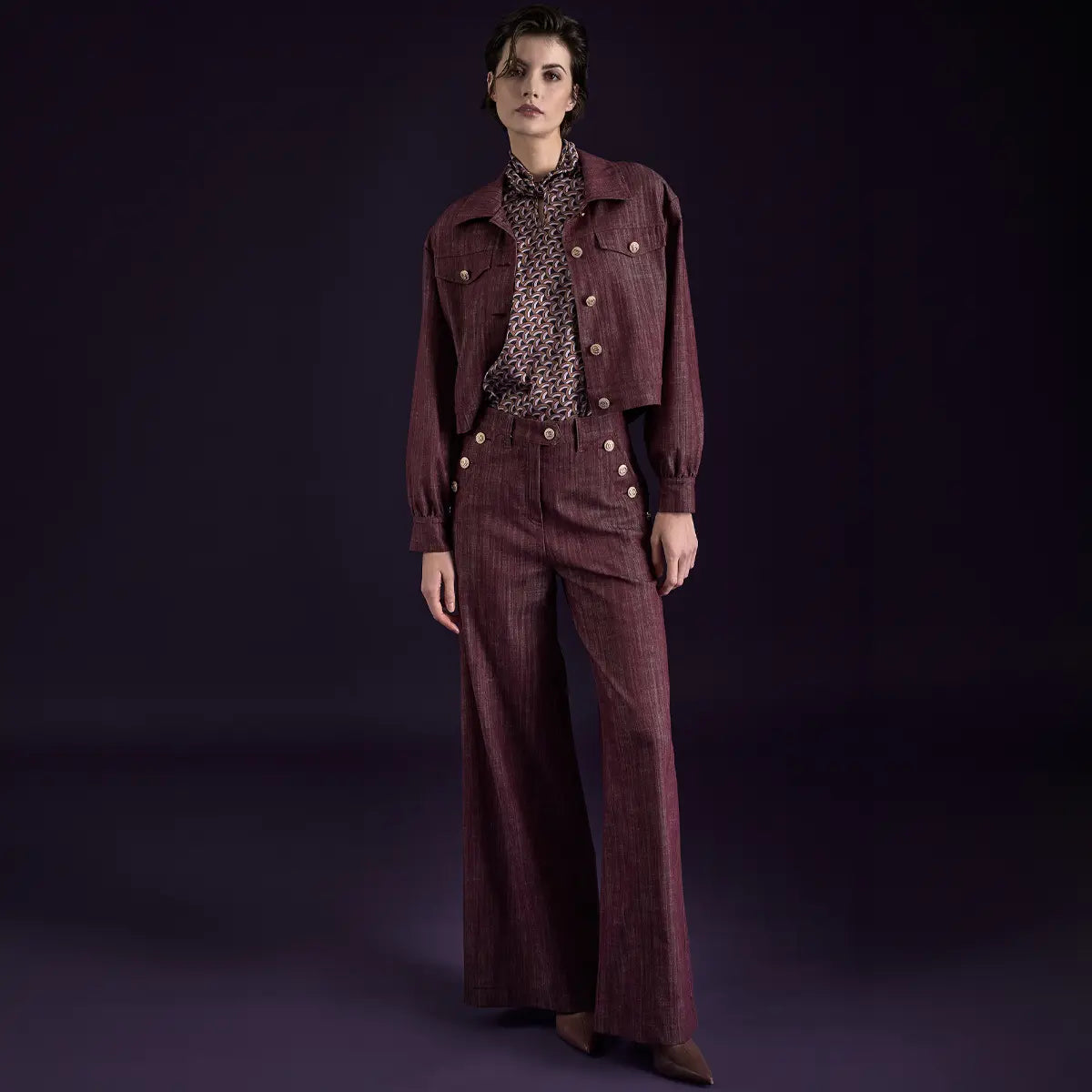
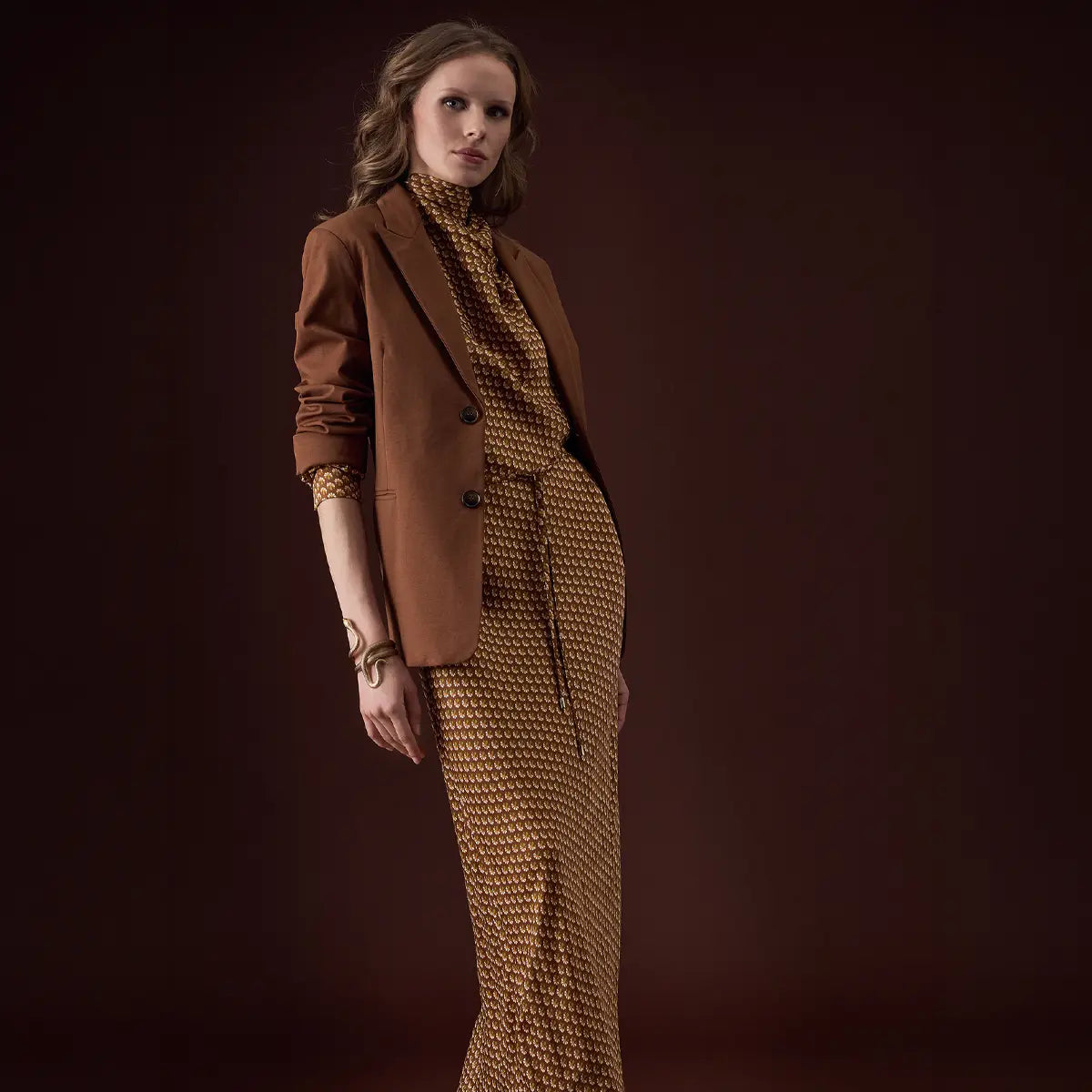
In our culture, black symbolizes mourning. Historically, dyeing fabrics black was a labor-intensive process—which made them valuable and a sign of esteem. If you’d rather not wear black, stick to the cool color spectrum and opt for dark gray or anthracite. Brown, on the other hand, is not an alternative.
Bright colors are off-limits—with one exception
In other cultures, things are different—for the ancient Egyptians, yellow was the color of mourning; the Mexican Día de Muertos is a colorful celebration; and in many Asian countries, people wear white. In our culture, however, light or bright colors are considered inappropriate. Avoid the primary colors red, blue, and yellow—even as stripes or the color of a blouse. The only exception is a white blouse worn to contrast with a black or charcoal-gray suit or pantsuit.
No prints—solid-color pieces are better
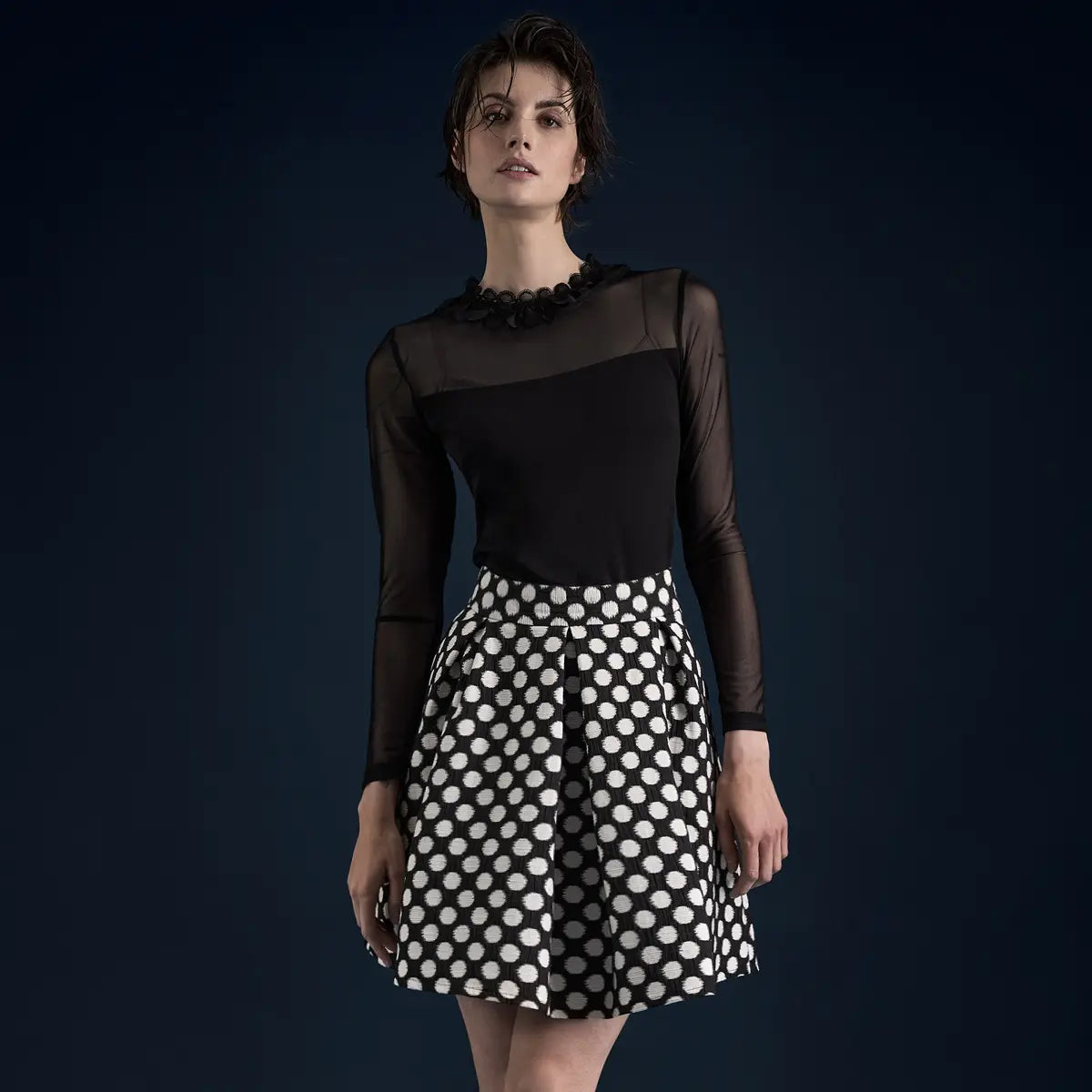
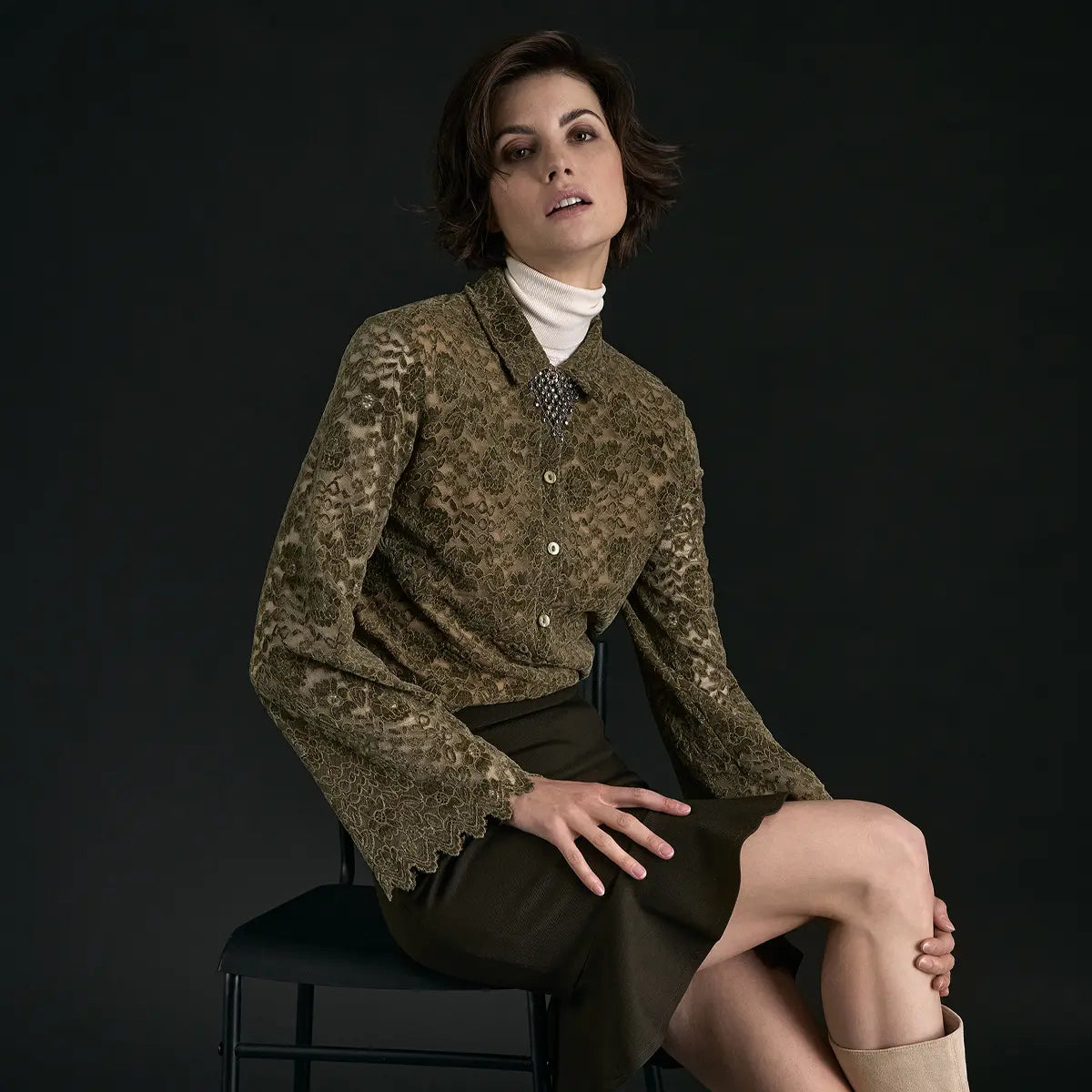
As much as we usually love prints, they have no place at funerals. Avoid eye-catching patterns, embellishments, or appliqués. Solid-color outfits in dark shades are appropriate for the occasion, and you can also mix and match different dark shades.
Appropriate Mourning Attire for Summer
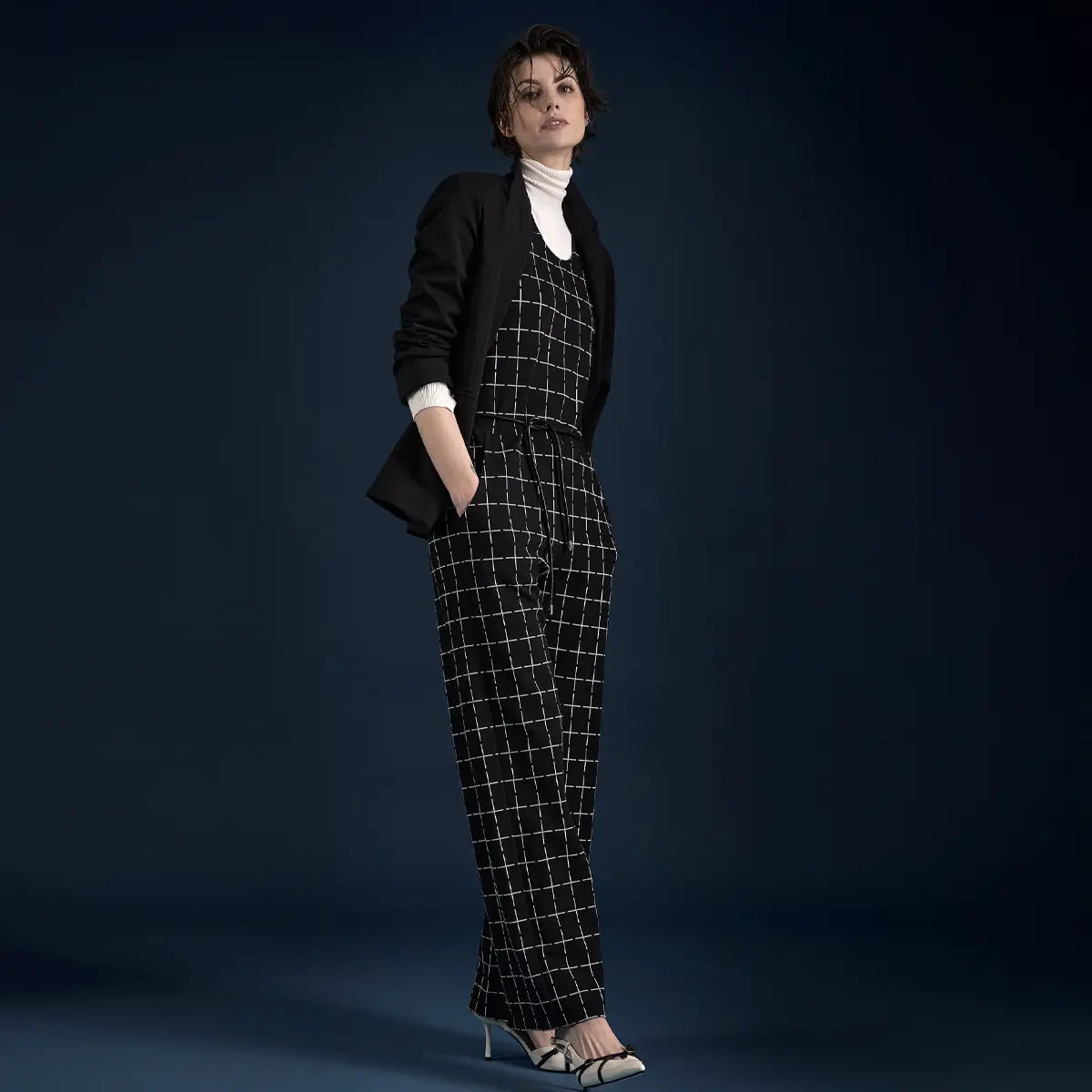
In the summer, when temperatures are high, you have a little more flexibility when it comes to fabric choices. Natural fabrics like silk, linen, or cotton are comfortable to wear. A white viscose blouse with three-quarter sleeves paired with a dark midi skirt or black pants and ballet flats is appropriate; if you opt for a sleeveless dress, cover your shoulders with a light shawl. A summer jumpsuit with wide-leg pants can also be a comfortable alternative. When it comes to color, instead of black, you can choose cool, dark shades such as anthracite, dark gray, or very dark shades of blue.
Note: Low-cut necklines, bare legs, very short skirts with high slits, or flowing summer dresses are still inappropriate, even in hot weather.
Show as little bare skin as possible
An outfit that’s too revealing is obviously a no-go. If possible, your black dress should have long sleeves, a modest neckline, and a skirt that’s at least knee-length. Mini skirts, shorts, spaghetti straps, or bare shoulders are not appropriate. Wear flesh-colored tights, and if you’re wearing a sleeveless shift dress, cover your shoulders with a stole, a short jacket, or a shawl.
The Right Shoes
Heels should be flat or not too high (maximum 4 cm). Elegant pumps or kitten heels are appropriate if they complement the understated look; ballet flats look flattering with a dress. Black lace-ups or ankle boots go well with a pantsuit or a one-piece. In terms of color, black, dark blue, or dark gray are appropriate. Keep in mind that you may be standing for a while or that there might be a paved path. White sneakers are a no-go, but black ones are now acceptable.
Jewelry
Understated elegance is the standard. Just as with clothing, the rule is: don’t let your appearance draw attention to yourself. A pearl necklace, delicate silver or gold chains with small pendants, and stud earrings set the right tone; flashy gemstones, statement necklaces, or colorful costume jewelry are not appropriate. A suggestion: Avoid sparkling jewelry altogether as a way to express your sympathy.
Hair & Makeup
Less is more. If you wear makeup every day, you don’t have to go without it here either—but bright red lipstick or blue eyeshadow don’t fit the bill. Choose subtle shades; evening makeup would be too much. A tip: waterproof mascara. An updo often complements the understated overall look well, and some people opt for a simple little hat. There’s nothing wrong with wearing sunglasses in the summer—but leave them off in the winter or when the sky is overcast. And don’t forget your tissues.
Styling Tip: Black Dresses for a Funeral
Alternative Mourning Attire
There are exceptions to every rule. Some people consciously choose not to have a traditional funeral and express specific wishes while they are still alive—often set forth in their will or discussed with family and friends. These wishes are binding on everyone involved in the funeral arrangements.
A Rejection of the Dark Color Code
Perhaps the deceased was particularly fun-loving and would have wanted colorful outfits at the funeral—because life goes on, and unconventional, colorful clothing can make it easier for loved ones to say goodbye.
Other Cultural Role Models
While in our culture we mourn the passing of a loved one, in some cultures people do not mourn death but rather celebrate the life of the deceased—sometimes with a festival lasting several days, during which they share anecdotes in remembrance and bid farewell while wearing colorful clothing.
Unconventional Funeral – Different Dress Code
The location of the funeral can also influence the choice of attire. If a sea burial or natural burial has been arranged, this may break with traditional dress codes. Perhaps the deceased loved spending time in the mountains and would want the mourners to simply be themselves.
Traditional Costume
In certain regions, traditional attire is worn on many occasions. An elegant, dark traditional outfit featuring a high-necked blouse or pocket square and a traditional jacket can be an appropriate overall look for a funeral service.

How should you dress for a farewell? A moment of silence. @AI illustration
Special Topic: Uniforms & Clubs
If the deceased wore a uniform for work or was active in a club, this may influence the choice of attire. As a sign of respect for the person’s life’s work, former colleagues or club members often attend the funeral in uniform or typical club attire.
Specific personal preferences
Ultimately, anything that the deceased would have liked is possible—depending on their philosophy of life, it’s even conceivable that white was chosen as the color of mourning. The most important thing is to honor the wishes of your loved one to the best of your knowledge and belief as you bid them a final farewell.
A Quick Summary: Dos and Don'ts for Mourning Attire
High-necked blouse, dark, simple top
Long-sleeved tops, knee-length skirt, simple dress, black pants
Solid-color garments in dark shades
Ballerinas or pumps ( max. 4 cm); black sneakers are also acceptable
Subtle jewelry, subtle accessories, and makeup (waterproof mascara)
If in doubt, ask the family members and close associates what they would like
Don'ts
Bright, vivid colors such as red, yellow, and blue
Prints, appliqués, eye-catching patterns
Shorts, miniskirts, bare legs, fishnet tights
Low neckline, off-the-shoulder, short sleeves
Caps, T-shirts, or tops with slogans
White sneakers, sandals, flip-flops, cowboy boots, high heels
Flashy makeup, flashy jewelry, or accessories
My conclusion: The order of the day is simple, understated elegance. A dark, solid-colored outfit with long sleeves and a knee-length cut, along with understated shoes and accessories—this is the dignified way to pay your last respects to the deceased and their loved ones. If in doubt, it’s better to be underdressed than overdressed.
The secret: Not every funeral has the same dress code. If you’re unsure, ask the family and close friends, and respect any specific requests—and remember: It’s not about you, but about showing respect and sympathy.
You Ask, We Answer – Frequently Asked Questions About Mourning Attire
What color should you wear to a funeral?
Black is the classic color of mourning. If you don't want to wear black, stick to the cool color spectrum with dark gray, anthracite, or very dark shades of blue. Bright and colorful colors, as well as brown, are inappropriate; a white blouse worn to contrast with a dark suit is the only exception.
Does it have to be black?
Black is classic, but not a must—cool, dark shades like anthracite or dark gray are just as appropriate. If the deceased or the family expressly state other preferences, such as deliberately colorful clothing, be sure to respect those wishes.
What should I wear to a funeral in the summer?
Opt for natural fabrics like silk, linen, or cotton. A white viscose blouse with ¾-length sleeves paired with a dark midi skirt and ballet flats works well, as does a dark jumpsuit with wide legs. Deep necklines, bare legs, or flowing summer dresses remain inappropriate even in hot weather.
What kind of shoes are appropriate?
Flat or low heels (maximum 4 cm): elegant pumps, kitten heels, ballerinas, or black lace-ups and ankle boots in black, dark blue, or dark gray. White sneakers are a no-go, but black ones are now acceptable. Keep in mind that you’ll be standing for long periods and walking on paved paths.
Can I wear jewelry and makeup?
Yes, but keep it subtle. A pearl necklace, delicate chains with small pendants, or stud earrings set the right tone; flashy or colorful jewelry does not. When it comes to makeup, “less is more” applies—stick to subtle shades, preferably with waterproof mascara.

Christine Schmitz
My love for fashion and communication led me to Ana Alcazar—having cut my teeth as a copywriter and concept developer in traditional advertising, I’ve been writing for our Munich-based designer label for over 10 years. On the editorial team, I’m responsible for all corporate topics, and I also focus on current trends and my passion: gender equality.
Between Image and History
Sometimes a story needs more than a photo can convey. That’s why some of the images in this article were created using artificial intelligence (AI)—curated, inspiring, and always in the spirit of “Wear your Story.” The AI-generated images are clearly labeled next to each photo.