

Key Points at a Glance
These days, there are hardly any mandatory dress codes at the opera—most theaters focus on creating a festive atmosphere rather than enforcing rules. Elegance is still the order of the day, but the choice is yours: glamorous and festive (evening or cocktail dress) or festive yet casual (which is also appropriate for an important business meeting). The main thing is that your look is presentable and comfortable.
- In most cases, there’s no longer a mandatory dress code—the festive atmosphere sets the tone
- Two styles: glamorousand elegant (evening/cocktail dress) or festive and casual (appropriate for business)
- Check the location: Venue, opening night vs. regular performance, seat, time—and the venue's website
Your heart races when the lights go out and the first note fills the hall—an evening at the opera is a spectacular experience for the senses. For a long time, the rule was: no evening gown, no entry. But that idea is outdated. Today, it’s less about strict rules and more about a sense of the festive occasion—and the freedom to interpret it in your own way.
In this guide:
Is there even still a dress code at the operaThe Dress Code Guide at a Glance No strict dress code—but what’s appropriateThe new freedom: glamorous and elegant or festive and casual Outfits for the opera—anything goes, nothing is required Dos & Don’ts for Your Look When Attending the Opera Frequently Asked Questions About What to Wear to the Opera
Is there even still a dress code at the opera?
In the past, an evening at the opera called for formal attire— black tie, meaning an evening gown for the ladies. But what was taken for granted 30 years ago no longer applies today. What matters most is a look that makes you feel comfortable and is appropriate for the occasion: No one has to show up in a long evening gown, but neither do they have to wear sweatpants. Diversity and individuality define the scene today—in the auditorium, you’ll see cocktail dresses alongside business-casual looks and simple everyday attire like jeans and sneakers.

Festive yet casual for the reception: an elegant silk blouse, a well-fitting blazer, a glass of champagne—perfect for the opera and comfortable. @KI-Illustration
The major opera houses phrase it in much the same way. La Scala in Milan essentially asks that attire be in keeping with the house’s standards—a response to the increasing number of people wearing flip-flops in the auditorium, but deliberately vague and thus open to interpretation. The Alte Oper Frankfurt and the Semperoper Dresden prioritize comfort and simply highlight the festive atmosphere. The Bavarian State Opera in Munich even explicitly rejects a dress code and welcomes unusual outfits just as much as jeans and comfortable jumpsuits. And even the Hamburg State Opera and the Bayreuth Festival Theater merely refer to the festive setting without prescribing a dress code.
Precisely because there are fewer occasions today to wear formal attire, classics like *La Traviata*, *The Magic Flute*, or *Don Giovanni* offer many people a welcome opportunity to dress up. A mandatory dress code, such as the one found in some places in casinos, has become rare in modern opera.
Dress Code Guide
Opera
A festive setting rather than a strict dress code — glamorous and elegant or festive and casual.
Formalities
Casual
Smart Casual
Business
Festive
A Great Evening
Gala
Check the venue: premiere vs. regular show, venue, time. For premieres and galas, take it up a notch.
Dress Length
Mini
Knee-length
Midi
Maxi
Color Inspiration
Bordeaux
Navy
Emerald
Champagne
Traffic Light for Special Occasions
Hits the right note
- Stylish & Authentic — Evening or Cocktail Dress
- Small evening bag for the essentials
- Shoes that match the outfit (high-heeled or flats)
With Care
- A step up for premieres and galas
- Dressed up but casual—only if the venue allows it
I'd rather not
- Flashy Clothing
- Slogan T-shirts, Distressed Jeans
- Flip-flops
No strict dress code—but what's appropriate?
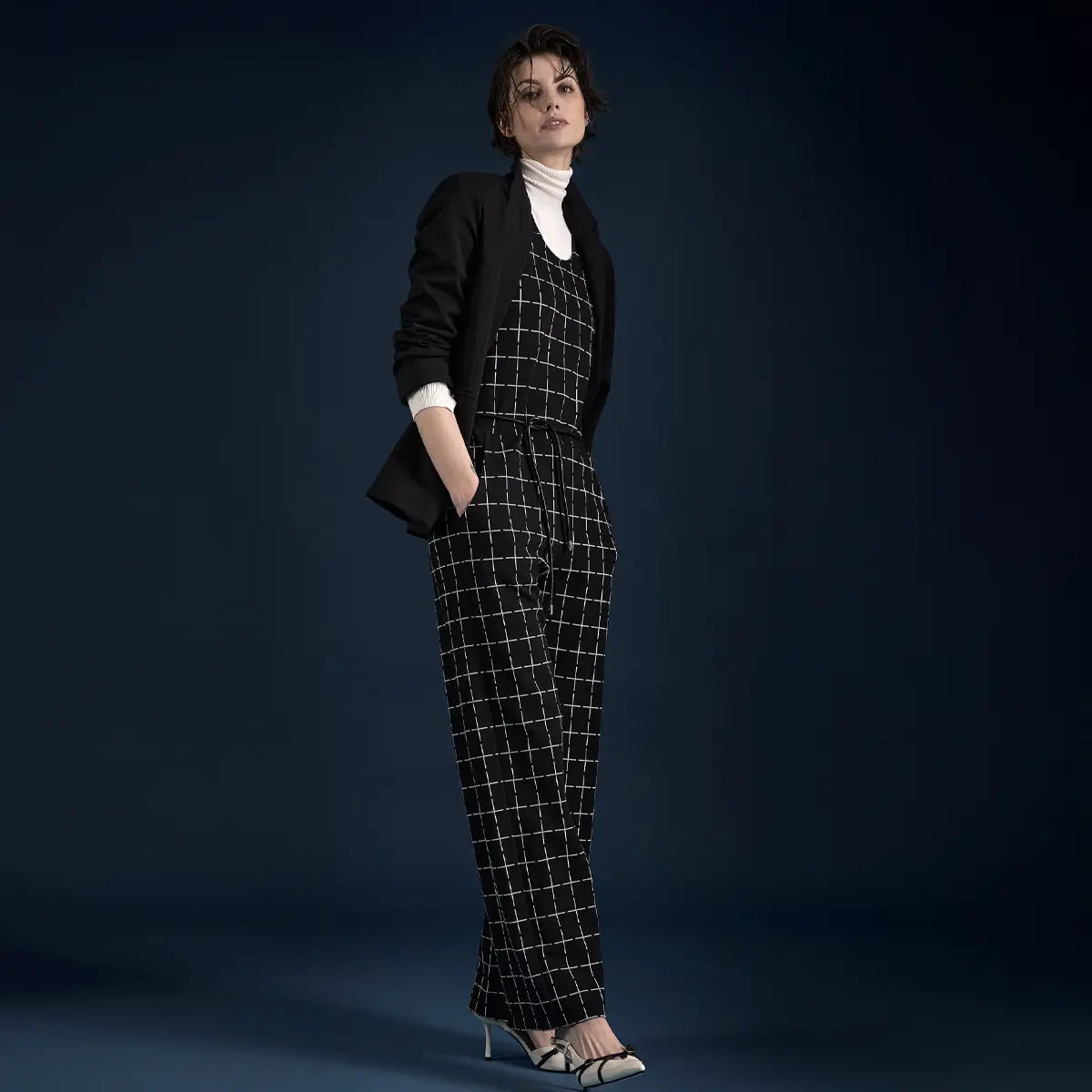
Even without explicit rules, the question remains: What should I wear? The guiding principle is to choose something you feel comfortable in that also makes a good impression—a shift dress, a jumpsuit, an evening gown, or jeans paired with a stylish turtleneck and blazer. Here are five questions to help you decide:
Venue: There’s more room for dazzling looks at the opera house than at an open-air performance; at the Wagner Festival in Bayreuth, elegant evening wear is the norm.
Reason: A premiere is more festive than a regular performance.
Seating: In Bayreuth, it gets warmer as you move from the stalls to the balcony, and high heels make a particularly loud noise on the auditorium floor.
Time: An evening event is usually more festive than a matinee.
Information provided by the company: It's worth checking out the website—some venues still require black tie.
The New Freedom: Glamorous and Elegant or Festive and Casual
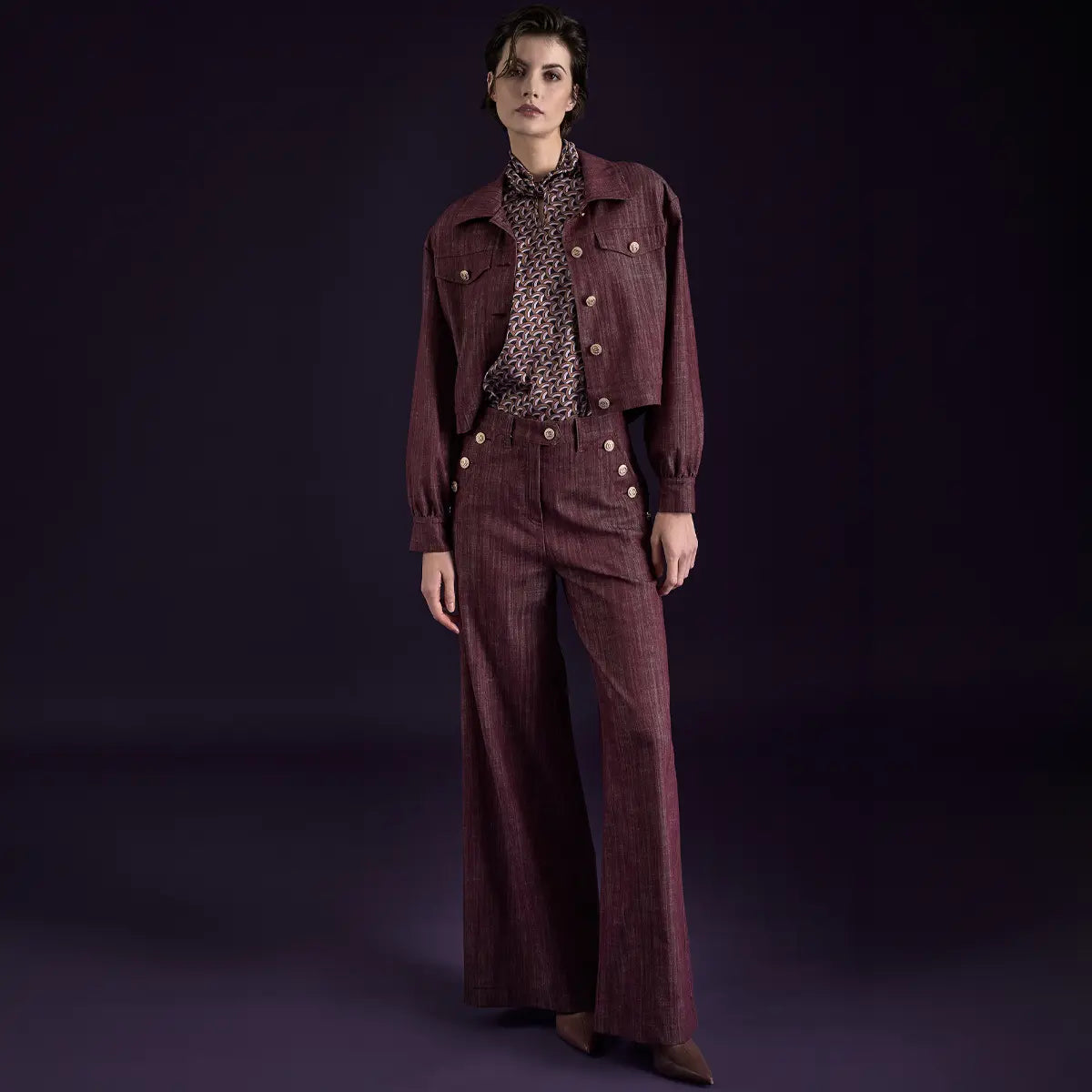
The opera is a special, classic event where elegance is still the order of the day—but you have a choice between two styles. As a rule of thumb for the casual look: anything you’d wear to an important business meeting is appropriate for the opera.
Your glamorous and elegant look
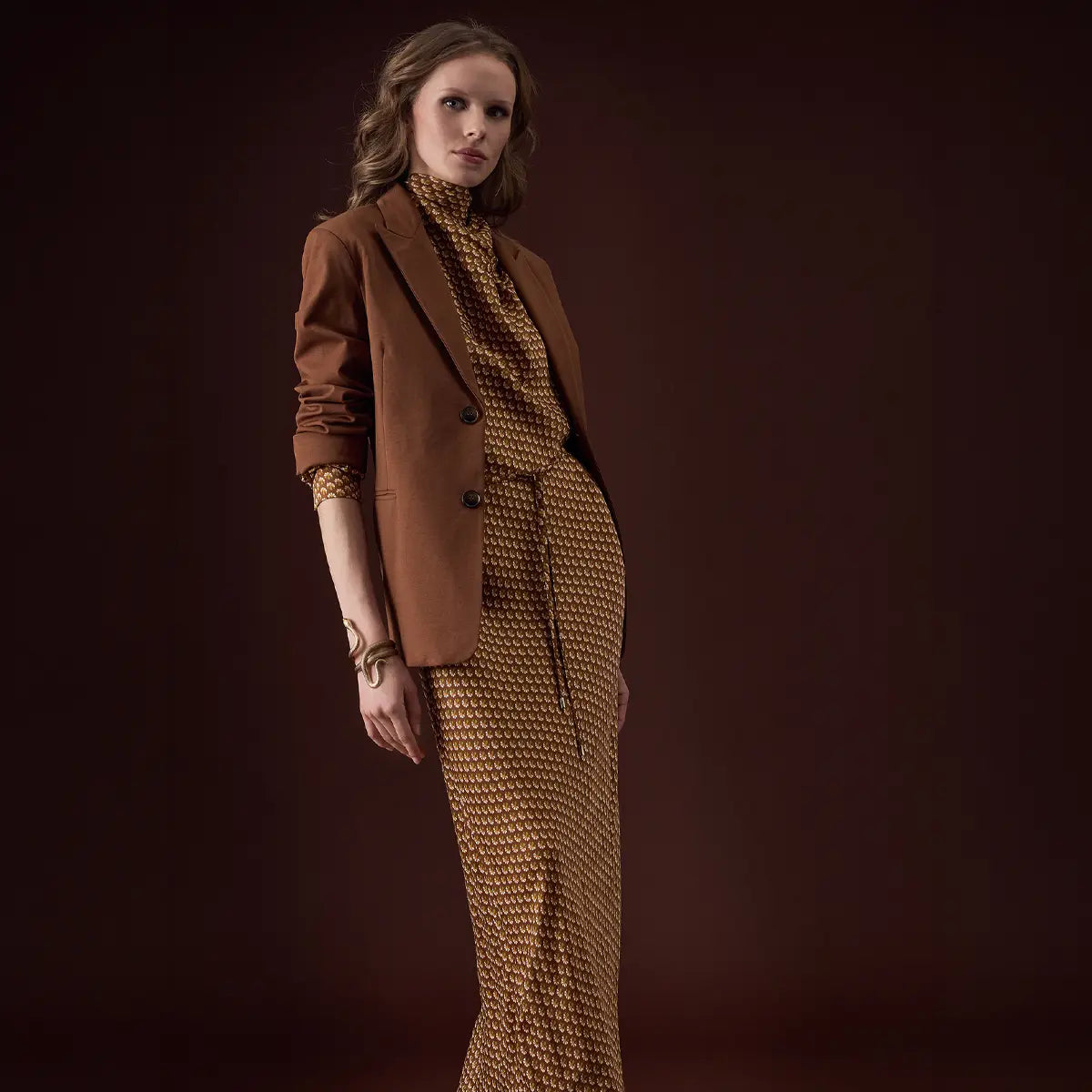
Maxi dresses or halter-neck dresses with feather trim, sequins, shimmering effects, or lace accents will make your trip to the opera especially dazzling. Colors like midnight blue, black, burgundy, or cream enhance the elegant look; the little black dress or figure-hugging shift dresses also work well. Accessories and makeup play a crucial role: depending on the outfit, opt for high heels or elegant pumps, an updo, classic makeup that suits your look, and an elegant clutch. Be sure to keep the venue’s layout in mind.
Your Festive-Casual Look
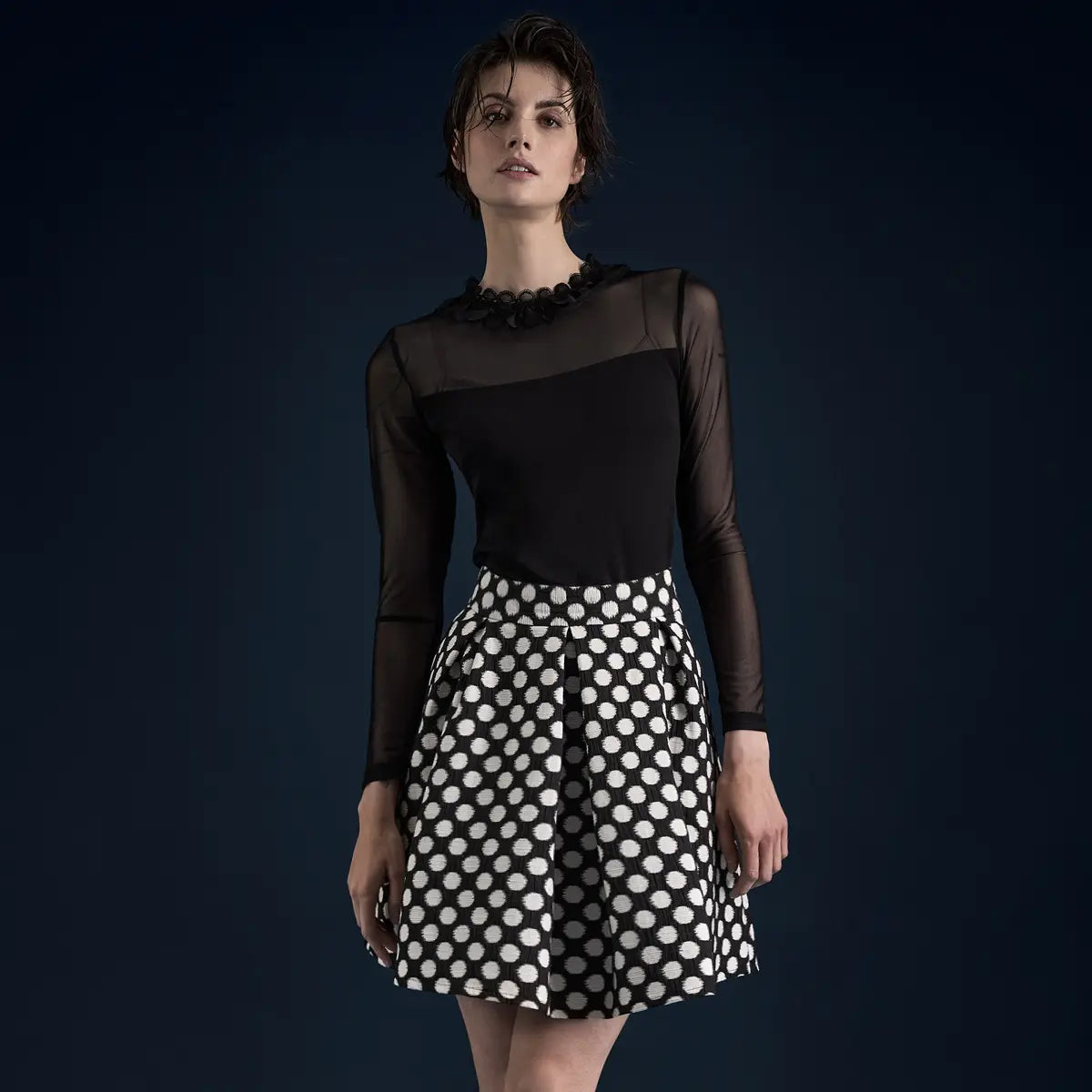
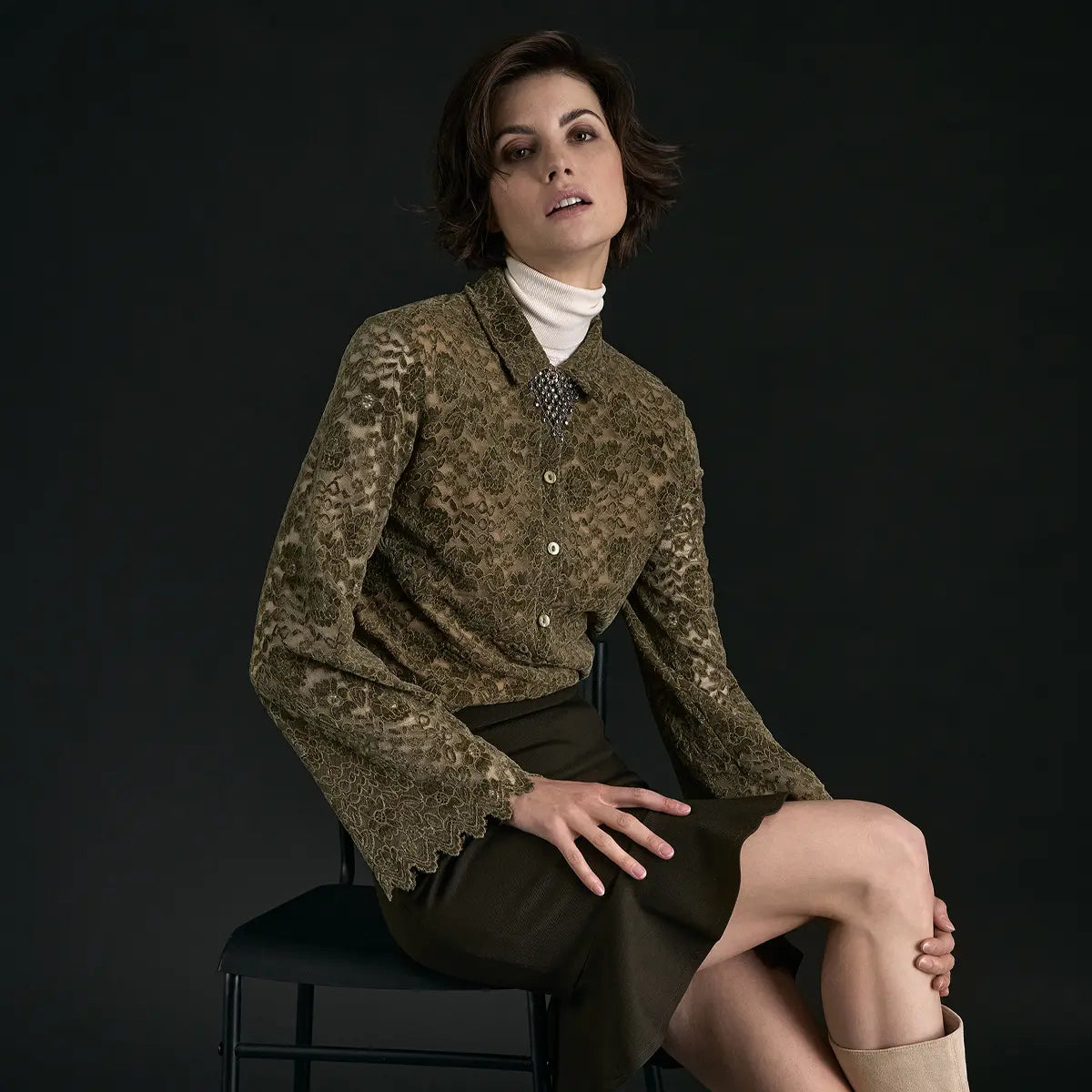
It all comes down to your personal style. Marlene-style pants with a bow-neck blouse, a one-piece dress, or a pencil skirt with a form-fitting bodysuit arejust as appropriate for the opera as jeans with a turtleneck and an oversized blazer. What matters most is the quality of the individual pieces and how you put the outfit together. Silk pants or a midi skirt also work—pay attention to the details and pair them with eye-catching jewelry or a beautiful crossbody bag.
Outfits for the Opera – Anything Goes, Nothing Is a Must
A Quick Summary: Dos and Don'ts for Attending the Opera
Dressing with Style and Authenticity
Take the location into account (temperature, ground conditions, etc.)
A small evening bag for the essentials
Shoes that match the outfit (high-heeled or flats)
Don'ts
Flashy Clothing
Themed T-Shirts
Destroyed Jeans
Flip-flops
My conclusion: The opera has largely done away with its strict dress code—what remains is the festive setting and the freedom to interpret it in two ways: glamorous and elegant, or festive and casual. Choose a look that’s appropriate and makes you feel comfortable, take a look at the venue and the occasion beforehand—and enjoy the evening. Anything goes, nothing is required.
You Ask, We Answer – Frequently Asked Questions About Attending the Opera
Is there still a dress code at the opera?
It’s usually not mandatory. The major venues simply highlight the festive atmosphere; some even explicitly reject a dress code. A few venues still insist on black tie—it’s worth checking their websites.
Do I have to wear an evening gown?
No. A shift dress, a jumpsuit, or jeans paired with a stylish turtleneck and blazer are just as appropriate for the opera. What matters most is quality and a well-coordinated outfit.
What should I look for when making my choice?
Five things: venue, event (premiere or regular performance), seat and temperature, time, and the information provided by the respective theater.
What kind of shoes are appropriate?
Depending on the look, wear high heels or elegant pumps; with more casual outfits, ankle boots or flat lace-ups are also an option. At venues like Bayreuth, it’s best to avoid pointed, loud heels on the auditorium floor.
Is it okay to wear glitter or sequins?
Yes—especially for evening performances or premieres. Delicate sequins, lurex details, or shimmering fabrics give the outfit a festive look. During the day or for matinees, a more understated elegance is recommended.

Christine Schmitz
My love for fashion and communication led me to Ana Alcazar—having cut my teeth as a copywriter and concept developer in traditional advertising, I’ve been writing for our Munich-based designer label for over 10 years. On the editorial team, I’m responsible for all corporate topics, and I also focus on current trends and my passion: gender equality.
Between Image and History
Sometimes a story needs more than a photo can convey. That’s why some of the images in this article were created using artificial intelligence (AI)—curated, inspiring, and always in the spirit of “Wear your Story.” The AI-generated images are clearly labeled next to each photo.