


Your Outfit for the Theater – Dress Code for Your Big Moment Offstage
|
|
|
Time to read 9 min
|
|
|
Time to read 9 min
Key Points at a Glance
There’s no single dress code for the theater—it depends on the venue and the play. Traditional theaters call for elegant, mostly dark outfits; modern venues are smart casual; experimental theaters give you complete freedom; and at outdoor venues, the weather and comfort are the main considerations. It’s best to check with the specific venue in advance.
The beauty of rules is that there are always exceptions—and that's especially true in theater. After all, not all theaters are the same: Every venue has its own unique spirit, from the grand classical stage to the free-spirited off-Broadway theater. Your outfit can reflect that spirit—and in doing so, it becomes your own grand entrance offstage.
Even though some general observations can be made: Many venues have their own unique atmosphere—and therefore different ideas about style. The Burgtheater in Vienna has a different vibe than the Kammerspiele in Munich; the Residenztheater in Munich is different from the Thalia Theater in Hamburg; and the Schaubühne in Berlin has yet another distinct atmosphere. So, when planning your evening out, make sure to familiarize yourself in advance with the venue where you’ll be enjoying the performance.
It gets a little more complicated, because the type of play also plays a role in your choice of outfit. For classic productions, elegant attire is the norm; for a modern play, a jumpsuit or a maxi dress, for example, is appropriate.
The tradition of dress codes in the theater dates back to the 19th century, when performances were exclusive events for the upper classes. Ladies wore opulent evening gowns made of silk or satin; gloves, fans, and fine jewelry completed the outfit. This choice reflected both social status and an appreciation for the arts.
Over time, the dress code has become increasingly relaxed—especially in recent decades, as a diverse audience has been flocking to the theater. Today, dress codes vary depending on the type of performance and the venue. Many theaters still follow the traditional approach, which calls for cocktail attire; experimental performances, on the other hand, inspire artistic outfits, and at an outdoor amphitheater, smart casual attire may be appropriate. To avoid feeling underdressed, find out about the atmosphere in advance.
You can almost always use a trip to the theater as an opportunity to dress up in particularly elegant attire. The atmosphere at these venues, where creativity sets the tone, embraces diversity. So if you feel like dressing up in something especially elegant or extravagant—go right ahead.
Dress Code Guide
Theater
There is no standard dress code—it depends on the venue and the play.
Formalities
Classic and elegant · modern and smart casual · experimental and free-spirited · outdoor stage—casual and weatherproof. Check the venue in advance.
Dress Length
Color Inspiration
Traffic Light for Special Occasions
For a traditional state theater like the Burgtheater in Vienna or the Residenztheater in Munich, you can certainly wear formal attire. Keep in mind, though, that you’re not at the opera, where glamour is the order of the day. Stylish, simple long evening gowns or cocktail dresses in darker shades are a good choice here; a little black dress paired with subtle jewelry and elegant shoes is also ideal. Things to avoid include knee-length or high-slit skirts, mini dresses, and cropped tops.
High-quality fabrics such as silk, satin, or chiffon exude elegance
Dark, muted colors such as black, navy, dark green, or burgundy look particularly elegant
High-heeled shoes make any dress look more feminine
Subtle jewelry and a chic clutch complete the look
Use glitter or full-coverage sequins sparingly
Classic makeup with red lips, paired with an updo or soft waves
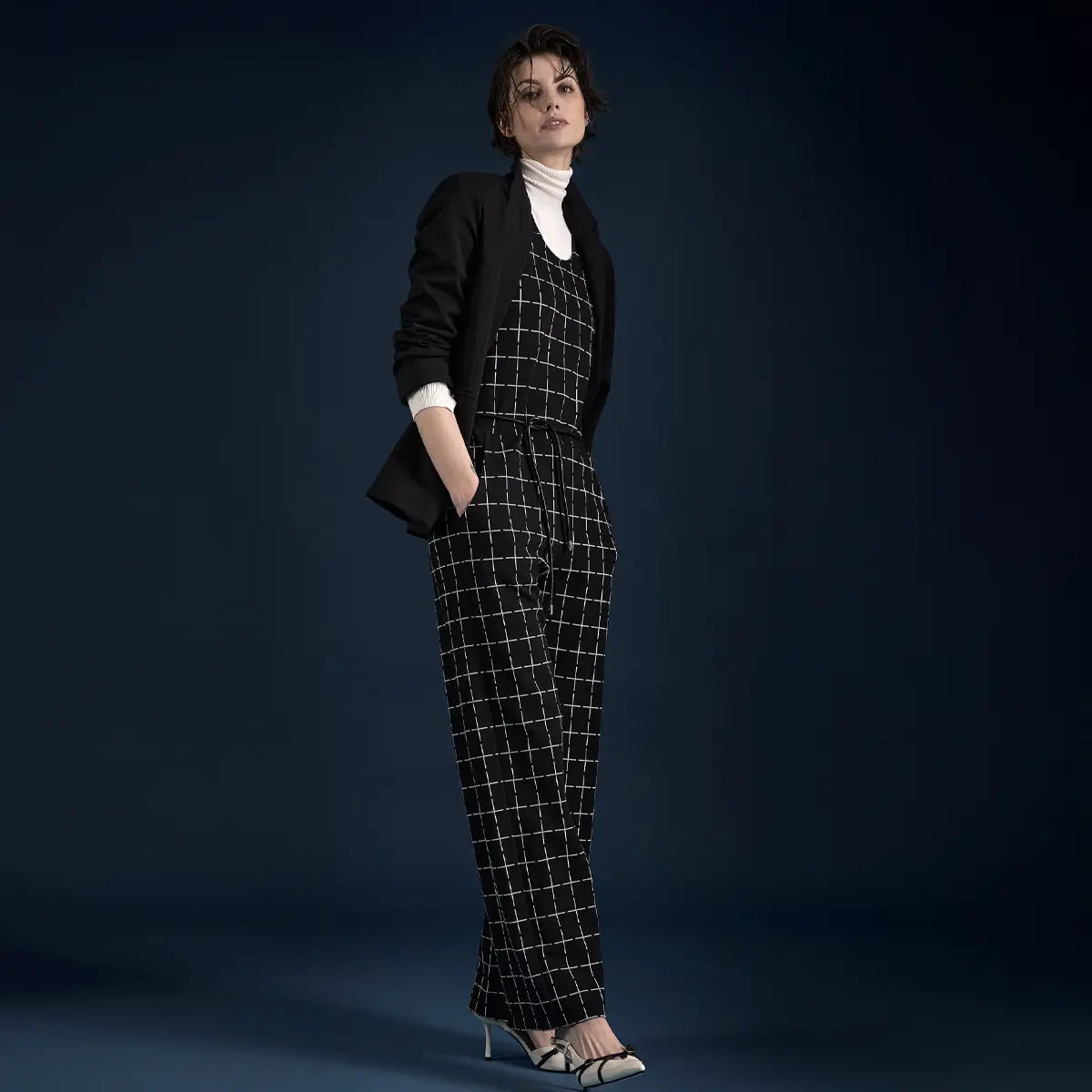
At less formal venues like the Münchner Kammerspiele —known for modern, sometimes provocative, and experimental productions—the dress code can be more casual. Pantsuits, midi dresses, or jumpsuits are good choices, paired with boots, loafers, or flat lace-ups; sneakers also go well with a jumpsuit or wide-leg pants. Jeans paired with a bow-tie blouse or a tasteful miniskirt with tights work just as well. The key: dress for your body type without looking overdressed. When it comes to color, you have leeway for bold colors and prints—only neon colors are too much here.
Your Style: Smart Casual
How to Style a Jumpsuit with Sneakers and a Crossbody Bag
A printed maxi dress is perfect for summery temperatures
Choose an outfit that allows you to sit comfortably for longer periods of time
Natural makeup in shades of beige, brown, or reddish tones
A loose bun or loose hair
Avant-garde or experimental theaters often have no dress codes—which gives you complete freedom. TheSchaubühne am Lehniner Platz in Berlin, for example, thrives on a special vibe: open, creative, and free-spirited. It’s not just on stage—the audience gets creative, too; you rarely see as many unique styles as you do in a foyer like this. Here, you can freely express your personal taste—whether it’s avant-garde, particularly fashionable, or featuring unusual accessories.
Express your personality and show off your unique style
Experiment with colors, cuts, and layering (e.g., with a vest)
Mix and match styles like vintage or ethnic, or pair a sequined top with baggy pants
Mix prints, such as polka dots with animal prints
Go for accessories like eye-catching earrings, hats, or scarves
The finishing touches: bold makeup, smoky eyes, and red lips—or no makeup at all
If the play is performed on an outdoor stage, that will greatly influence your choice of outfit. It makes a difference whether it’s a classic like Goethe’s *Faust* or a folk play. Generally, the dress code for audiences at outdoor venues is more casual —though at the Luisenburg Festival, evening gowns and stoles have been spotted there as well. Similarly, *Räuber Hotzenplotz* was performed there for children, with guests in everyday clothing. You’ll usually get a sense of the venue beforehand and can plan your outfit accordingly. The most important factors are the weather and the fact that you’ll be sitting outdoors for an extended period—it can get chilly, especially in the evening.
Layering is key— you'll be spending more time outdoors in the evening
Pack a blanket —the evenings can get chilly
Pay attention to the type of event, as the dress code varies widely for outdoor events
Always put together your outfit with a jacket or coat in mind
Go for accessories likeeye-catching earrings, hats, or scarves
Outdoor theaters often involve long walks or stairs—keep that in mind when choosing your shoes
These popular one-piece outfits are so versatile that there’s a perfect style for every woman and every occasion. When wearing a jumpsuit to the theater, styling is key: Depending on the venue’s vibe, pair it with an elegant long blazer or a short faux-leather jacket, and choose stilettos, pumps, high heels, or sneakers accordingly. Subtle jewelry completes the look.
A safe bet: The little black dress always looks appropriate and cuts a fine figure even at the theater. When choosing a cut, make sure it flatters your figure—an A-line cut creates a particularly harmonious silhouette, while sheath cuts accentuate your curves. Pair it with gold-colored accessories to create a unique, glamorous look.
Midi and maxi lengths are always a good fit and can be adapted to various theater dress codes—through fabric choices, details, accessories, and styling. A maxi dress with lace, pearls, or sequins adds a touch of glamour, while light colors or prints lend a romantic, summery vibe. To make a fashion statement, go for asymmetrical cuts, bold colors, or eye-catching patterns—perfect for a creative atmosphere.
A particularly sophisticated look is achieved when the jewelry and handbag coordinate in color—a gold bangle, a gold clutch, and matching earrings.
Check out the theater's website for more information
Consider the nature of the performance
Smart casual is usually appropriate
Express your unique style
Bring a small bag with you
Set your cell phone to silent mode
Choose shoes that don't clatter on the hardwood floor
Jeans with Holes
Crop tops or shorts
Activewear
Oversized Hats
Jingling Bracelets
Overpowering Perfume
Flip-flops
My conclusion: There’s no one-size-fits-all theater dress code—and that’s exactly the opportunity. The venue and the play set the tone: elegant at a traditional theater, smart casual at a modern venue, free-spirited at an experimental theater, and casual and weather-appropriate at an outdoor theater. A quick look at the theater’s website will give you a good idea of what’s appropriate; the rest is up to your personal style. That way, your trip to the theater becomes a cultural—and fashion—statement.
It depends on the venue and the production. There’s no standard dress code: traditional theaters call for elegant, mostly dark outfits; modern venues go for smart casual; and experimental theaters give you complete freedom. It’s best to check with the specific venue in advance.
At traditional theaters (e.g., Burgtheater, Residenztheater), elegant attire is the norm—a little black dress or a cocktail dress in dark colors. At modern theaters, smart casual is fine, and at experimental theaters, you’re free to mix and match in a creative and expressive way.
A jumpsuit, the little black dress, and a midi or maxi dress. With the right fabric, accessories, and styling, they can be adapted to suit almost any home.
In modern and experimental restaurants, yes: for example, jeans with a bow-tie blouse or a jumpsuit with sneakers. In classic, traditional restaurants, however, you should opt for more elegant looks.
Go for a casual, weather-appropriate look. Plan to layer your clothes; put together your outfit with a jacket or coat in mind; bring a blanket if necessary; and choose shoes that can handle longer walks and stairs.
Christine Schmitz
My love for fashion and communication led me to Ana Alcazar—having cut my teeth as a copywriter and concept developer in traditional advertising, I’ve been writing for our Munich-based designer label for over 10 years. On the editorial team, I’m responsible for all corporate topics, and I also focus on current trends and my passion: gender equality.
Sometimes a story needs more than a photo can convey. That’s why some of the images in this article were created using artificial intelligence (AI)—curated, inspiring, and always in the spirit of “Wear your Story.” The AI-generated images are clearly labeled next to each photo.
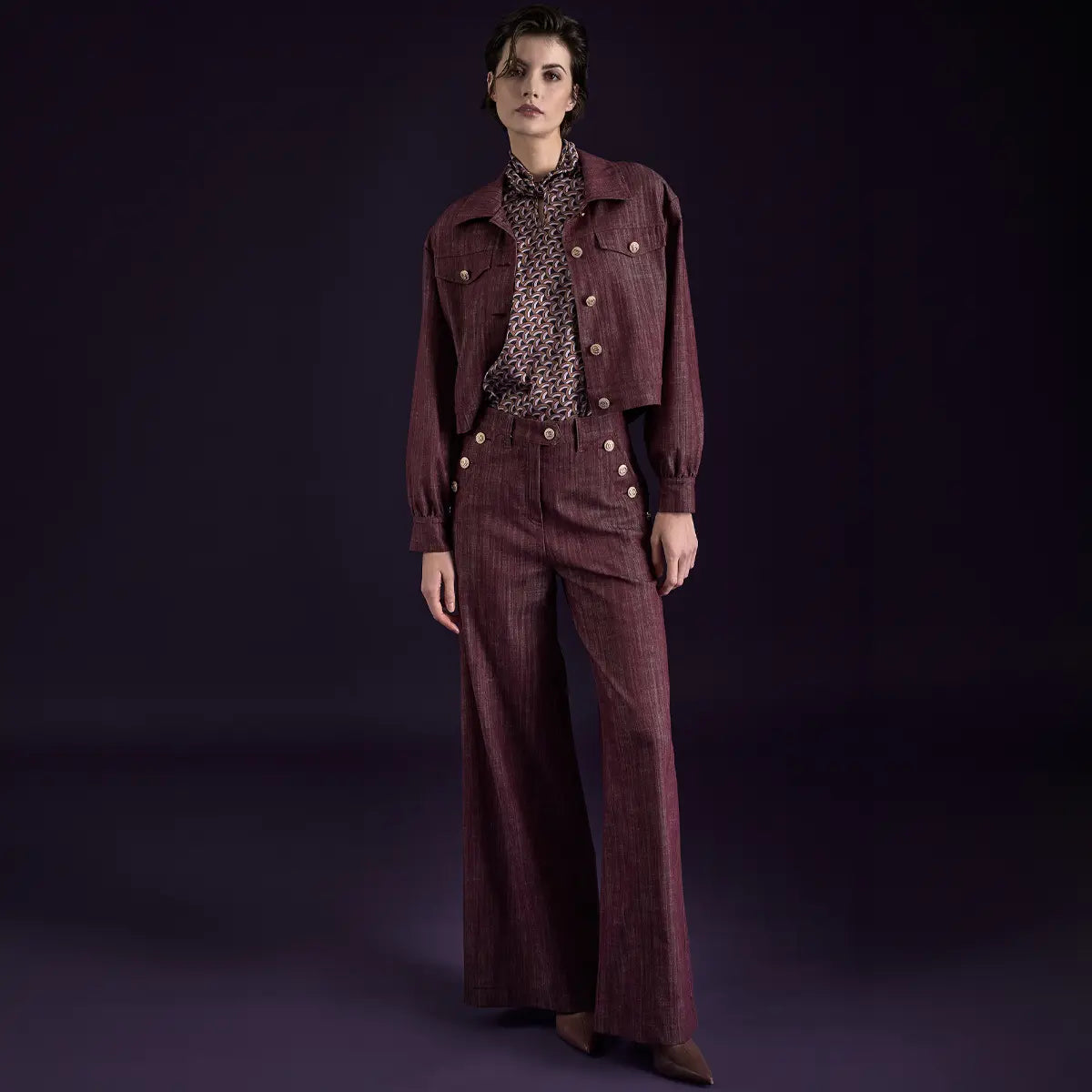
Trouser Shapes Guide
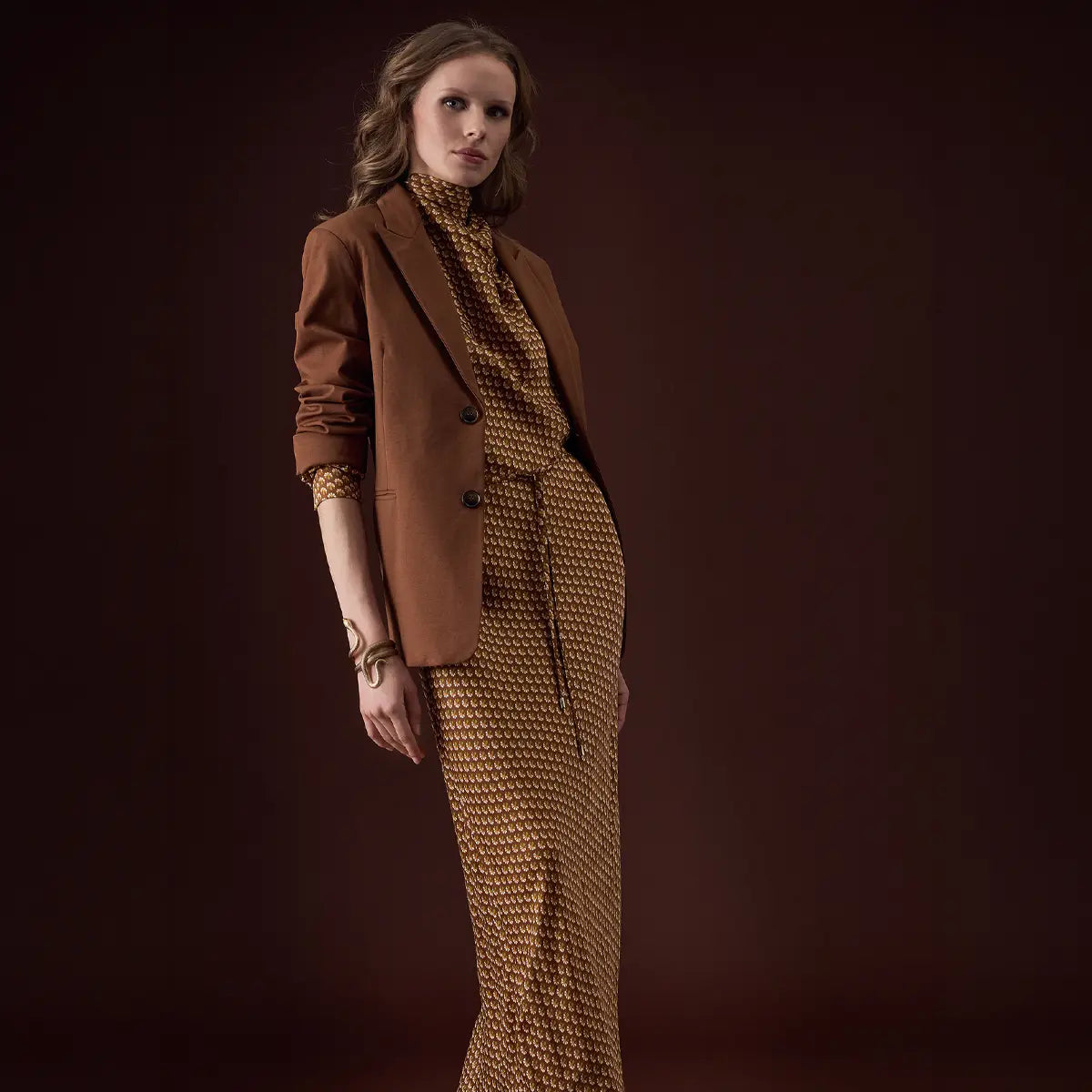
Dress Shapes Guide
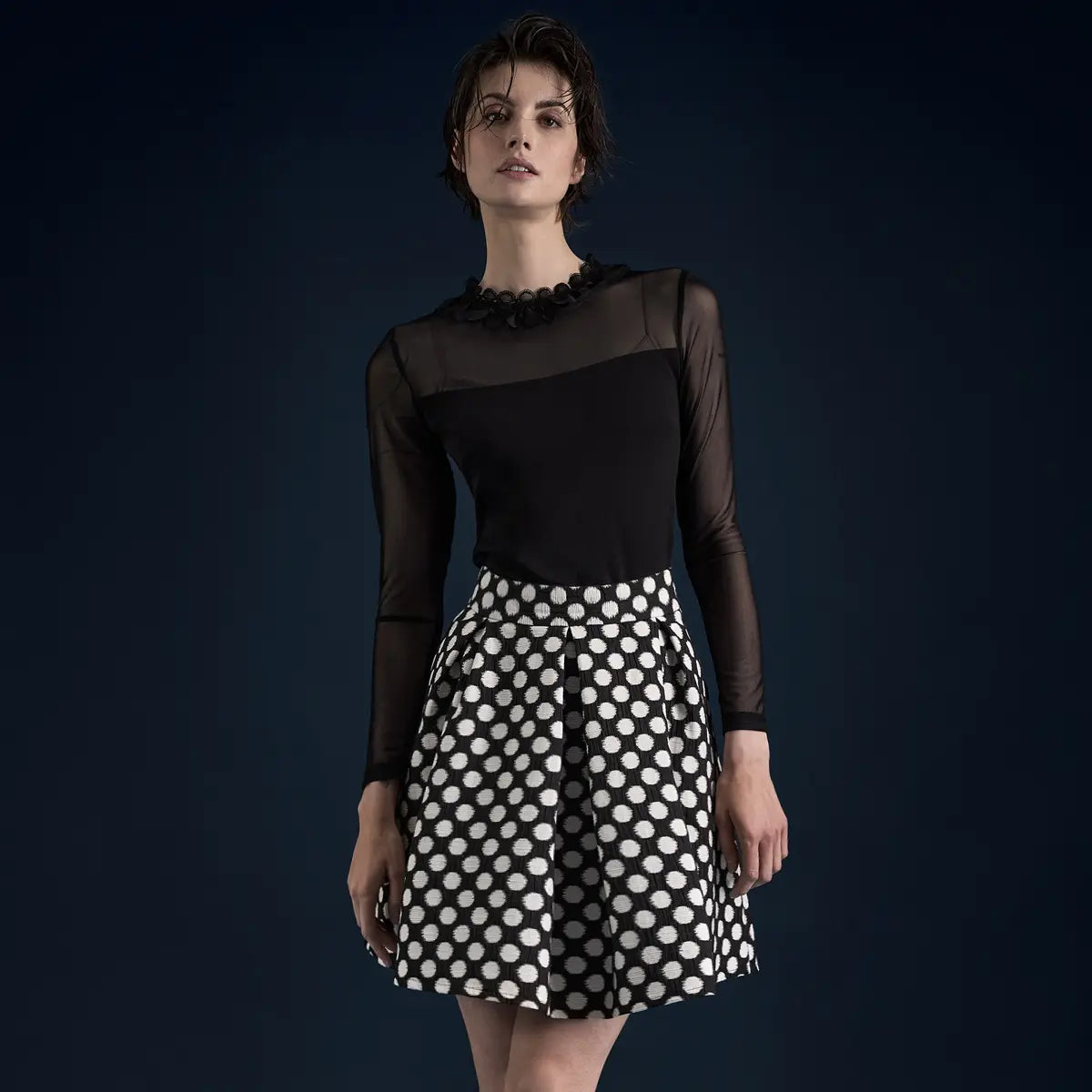
Skirt Shapes Guide
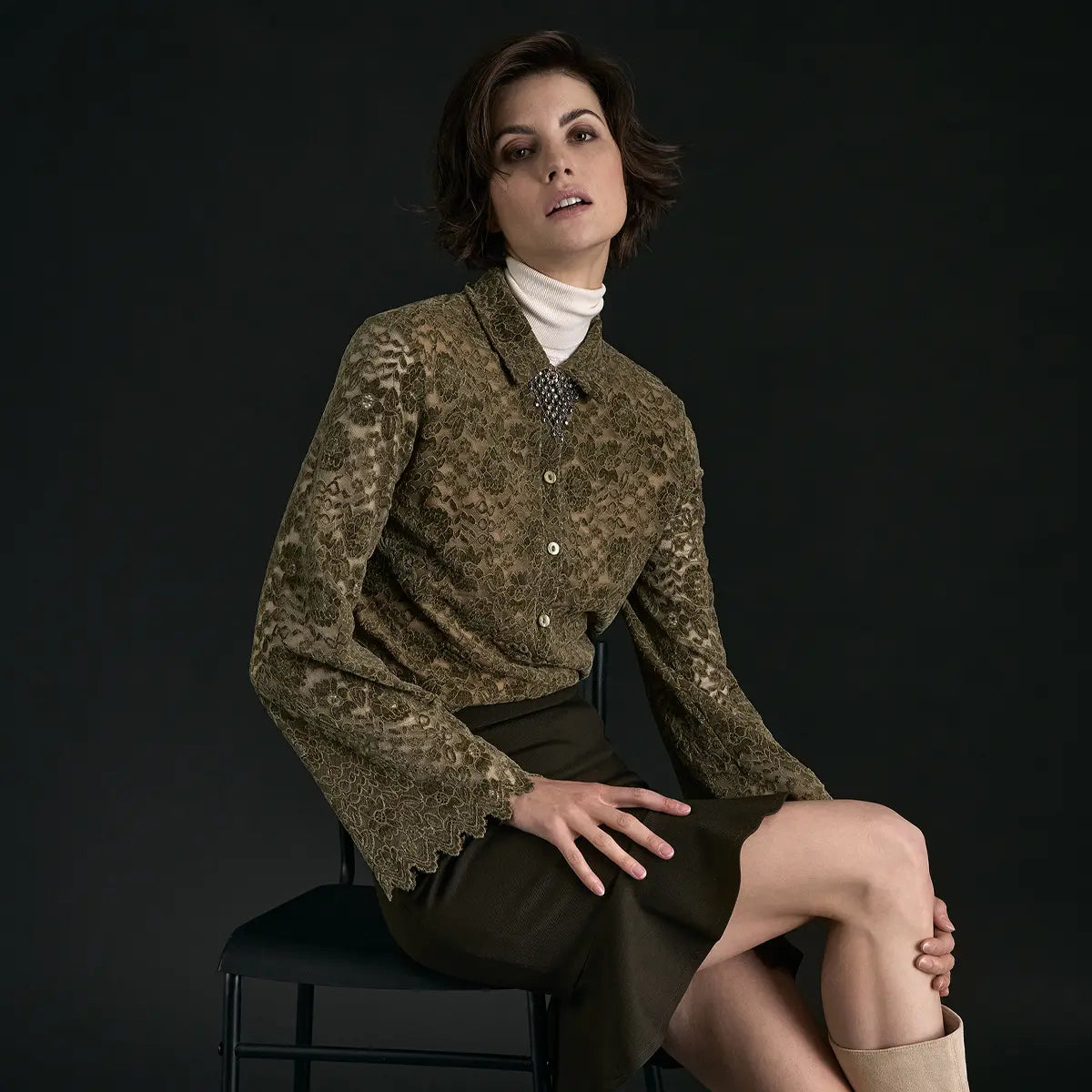
Top Form Guide
Jumpsuit Types Guide


