

Key Points at a Glance
There’s no official dress code for art openings—but there are a few unwritten rules. Base your choice on the art style, location, time of day, and audience. If you want to play it safe, business casual is the way to go; monochromatic black is a classic in the creative scene. Important: don’t be over- or underdressed—dress stylishly and comfortably—you’ll usually be on your feet a lot.
- No official dress code —the art form, venue, time, and audience set the tone
- A Safe Choice: Business Casual; monochromatic black as a classic of the creative scene
- Neither overdressed nor underdressed; wear comfortableshoes, since you'll be standing most of the time
An art gallery, subdued lighting, a glass in hand, and art that raises questions—an opening has its own unique atmosphere. There’s no official dress code, and yet the question arises: What should I wear in a place where aesthetics are everything? The beautiful answer: Art itself provides it.
In this guide:
What exactly is a vernissage?
A vernissage is the opening of an exhibition at which contemporary artists present their works to an invited audience. This opening usually takes place in a small circle: curators, patrons, the artists themselves, gallery owners, and collectors come together to discuss the art—and to purchase it. For the artists, the evening is of great importance, as reviews and feedback help determine how successful the exhibition will be.

Modern and cool: a look in bright red that stands out against the large clock face instead of getting lost in it. @AI illustration
Where does the name actually come from?
The term comes from French: “le vernis” means “varnish” or “lacquer.” So “vernissage” essentially means “applying varnish.” There’s a practical reason for this: Artists who painted in oils used to coat their paintings with a protective layer of varnish before exhibiting them—the culmination of the creative process, which even back then was a cause for celebration among friends.
There's no official dress code, but there are a few unwritten rules
Art is free, colorful, and unpredictable— so perhaps it’s only natural that there’s no set dress code for art openings. However, an art opening is an event where aesthetic sensibility plays a major role. Perhaps, despite all the freedom in art, it’s important to you not to be completely out of place stylistically? These four questions will help you prepare:
Ask yourself this first:
What kinds of works will be on display—classical, modern, or conceptual art?
Where will the opening take place?
When is the event taking place?
What is known about the artist and their community?
Note from the Art Department
Art sets the tone—silhouettes, aesthetics, and colors define it, and thus your outfit as well. Whether it’s cool newcomers, avant-garde, or fashion photography: the audience and style vary. From grunge to playful to elegant or simple—anything is possible, depending on the art movement. At modern art events, guests tend to dress more extravagantly, while classic art forms call for a more refined style.
How is art evaluated?
Where collectors and businesspeople who invest in art come together, it shows in the dress code. If the exhibits are highly valued as investments, you’ll see more suits and business attire at the opening.
Note from the venue
The location also speaks volumes: a small back-alley gallery in Berlin-Neukölln calls for something different than a glamorous opening reception in a prime location. In Neukölln, you can show up in jeans and a T-shirt; elsewhere, a dress is more appropriate. So check out the venue beforehand.
Indication by the time
In the evening, outfits can generally be more extravagant and glamorous than during the day. If the opening takes place in the morning, a more casual style is usually expected; for an evening opening, you can dress more elegantly.
Who is the artist?
People are drawn to others who share similar values—so it’s likely that many guests will share the artists’ taste, or at least appreciate it. That, too, can help you choose your outfit for the opening.
Dress Code Guide
Exhibition Opening
There is no official dress code—business casual is a safe choice, and all-black is a classic option.
Formalities
Casual
Smart Casual
Business
Festive
A Great Evening
Gala
The art style, venue, time of day, and audience set the tone. Wear comfortable shoes—you'll usually be on your feet a lot.
Dress Length
Mini
Knee-length
Midi
Maxi
Color Inspiration
Black
Anthracite
Gray
White
Traffic Light for Special Occasions
Hits the right note
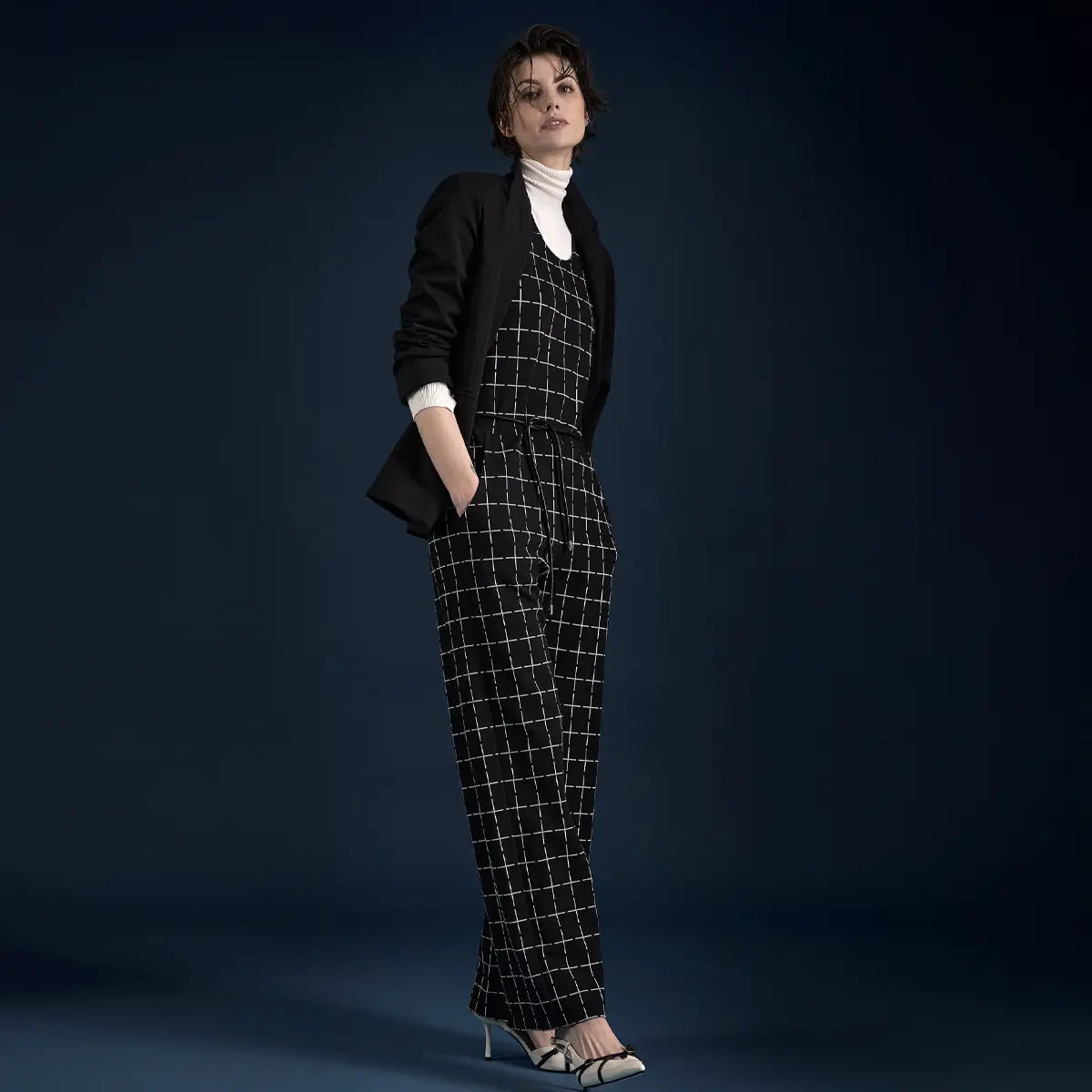
- Business Casual — pantsuit, jumpsuit, dress
- Monochrome, inspired by artistic styles
- Statement Accessories (clutch, long necklace)
With Care
- Neither overdressed nor underdressed (not a gala, but still respectful)
- Adjust to the time of day
I'd rather not
- Dressing up, too much glitter and glamour
- Too casual or too flashy: statement shirts
- Extremely revealing; large bags/backpacks
Styling with Class: Four Looks
Contemporary Art – Business Casual
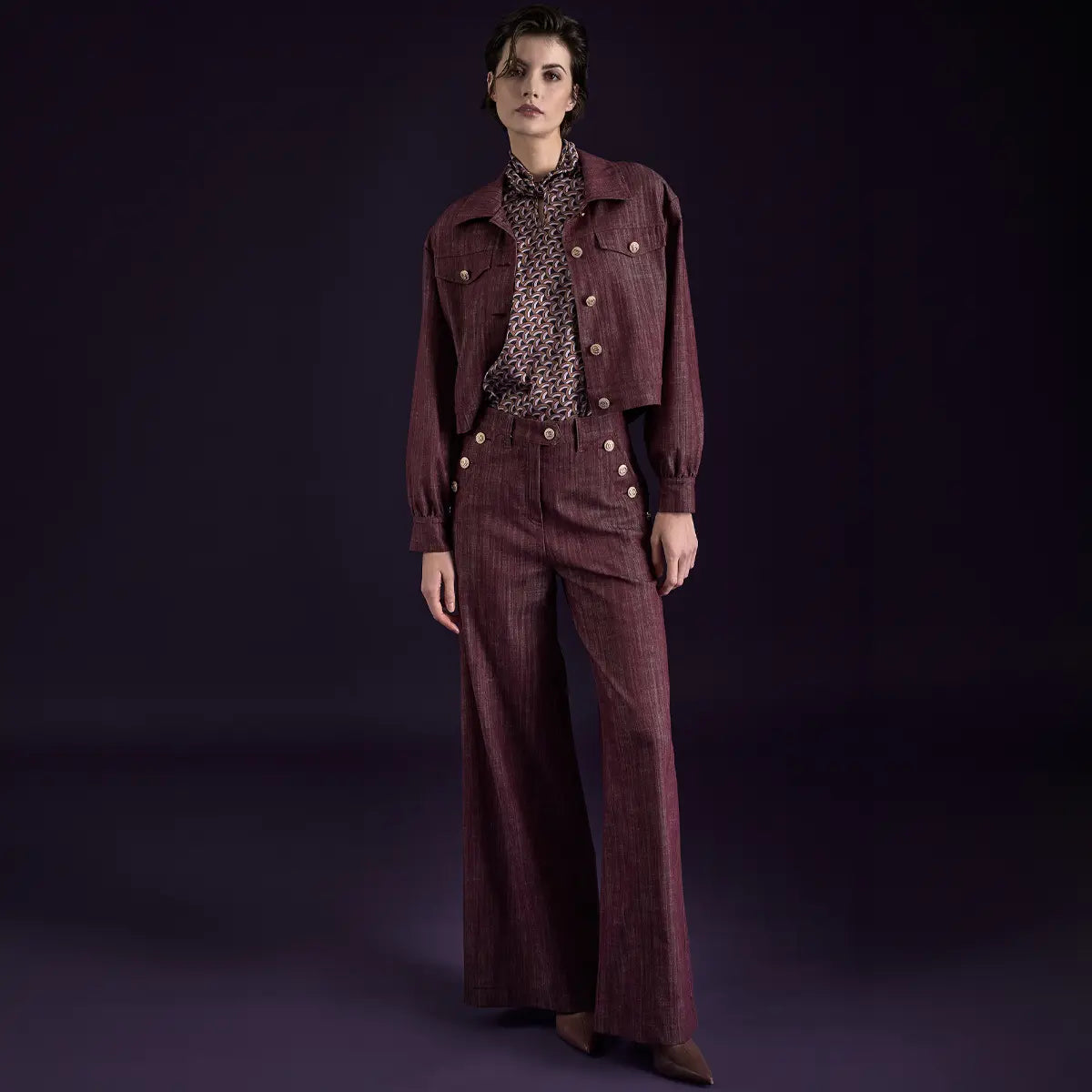
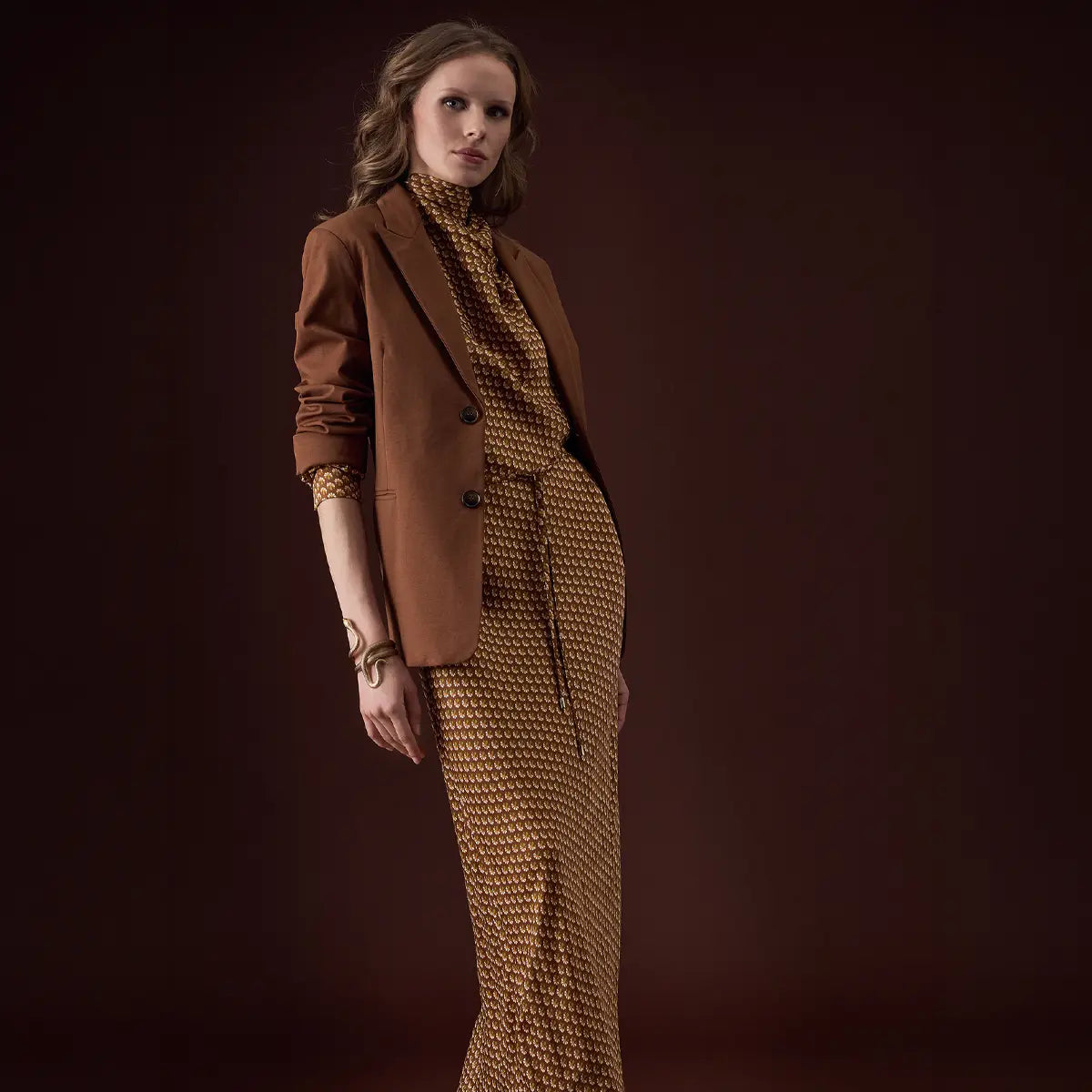
If you want to play it safe, business casual is the way to go: a solid-color midi or maxi dress with a slim-fit blazer, a shirtdress or wrap dress, a two-piece set or jumpsuit with sneakers, or jeans with an oversized jacket, a cool top, and loafers. Elegant but not too fancy, understated but not too short or too casual. Since you’ll usually be standing during an opening, keep that in mind when choosing your shoes. Natural, face-flattering makeup completes the look.
Classic Paintings – Just a Touch More Classic
When portraits are displayed on canvas, the audience changes—and so does the attire. Go for a more classic look than you would for modern art: a sheath dress with pumps or an A-line dress with a short blazer are good choices. For a high-profile art opening with celebrity guests, a glamorous look with an elegant evening gown, paired with wedges or high heels, is appropriate.
Minimalism in the Creative Scene
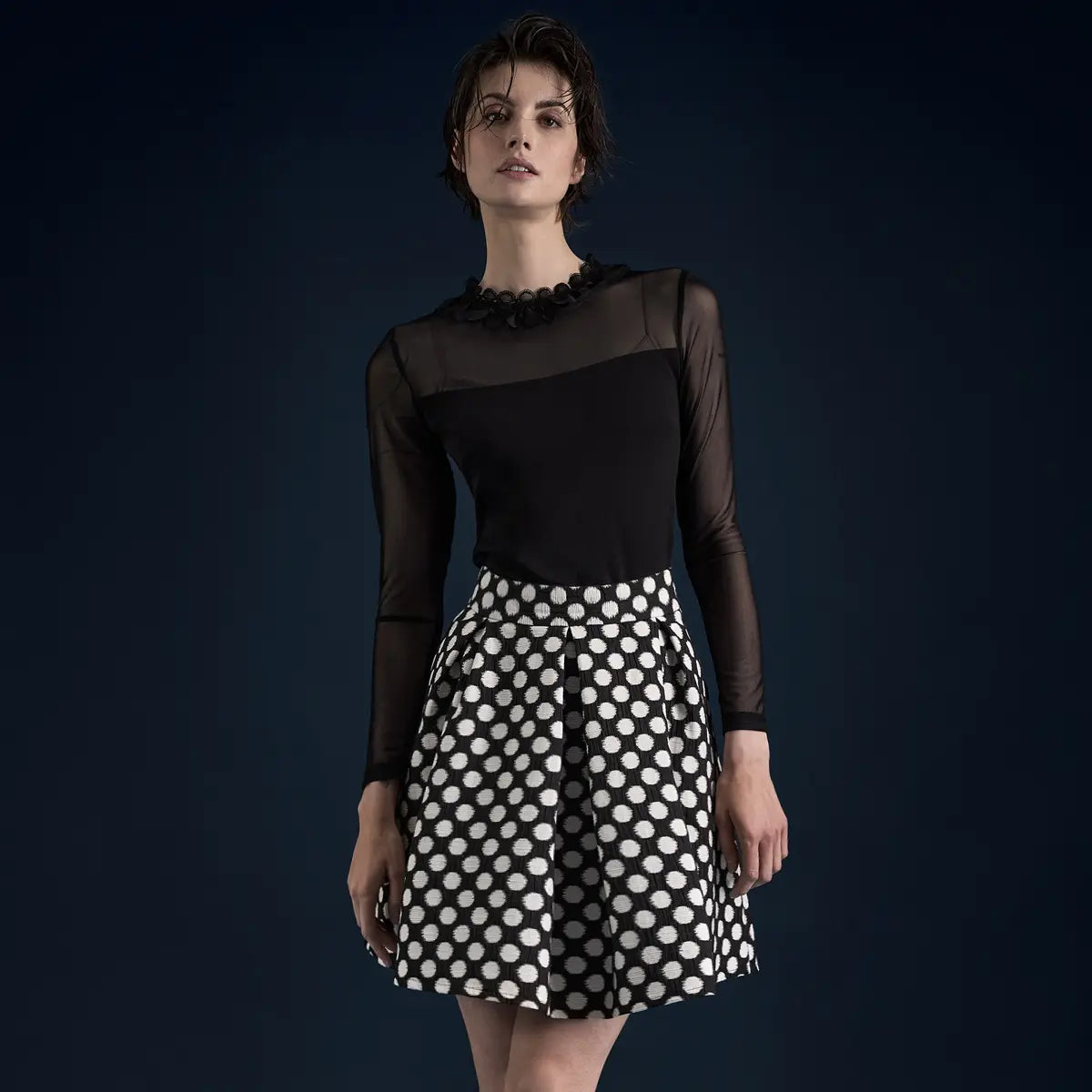
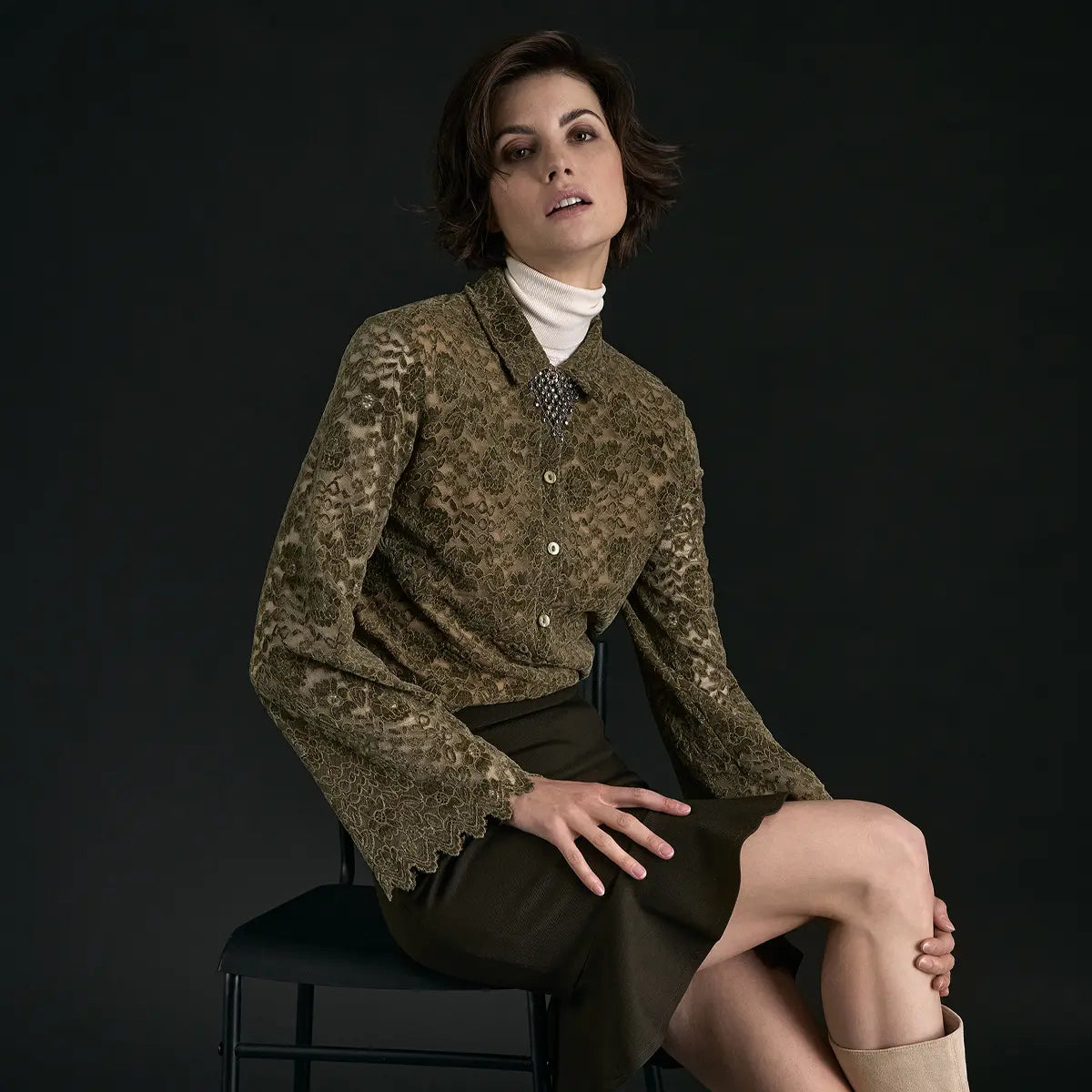
Monochrome styles in black have always been a statement of independence in the creative scene— minimalist, neither overdressed nor underdressed, yet exuding plenty of class. Straight-cut pants, pleated pants, culottes, or midi skirts pair perfectly with the classic black turtleneck. Complete the look with black lace-ups, loafers, ankle boots with chunky soles, or iconic boots. Add a personal touch with colorful sneakers, printed boots, or statement jewelry.
Experimental Art Exhibitions
When artistic styles are reinterpreted, your look can be just as experimental. Here, you can explore the full spectrum of fashion: jeansor wide-leg pants with a shirt, boho-style printed dresses, miniskirts with studded details and combat boots, or a sequined skirt with a simple top. In the evening, you can go for a more extravagant look or opt for special accessories—like red ankle boots. Depending on the art form, you’ll also be appropriately dressed in athleisure style.
How to Behave: The Rule of Politeness
It's not every day you find yourself at a festive exhibition opening. Here are a few tips to help you carry yourself with confidence:
At the Metropolitan Museum of Art in New York, visitors spend an average of only about 32.5 seconds looking at each exhibit— so take your time and relax. The art is the focus.
If you spend a long time looking at an object or a video installation, please make sure to leave a clear view for other guests.
Join the conversation— there’s hardly any other occasion that makes discussing individual works so easy.
Even if you don't like the exhibits, respect the creative effort and refrain from excessive criticism.
Do you have questions about the artwork? Take this opportunity to ask the artist —and remember that others would like a chance to speak, too.
And finally: First the art, then the party.
A Quick Summary: Dos and Don'ts for the " " Opening Reception
Business Casual: Pantsuits, jumpsuits, dresses
Monochrome outfits inspired by the style of the respective art form
Stylish, well-groomed, comfortable —and suited to the time of day
Staying true to your own style
Loafers, ankle boots, pumps, sneakers, or platform shoes
Statement accessories such as clutches, long necklaces, or printed shoes
Don'ts
Completely ignore the spirit of the opening reception
Overdressed ( an art opening isn't a gala) or underdressed (showing no respect for the occasion)
Dressing up, too much glitz and glamour
Too casual or too flashy: inappropriate messages on T-shirts
Extremely revealing outfits
Large bags or backpacks, uncomfortable shoes
My conclusion: There’s no set dress code for an art opening—and that’s exactly what makes it so appealing. Let the art style, the venue, and the time of day guide you: business casual is the safe choice, while all-black is the elegant classic. The key is to avoid being either overdressed or underdressed and to stay true to yourself. That way, you’ll look your best and radiate confidence—and, above all, you’ll enjoy the art.
You Ask, We Answer – Frequently Asked Questions About the " " Opening
Is there a dress code for art openings?
Officially, no, but there are unwritten rules. The art genre, location, time of day, and audience will give you some clues: Modern art allows for more extravagant choices, while classical art suggests a more traditional style.
How formal should my outfit be?
It depends on the occasion. At high-profile art openings with an investment-oriented crowd, you’ll often see suits and business attire; at smaller galleries, business casual is fine. The important thing is not to look too formal or too casual.
What kind of shoes are appropriate?
Comfortable, since you're usually on your feet a lot: loafers, ankle boots, pumps, sneakers, or platform shoes. If you can stand for long periods in stilettos, feel free to wear them, too.
Can I bring a large bag?
Better not. Large bags or backpacks look impractical and out of place—a clutch or small bag is the more stylish choice.

Christine Schmitz
My love for fashion and communication led me to Ana Alcazar—having cut my teeth as a copywriter and concept developer in traditional advertising, I’ve been writing for our Munich-based designer label for over 10 years. On the editorial team, I’m responsible for all corporate topics, and I also focus on current trends and my passion: gender equality.
Between Image and History
Sometimes a story needs more than a photo can convey. That’s why some of the images in this article were created using artificial intelligence (AI)—curated, inspiring, and always in the spirit of “Wear your Story.” The AI-generated images are clearly labeled next to each photo.