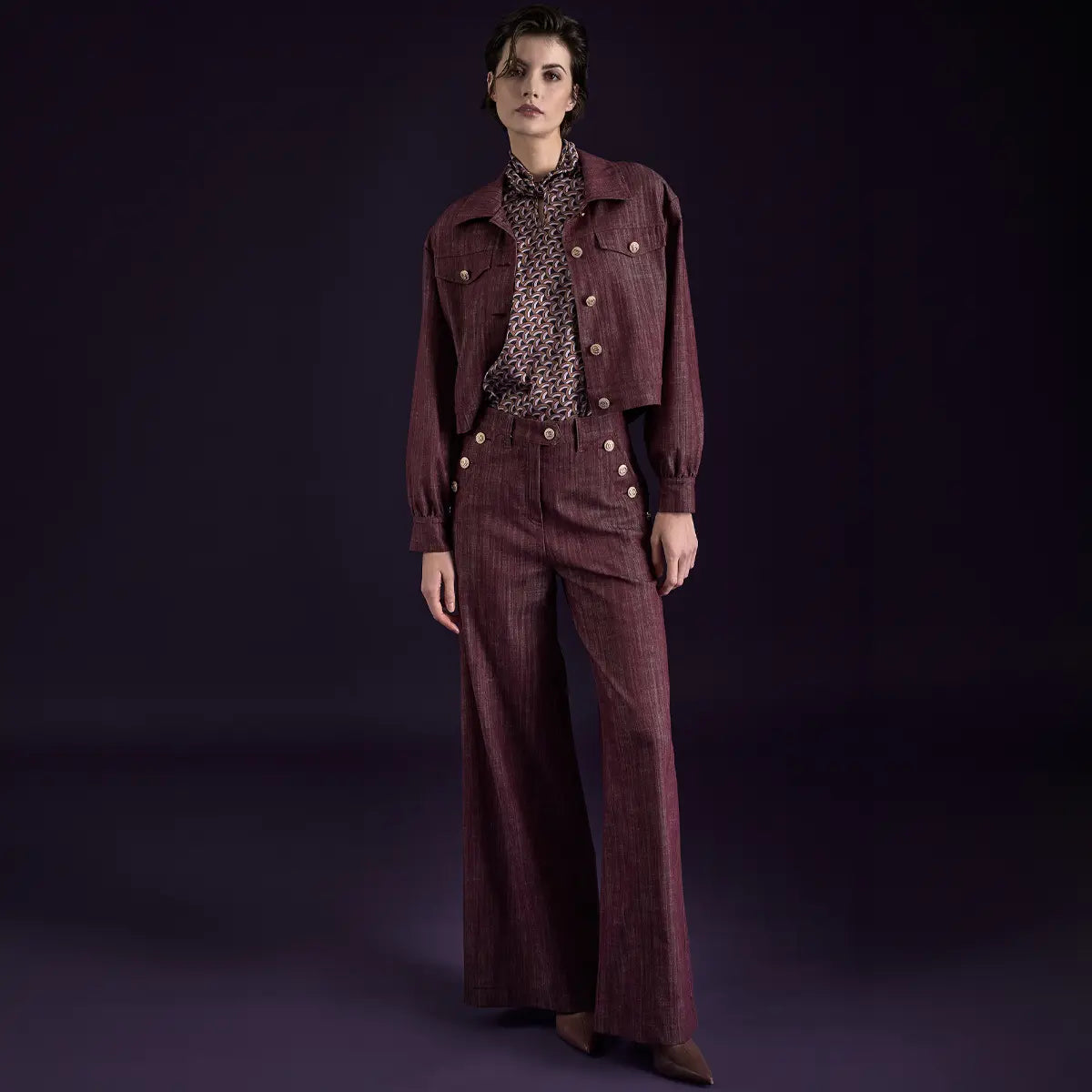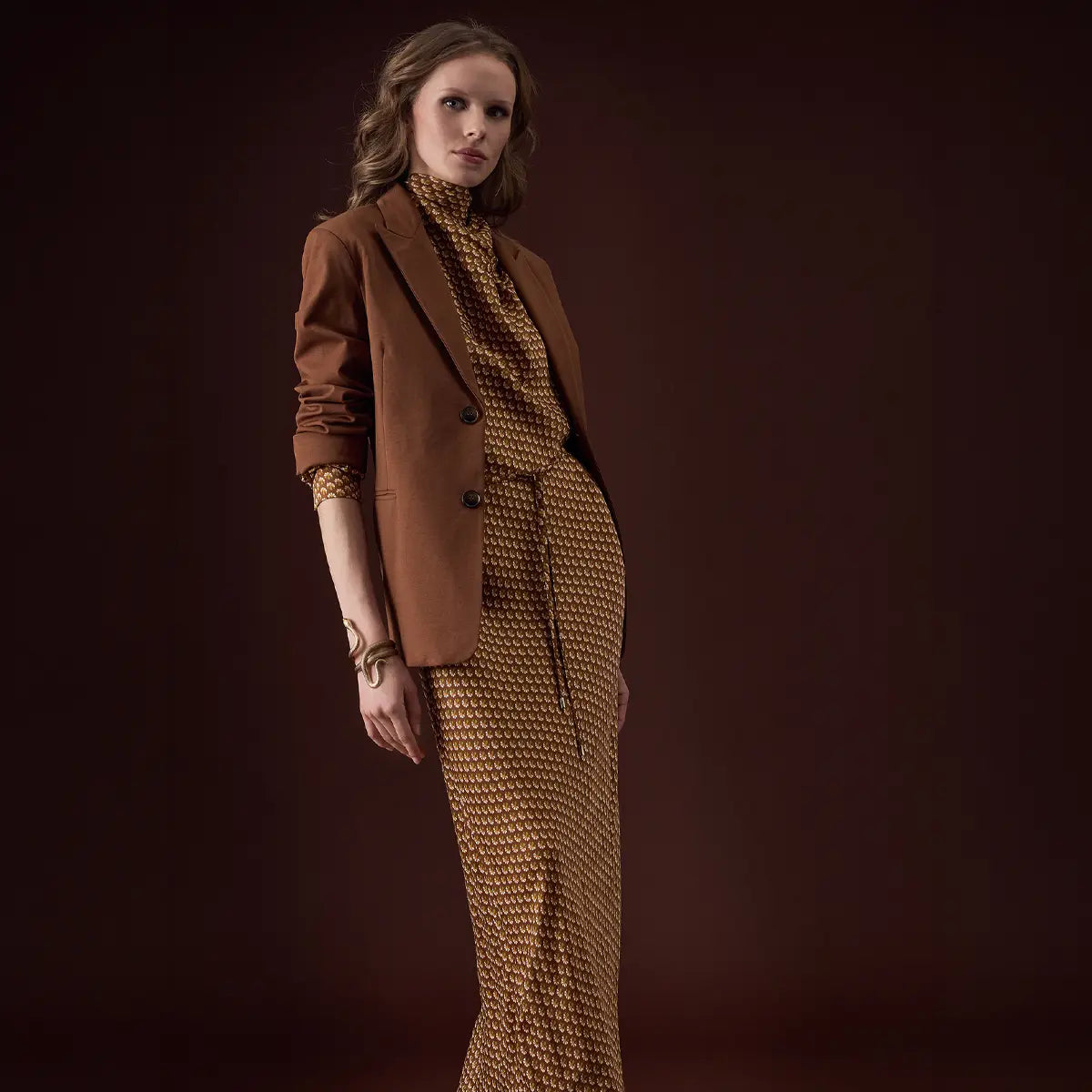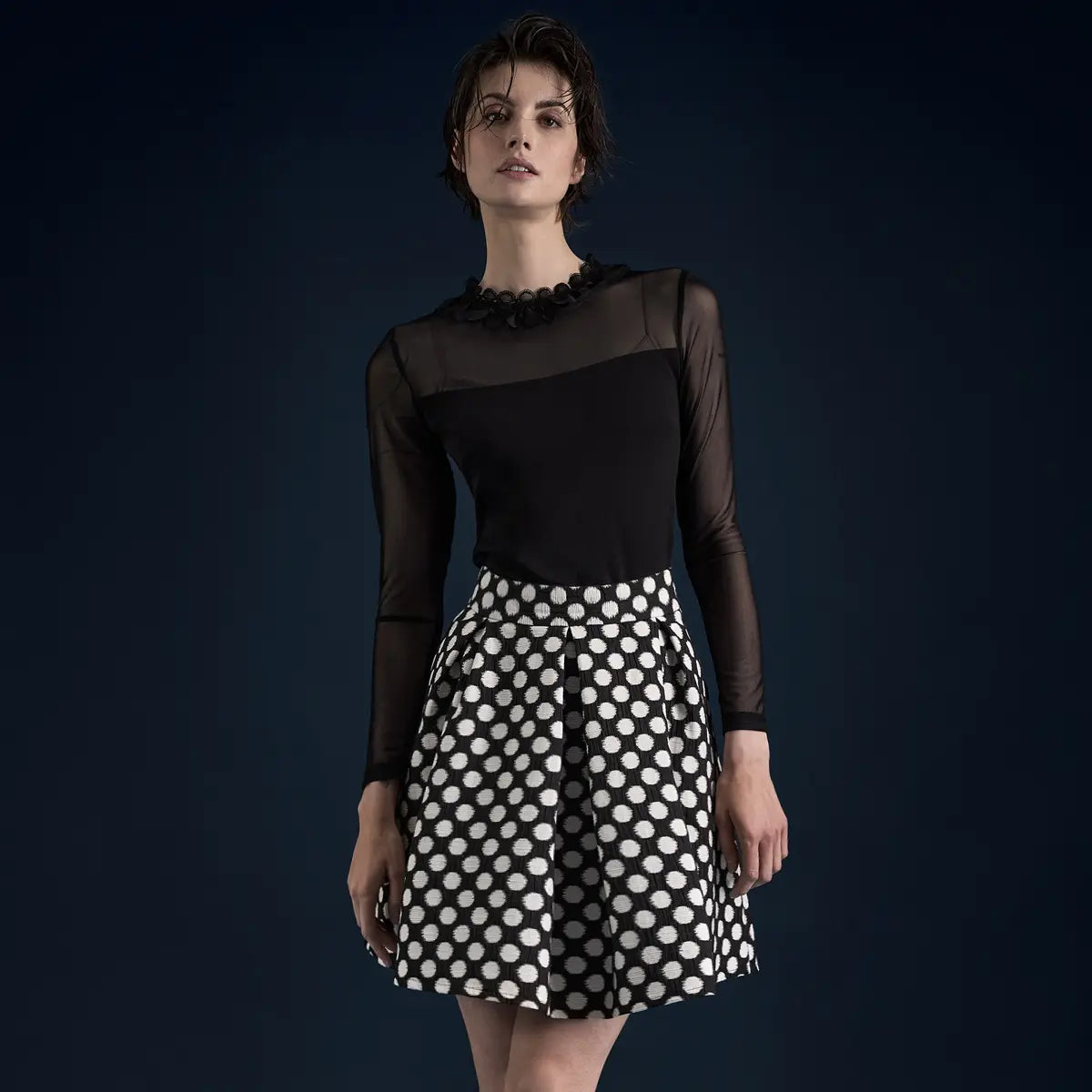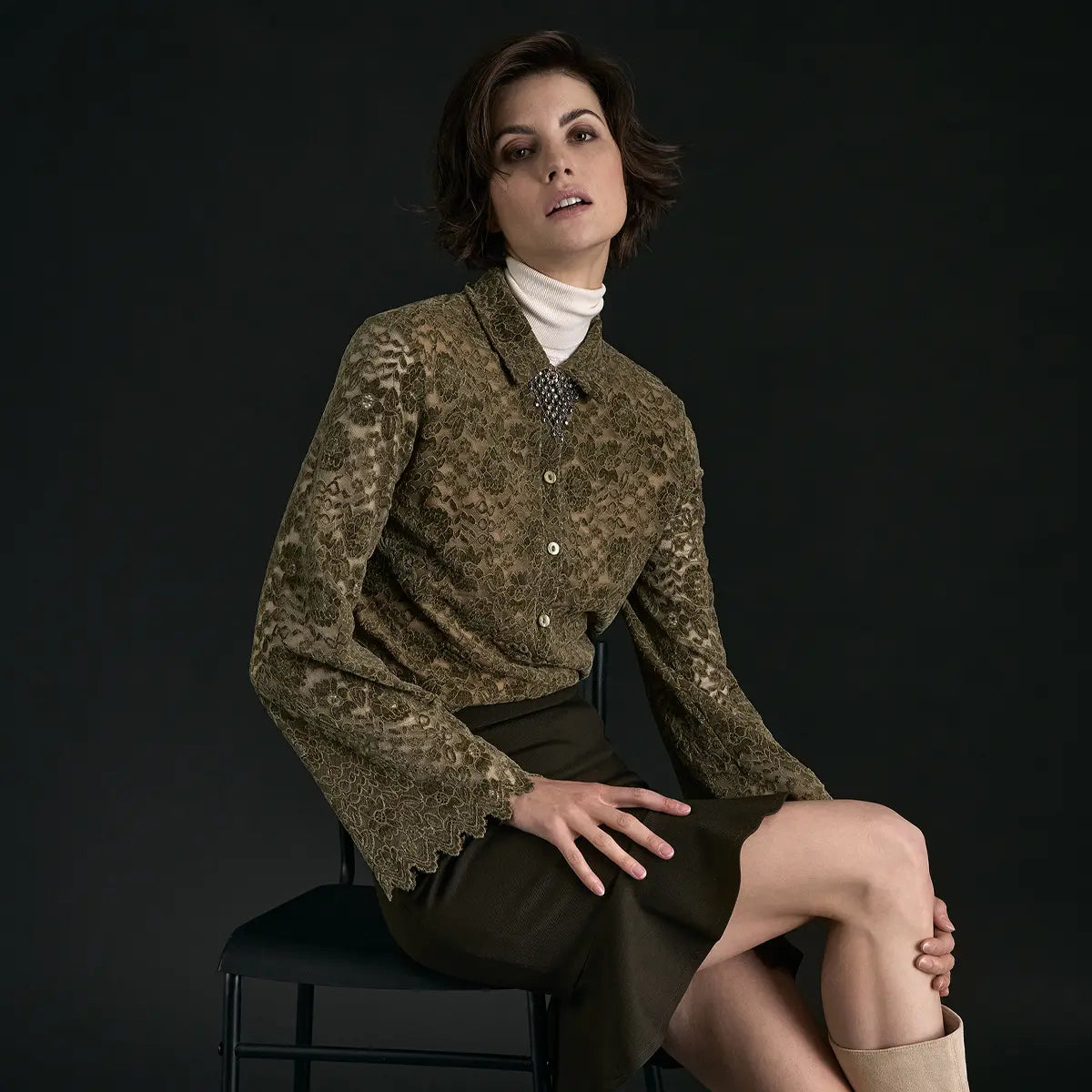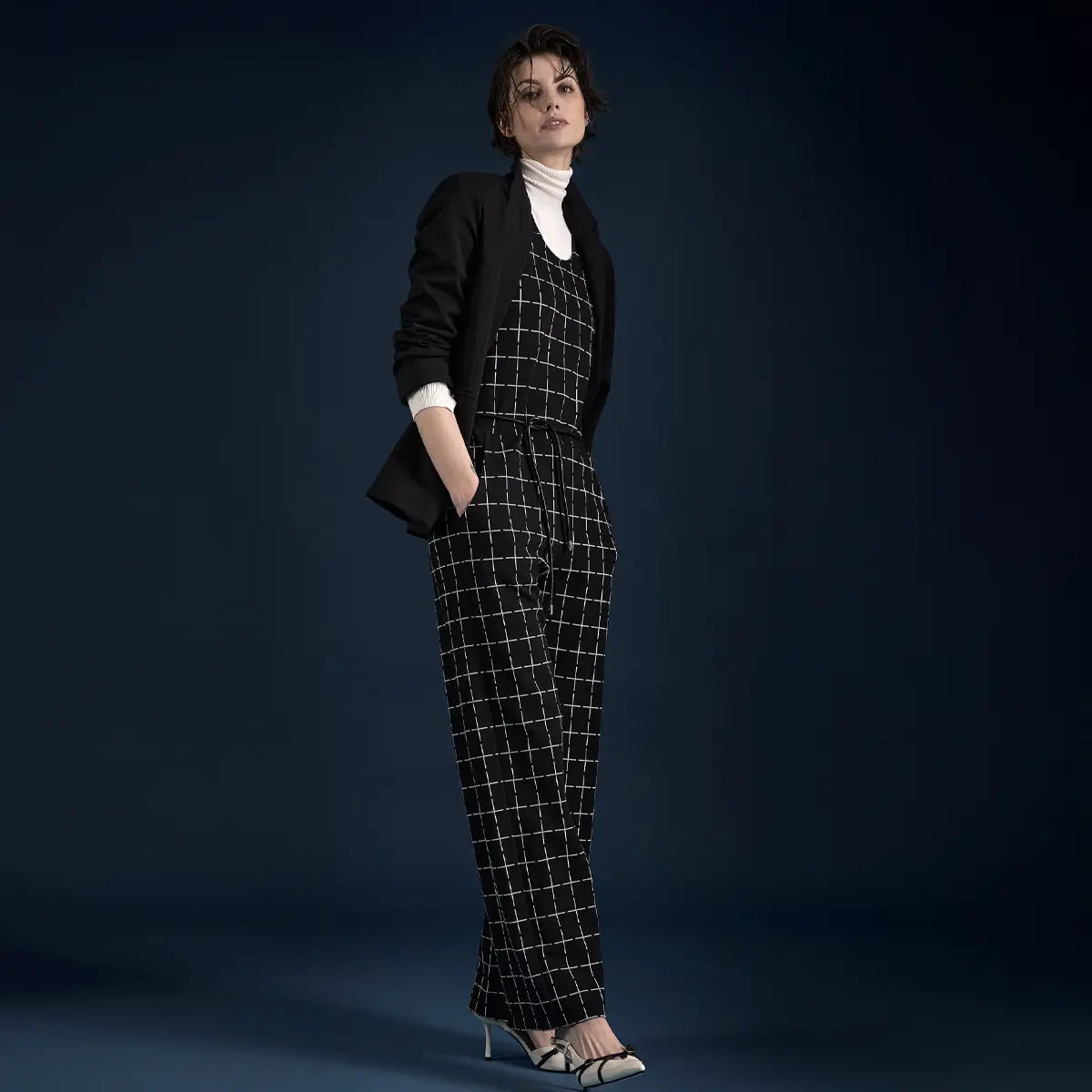


As the days grow shorter and the nights grow longer, we fall in love all over again with colors that have a powerful presence. It’s as if they could bring back the light that’s missing during the darker season. Colors that leave a lasting impression with their blend of intensity and beauty: the so-called “jewel tones.”
In this guide:
As captivating as the sparkling stones themselves—the most beautiful jewel tones The Magic of Intensity Which jewel tone suits which color typeCombining jewel tones (interactive) Top styling tips Discover pieces in jewel tones Dos & Don’ts for Styling with Jewel Tones Frequently Asked Questions About Jewel Tones
These rare natural gemstones have always captivated us as jewelry, set in gold and silver. It’s no wonder that their colors also captivate on the runways and in street style: sapphire blue, emerald green, ruby red, amethyst violet, and citrine yellow. Especially during the darker months of the year, this rich and multifaceted palette brings a touch of magic to our everyday and festive outfits. These hues, which symbolize timeless elegance, exude exactly the glamour we often lack on cold, gray days.
As captivating as the sparkling stones themselves — the most beautiful jewel tones
Six gemstones, six personalities—each gemstone shade has its own unique character. Here’s an overview of the most important ones:
What jewel tones are there?
An overview of the six gemstone colors—each with its own character.
Emerald
#1F6B4D
Elegant and confident
Ruby
#9C1F3C
Festive and warm
Sapphire
#1F3A7A
Refined and strong
Amethyst
#6B3D8E
Luxurious and Mystical
Topaz
#D4A82C
Radiant and golden
Amber
#B8742C
Confident and self-assured
's Most Important Jewel Tones
Emerald green: elegantand confident
Ruby red: festiveand warm
Sapphire Blue: Sophisticatedand Powerful
Amethyst Violet: Luxuriousand Mystical
Topaz/Citrine Yellow: radiantand golden
Amber: Confidentand Assertive
The Magic of Intensity
These distinctive shades are still on trend this season and add a touch of elegance to any outfit, no matter how simple it is. Their effect can also be logically explained from the perspective of color psychology. The inimitably rich intensity conveys confidence, self-assurance, and value —qualities we subconsciously associate with precious and rare gemstones.

Amethyst Meets Sapphire – rich hues that stand out even in low light. @AI Illustration
Thanks to their high color saturation , jewel tones make a statement without appearing loud, thereby appealing to the need for self-expression, stability, and inner strength. Perhaps that is the deeper reason why they move us emotionally and continue to fascinate designers. Their strong visual impact also underscores the wearer’s personality.
The best part: jewel tones really suit every woman
Compared to pastel shades, jewel tones work for every color type—there’s guaranteed to be a shade that makes your complexion glow.
Which jewel tone suits which color type?
Warm Spring and Fall Types
Warm spring and fall color types look especially good with ruby red or topaz. Amber also makes warm skin glow beautifully—the warm undertones of these gemstones flatter your natural skin tone.
Cool Summer and Winter Types
Sapphire blue, amethyst violet, and emerald green highlight the appeal of the cool summer and winter types. The cool, clear undertones of these gemstones perfectly complement the crisp, radiant appearance of these types.
Good to Know
Of course, jewel tones aren't just a highlight during the cooler months or on festive occasions—they also work well in the summer. They look especially great when paired with more neutral basics in shades like cream, sand, or off-white.
Combining Jewel Tones (Interactive)
Hover your mouse over a color — and see how the gem color "Emerald" looks when combined with that color.
Give it a try: What color goes well with emerald?
Choose a color from the palette—and see right away how it looks.
Emerald
#1F6B4D
Tone-on-tone
Ruby
#9C1F3C
Sapphire
#1F3A7A
Amethyst
#6B3D8E
Topaz
#D4A82C
Amber
#B8742C
Citrine
#E8B82C
Classic
Cream
#EFE4CA
Sand
#D9CFB8
Off-White
#F0EBE0
Light Gray
#C0C2C8
Navy
#1F2A3A
Black
#0A0A0A
Statement
Gold
#C9A042
Silver
#B8B8C0
Bronze
#9C6B3E
Anthracite
#3C3D44
Champagne
#E4D4B8
Burgundy
#5C1A2A
The Most Important Styling Tips — Charm Included
Variety is the key — these rich, trendy shades are perfect for every style and personal taste. Whether you want to create edgy looks, use cozy knitwear as a fashion statement, or go all out with jewelry in maximalist outfits—it's up to you.
Intensity is the name of the game — make a bold fashion statement with color
They stand on their own and need no distractions: pieces like midi dresses, coats, or two-piece sets in jewel tones exude power and confidence. An emerald-green dress, a ruby-red coat, or a sapphire-blue two-piece set draws the eye—without being too flashy.
The color's strength and intensity are best showcased against a clean, minimalist design— ideal for elegant everyday looks or special occasions. If you want to amp up the intensity even more, pair it with black or dark navy.

An emerald with clean lines—a statement piece that catches the eye without being flashy. @AI illustration
Jewelry Magic Light — Adding Accents
If you prefer a more understated look, incorporate jewel tones strategically into your accessories. Bags, shoes, or jewelry inamethyst violet, ruby red, or sapphire blue instantly elevate neutral outfits and add that essential touch of sophistication. Especially in everyday life or in a business setting, these accents help you create a stylish, modern look.

A ruby-red accent that instantly elevates a simple cream-colored outfit. @KI-Illustration
Monochrome Is Key
Jewelry tones look especially classy in tone-on-tone styling, where different shades of the same color are combined. If that’s too much for you, you can add more neutral pieces like black, cream, or gray—for a harmonious, timeless look.
Metallics such as gold, silver, or bronze highlightthe glamorous nature of these colors and are perfect for evening or statement looks.

Sapphire blue from blouses to coats—monochrome in elegant shades. @AI illustration
"Edel" and "edel" are a match — the issue of the fabric has been resolved
Like attracts like. High-quality fabrics and textures enhance the depth and radiance of jewel tones. Against this backdrop, they reveal their full mystical presence:
- Heavy velvet looks opulent and soft
- Shimmering silk and delicately lustrous satin add radiance and lightness
- Fine knit gives the colors a modern, relaxed elegance
- Faux leather is a game-changer and creates edgy looks
The combination of rich colors and high-quality materials makes Juwelentöne exclusive and elegant. Faux leather also enhances the effect.

Ruby-red velvet as a suit—rich texture with a modern edge. @AI illustration
Discover pieces in jewel tones
A Quick Summary: Dos and Don'ts for Styling with Jewel Tones
Monochrome Outfits for Maximum Color Impact
Go for clean lines — simple shapes let the color shine
A mix of materials sets the stage — silk, wool, velvet, faux leather
Creating Balance — Wear Neutral Pieces for a More Subdued Look
Pay attention to skin tone— warm with warm, cool with cool
Play with textures — velvet, satin, or faux leather enhance the intensity
Add accents strategically — just a few carefully chosen accessories
Don'ts
Mixing more than two jewel tones — the outfit looks overdone
Pair them with bright colors —they take away the jewels' sparkle
Vibrant, detailed prints
Excessively whimsical cuts
Monochrome Summer Styles — Best to Break Them Up with Neutrals
Choosing accessories that are too bold
Cheap Materials — Jewel Tones Need Quality in the Fabric
My conclusion: Gemstone hues are the secret stars of glamour in any wardrobe. From emerald green to ruby red, sapphire blue, amethyst, topaz, and amber—each shade brings its own magic. What they all have in common: They exude sophistication, self-confidence, and exactly that touch of luxury we seek, especially during the darker months of the year. And best of all: They truly suit every woman—it’s just a matter of finding the right shade for your own color type.
The secret: Clean lines, high-quality materials (velvet, silk, satin, faux leather), and strategic use. Whether as a statement piece that speaks for itself, a sophisticated accent to complement jewelry and accessories, or a monochromatic all-over look. Mix no more than two jewel tones, balance them with neutrals, and use metallics to boost the glamour— that’s how every outfit becomes a piece of jewelry. Presence without being over-the-top—that’s the jewel effect.
Interesting and Fascinating Facts About Jewel Tones
- In the Middle Ages, emeralds were considered “stones of truth” —it was said that if someone lied, the stone would jump out of its setting. Nobles therefore wore emeralds during important negotiations—a sort of medieval lie detector.
- For centuries, ruby red was the color of queens —Elizabeth I, Mary Stuart, and Catherine of Aragon wore ruby jewelry as a symbol of power and passion. Queen Elizabeth II inherited the iconic “Burmese Ruby Tiara,” set with 96 Burmese rubies—one for each year of her life at the time of her coronation.
- Princess Diana’s engagement ring revolutionized sapphire fashion — in 1981, Prince Charles and Diana chose a 12-carat sapphire instead of a classic diamond. Today, Kate Middleton wears the same ring — and in doing so, she sparked a global sapphire boom. Sapphires suddenly became the most sought-after engagement stones after diamonds.
- Until 1900, amethyst was as valuable as a diamond —it was one of the five “cardinal gemstones” (diamond, ruby, emerald, sapphire, amethyst). Then huge deposits were discovered in Brazil—and the price plummeted overnight. The “royal stone” became an affordable gemstone.
- Since ancient times, amber has been considered an “electric stone” —when rubbed against wool, it becomes statically charged. The Greek word for amber is “elektron”—and that is precisely where our word “electricity” comes from. So, the color of a gemstone has given its name to an entire branch of physics.
- The famous “Golden Topaz” of the Portuguese Crown —the “Braganza Diamond,” weighing 1,680 carats—was considered the world’s largest diamond for centuries. It wasn’t until after the fall of the monarchy in 1910 that the truth came to light: it was actually a massive yellow topaz. A royal mix-up that spanned generations.
You Ask, We Answer — Frequently Asked Questions About Juwelentöne
What exactly are jewel tones?
Gemstone hues are rich, intense colors named after natural gemstones: emerald green, ruby red, sapphire blue, amethyst violet, topaz/citrine yellow, and amber. They are characterized by their high color saturation and intensity—they convey value, self-confidence, and a sense of luxury without appearing loud or obtrusive. Especially during the darker months of the year, they bring glamour to everyday life and festive occasions.
Which jewel tone suits my color type?
Warm spring and fall types (golden complexion, warm hair colors) look great in ruby red, topaz, or amber—the warm undertones make their skin glow. Cool summer and winter types (cool skin undertones, light or dark hair) look stunning in sapphire blue, amethyst violet, or emerald green. Rule of thumb: warm with warm, cool with cool—the right shade instantly creates a radiant complexion.
What's the best way to combine jewel tones?
Four tried-and-true strategies: 1) Statement look — a single piece in a jewel tone (e.g., an emerald green midi dress) with a minimalist design. 2) Accents — Bags, shoes, or jewelry in jewel tones elevate neutral outfits. 3) Monochrome — Layer different shades of a jewel tone in a tone-on-tone look. 4) Luxurious fabrics — velvet, silk, satin, and faux leather enhance the effect. Rule of thumb: a maximum of two jewel tones per outfit, balanced with neutrals.
Which materials look particularly elegant in jewel tones?
Heavy velvet is a classic—it looks opulent and soft, and lends jewel tones a majestic depth (ideal for evening gowns, blazers, and coats). Shimmering silk and delicately lustrous satin add radiance and lightness. Fine knitwear and cashmere lend the colors a modern, relaxed elegance. Faux leather also works wonderfully—it creates edgy effects and emphasizes the intensity of the color.
Do jewel tones work in the summer, too?
Absolutely! Jewel tones aren’t just for winter fashion. In the summer, however, monochromatic styling can quickly look too heavy—it’s better to pair these rich tones with light neutrals like cream, sand, or off-white. An emerald-green summer dress with cream sandals, a sapphire-blue blouse paired with white Marlene pants, or a ruby-red, airy scarf over a simple off-white outfit. This way, the jewel tones remain prominent without looking overdone.

Christine Schmitz
My love for fashion and communication led me to Ana Alcazar—having cut my teeth as a copywriter and concept developer in traditional advertising, I’ve been writing for our Munich-based designer label for over 10 years. On the editorial team, I’m responsible for all corporate topics, and I also focus on current trends and my passion: gender equality.
Between Image and History
Sometimes a story needs more than a photo can convey. That’s why some of the images in this article were created using artificial intelligence (AI)—curated, inspiring, and always in the spirit of “Wear your Story.” The AI-generated images are clearly labeled next to each photo.