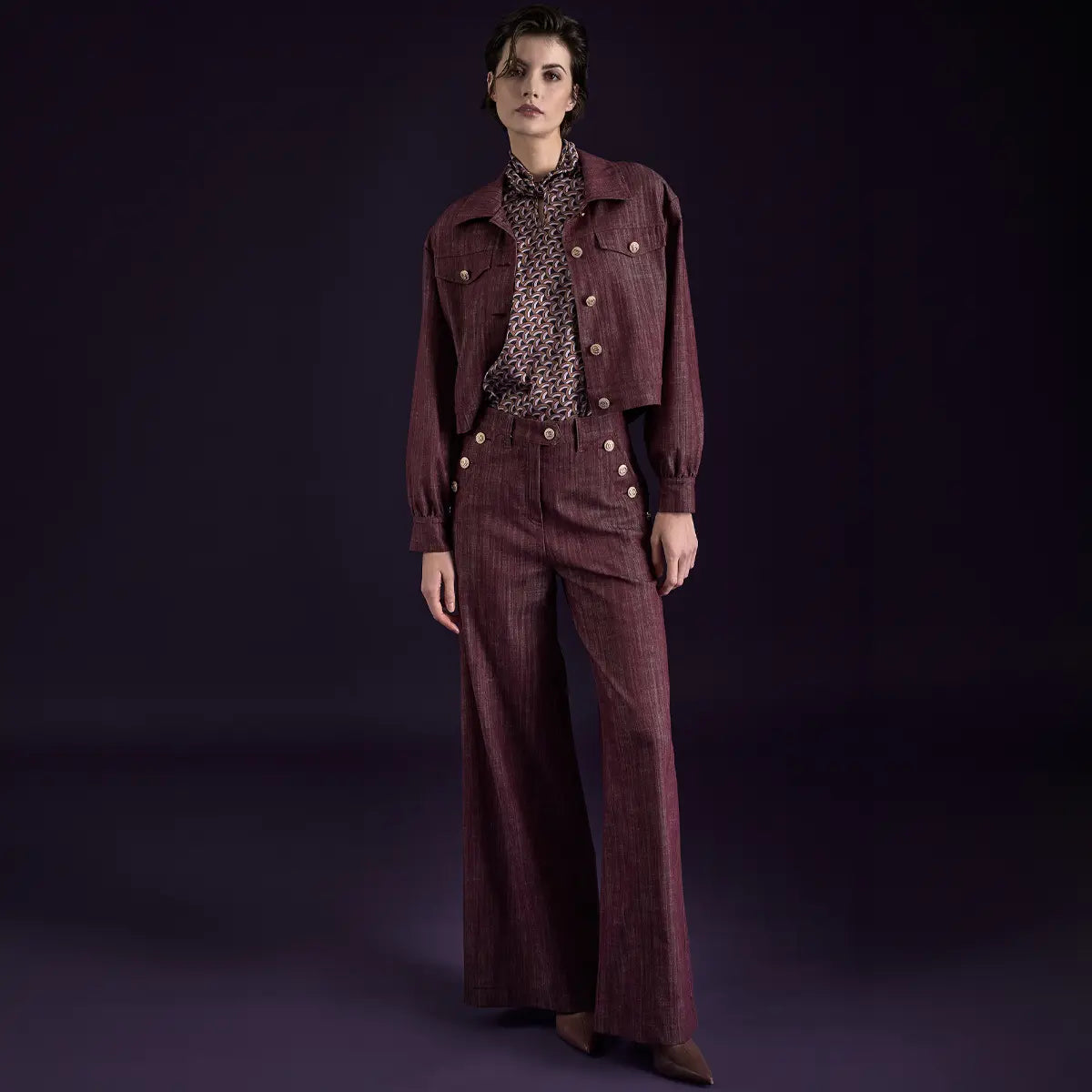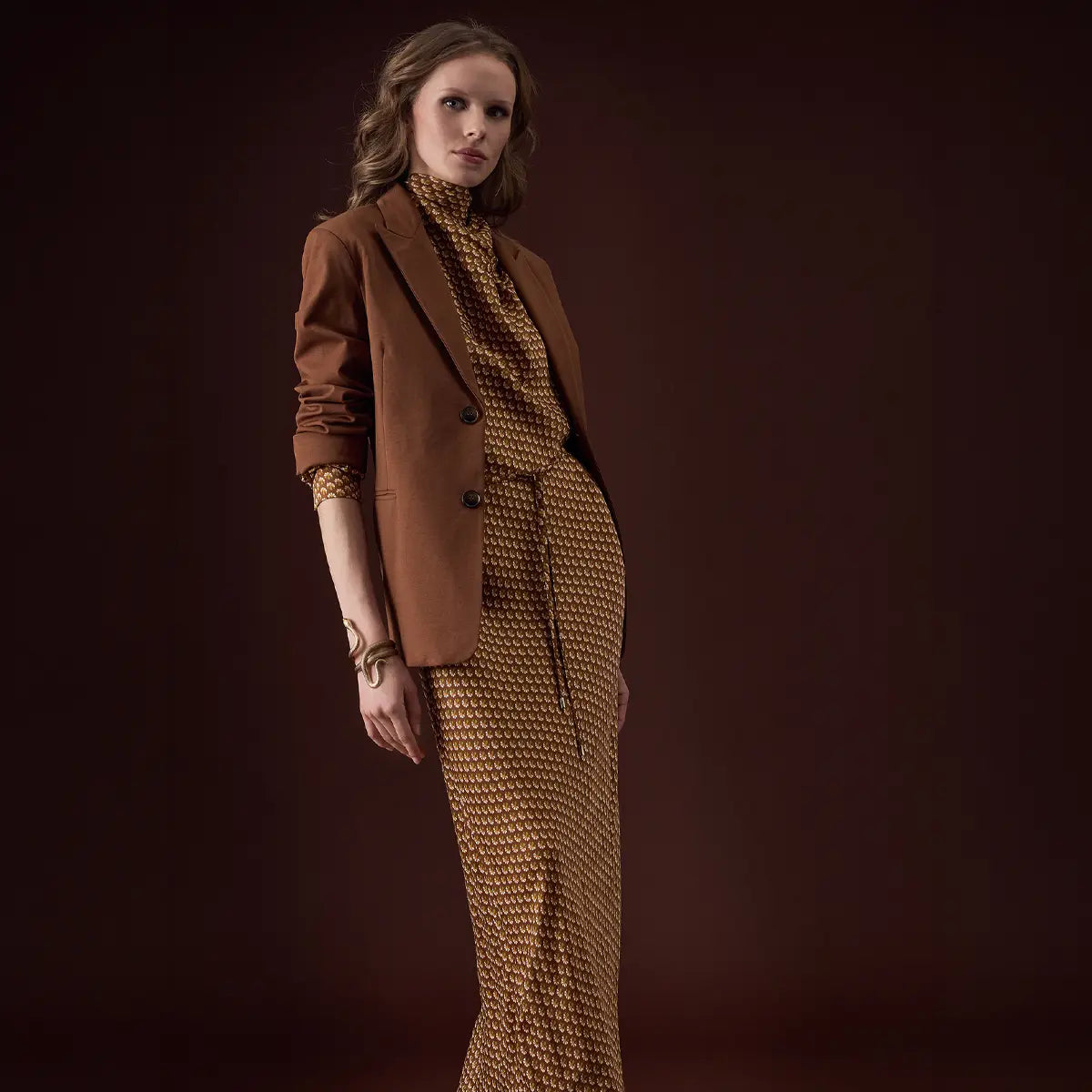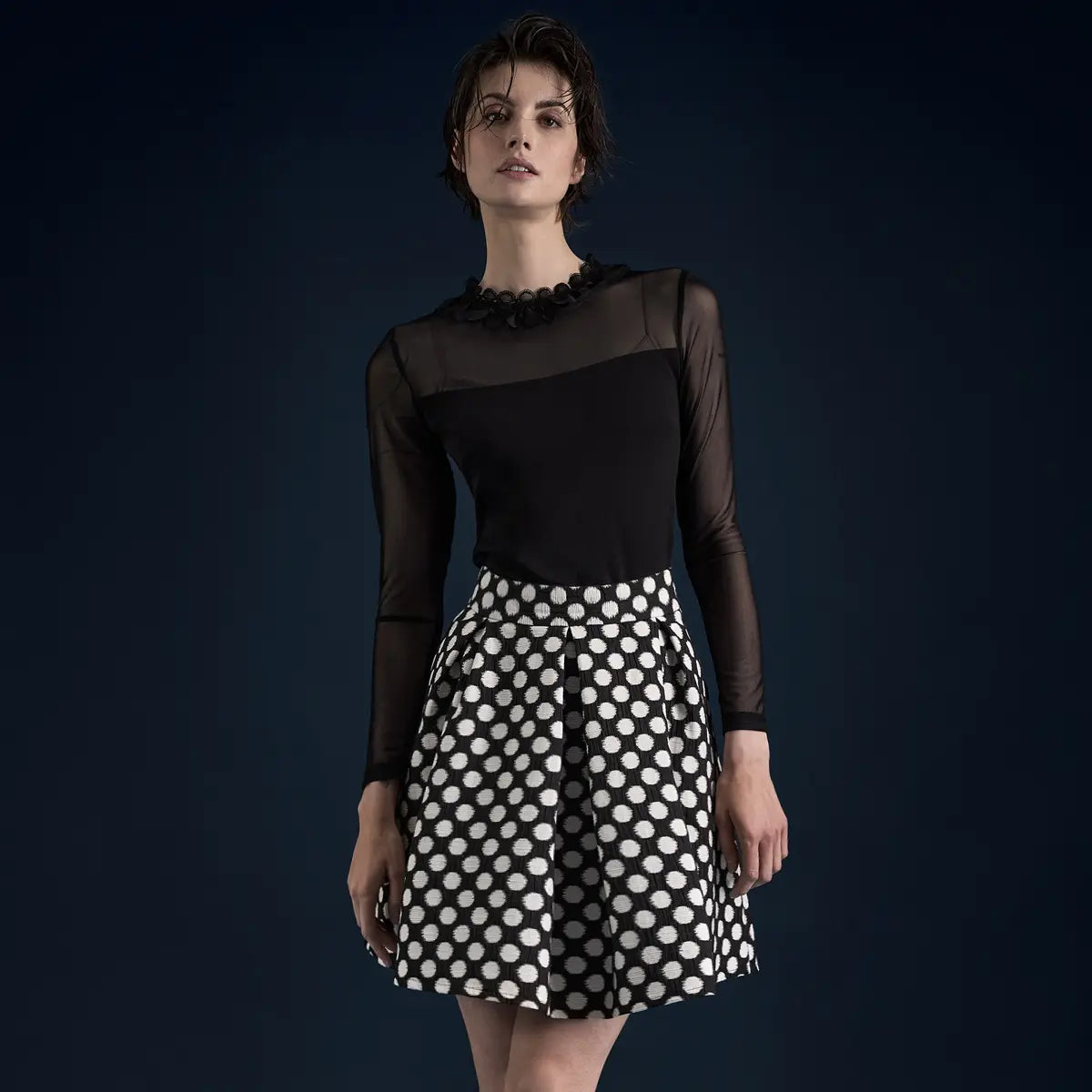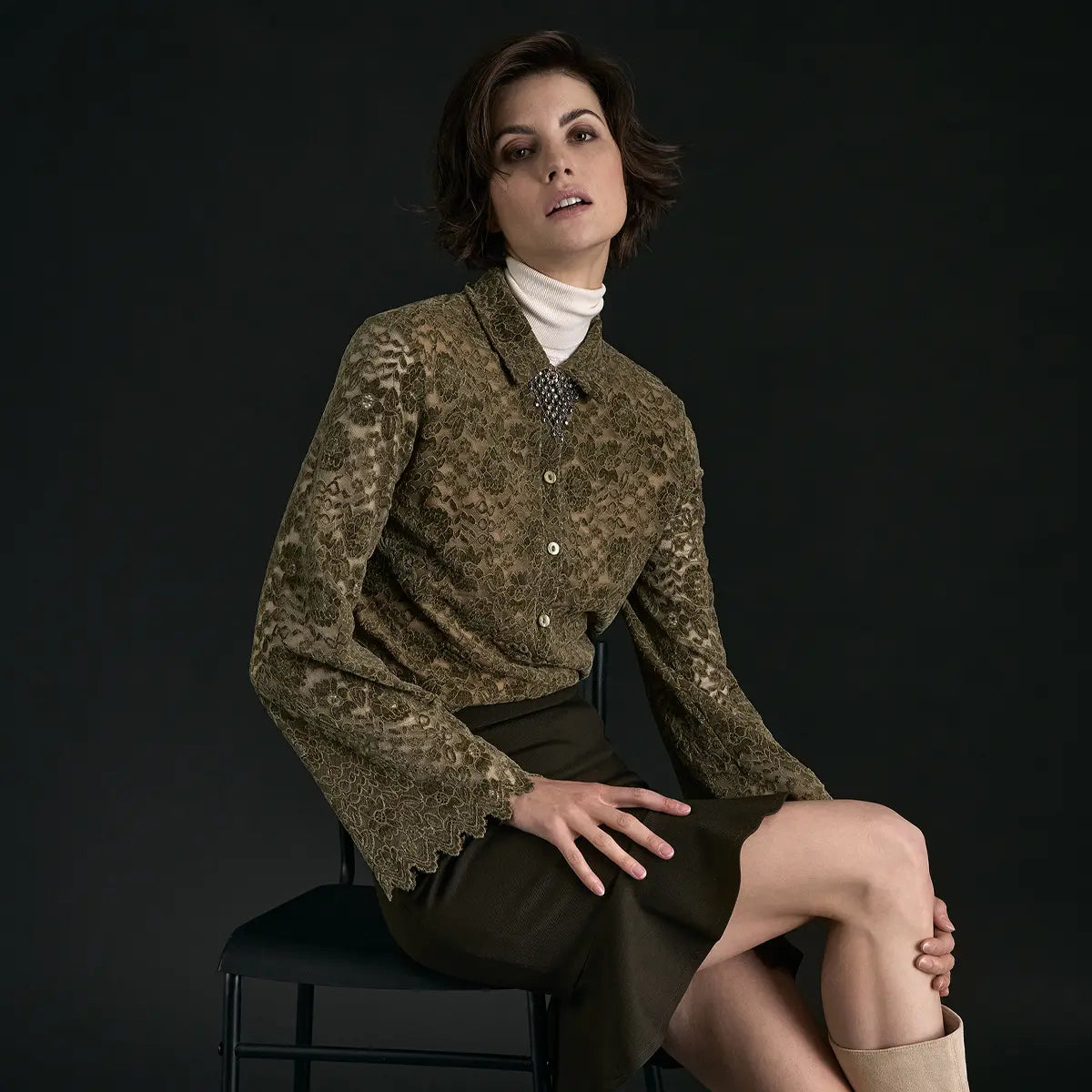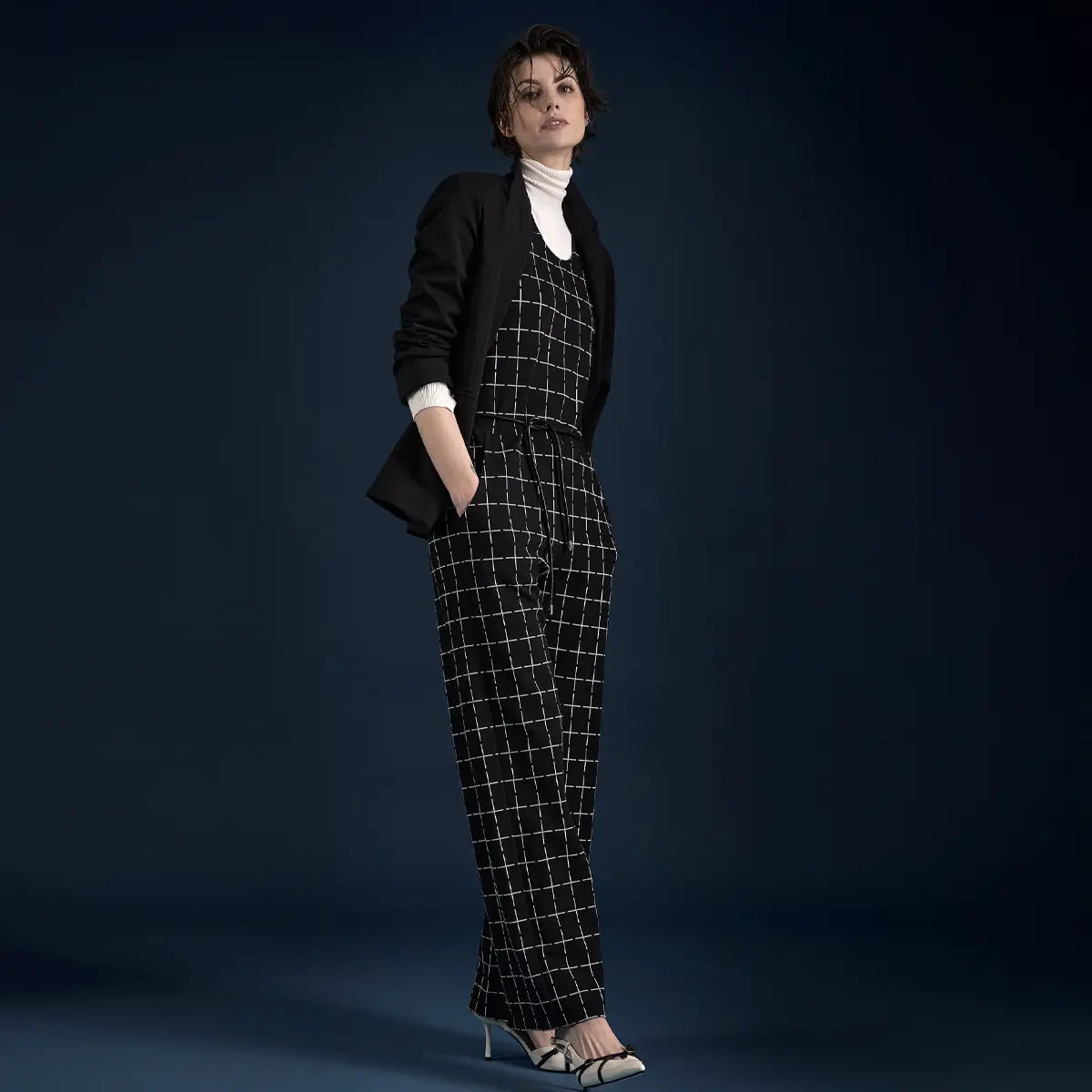


None other than Vivienne Westwood once put it this way: “Buy less, choose well, make it last.” That sums it up perfectly. There’s no better way to describe the concept of the capsule wardrobe. The principle is simple: just 37 pieces per season in your closet—all of which can be mixed and matched.
In this article, I’ll show you how to put together your own personalized capsule wardrobe in just 5 steps. After all, awell-thought-out wardrobe based on mix-and-match pieces is the antithesis of haphazardness and waste, fast fashion, and overconsumption. Consciously choosing your favorites also helps refine your personal style and, quite practically, frees you from that daily morning dilemma: “What on earth should I wear?”
In this guide:
5 Steps to Creating Your Capsule Wardrobe Step 1: Set a Goal & Take Stock Step 2: Declutter & Give Away or Donate Step 3: Analyze & Choose Colors Step 4: Develop a Concept & Define Basics and Special Pieces Step 5: Stay Consistent & Rethink Your Shopping Habits Frequently Asked Questions About the Capsule Wardrobe
The owner of a London fashion store called “Wardrobe” in the 1970s—Susie Faux—is considered the inventor of the so-called “capsule wardrobe.” It was her idea to put togethera wardrobe full oftimeless basics that could be worn across multiple seasons. However, the capsule wardrobe didn’t become famous until fashion designerDonna Karan introduced it. In 1985, she presented a collection consisting of just seven pieces, aptly named“Seven Easy Pieces.” It consisted of a bodysuit as a basic, a dress, a skirt, wide-leg pants, a blazer, a cashmere sweater, and a classic white T-shirt. What made it special? All the pieces could be mixed and matched with one another.
The reality in many closets today, however, looks quite different: According to a Greenpeace study, every adult in Germany owns an average of 90 items of clothing, about one-third of which are rarely worn. At the same time, interest in concepts like the capsule wardrobe is growing. Conscious consumption, sustainability, and slow fashion are becoming increasingly important in light of resource scarcity, climate change, and the problems of the fast-fashion industry. As a result, more and more people are prioritizing quality over quantity and reevaluating their fashion consumption.
Guide: 5 Steps to Creating Your Capsule Wardrobe
In this short guide, you’ll learn how to put together your own personalized “capsule wardrobe.” This seasonally versatile collection is based on 37 basics and favorites that can be mixed and matched. This also includes shoes and bags. Depending on the season, you’ll need thick jackets and coats or a lightweight trench coat. The trick: complement practical classics and basics with trendy pieces.
First of all: Your closet should only contain items that are in season. Everything else is packed away in boxes. Every three months, you can adjust your capsule wardrobe and, of course, add any missing pieces as needed.
Step 1: Set a Goal & Take Stock
Once you’ve made the decision, the next step is to consider how many items of clothing you want to limit your capsule wardrobe to. As a general rule, it averages out to 37 pieces per season —including shoes and bags. Workout clothes, underwear, pajamas, and socks aren’t counted. Important: The idea of a capsule wardrobe starts with your own closet. That doesn’t mean rushing out to buy 37 new trendy favorites!

Goals & Assessment: First, take stock of what’s already there before adding anything new
Step 2: Declutter & Give Away or Donate
What has to go, and what can stay? This is one of the hardest tasks. Sort through your clothes: Keep only the pieces you love and wear often, that can be mixed and matched in many ways, fit perfectly, and make you feel stylish—no ifs, ands, or buts.
You can sell, give away, or donate any other sweaters, pants, or dresses you no longer want to keep. Especially when trying things on, you’ll come across the occasional item you’re unsure about. Just set all these clothes aside, and if you don’t miss them after two months—get rid of them.

Decluttering & Donating: Keep what fits and what you wear often—the rest can go
Step 3: Analyze & Choose Colors
Depending on your personal style, a capsule wardrobe can look very different. What's important to you? What makes your looks unique? Are there certain cuts that look especially good on you?
Choosing Colors: Which colors define your outfits? Usually, this isn’t a big question—it’s a no-brainer. When creating a capsule wardrobe, it makes sense to start by defining a base color. Let’s say your favorite color is blue in all its shades—that’s your starting point. Next, choose two neutral tones that pair well together—cream, white, and gray, for example. Since no wardrobe should be without accent colors, you can round out your color scheme with red, for instance.

Choosing colors: one base color, two neutral colors, and one accent color—that’s how everything comes together in the end
Note: All of this is meant as a guide: Start with the base color, then add two neutral colors and one accent color. If you have a different idea for your capsule wardrobe, that’s totally fine.
Step 4: Develop a Concept & Define the Basics and Specials
Now, at the very latest, things are getting serious. After taking stock of your wardrobe and deciding on a color scheme, it’s time to select the individual pieces for your seasonal wardrobe. It’s not exactly a simple task. Let’s remind ourselves once again of the essentials of a capsule wardrobe: Everything should be as versatile as possible and mix and match with everything else.
This approach naturally leads to a certain logic: First, choose basics that work all year round, and then complement them with special, on-trend looks or your favorite, more extravagant pieces. Aside from your essentials, your closet should always contain only the pieces that are appropriate for the current season.

Basics & Specials: Classics as the foundation, a statement piece to express your personality
Choosing the Basics: No matter how extravagant, romantic, or classic your personal style may be—no wardrobe works without basics. So choosing the right basics as the foundation of your wardrobe is quite important. First and foremost, this includes T-shirts, but for the cooler months, a warm knit sweater is just as essential. And: Every wardrobe needs a pair of well-fitting jeans, a blazer, a blouse for business occasions, and the little black dress.
On Top – the special pieces: We all have them—those unmistakably unique pieces of clothing that make our friends say, “That’s totally your style.” These statement pieces and special one-of-a-kind items are an absolute must in your capsule wardrobe. When selecting them, ask yourself how often you actually wear the more extravagant or eye-catching pieces. And how they can be integrated into your “capsule.” You may also need to buy one or two new items so that your capsule wardrobe functions according to the principle of supplementation. In the spirit of the original idea, you can opt for slow fashion looks.
Example: A Capsule Wardrobe for Summer
- Basics: T-shirts, shirt dresses, printed dresses, strapless dresses, long jeans, denim shorts/mini skirts
- Special: Eye-catching maxi dress, statement piece: jumpsuit
- Short leather jacket, long blazer, cardigan
- For the Office: A Lightweight Summer Suit
- Sneakers, sandals, flip-flops, suede ankle boots
Step 5: Take Action & Rethink Your Shopping Habits
Once you’ve established the capsule collection, you can gradually add to it or make changes over time—always keeping one thing in mind: How can I be more sustainable? One way to do this is to focus less on fleeting trends and more on time-tested classics.
Over time, your capsule wardrobe will become more and more established for every season. It’s certainly only after you’ve gone through each season once that you’ll realize what’s still missing from your capsule and what would be a useful addition that opens up even more possibilities for mixing and matching.
Challenge accepted: Are you in?

Stick with it: go for proven quality over fleeting trends—buy less, choose well
You Ask, We Answer – Frequently Asked Questions About the Capsule Wardrobe
Do I have to stick to neutral colors?
No. A modern capsule wardrobe can just as easily consist of bold colors or prints. What’s important is a well-thought-out color scheme with a harmonious base and a few accent colors, so that you can create as many combinations as possible.
How can I incorporate trends without diluting my capsule wardrobe?
Use trends strategically as a complement. Instead of buying lots of inexpensive trendy items, a few carefully selected pieces or accessories that can be paired with your classics are all you need. This way, your style stays current without losing its versatility.
How can I keep my outfits from looking boring?
Variety comes from using different materials, silhouettes, layering, and accessories. Belts, jewelry, scarves, bags, or shoes often change the look of an outfit more dramatically than a completely new outfit.
Is a capsule wardrobe also suitable for different dress codes?
Yes. With high-quality basics and just a few complementary statement pieces, you can put together business, casual, evening, and travel outfits from the same wardrobe. The key is a well-thought-out selection of core pieces.
What role do high-quality materials play?
A big one. Natural materials like wool, linen, cotton, or silk often age more gracefully, are more comfortable to wear, and retain their shape longer. High-quality fabrics ensure that a smaller wardrobe looks well-maintained over time.
How can I tell which pieces of clothing are essential?
Analyze the outfits you actually wear. The pieces you wear regularly and can mix and match with many others form the foundation of your capsule wardrobe. Everything else should be regularly reevaluated.
Can a capsule wardrobe be sustainable?
Yes—if quality comes before quantity. When you buy durable clothing, wear it regularly, and consciously add to your wardrobe rather than constantly replacing items, you reduce resource consumption and avoid impulse purchases. Sustainability stems primarily from the actual lifespan of the clothing.

Christine Schmitz
My love for fashion and communication led me to Ana Alcazar—having cut my teeth as a copywriter and concept developer in traditional advertising, I’ve been writing for our Munich-based designer label for over 10 years. On the editorial team, I’m responsible for all corporate topics, and I also focus on current trends and my passion: gender equality.
Between Image and History
Sometimes a story needs more than a photo can convey. That’s why some of the images in this article were created using artificial intelligence (AI)—curated, inspiring, and always in the spirit of “Wear your Story.” The AI-generated images are clearly labeled next to each photo.