


Dress Code for Major & Minor – What Should Women Wear to a Classical Concert?
|
|
|
Time to read 6 min
|
|
|
Time to read 6 min
Key Points at a Glance
At a classical concert, elegance is certainly a tradition, but it’s no longer a must—the dress code has become more relaxed and ranges from smart or business casual to evening wear. Choose a stylish, comfortable outfit (you’ll be sitting for a long time) that shows your appreciation for the art. A little black dress is always a safe bet.
Bach, Beethoven, a hall that holds its breath—a classical concert is a sensory experience that moves the soul. And there’s a persistent rumor: that you have to “dress up” for the occasion. That hasn’t been true for a long time. Today, it’s less about strict rules and more about an attitude—about showing your appreciation for the art through your look.
The grand concerts of the 18th century were open only to the aristocracy and nobility, who donned their most magnificent gowns in keeping with the motto “See and Be Seen.” This cultural norm lives on to this day, though it has long since become less strict.
Today, it’s all about showing appreciation for the artists—and there are many ways to express that through fashion. With a well-thought-out look, you show that you understand and appreciate the special character of a classical concert. In short: Today’s dress code offers plenty of room for individuality.
Dress Code Guide
Classical Concert
Elegance is a tradition, but not a requirement—from business casual to evening gowns.
Formalities
Some places have (unwritten) rules—check the place out first. Choose something comfortable; you'll be sitting there for a long time.
Dress Length
Color Inspiration
Traffic Light for Special Occasions
You have more freedom in your style than you think. Your personal taste is the key to creating a deliberately chosen look that highlights you and your strengths—no matter which direction you choose.
Elegance is and always will be in style—you can’t go wrong with it, and you’ll be staying true to the original dress code. Since the musicians usually wear dark colors as a group, the little black dress is the perfect choice. But don’t be afraid to go a step further: fromoff-the-shoulder cocktail dresses with sequins or ruffles to floor-length evening gowns. Use jewelry sparingly without overdoing it, and add the finishing touch with high heels. When it comes to bags, the smaller, the better. On your way to the concert, a long trench coat or a white blazer will showcase your sense of style.
If you don't want to go with a long gown, pair a knee-length or midi skirt with a blouse and a well-fitting blazer. Clean lines, high-quality accessories without frills, and a predominantly neutral color palette define the look. Opt for high-quality fabrics like silk, cashmere, or bouclé; a festive jumpsuit works well, too. If you're wearing black or nude pumps, you're best off with an updo, complemented by a few special pieces of jewelry. When it comes to makeup, subtle colors enhance your complexion.
Where the muses dwell, there is room for individual expression. Try out Marlene or palazzo pants, high-waisted styles made of shimmering fabrics, or faux-leather culottes, paired with tops or blouses made of fine silk featuring eye-catching prints. Faux leather or velvet dresses are also an option, and asymmetrical cuts are real eye-catchers. Mixing materials creates attitude, while vibrant or unusual color combinations make a statement. Make sure your overall silhouette is balanced—especially when layering. Shoes with platforms, wider soles, or delicate ankle boots accentuate the look; eye-catching shoes instantly make minimalist outfits look extravagant.
Since most concerts today appeal to a broad audience, business casual is the appropriate attire. Since you'll be sitting still for a long time, you can dress both stylishly and comfortably: a pantsuit with a flowing top, or black or gray pants or chinos with a white blouse. The blazer is the key piece—whether figure-hugging or in a boyfriend fit. Beige, blue, gray, and black look classy, complemented by soft pastel shades or bold hues like pink or green; stripes, checks, or paisley add a playful touch. A two-piece outfit pairs well with flat ballerinas, loafers, lace-ups—or high-quality sneakers.
A summery open-air classical concert is a highlight and calls for an elegant yet casual look: a backless midi dress or a flowing maxi dress in white orwith colorful prints, paired with wedges or delicate sandals. Don’t forget your sunglasses on hot days, and be sure to pack a lightweight leather jacket or a light summer coat for cooler evenings.
Tip: At a classical concert, the music takes center stage, and the audience is usually seated. So choose an outfit that’s both stylish and comfortable.
Black Dresses and the Little Black Dress
Blazer and well-fitting suit pants
Midi-length skirts and feminine tops or blouses
Well-fitting styles and long coats
Festive Jumpsuits
Check the venue's dress code in advance
Don't forget to add your personal touch
Low-cut necklines and too much sheer fabric
Tank tops and shorts
Faded jeans, military-style outfits, and athletic wear
Hoodies, cowboy boots, and flip-flops
Fishnet stockings and knee-high boots
Big hats —the person behind you will thank you for it
My conclusion: The dress code for a classical concert is more flexible today than its reputation might suggest: anything from smart casual to evening gowns is appropriate. What matters most is a well-thought-out, comfortable look and the attitude behind it—an appreciation for the art. The little black dress is a safe bet, but you’re just as free to add your own personal touch.
No. The stereotype that you have to “dress up” is long gone. It’s about appreciating art—which you can express through a well-thought-out look in any style.
Since concerts are usually seated events, you can also wear shoes with higher heels. Depending on the style, pumps, ballerinas, loafers, delicate ankle boots, or high-quality sneakers are all appropriate.
An elegant yet casual look: a midi or flowing maxi dress paired with wedges or strappy sandals, along with sunglasses, and—for cool evenings—a delicate leather jacket or a light summer coat.
Usually not—the dress code has become much more relaxed. However, some establishments do have (unwritten) guidelines that you should check in advance.
Christine Schmitz
My love for fashion and communication led me to Ana Alcazar—having cut my teeth as a copywriter and concept developer in traditional advertising, I’ve been writing for our Munich-based designer label for over 10 years. On the editorial team, I’m responsible for all corporate topics, and I also focus on current trends and my passion: gender equality.
Sometimes a story needs more than a photo can convey. That’s why some of the images in this article were created using artificial intelligence (AI)—curated, inspiring, and always in the spirit of “Wear your Story.” The AI-generated images are clearly labeled next to each photo.
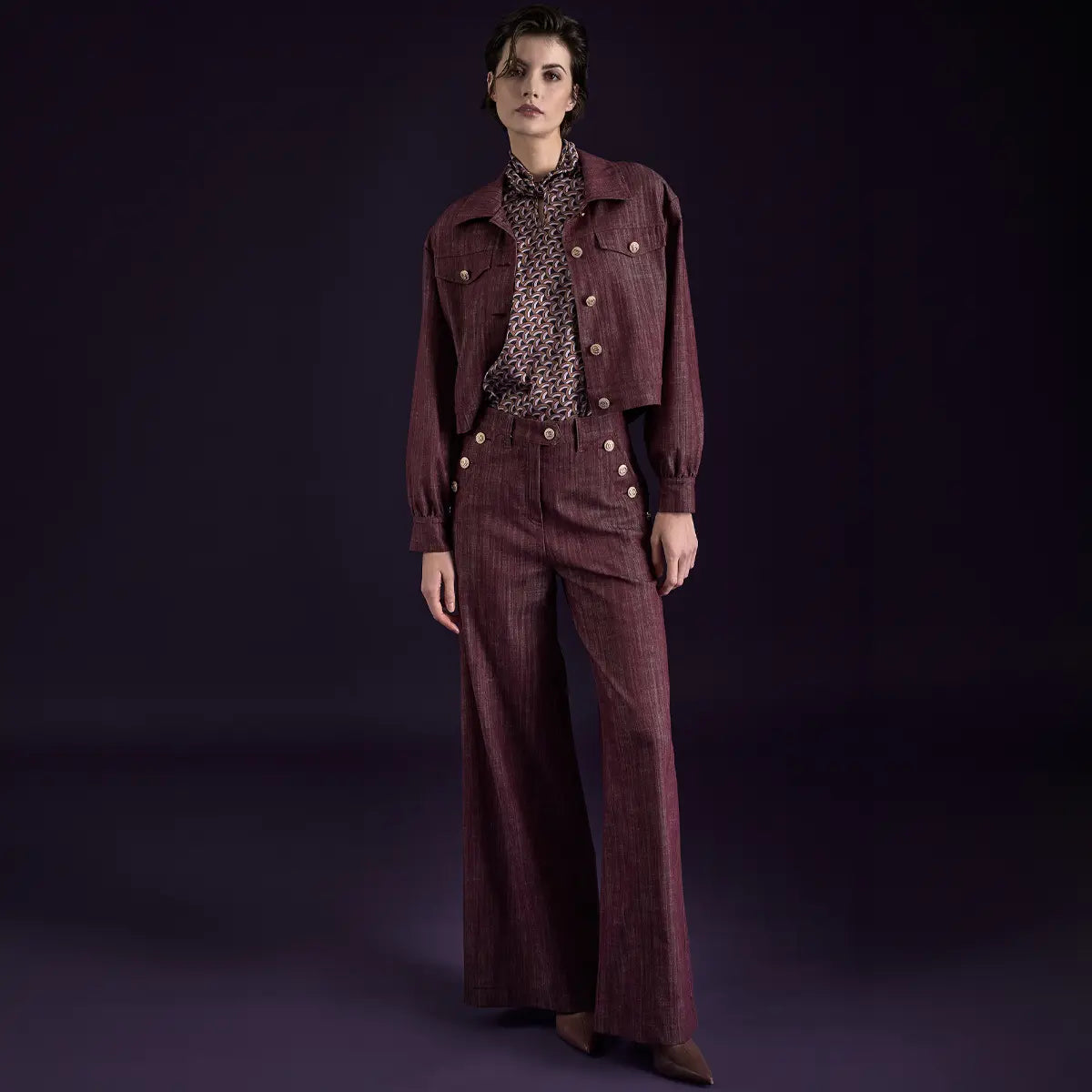
Trouser Shapes Guide

Dress Shapes Guide
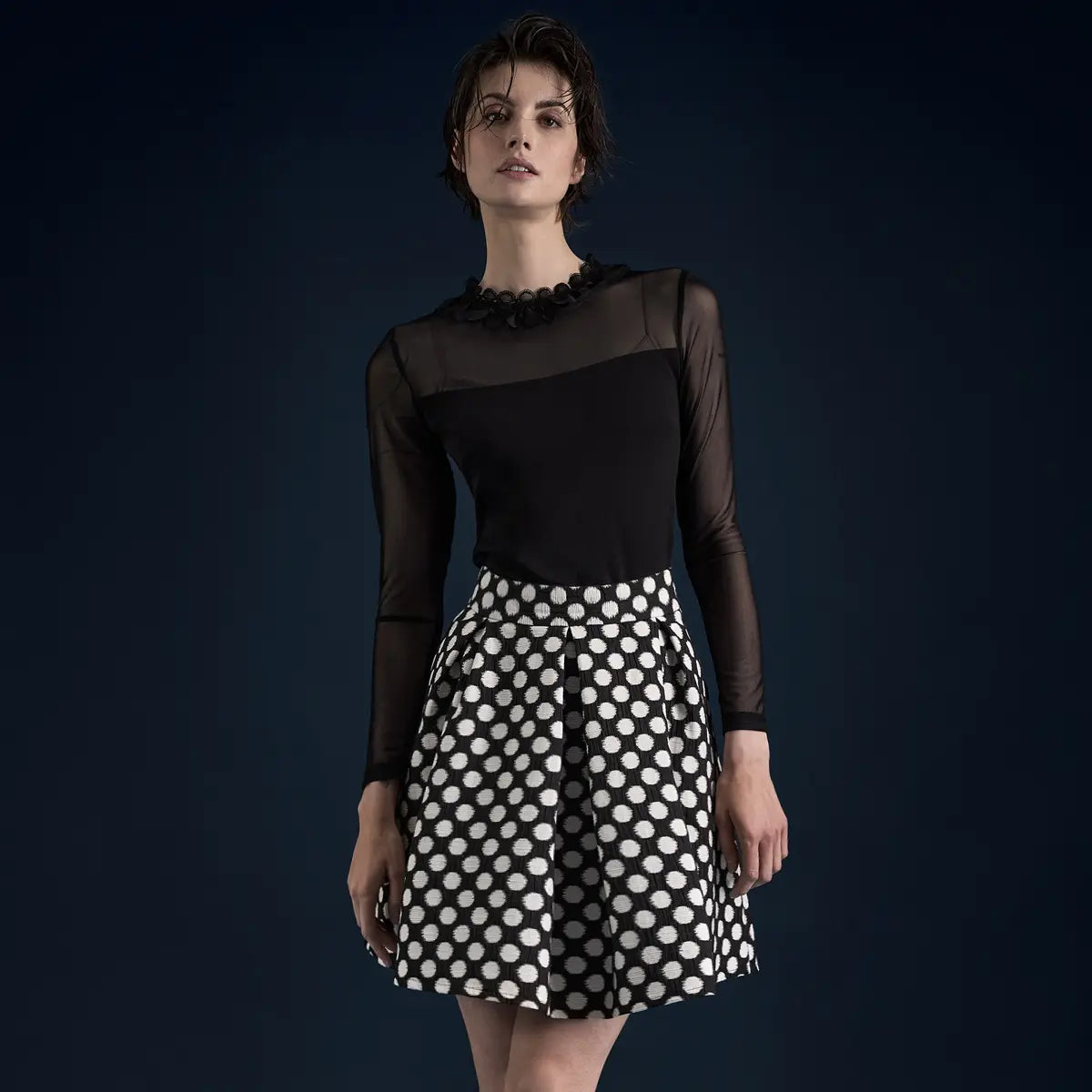
Skirt Shapes Guide
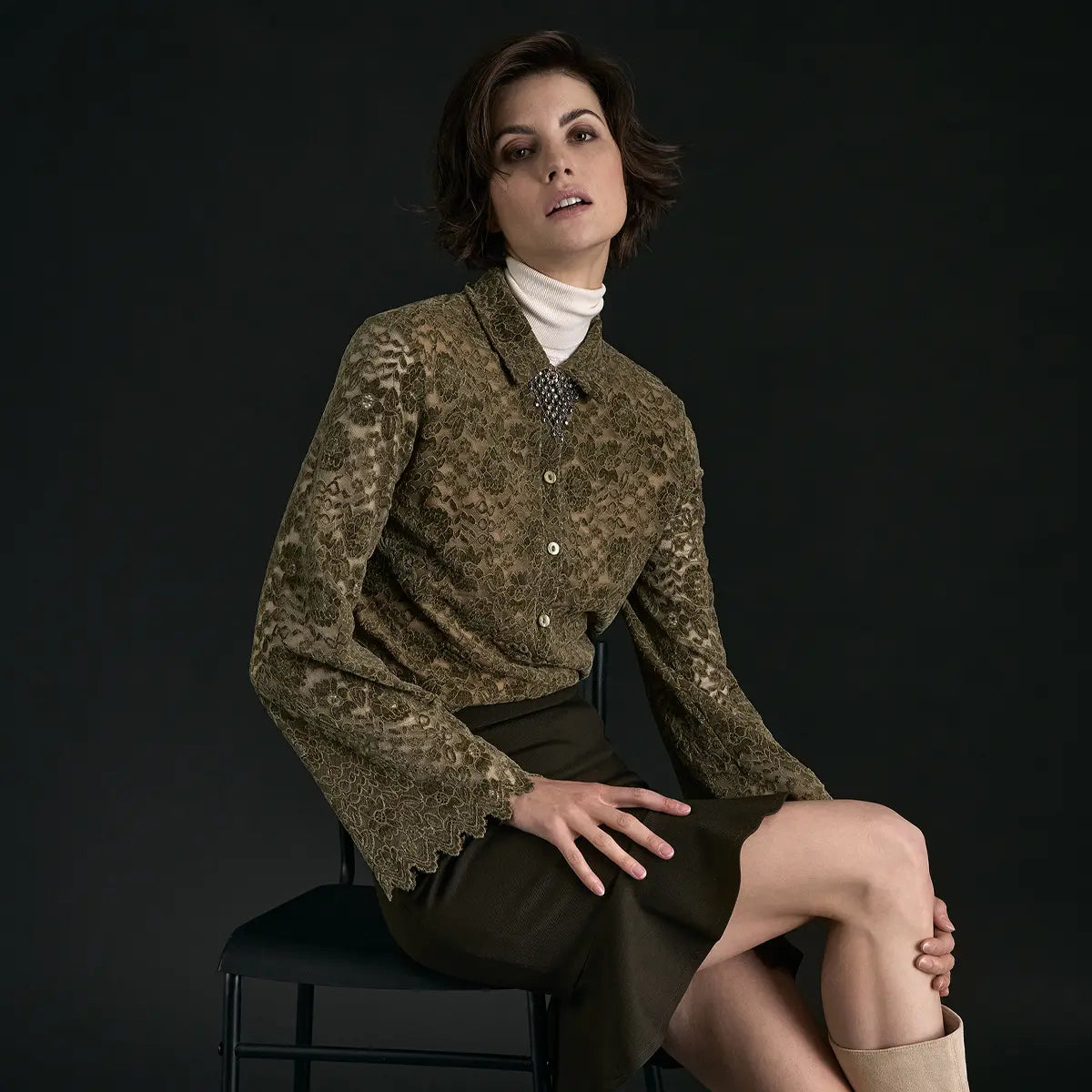
Top Form Guide
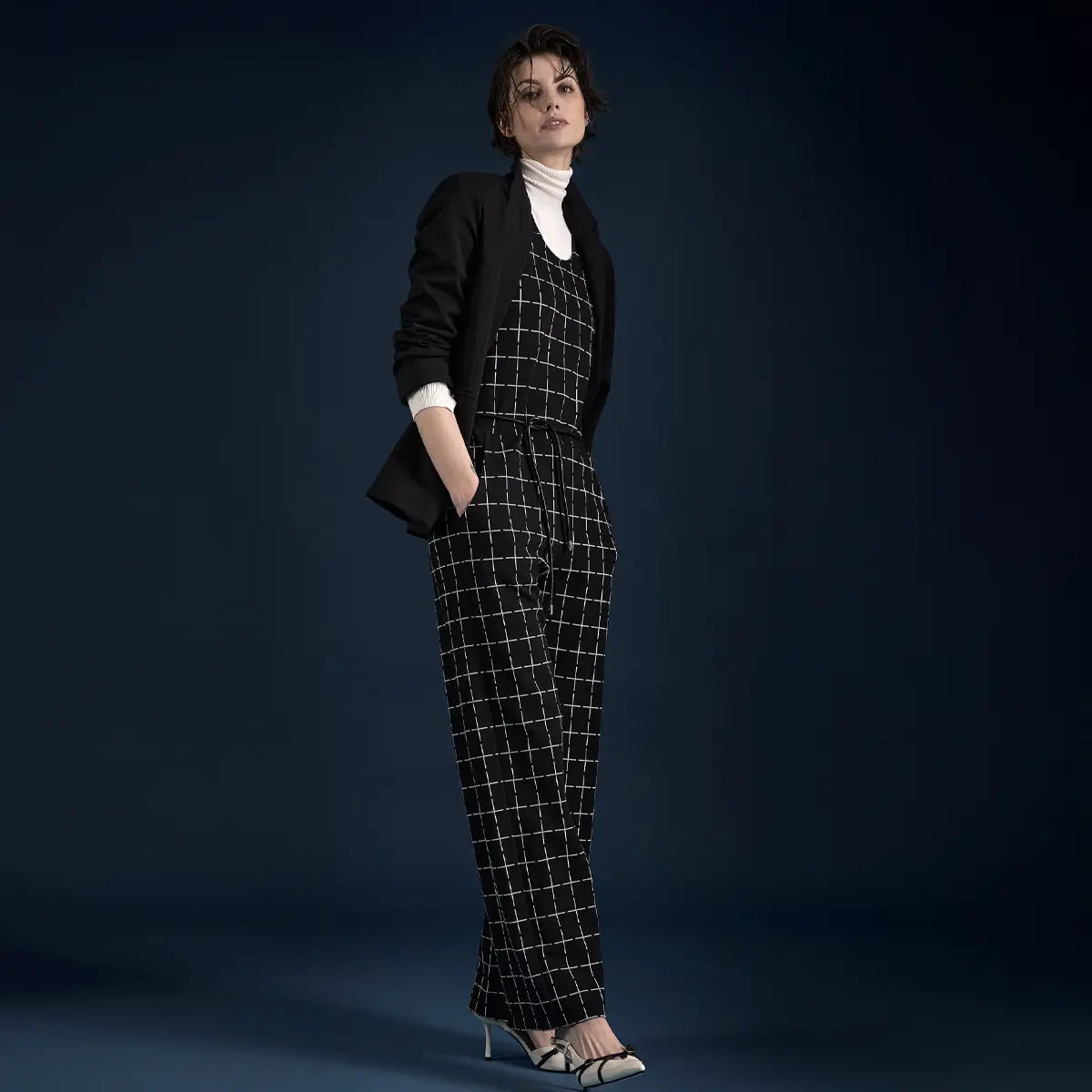
Jumpsuit Types Guide


