

Key Points at a Glance
Dress codes categorize occasions by formality—from casual to business and cocktail to black tie and white tie. This guide explains each dress code with specific looks and things to avoid. Rule of thumb: When in doubt, err on the side of being a little too elegant rather than too casual, and always consider the industry, time of day, and location.
- Level of formality increases: Casual → Smart Casual → Business → Cocktail → Semi-Formal → Festive → Black Tie → White Tie
- Every dress code has clear dos and don'ts—the time of day and the occasion shape the look
- Special Cases: White Party (all white) and traditional attire/Dirndl (e.g., Oktoberfest)
No one wants to be overdressed or—even worse—underdressed. But between black tie, white tie, business casual, and semi-formal, these terms can quickly sound like a foreign language. This guide breaks them down: Here, you’ll learn what each dress code means, which looks are appropriate, and what you’re better off leaving in your closet.
In this guide:
The Dress Code Scale at a Glance Casual · Smart Casual · Casual Chic Business Casual · Come as you are · Business Formal Cocktail · Semi-Formal · Festive White Party · Black Tie · White Tie Special Case: Traditional Costume / Dirndl Five Golden Rules for Dress Codes Frequently Asked Questions About Dress Codes
The Dress Code Scale at a Glance
From casual to highly formal: This overview categorizes the most important dress codes by formality—with a handy shorthand description for your look. Tap a dress code on your phone to view the details.
| Dress Code | Typical occasion | Short formula for her | Formalities |
|---|---|---|---|
| Casual | Everyday life, leisure time, casual office environment | Well-fitted jeans/chinos, summer dress, ballerina flats | casualFormal category: casual |
| Smart Casual | Young firm, agency | Culottes/Marlene pants + stylish top, day dress | smartFormal: smart |
| Casual Chic | After-Work, Dinner in Style | Dark jeans + blazer + elegant top, kitten heels | smart-chicDress code: smart-chic |
| Business Casual | Business trip, casual business lunch | Knee-length dress/lightweight pantsuit, blouse, pumps | businessFormal: business |
| Come as you are | After-work event right after work | Suit/pantsuit or shift dress with a blazer | businessFormal: business |
| Business Formal | Formal Business Meetings | Suit/pantsuit, white blouse, closed-toe pumps | Business-formalFormal level: business-formal |
| Cocktail | Receptions, Parties, Dinners | Knee-length cocktail dress, elegant accessories | festiveFormal level: festive |
| Semi-Formal | Tags: Business, Evening, Evening Wear | A shift dress during the day, a cocktail or evening gown in the evening | festiveFormal level: festive |
| Festive | Weddings, Galas, Captain's Dinners | Festive cocktail or evening dress | festiveFormal level: festive |
| White Party | White Parties, Dîner en Blanc | All-over look in pure white | Special Case: " · " (Variable) |
| Black Tie | Gala dinners, premieres, award ceremonies | Long evening gown/elegant cocktail dress, clutch | Highly formalFormal level: highly formal |
| White Tie | State Reception, Opera Ball, Nobel Prize | Floor-length gown, with a train if desired, updo | Highly formalFormal level: highly formal |
| Traditional Costume | Oktoberfest, Bavarian festivals | High-quality dirndl with blouse and apron | · : A Special Case in the Region |
Casual Formal level: casual
Typical Occasion: Everyday life, leisure, casual office setting
Quick outfit idea for her: Well-fitted jeans/chinos, summer dress, ballerina flats
Formalitiescasual
Smart Casual Level of formality: smart
Typical Occasion: Young Office, Agency
Quick outfit idea: culottes/Marlene pants+ stylish top, day dress
Formalitiessmart
Casual Chic Dress code: smart-chic
Typical Occasion: After-Work Get-Together, Dinner in Style
Quick outfit idea for her: Dark jeans + blazer + elegant top, kitten heels
Formalitiessmart-chic
Business Casual Level of formality: business
Typical Occasion: Business trip, casual business lunch
Outfit idea for her: Knee-lengthdress/lightweight pantsuit, blouse, pumps
Formalitiesbusiness
Come as you are Dress code: business
A typical occasion: an after-work event right after work
Short outfit for her: suit/pantsuitor shift dress with a blazer
Formalitiesbusiness
Business Formal Level of formality: business-formal
Typical Occasion: Formal Business Meetings
Short description for her: suit/pantsuit, white blouse, closed-toe pumps
Formal Stylebusiness-formal
Cocktail Occasion: festive
Typical Occasions: Receptions, Parties, Dinners
Quick look: Knee-lengthcocktail dress, elegant accessories
Formalitiesfestive
Semi-Formal Level of formality: festive
Typical Occasion: Business during the day, evening wear in the evening
Quick tip for her: A shift dress during the day, a cocktail or evening gown at night
Formalitiesfestive
Festive Formal: festive
Typical Occasions: Weddings, Galas, Captain's Dinners
Short description: Festivecocktail or evening dress
Formalitiesfestive
White Party Special Event · , variable
Typical Occasion: White Parties, Dîner en Blanc
A quick guide to the all-over lookin pure white
FormalitiesSpecial Case: · (variable)
Black Tie Level of formality: very formal
Typical Occasions: Gala Dinners, Premieres, Award Ceremonies
Short description for her: Longevening gown/elegant cocktail dress, clutch
Formal levelhighly formal
White Tie Level of formality: very formal
Typical Occasion: State Reception, Opera Ball, Nobel Prize Ceremony
Short description: Floor-lengthgown, witha train if applicable, and an updo
Formal levelhighly formal
Traditional Costume · : A Special Case in Regional Traditional Costumes
Typical Occasion: Oktoberfest, Bavarian festivals
Quick description: High-qualitydirndl with blouse and apron
FormalitiesSpecial Case: " · " (Regional)
Rule of thumb: When in doubt, it’s better to dress a little too elegantly than too casually—and always keep the occasion, time of day, and location in mind.
Dress code: Casual
The casual dress code refers to upscale casual wear —well-groomed and not too casual. Classic jeans are just as acceptable as chinos, dress pants, or skirts and casual dresses that aren’t too short; bright colors and patterns are welcome. Sweaters, polo shirts, T-shirts, and the preppy style all go well with this look. However, it’s best to steer clear of eye-catching prints or overly daring combinations.
For her: Summer dresses, maxi dresses, chinos, light blouses, sandals, or ballerina flats.
For him: jeans, polo shirts, short-sleeved shirts, T-shirts, chinos, loafers.
Things to Avoid: Ripped jeans, sweatpants, slogan T-shirts, miniskirts and mini dresses, necklines that are too low.

"Casual" means smart casual: jeans and a light blouse, paired with flat shoes. @AI illustration
Dress Code: Smart Casual
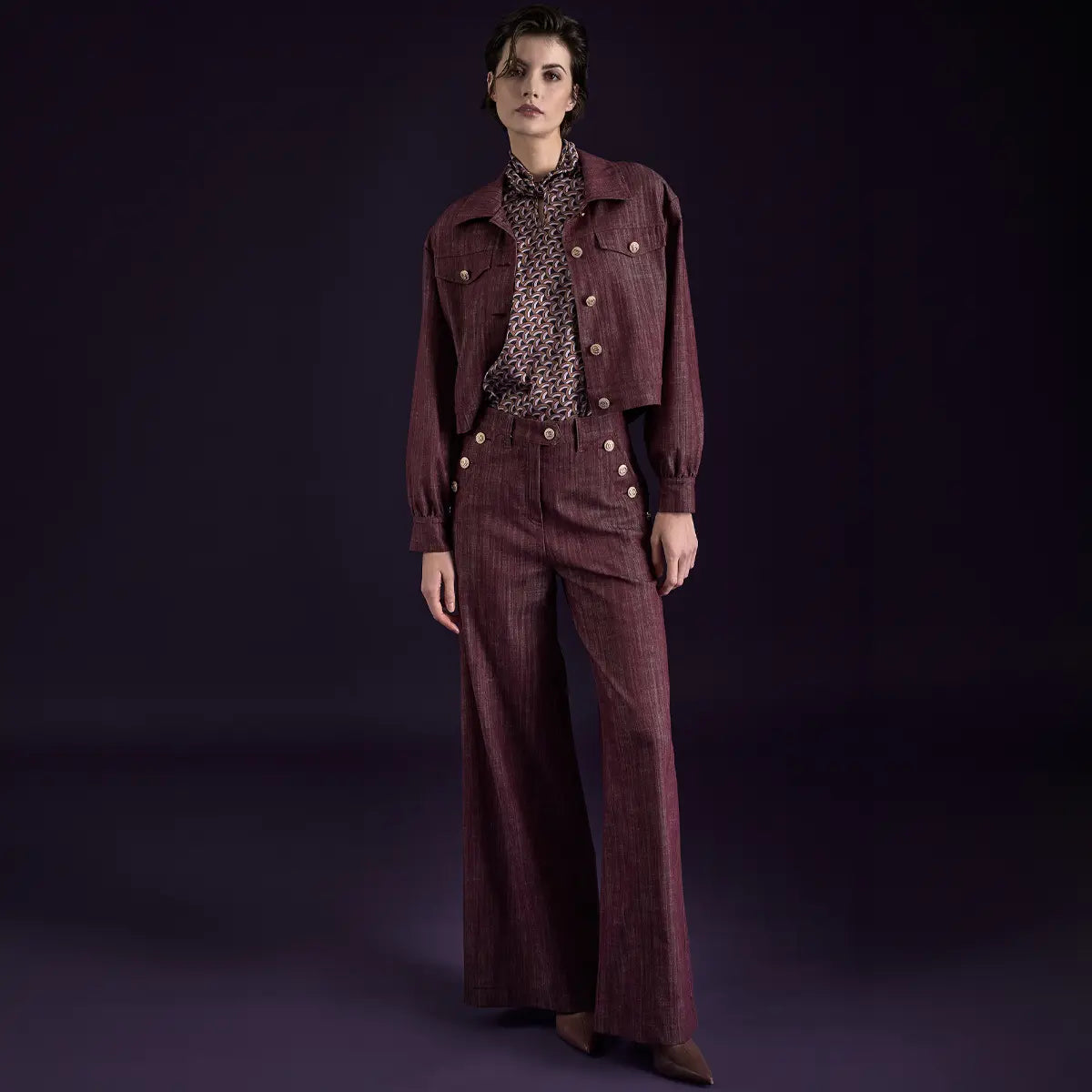
Smart casual strikes a balance between casual and elegant and falls somewhere between casual and business attire —the lines between them are blurred. In startups, this is often the office attire, and it can be fashionable. Culottes and Marlene pants paired with stylish tops work just as well as circle skirts or lightweight pantsuits. Sneakers are generally uncommon, but acceptable in certain situations; peep-toe shoes or ballet flats are always appropriate.
For her: Dark jeans, a T-shirt or blouse, and a cardigan; smart day dresses, solid-color tops, and sweaters.
For him: jeans or chinos with a shirt or solid-color T-shirt and a blazer, cardigan, or jacket.
Things to Avoid: Distressed look, very short skirts, necklines that are too low, off-the-shoulder.

Smart Casual: loose-fitting culottes paired with a stylish top—casual yet put-together. @KI-Illustration
Dress Code: Casual Chic
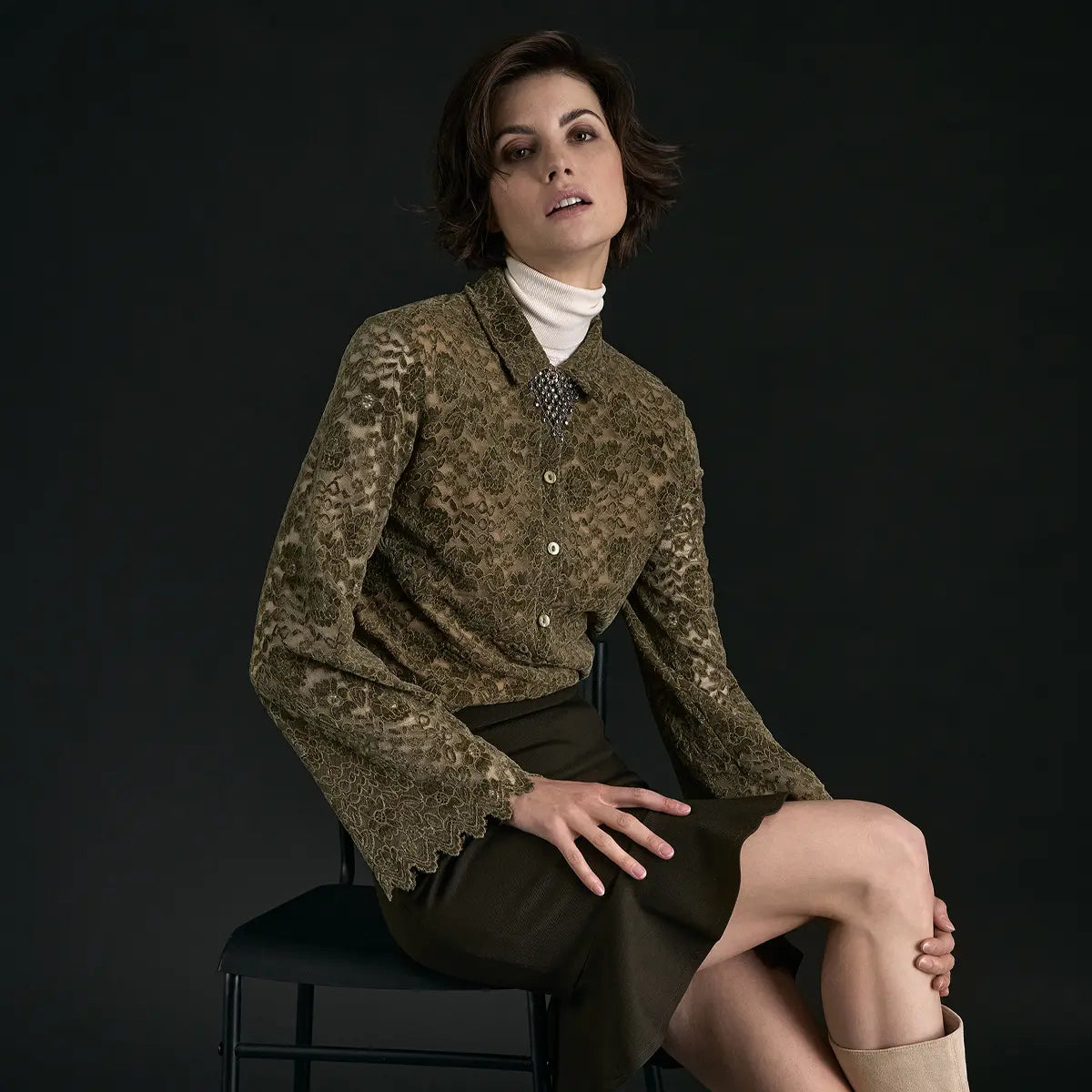
Casual chic is a step up from smart casual: everyday clothing is paired with a sophisticated touch, while remaining comfortable. The key is contrast—casual meets high-end. Dark, well-fitting jeans paired with a silk top and blazer, a simple dress with a leather jacket, or a jumpsuit with delicate jewelry set the right tone. Frayed or worn-out pieces have no place here.
For her: Dark jeans + a stylish top + a blazer, a simple dress with a leather jacket, kitten heels, or loafers.
For him: Dark jeans or chinos with a shirt and blazer, and clean leather shoes.
Things to Avoid: Vintage-style sneakers, faded jeans, casual prints.

Casual chic thrives on contrast: dark jeans, an elegant top, and a well-tailored blazer. @KI-Illustration
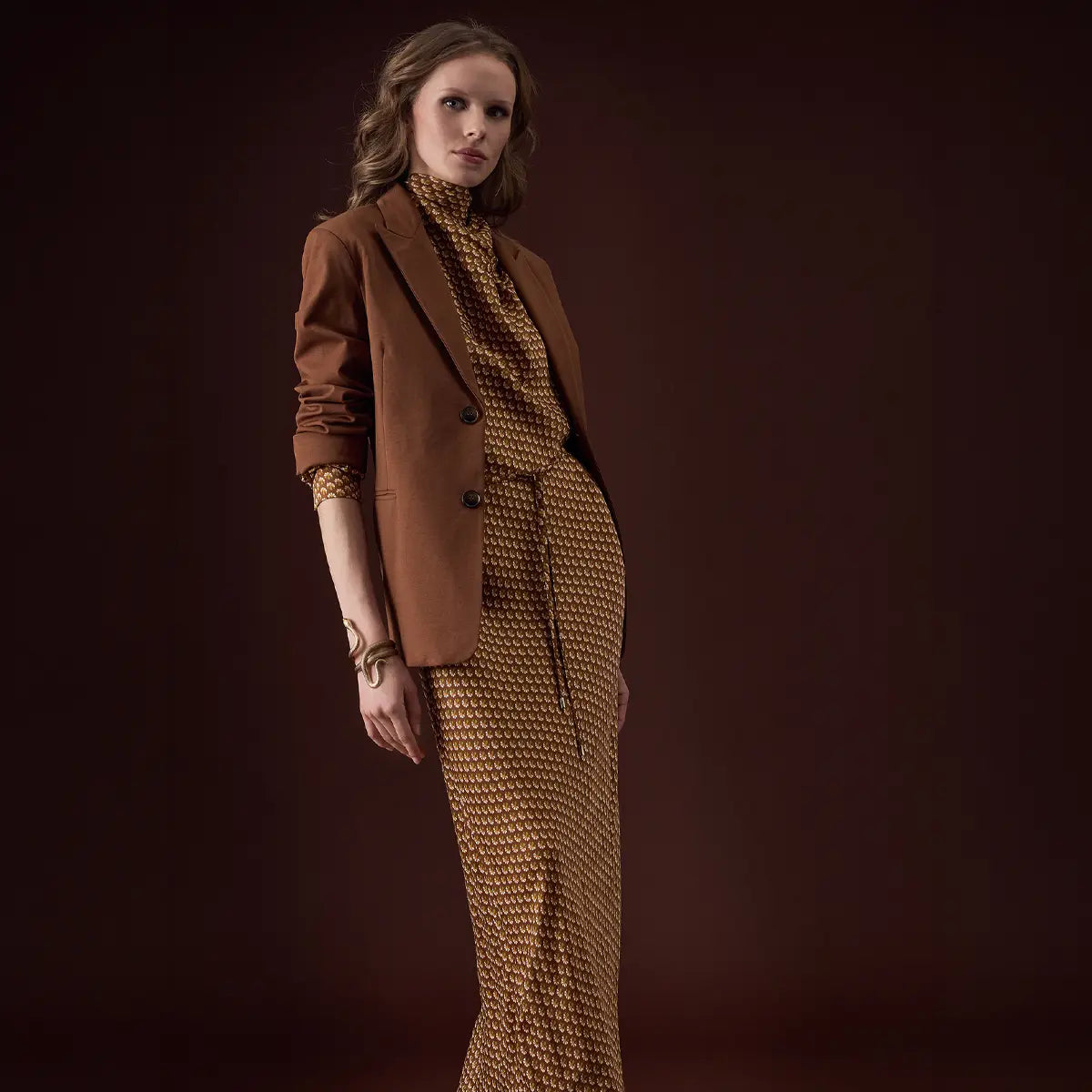
Effortless Style with Attitude — Our Looks for Casual to Casual Chic
Dress Code: Business Casual
Business casual is a bit more formal. It’s best to leave your sneakers in the closet; instead of T-shirts, wear blouses and shirts. In upscale companies, this look is considered somewhat informal and is typically worn on business trips or at casual business lunches.
For her: Lightweight pantsuits or solid-color, knee-length dresses and skirts; subtly patterned or solid-color blouses; pumps or loafers.
For him: A dark suit with a colored dress shirt; a tie is optional.
Things to Avoid: Heavily patterned pieces, open-toed shoes, jeans, chinos, T-shirts.

Business Casual: a knee-length dress in a muted shade—professional, but not stuffy. @AI illustration
Dress code: Come as you are
A tricky trap: “Come as you are” doesn’t mean you can show up in casual attire—quite the opposite. This dress code is usually used in an after-work context and refers to informal evening events that you attend straight from work, without changing clothes. The classic daytime business look is expected.
For her: Lightweight pantsuits, suits, or shift dresses with blazers.
For him: a business-casual suit, with or without a tie.
Things to Avoid: Jeans or casual wear—but cocktail dresses and evening gowns are also out of place here.

Come as you are: straight from work to the event—as long as it looks good and is hassle-free. @AI-Illustration
Dress Code: Business Formal / Business Attire / Tenue de ville
"Business Formal" refers toelegant business attire for formal occasions—there’s little room for fashion-forward touches here. Women wear pantsuits or suits with skin-tone tights and closed-toe pumps.
For her: Knee-length pencil skirts, white blouses, blazers, shift dresses, and pumps with heels no higher than 8 cm.
For him: A dark, well-tailored suit with a classic cut, a tie, a white or light blue shirt, and a pocket square if desired.
Things to Avoid: Clothes that don't fit well, patterned shirts and blouses.

Business Formal / business casual: a well-tailored pantsuit, blouse, and closed-toe pumps. @AI illustration
Look Your Best All Day Long — Our Outfits, from Business Casual to Business Formal
Dress Code: Cocktail / Cocktail Attire
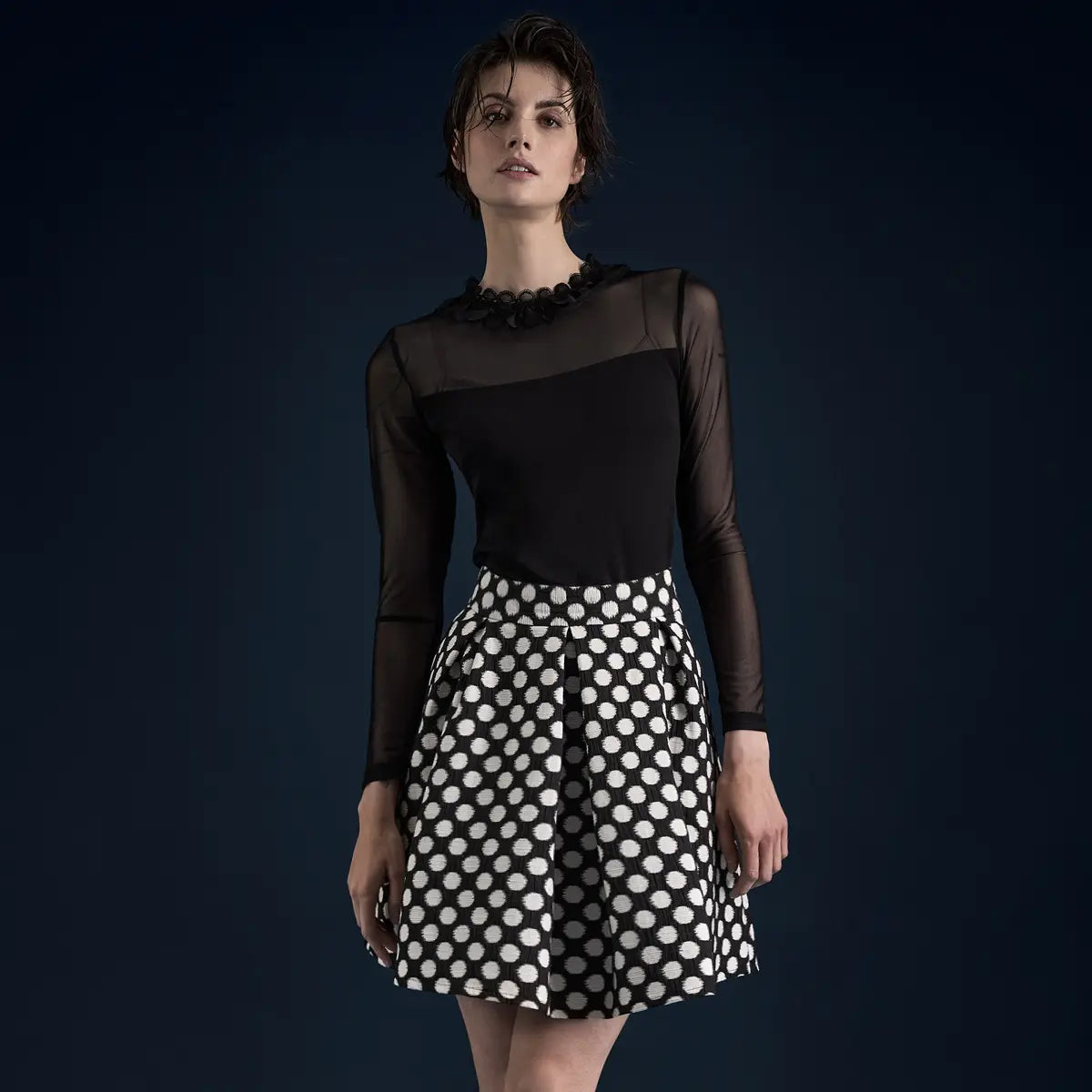
Cocktail is the classic dress code for receptions, parties, and upscale dinners—festive, but not as formal as black tie. The centerpiece is the knee-length cocktail dress; a festive jumpsuit or an elegant two-piece ensemble are also appropriate. Luxurious fabrics, a subtle sheen, and coordinating accessories complete the look. Floor-length gowns are usually too much for this occasion, while a business outfit is too casual.
For her: Knee-length cocktail dress, elegant jumpsuit, sophisticated two-piece set; pumps or elegant sandals, clutch.
For him: A dark suit; a tie is optional, depending on the occasion.
Things to Avoid: Floor-length evening gown (too formal), everyday or office attire (too casual), sneakers.

Cocktail: a knee-length dress with elegant accessories—festive, but not over the top. @AI illustration
Dress Code: Semi-Formal
Watch out: “Semi-formal” doesn’t mean “just semi-formal,” but rather a mix of daytime and evening attire —it depends on the time of day. Until 6 p.m., a semi-formal outfit can be equivalent to a business-formal look; after 6 p.m., you should wear evening wear.
For her: During the day, a well-tailored suit with a light-colored blouse or a shift dress; in the evening, depending on the occasion, knee-length cocktail dresses or floor-length evening gowns.
For him: a dark three-piece suit with a tie during the day, and a tuxedo in the evening.
Things to Avoid: Show up in a business-casual outfit in the evening.

Semi-formal: a shift dress during the day, something a little more festive in the evening. @AI illustration
Dress Code: Festive
“Festive” is the most common dress code on invitations to weddings, milestone birthdays, galas, or the Captain’s Dinner—and it’s intentionally flexible: It ranges from festive and elegant (a knee-length cocktail dress) to festive and formal (a long evening gown). The occasion, location, and time are the deciding factors. Elegant fabrics like satin, lace, or chiffon, paired with a subtle, festive sheen, are always a good choice.
For her: Festive cocktail or evening dress, elegant jumpsuit; coordinating accessories, clutch, heels.
For him: a dark suit; for very formal occasions, a tuxedo.
Things to Avoid: Casual fabrics (jersey, denim), sneakers, everyday look.

Festive: a festive evening gown for weddings, galas, and special occasions. @AI illustration
When the evening gets festive — our looks for cocktail, semi-formal, and formal occasions
Dress Code: White Party
The White Party is a special case:Instead of specifying a dress code level, it mandates a specific color—namely, uncompromisingly pure white (no off-white, cream, or beige). The dress code itself can range from casual to cocktail to black tie, so it’s worth considering the specific occasion. The styling rule: texture over color—lace, pleats, organza, or linen-silk add depth to the monochromatic look.
For her: An all-over look in pure white—a maxi dress, jumpsuit, pantsuit, or lace dress; skin-tone underwear.
For him: White pants with a white shirt, and a light-colored blazer if desired.
Things to Avoid: Off-white shades (ecru, crème), other colors, sheer underwear.

White Party: All-white look—shown here as a jumpsuit with lace detailing. @KI-Illustration
Dress Code: Black Tie / Cravate Noire
Now things get very formal—think gala dinners, state receptions, or major award ceremonies.In black-tie, women wear long evening gowns or very elegant cocktail dresses made of luxurious fabrics like satin or silk; more unconventional designs are also acceptable. Rule of thumb: The more eye-catching the dress, the more understated the accessories—and vice versa. A small evening clutch and high heels are essential.
For her: Long evening gowns, elegant cocktail dresses, high heels (pumps or elegant sandals), clutch.
For him: a tuxedo with a black bow tie, a white shirt, and patent leather shoes.
Things to Avoid: Necklines that are too low, dresses that look cheap, no evening clutch.

Black Tie: a long evening gown, elegant lace, a small clutch—the grand entrance. @KI-Illustration
Dress Code: White Tie / Cravate Blanche
It doesn’t get any more formal than this: White-tie events are the crème de la crème of receptions —classic examples include the Vienna Opera Ball, state receptions, Nobel Prize ceremonies, and royal weddings. Women wear long evening gowns, often with a train, paired with an updo and high heels. Unlike at black-tie events, pantsuits or jumpsuits are off-limits here.
For her: Floor-length gowns made of satin or silk, elegant jewelry, pumps; often with a train and an updo.
For him: Tailcoat with a white cravat, tailcoat shirt, and vest (morning cut during the day). Tip: You can recognize tailcoat pants by the double silk stripe.
Things to Avoid: Cocktail dresses, dresses that are too tight or too low-cut, rhinestones, and flashy costume jewelry.

White Tie: the most formal level—a floor-length gown with a train and an updo. @AI illustration
Special Case: Traditional Costume / Dirndl
In Bavaria and at folk festivals like Oktoberfest, traditional attire is its own dress code. For women, the dirndl is the centerpiece—ideally of high-quality craftsmanship, paired with a matching blouse and apron. The length is a matter of personal taste; midi is considered particularly elegant. A fun little detail: The position of the apron bow traditionally signals one’s relationship status. But more important than any rule is that you feel comfortable.
For her: A high-quality dirndl with a blouse and apron, traditional ballerina flats or pumps, and subtle jewelry.
For him: leather pants with a plaid shirt, possibly a Janker jacket and Haferl shoes.
Things to Avoid: Cheap-looking clothing, items that are too short, ill-fitting sneakers.

A special case: traditional attire—a high-quality dirndl with a blouse and apron—for example, for Oktoberfest. @KI-Illustration
A quick summary: Dress Code Rules—Dos and Don'ts
When in doubt, it's better to be a little too elegant than too casual
Always consider the industry, time of day, and location (daytime: lighter and simpler; evening: more festive)
Pay attention to fit, high-quality fabrics, and a polished overall look
If your outfit stands out, keep your accessories simple —and vice versa
Stick to your own style instead of dressing up
Don'ts
Take dress code terms literally ( “Semi-Formal” and “Come as you are” are traps)
Opt for off-white shades at the "White Party"
Necklines that are too low or hemlines that are too shortfor formal attire
Accessory Overload
Wearing new, uncomfortable clothes for the first time at an important event
My conclusion: Dress codes may seem complicated, but they follow a simple logic: they categorize occasions by formality. Once you’ve sorted out casual, business, cocktail, festive, black tie, and the like, making a choice is effortless—and always keep the time, occasion, and location in mind. When in doubt, go for the more elegant piece, comfortable classics, and your own style: that way, you’ll be dressed appropriately for any occasion. Dress up!
You Ask, We Answer – Frequently Asked Questions About Dress Codes
What does "business casual" mean for women?
A more formal—but not strictly formal—office look: light pantsuits or solid-color, knee-length dresses and skirts paired with subtly patterned or solid-color blouses, along with pumps or loafers. Sneakers and T-shirts stay in the closet.
What is the difference between black tie and white tie?
Black tie is very formal (women: long evening gown or elegant cocktail dress; men: tuxedo). White tie is the most formal level, as seen at an opera ball, for example: women wear a floor-length gown, and men wear a tailcoat. Pantsuits and jumpsuits are not permitted for white tie.
What does "semi-formal" mean?
"Semi-formal" doesn't mean "half-formal"; rather, it's a mix of daytime and evening attire, depending on the time of day. Until 6 p.m., it's more like business formal; after 6 p.m., you should wear evening attire, such as a cocktail dress or evening gown.
What is the difference between cocktail and black tie?
Cocktail attire is festive but more casual: a knee-length cocktail dress or an elegant jumpsuit. Black tie is very formal—a long evening gown is appropriate here. A floor-length gown is usually too much for cocktail attire.
What should you wear when the invitation says “festive”?
A festive cocktail or evening gown made of luxurious fabrics such as satin, lace, or chiffon. The dress code is flexible: the occasion, location, and time of day determine whether the look should be more elegant (knee-length) or formal (long).
What is the dress code for a White Party?
Pure white only—no off-white, cream, or beige. The dress code ranges from casual to black tie. Focus on textures rather than color, and choose skin-tone undergarments under lightweight fabrics.
What should a woman wear with traditional attire or to Oktoberfest?
A high-quality dirndl with a matching blouse and apron, paired with traditional ballerina flats or pumps and subtle jewelry. A midi length looks especially elegant. More important than any rule is that you feel comfortable.

Viviane Rittersporn
Since 2004, I have been working as an online editor for various blogs, magazines, and publications focusing on fashion, lifestyle, and travel. I have been contributing my expertise to the Ana Alcazar team since 2011. At Ana Alcazar Magazine, I am responsible for identifying topics and strategically revising content.
Between Image and History
Sometimes a story needs more than a photo can convey. That’s why some of the images in this article were created using artificial intelligence (AI)—curated, inspiring, and always in the spirit of “Wear your Story.” The AI-generated images are clearly labeled next to each photo.