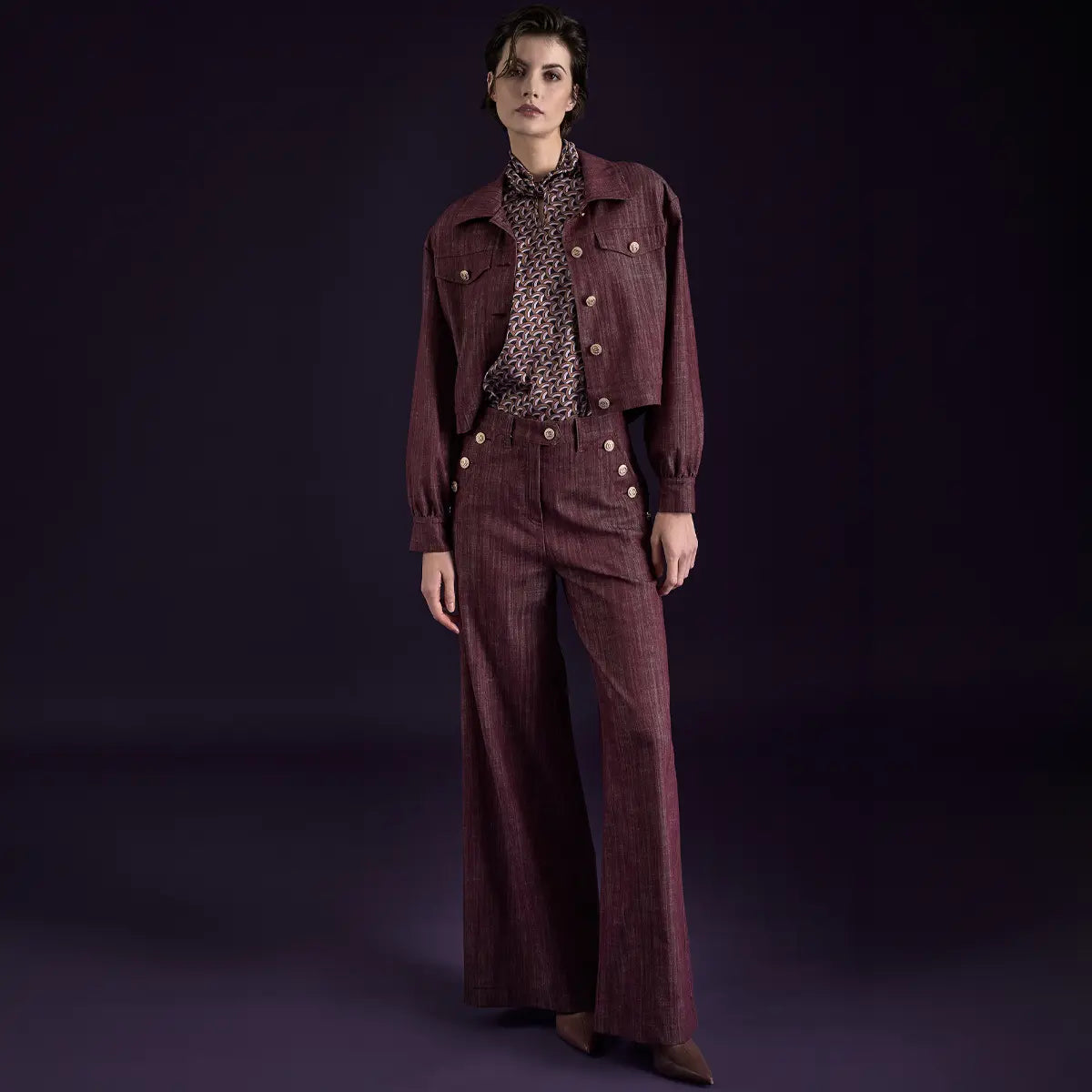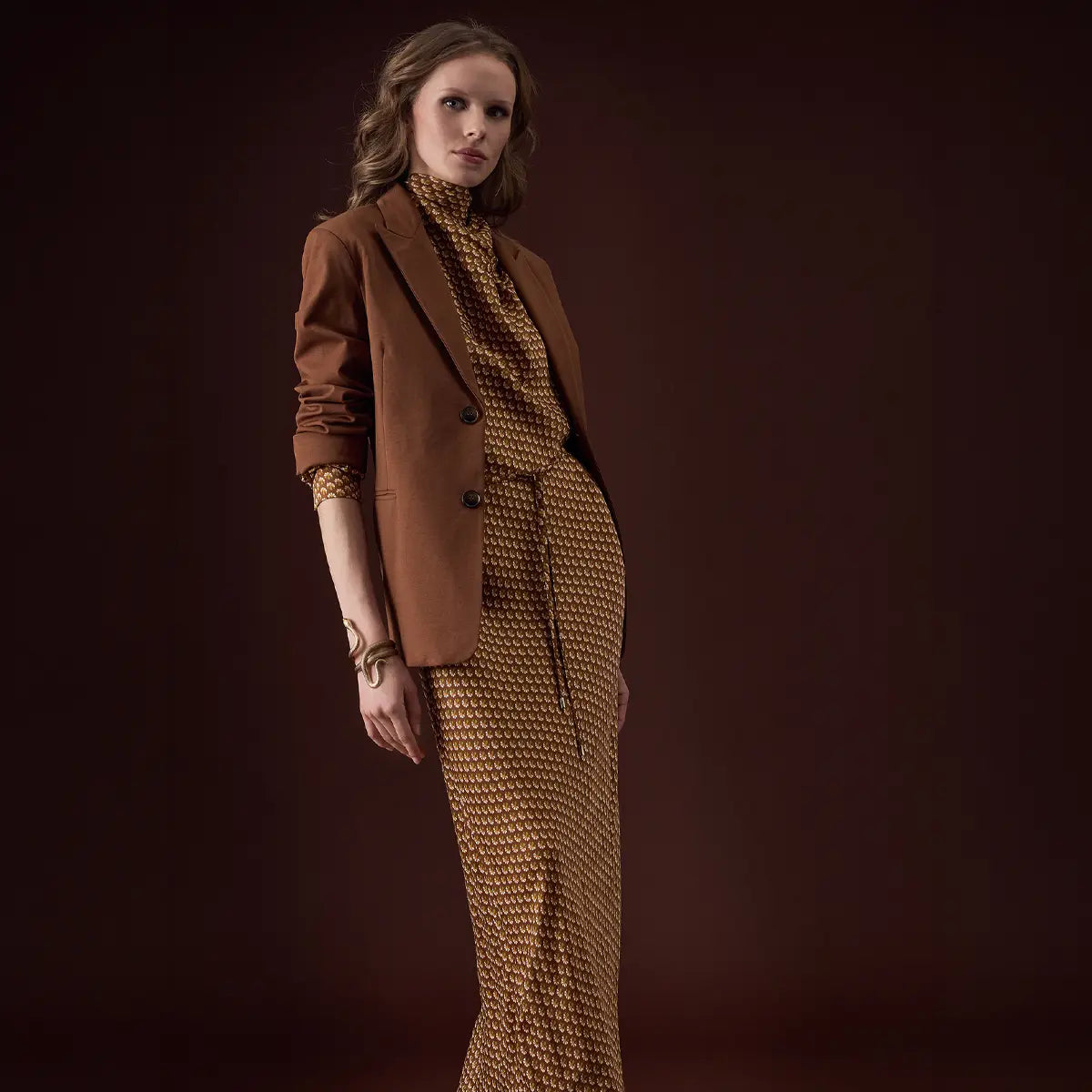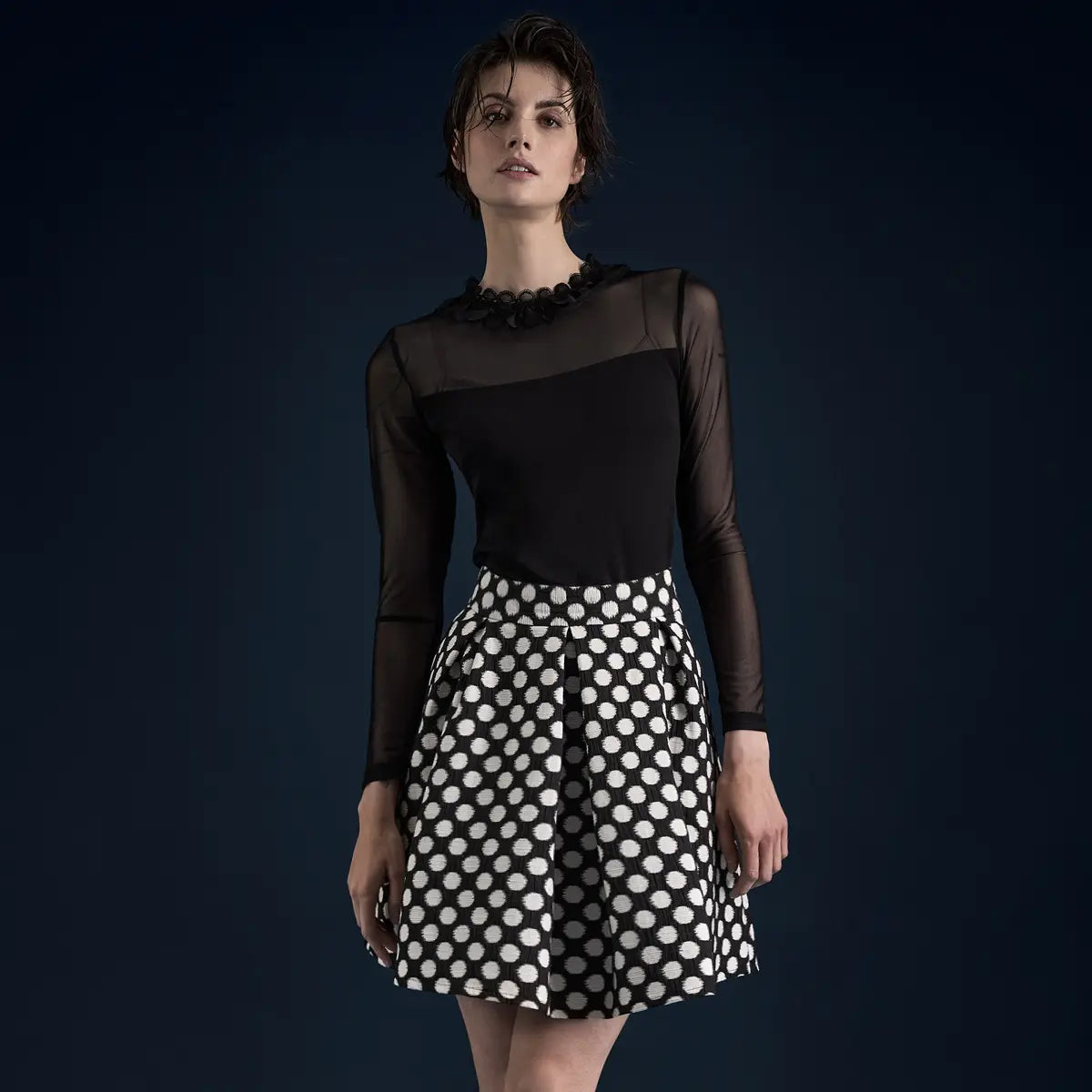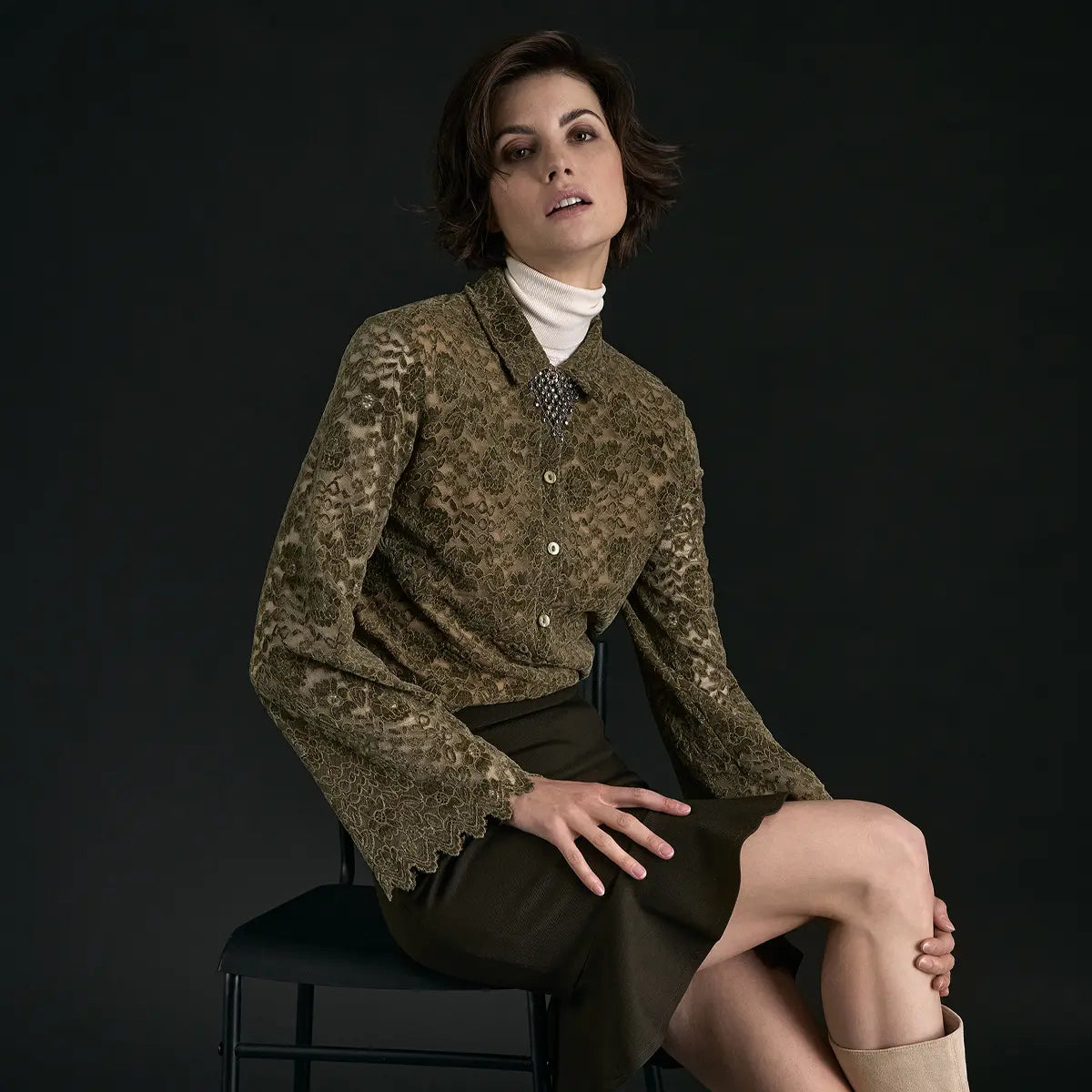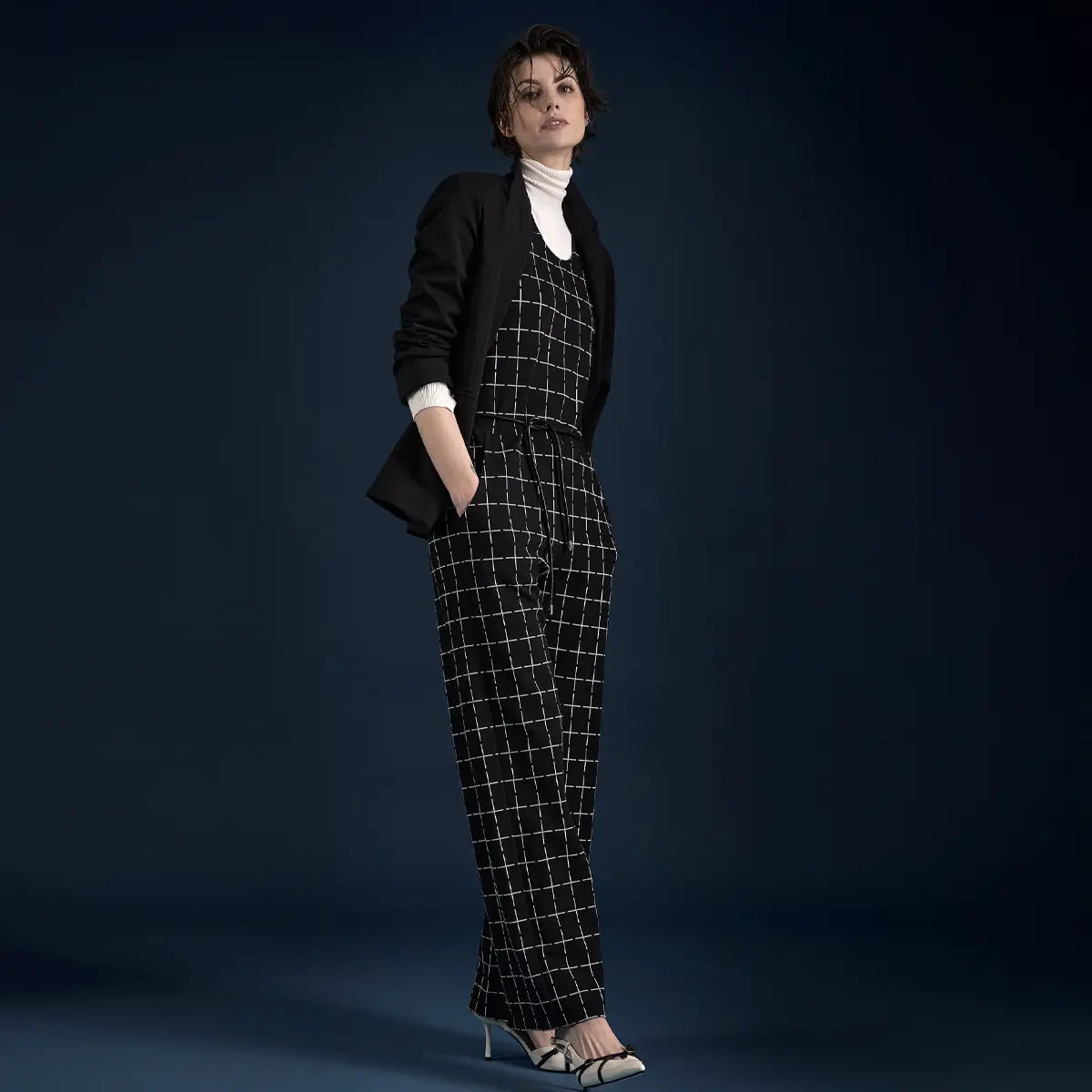


Posture, self-confidence, and a compelling presence are key factors for success in business and should not be underestimated. Your personal style also plays a crucial role in embodying these qualities. It can help you come across as authentic and, therefore, trustworthy. Your individual style is often a deciding factor in a business context. In some professional fields, such as sales, personality often makes all the difference and should be highlighted accordingly.
We’ve long since moved away from looks that slavishly follow the basic rules of business attire. We’re happily throwing outdated rules—such as “the perfect office dress should always be knee-length and long-sleeved”—overboard. Successful businesswomen embrace their individual style, one that allows them to express who they are and feel competent and confident. The bar is still set high, however: Your appearance should highlight your expertise and know-how while also adhering to the company’s dress code . The latter can vary greatly—from agencies to management consultancies to banks. That’s why one question is more important than all the others: What makes me feel comfortable within the company’s dress code?
I’ll show you how it can be done and give you helpful tips for styling your everyday work look in my comprehensive guide to business dresses. Since we at Ana Alcazar are dress specialists, I’ll focus exclusively on business dresses in this guide.
In this guide:
What are the general guidelines for business dressesWhich cuts are considered ideal for business dressesWhich colors stand out in the officeWhich prints are appropriate for a business settingHow do you style dresses for a business settingStyling Dos & Don’ts for Business Dresses You Ask, We Answer—Frequently Asked Questions About Business Dresses
What are the general guidelines for business dresses?
Dresses are also a good—and, above all, versatile—alternative in the business world. On the one hand, they’re elegant and—thanks to the right cuts—can be formal or more casual; on the other hand, they’re incredibly comfortable to wear. There’s a wide variety of styles that are particularly popular in a business setting. It’s no secret that business fashion doesn’t have to consist solely of timeless classics but can also incorporate trendy accents. Nevertheless, well-known classics like the suit or the shift dress will always have their place in the office. And that’s a good thing. But there are simply many more ways to dress appropriately. If you don’t want to miss out on celebrating the latest fashion trends even at work, you can skillfully combine them. The result: a fresh, new, and at the same time professional look.
When doing so, you should keep these basic rules in mind:
Follow the dress code that is an integral part of the company's culture
Despite all the freedom and fashion-forward openness that has long since taken hold in companies, it is ultimately the dress code of each company that sets the standard. This code is deeply rooted in the company’s culture and aligns with its core values. That’s why it shouldn’t be underestimated. It’s best to explore the leeway you have for your individual style within the established guidelines. In a bank, a consulting firm, or a finance company—where a high level of professionalism is a hallmark of business—you can’t wear just any dress. “Business attire” is often the rule here, which means muted, dark colors, a skirt or pants that are at least knee-length, and no revealing necklines. The situation is different in the creative industry or in sales, where fashion can be bolder, more expressive, and more individual.
The fit is crucial
Whenever your expertise and persuasiveness are what matter most, you shouldn't have to worry about how your dress fits. So make sure nothing gets warped, no unflattering wrinkles form, or the look shifts in an embarrassing way. Your clothes shouldn't cling to your body in an unflattering way—even when you're fired up with passion during a heated debate over the issue at hand. Choose fabrics like viscose, cotton, and linen, because natural materials feel good against the skin.

Bouclé at the Office: A short tweed dress with gold buttons and glasses—classically inspired, worn with a modern twist @KI-Illustration
Don't make it too short, and definitely don't show too much skin
No matter what industry you work in, there are a few office style rules you just can't ignore. Sexy fashion has no place in the business world. So it’s best to avoid overly revealing necklines and sheer fabrics. That’s why off-the-shoulder tops aren’t ideal, and neither are plunging necklines. Super-short miniskirts may show off great legs, but they simply aren’t appropriate for everyday life at a company or agency. Your outfit should always exude a certain level of professionalism.
Focus on quality rather than trends
Business dresses should look professional and well-groomed. High-quality fabrics, clean seams, and excellent craftsmanship often make a better impression than a fleeting fashion trend. Timeless cuts and subtle colors can be mixed and matched in many ways, ensuring that you present yourself as competent and stylish in any professional setting. With carefully chosen accessories, you can still add a personal touch to your look.
What styles are considered ideal for business attire?
There’s a wide variety of styles that can help you make a strong impression at work across the board. Whether you prefer flowing or form-fitting silhouettes—in most industries, there are fewer and fewer “no-gos.” Sneakers have long been socially acceptable and are standard fare in many executive offices. This new openness allows for much more flexibility. Nevertheless, it’s important for you to keep your company’s dress code firmly in mind—if there are clearly defined rules, make sure your style stays within those boundaries. “Business Attire” calls for different looks than “Business Casual.” Short dresses have long been socially acceptable in the business world; the old “knee-length” rule is outdated. What matters most is that the overall look is cohesive—a few centimeters more or less don’t matter.
These 5 outfits are a safe bet for all your important days at the office:
Shirt-style dress
Its charm lies in the fact that the shirtdress visually resembles a classic business outfit. Often featuring a striped pattern and midi length—but also available in various prints—the typical cut with a collar and clean silhouette is always a good choice. Depending on the industry, closed-toe shoes and, if necessary, tights can enhance the professional look.
Sheath dress
This style looks great in any color and, whether in pastel, black, or red, creates a confident, feminine look. Sheath dresses are form-fitting but are usually high-necked and show off the legs—though not too much. There are a number of good reasons why they’ve become true business classics and are often worn by successful women in leadership positions.
A-line dress
You can’t go wrong with an A-line dress: this flattering, slightly flared cut gently accentuates your waist and perfectly highlights your figure. The relaxed fit around the hips creates a flattering silhouette—no matter your body type. A business dress that lets you focus on what matters most: your compelling arguments for your upcoming promotion.
Wrap dress
The big plus: Wrap dresses adapt perfectly to your silhouette and let you look your best while staying comfortable. With wrap dresses, the open front of the dress is wrapped around the lower part that hugs the body to fasten it. This wrapping creates a V-shaped neckline. Wrap dresses—usually in midi length—create a modest yet feminine neckline and accentuate the waist.
Tunic dress
The advantages of this style of dress seem endless: From the figure-flattering yet clean cut to the wide variety of styles—with or without prints—and the desired knee-length, tunic dresses are comfortable, feel-good all-rounders that naturally make the right statement in everyday corporate life.
Which colors stand out in the office?
Today, there’s more freedom in business attire than there used to be. Still, colors influence how professional, competent, or approachable you’re perceived to be. That’s why the right color choice should always match your industry, the occasion, and your personality.
Dark blue conveys competence, professionalism, and trust. The color comes across as slightly more approachable than black and is ideal for meetings, presentations, and client appointments.
Black is a timeless business classic. It conveys authority, elegance, and leadership—especially in conservative industries with a formal dress code.
Gray conveys a sense of simplicity, professionalism, and style. When paired with light-colored accessories or pops of color, the look takes on a fresher feel.
Dark green and brown exude confidence and down-to-earthness. They are a stylish alternative to classic business colors.
White and cream convey clarity, modernity, and self-confidence. Especially when combined with darker shades, they create a high-quality, professional look.
Pastel colors like rosé, baby blue, or mint add feminine and modern touches. They have a friendly feel and can lend a touch of lightness to classic business looks.
Vibrant colors such as burgundy, teal, or emerald green make a statement without being too overpowering. They are particularly well-suited for leadership roles or public appearances.
In creative professions and sales, more striking colors and patterns are also welcome. They highlight individuality, openness, and strong communication skills.
Make sure the color you choose complements your skin tone. The right shade will make you look fresher, more alert, and more vibrant.
For important appointments, the following applies: Less is often more. Solid-colored dresses usually look more polished and professional than very colorful or heavily patterned styles.
Which prints are appropriate for a business setting?
Dress codes in companies are becoming more relaxed across the board—this is especially true in the digital sector, the creative industry, and among startups. However, the situation can be different when there is customer contact—in these cases, your attire serves as a calling card for your company. Even with this relaxed atmosphere, it’s important to thoroughly research what’s expected. We all love printed dresses. And there are many patterns that work well even with stricter dress codes like “business attire” or the more relaxed “business casual” guideline. These include conservative check patterns or houndstooth. But other patterns also make strong fashion statements in the business world.
Checkered
If you go with plaid, you win! The plaid pattern, in all its forms, is a business classic, and its style ranges from “business attire” to creative and modern. Many designers incorporate bold colors into the small check patterns or let XXL checks dance across the fabrics. Some looks even combine multiple check patterns on a single business dress.
Graphic
The latest addition to business fashion. Clean shapes and sharp lines exude confidence and a sense of structure. Especially in the monochrome black-and-white version, dresses with graphic prints are THE must-have in a business setting.
Animal Print
Leopard, zebra, and snake prints are everywhere—on the runways and in casual wear. But do animal prints work in a business setting? A resounding “yes.” Here, more so than with polka dots or plaid, it depends on the industry—and, above all, on the occasion. You can tone down a long-sleeved midi dress with a zebra print—the most subtle of animal prints—for the office by pairing it with a black long blazer. Snake print, on the other hand, features small, irregular details, while leopard print stands out with its bold colors. But when paired with simple basics in black and cream, they, too, fit perfectly into the modern office jungle.
Flowers
Flowers are popular all year round and can add a feminine touch to your business attire. High-necked, long-sleeved maxi dresses with floral prints are perfect for the transitional season—with or without a blazer. The power of flowers and vines lies in their diversity. Floral dresses truly come in every style imaginable.
Stripes
Striped business dresses are the secret favorites of all successful women—straight vertical stripes, in particular, look wonderful even with airy silhouettes, such as those found in blouse dresses. Right now, classic pinstripes are also making a comeback in the office. So go on a striped adventure in your everyday office life!
How do you style dresses for a business setting?
Here's how! With a few simple tricks, you can style even the most daring outfits to make them office-appropriate. Whether it's silk scarves or blazers—discover the possibilities:
Accessories
They also make a small but subtle difference with your business attire. Add a decorative touch with a necklace or a scarf. Colorful clothing pairs beautifully with simple, elegant jewelry. Conversely, a colorful, high-quality silk scarf breathes life into more neutral outfits. The scarf can certainly feature an eye-catching print or bold colors. You can wear it as a neckerchief, draped over your bag, or—for a “casual” dress code—in your hair. When it comes to jewelry, the rule is: “Less is more.” Add stylish accents with delicate necklaces or opt for a single statement piece. Make sure your necklace or bangle doesn’t jingle constantly or clatter when it hits your desk—that can quickly come across as unprofessional.
Tip: This winter, add that special touch to your business dress with a high-quality, stylish wool scarf.
Blazer
Blazers in camel, black, and white are classic office staples—especially for client meetings. Paired with the business dress of your choice, a blazer is the perfect stylistic addition to give your outfit an even more “formal” look. In addition to oversized styles, an extra-long (pinstriped) blazer adds variety to your business wardrobe. You can also make a statement with colored blazers. If you want a particularly trendy look, choose a cropped blazer, which pairs especially well with dresses that accentuate the waist.
Tip: In the creative or digital industries, you can also choose a leather jacket as a stylish addition to a dress.

Pinstriped shift dress with a blazer: the power outfit for everyday office life—focused yet cool @AI illustration
Shoes
In the business world, we want to keep both feet firmly on the ground—which means shoes with sky-high heels aren’t the best choice. Shoes for everyday business wear should be appropriate, comfortable, and not too high. Boots, ankle boots, ankle-strap shoes, mules, kitten heels, pumps, loafers, or ballet flats—here, too, you have plenty of options to pull off your look. When it comes to heel height, you’re best off with a medium-height heel, a block heel, or kitten heels. If you’re going for a stylish, casual look, sneakers have long been standard in many companies. With a solid-colored, simple overall look, you can pair bold shoes in a striking color—ideally one that’s also featured in another accessory. Where culture and dress codes allow, create an exciting contrast by pairing rugged boots with maxi dresses or calf-high boots with midi dresses.
Bags
The right bag completes your business outfit and combines style with functionality. Structured handbags, tote bags, or elegant shoppers look professional and offer plenty of space for a laptop, documents, and personal essentials. Look for high-quality materials and timeless colors like black, beige, cognac, or navy blue. In creative industries, styles in trendy colors or with unique details can also serve as eye-catchers.
Tip: A neat, high-quality bag often looks just as professional as the outfit itself and makes a confident first impression.
Styling Dos and Don'ts for Business Dresses
Follow the company dress code and make the most of the flexibility it allows
Always a good idea: blazers in different styles (boyfriend, long blazers, etc.)
Incorporate trendy colors—use bold colors mainly as accents
Wearing prints—make sure the overall look is harmonious and not too busy
Flounces & Ruffles – Yes, but in Moderation
Knee-length—considered ideal; outfits can also be slightly shorter
It's all about the overall look: jeans and a leather skirt are appropriate for business when paired correctly
Don'ts
Combining more than three shades
Distressed Look
Shoes with a heel height of more than 5 cm
Showing a lot of skin: crop tops, plunging necklines, sheer fabrics
Super-short denim miniskirts or hot pants
Open-toed sandals with unkempt feet
Flip-flops—they exude a laid-back vibe
You Ask, We Answer – Frequently Asked Questions About Business Dresses
Which business dress is best for important meetings or presentations?
For occasions where you want to project competence and confidence, simply cut dresses in dark blue, charcoal gray, black, or dark green are a safe bet. Clean lines, high-quality materials, and a perfect fit often make a more compelling impression than eye-catching trends.
How long should a business dress be?
As a general rule, the dress should reach at least to the knee or end just above it. Midi dresses are also an elegant option. Extremely short mini-lengths can quickly come across as too casual in most professional settings.
Are sleeveless dresses allowed in a business setting?
That depends on the industry and corporate culture. In conservative companies, it’s best to pair them with a blazer or a light jacket. In creative or modern work environments, high-quality sleeveless dresses are often perfectly acceptable.
Can I wear business dresses with sneakers?
In many companies, yes. Simple, well-maintained leather sneakers or those with minimalist designs pair perfectly with modern business attire. For important client meetings or formal occasions, however, loafers, pumps, or elegant ankle boots remain the more stylish choice.
How do I style a business dress in winter?
With a high-quality wool coat, knee-high boots, an elegant blazer, or a fine knit cardigan, the look remains professional and stylish. A sophisticated scarf adds a tasteful touch.

Christine Schmitz
My love for fashion and communication led me to Ana Alcazar—having cut my teeth as a copywriter and concept developer in traditional advertising, I’ve been writing for our Munich-based designer label for over 10 years. On the editorial team, I’m responsible for all corporate topics, and I also focus on current trends and my passion: gender equality.
Between Image and History
Sometimes a story needs more than a photo can convey. That’s why some of the images in this article were created using artificial intelligence (AI)—curated, inspiring, and always in the spirit of “Wear your Story.” The AI-generated images are clearly labeled next to each photo.