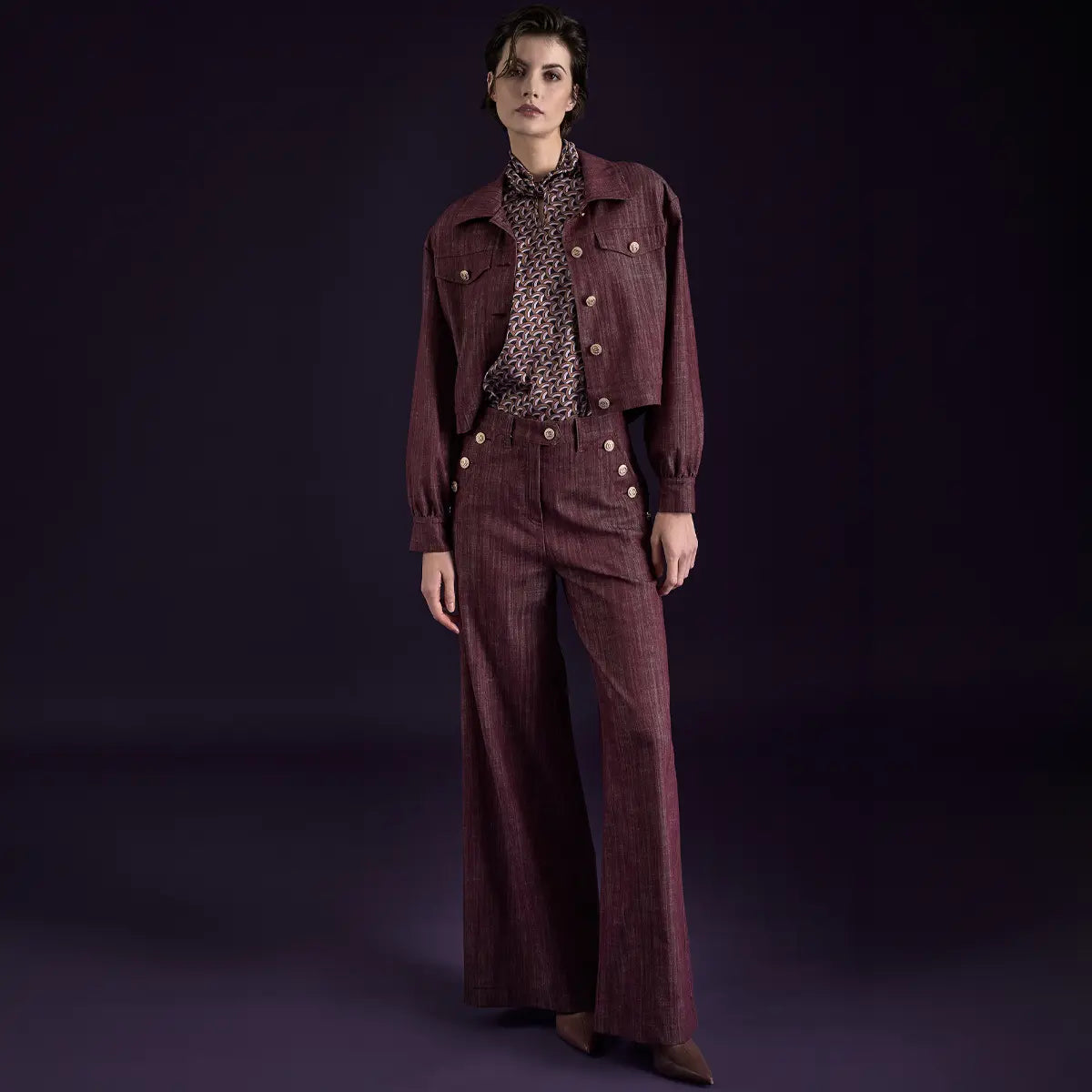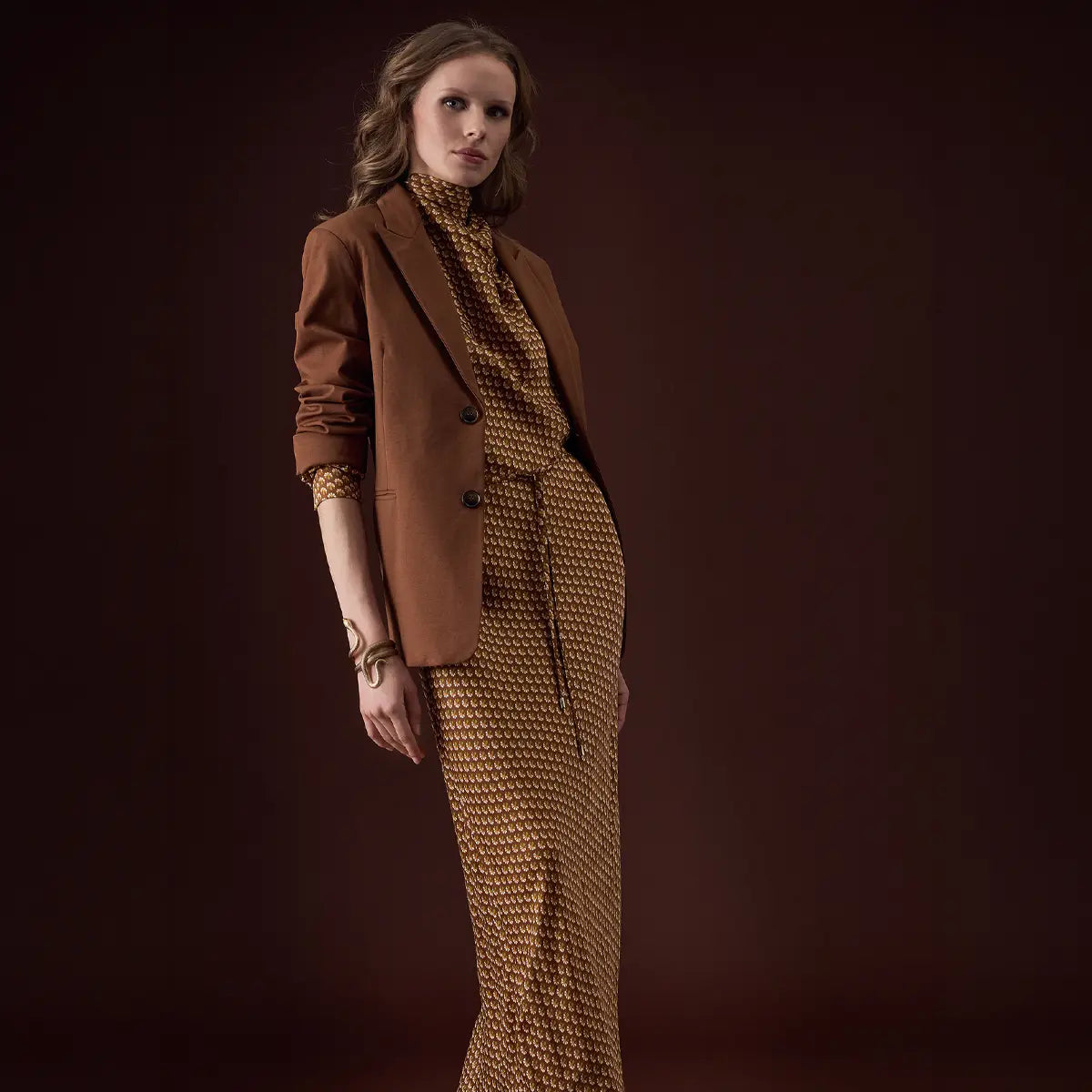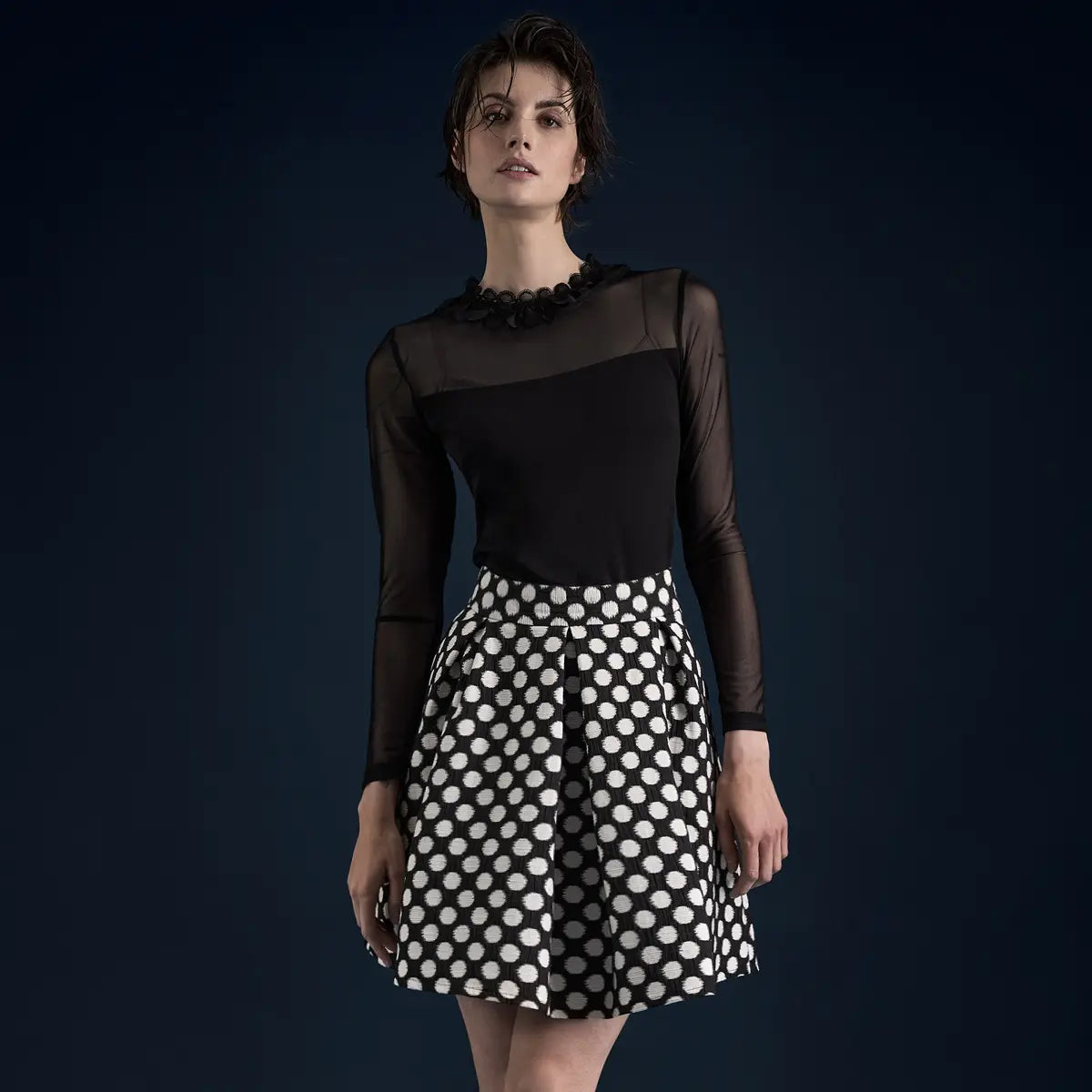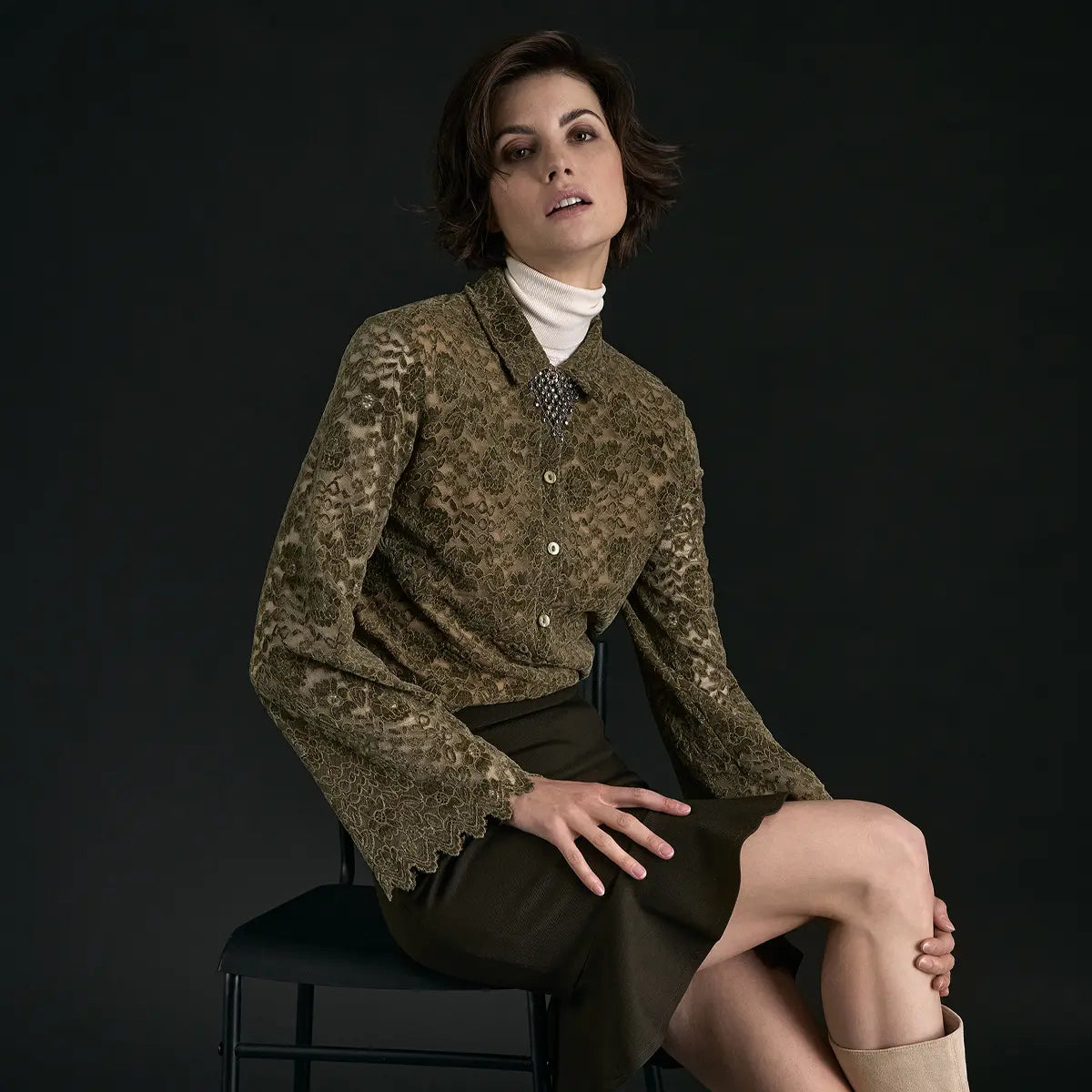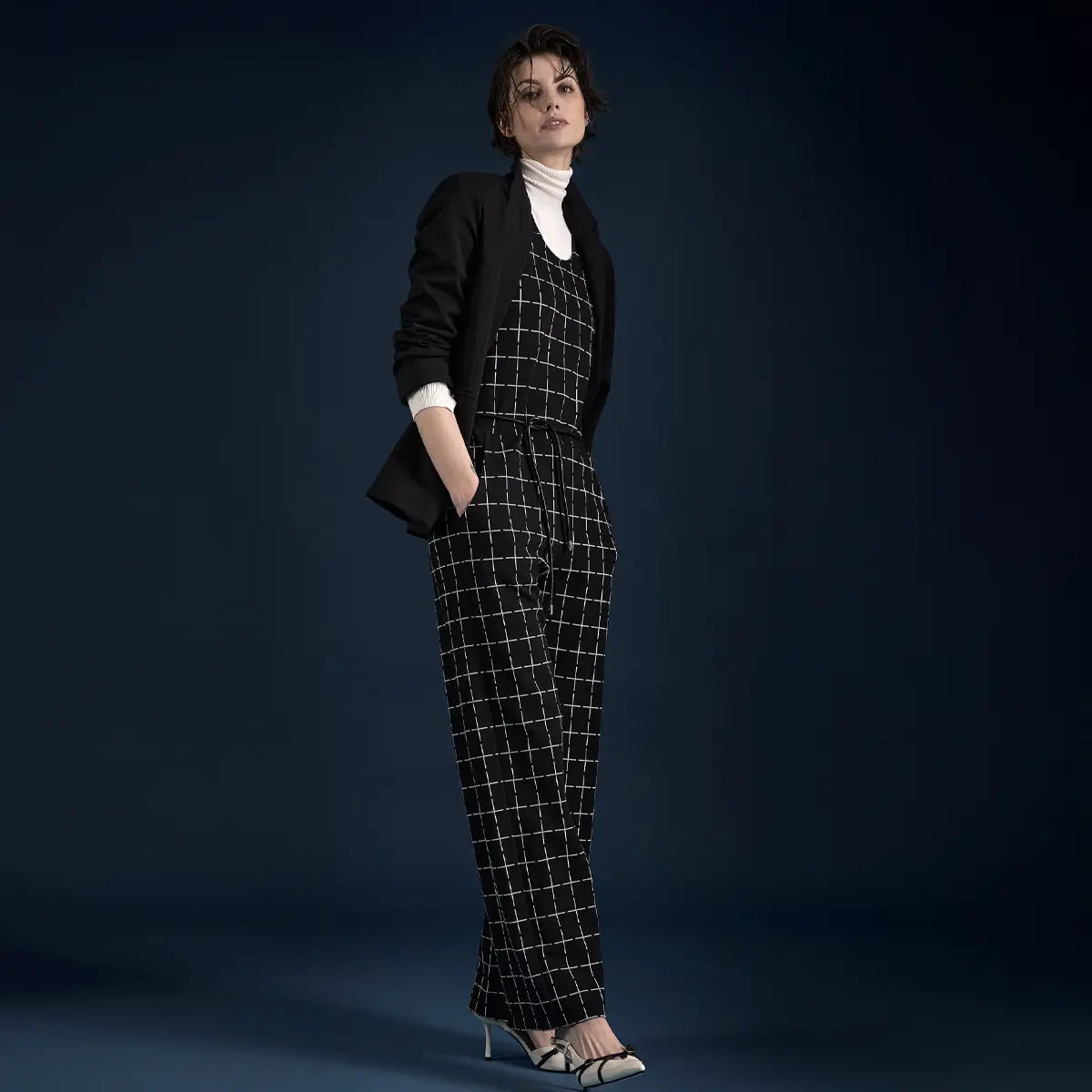


By now, word should have gotten around that fast fashion is truly bad—in every sense of the word. Not only does cheap clothing—produced quickly and poorly made—create a massive waste and environmental problem, but the working conditions in the fast fashion industry are also completely unacceptable. So let’s start the new year with the best resolution of all—namely, to stop buying cheap clothing and instead focus on just a few high-quality pieces that fit into a capsule wardrobe.
After all, high-quality clothing isn’t just significantly more durable—it’s also always more stylish because it’s absolutely timeless! But how can you tell if a piece of clothing is high-quality? It’s not that easy, because even expensive brands often produce items of inferior quality. So price isn’t necessarily an indicator of quality—even if we’d like it to be. To shed some light on the matter, here are the ultimate tips for recognizing truly high-quality clothing.
In this guide:
Your Checklist for Identifying High-Quality Clothing The A and O: Fabric Composition Check the zippers and buttonholes Texture—how does the clothing feel against your skinSmell—does the garment have a chemical odorCheck the prints and appliqués Seam construction Check for pilling Check for textile labels Check for comfort Check the cut and style: Does the garment have a timeless cut
Your Checklist for Identifying High-Quality Clothing
Before we go over each point in detail, here’s our ultimate checklist. If you keep these 10 points in mind when buying clothing, you can quickly determine whether you’re dealing with good quality.
What is the material composition?
Check zippers and buttonholes
Texture: How does the clothing feel against the skin?
Smell: Do the clothes smell like chemicals?
How well is the clothing made? (Loose buttons, crooked seams, loose threads…)
Follow the care label instructions
Check Prints and Appliqués
Watch for pilling
Check for comfort
Check the cut and style: Does the clothing have a timeless cut?
The Be-All and End-All: Material Composition
High-quality women's fashion is definitely all about the material. That's why it's worthexamining the fabric closelyfirstand checking the garment's material composition before making a purchase. High-quality fabrics usually consist ofonly a few materialsandcontaina low percentage of synthetic fiberssuch as polyester. (Of course, there are exceptions—for example, breathable athletic wear, which is made exclusively from synthetic fibers!) In general, however, the higher the quality of a garment, the higher the quality and the more natural the fibers.
You can recognizenatural materials likecotton, linen, or woolnot only by their look and feel, but also, of course, by checking the fabric label. But even within a single material group, there are differences: High-quality cotton has long fibers. You can tell by holding the fabric up to the light: If the weave is even and the fabric feels smooth and uniform, you’re likely looking at a high-quality fabric. The term“PimaCotton”also serves as a guide. This refers to one of the highest-quality and longest cotton fibers. Garments labeled with this term therefore most likely fall into the high-quality category. There are also significant differences in quality when it comes to wool, mohair, and angora. High-quality wool fabrics or fabrics made from angora or cashmere hardly pill and don’t itch.
Check zippers and buttonholes
The high quality of clothing is evident not only in the fabric, but also in functional elements such as zippers, buttons, and buttonholes. Zippers must glide smoothly and be sturdy; therefore, they must under no circumstances get stuck. There’s hardly anything more frustrating than a piece of clothing where the zipper breaks after just a few months. This happens especially often with jackets, so checking the zipper is a must. With metal buttons, you should definitely take a close look: If they’re made of cheap material, they’ll rust and leave unsightly stains on the clothing. Buttonholes should be well-sewn and have enough give. If anything here is frayed, crooked, or poorly sewn, the garment is almost certainly poorly made overall.
Fashion is very important. It enriches our lives, and like anything that brings us joy, it’s worth doing well.
Textile feel – how does the clothing feel against the skin?
When we buy clothes in a store, we usually do so quite instinctively: We feel and touch the fabric, rubbing it between our fingers to test how it feels. But what should we really look for when testing the texture? For one thing, good-quality, high-end fabric usually feels smooth, soft, and supple. Fabrics that have been poorly manufactured or are made from cheap materials can feel rough or frayed. Poorly woven fabric quickly develops pilling or develops holes.

The Texture Test: Good fabric feels smooth, soft, and supple—just let it glide through your fingers @AI Illustration
Smell – Does the garment have a chemical odor?
It’s best to evaluate clothing using all your senses. Appearance and texture are important, but smell is just as important. Smell is a fairly reliable indicator of whether a garment is of high quality or not. Cheap clothing often smells chemical-y because it’s usually heavily treated with chemicals. Manufacturers of truly high-quality clothing, on the other hand, avoid using harmful substances or chemical treatments on their fabrics as much as possible. So if the clothing has a pungent smell, you should definitely steer clear of it —not only will the item not last long, but all those chemicals in the fibers aren’t exactly healthy either.
Check prints and applications
Especially with printed clothing or clothing decorated with appliqués, you should pay close attention to the details: Cheap clothing is often printed cheaply. The designs may warp, or the color may be uneven. Often, the print is very “grainy” and feels a bit like sandpaper. In that case, it’s best to steer clear! Appliqués should be securely sewn on, not just glued.
Seam Finishing
How a fabric has been sewn is one of the most important indicators of quality. High-quality clothing is always excellently crafted, and this is relatively easy to spot: the seams on good-quality clothing are even and neatly stitched. The hems must be properly finished—not simply cut off, as is often the case with fast fashion. If seams pucker or threads stick out, that’s also an indicator of poor quality.

The craftsmanship speaks to its quality: even stitching, a mother-of-pearl button, and a smooth-running zipper @KI-Illustration
Watch out for pilling
Pilling usually occurs in poorly manufactured, low-quality fabrics. Wool, even the highest-quality wool, is particularly prone to pilling, but the same is true for cotton-synthetic blends. As a general rule: The shorter the fibers, the more pilling occurs. High-quality items made of cotton, cashmere, or wool tend to pill less because they’re made of longer fibers that sit more securely in the fabric and fray less. Lower-quality fabrics consist of shorter fibers that quickly come loose at the ends and then form lint. It can be difficult, especially for a layperson, to distinguish between short and long fibers. In the best-case scenario, a sales associate at the store can help.
See the textile label at
Navigating the jungle of textile certifications isn’t all that easy, but it’s worth taking a look! Certifications such as Blue Angel, GOTS, or Fair Trade indicate that clothing is environmentally sustainable and/or produced under fair conditions—both of which, by the way, are usually also indicators of relatively high-quality clothing.
Check for comfort
Before buying, you should of course always try the item on—buying clothes “blind” is never a good idea. Pay attention to the following: How does the garment feel against your skin? Do the jeans fit well? Does the blouse or dress drape evenly, or do annoying wrinkles form anywhere? Does the garment wrinkle or look unflattering? Do the seams stay smooth, or do they start to warp the first time you put it on? Is anything scratchy, does the fabric feel uncomfortable against your skin, or do you start sweating in it quickly? If so, get rid of it!
Check the cut and style: Does the clothing have a timeless cut?
Last but not least: High-quality clothing is, of course, correspondingly more expensive than fast-fashion items. So if you invest more in high-quality fashion, ideally it will always be timeless and have a classic cut—so you can wear it for as many years as possible. A-line, pencil-cut, or Marlene-style pants in a business setting are just as timeless as striped shirts and leather jackets for casual wear.
High-quality clothing rarely ends up gathering dust in your closet, so it’s worth keeping these few quality characteristics in mind whenever you shop. That way, you’ll build a high-quality, long-lasting wardrobe step by step!

Christine Schmitz
My love for fashion and communication led me to Ana Alcazar—having cut my teeth as a copywriter and concept developer in traditional advertising, I’ve been writing for our Munich-based designer label for over 10 years. On the editorial team, I’m responsible for all corporate topics, and I also focus on current trends and my passion: gender equality.
Between Image and History
Sometimes a story needs more than a photo can convey. That’s why some of the images in this article were created using artificial intelligence (AI)—curated, inspiring, and always in the spirit of “Wear your Story.” The AI-generated images are clearly labeled next to each photo.