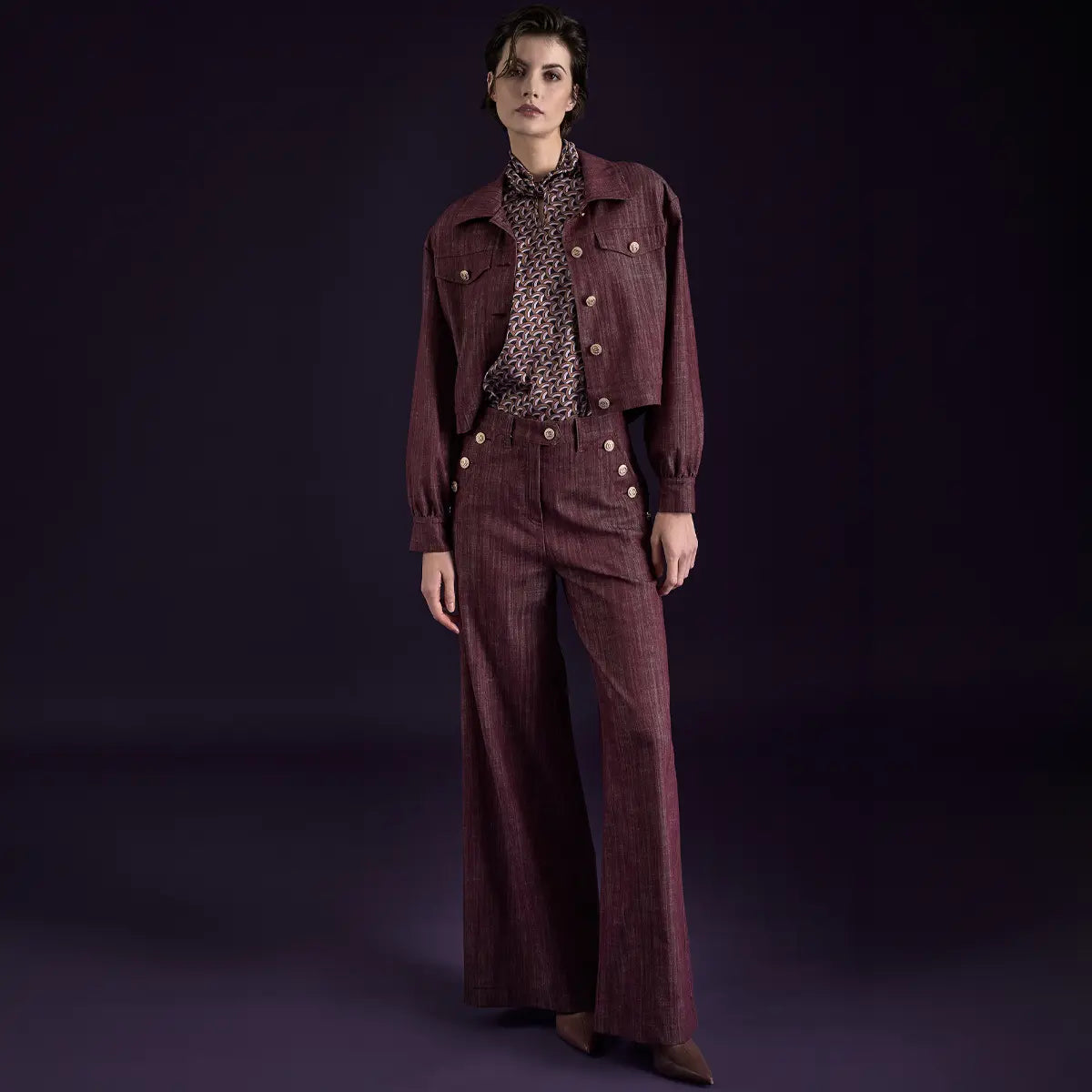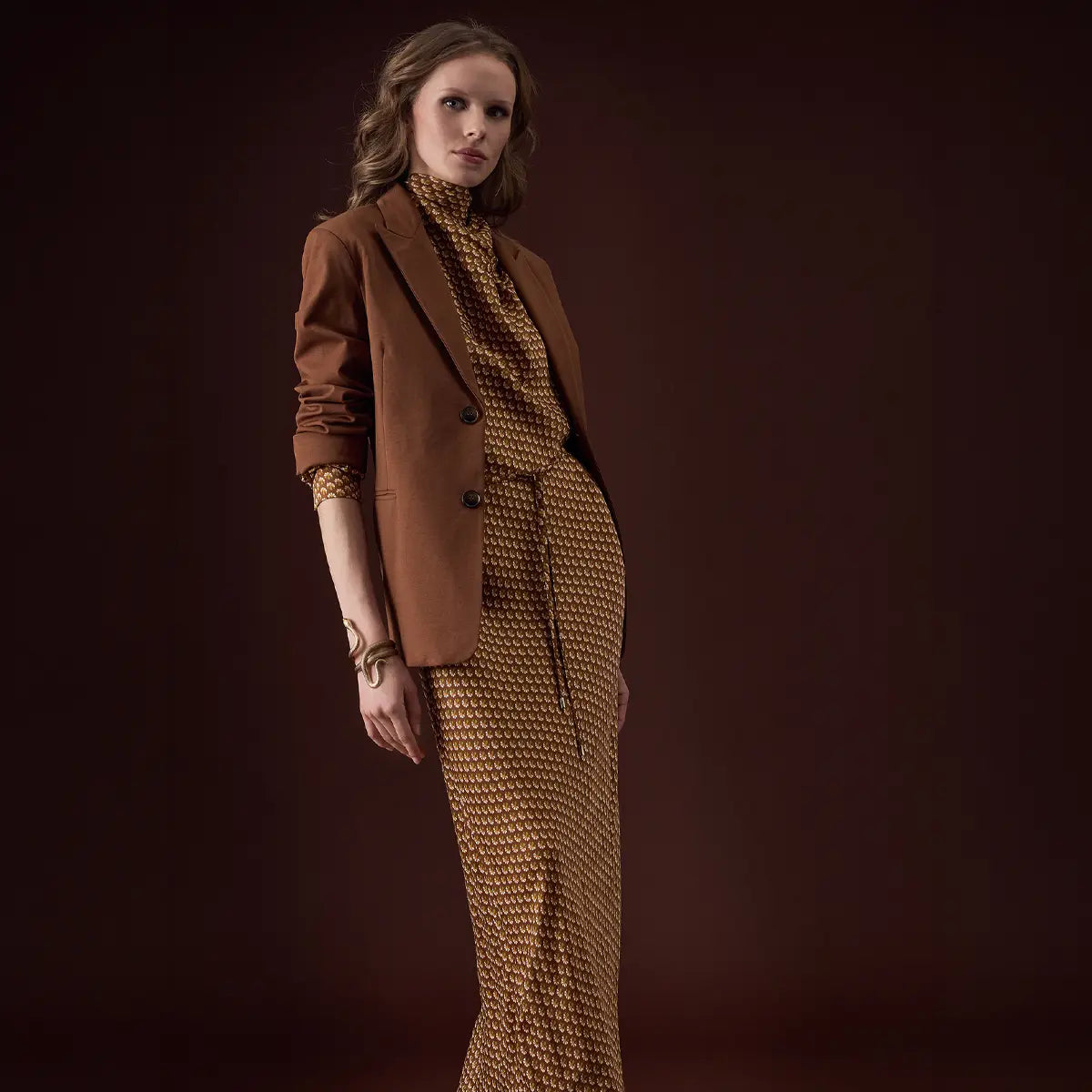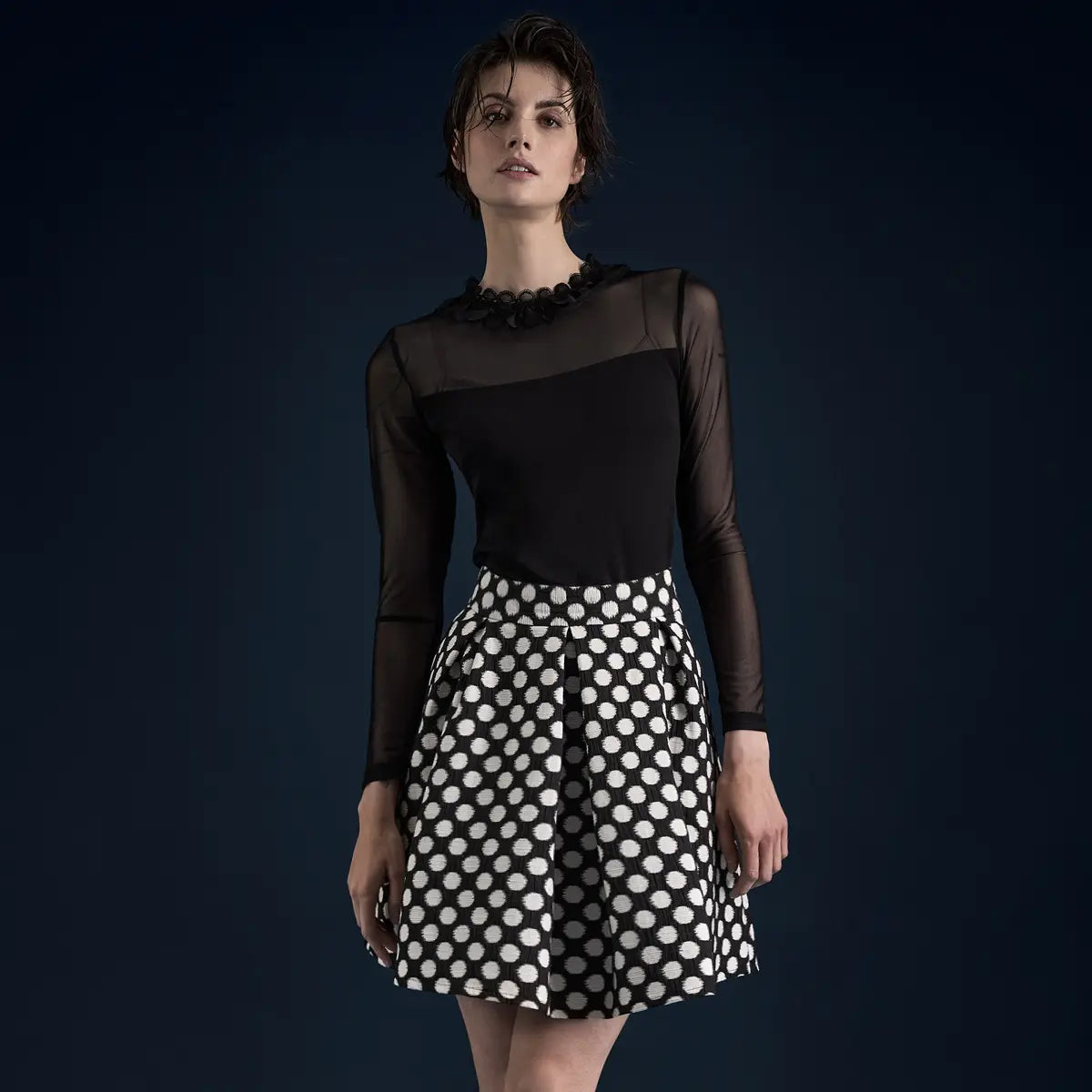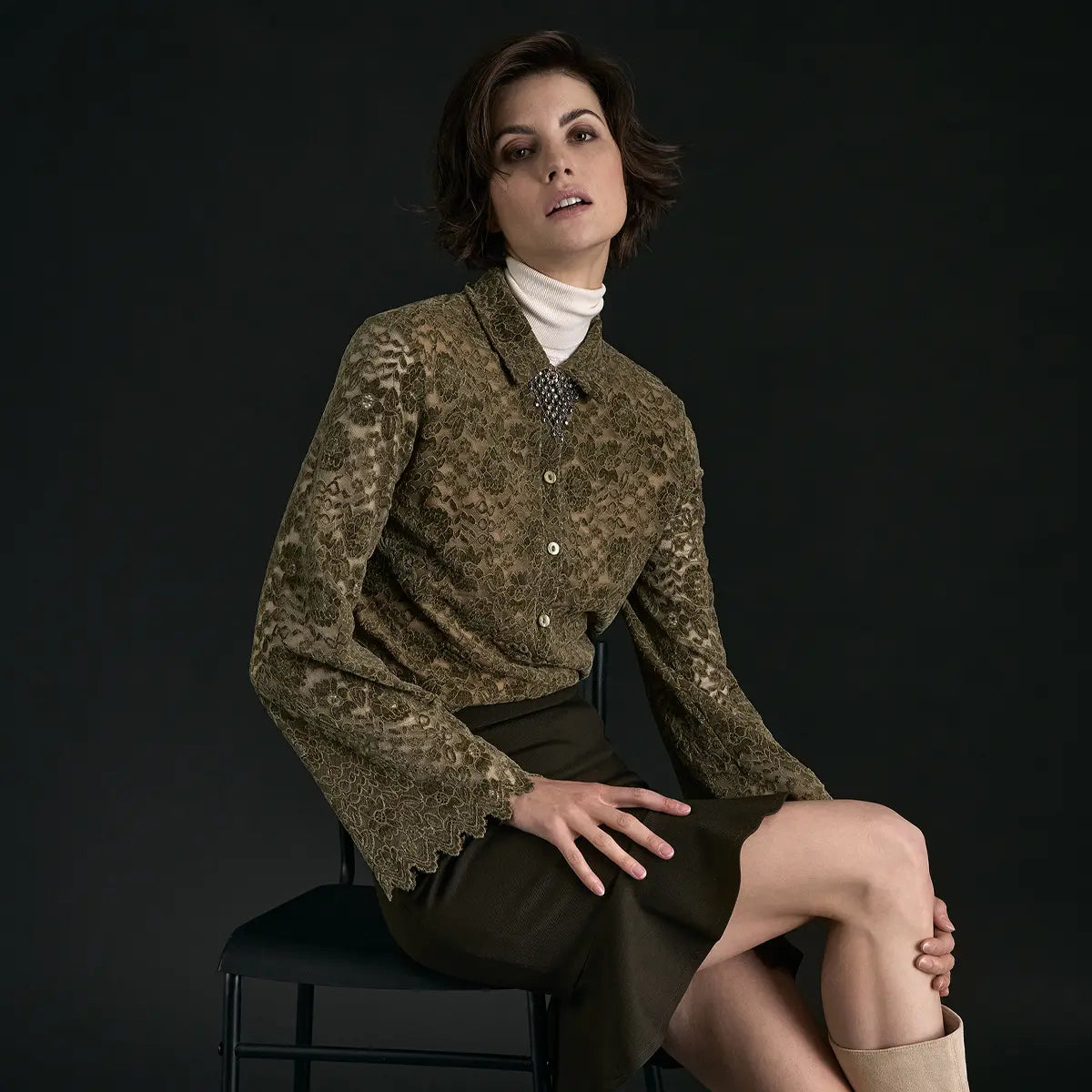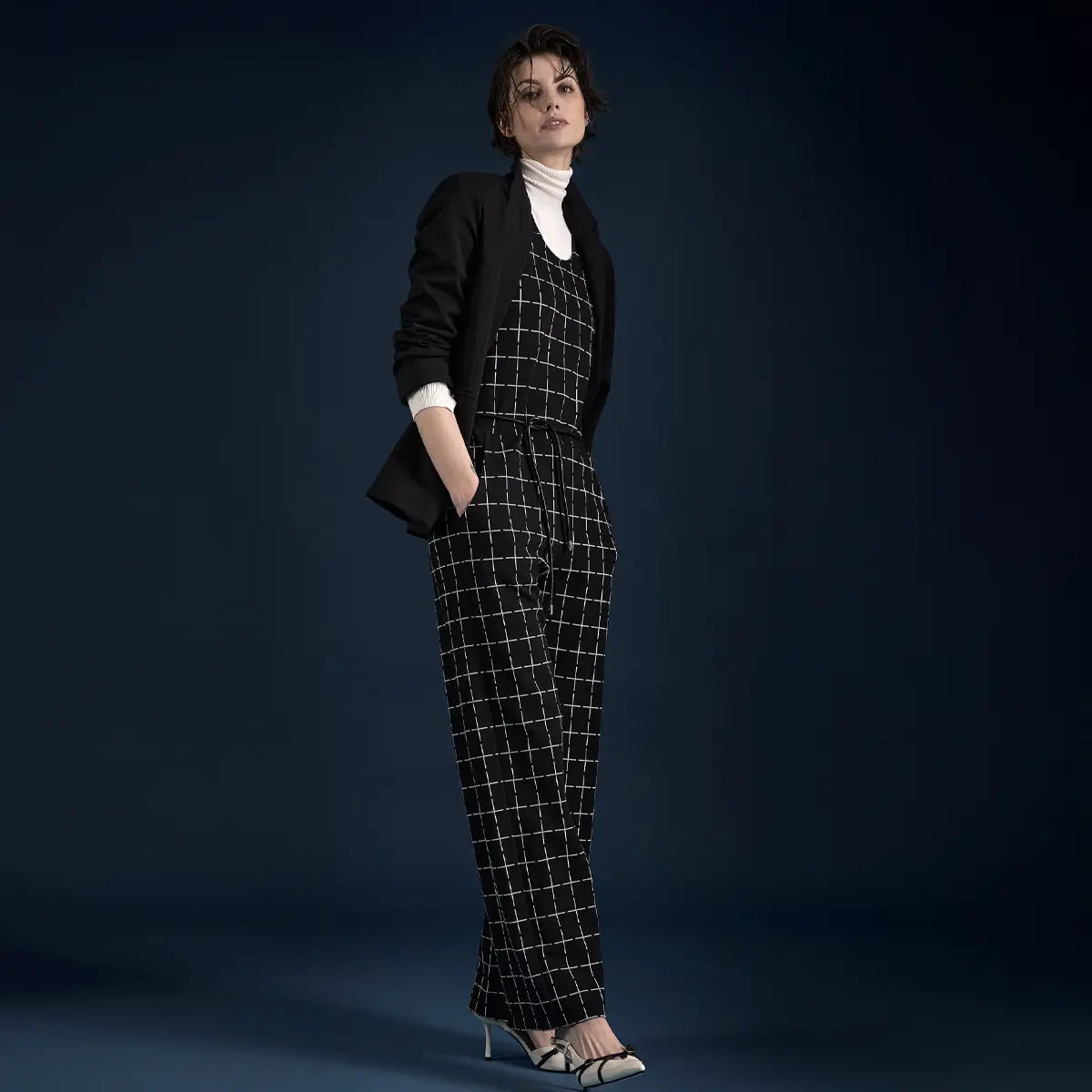


Key Points at a Glance
During a job interview, in addition to your personality, “cultural fit” is what matters most: Your outfit should suit the industry and company culture without making you feel like you’re wearing a costume. Classic colors like blue (which conveys confidence), gray, or white are safe choices. When in doubt, go for the more elegant option—and make sure your appearance is neat and well-fitted.
- The key factor is cultural fit: Adapt your look to the industry and company culture
- Safe Colors: Blue (trust), gray, dark green, white; red only sparingly
- Well-groomed, well-fitted, and—if in doubt—the more elegant choice; subtle makeup
"We'd love to get to know you."—this sentence opens the door to your dream job. And right away, the big question arises: What should I wear to make a good impression? Your look speaks volumes even before you say “Hello.” With the right strategy, it becomes your strongest ally.
In this guide:
Key Factors: Personality and “Cultural Fit” Stylistic No-Nos in a Job Interview Your Dress Code Guide at a Glance The Ideal Outfit—Here’s How to Get It Right Different industries, different customs The Video Interview Dos & Don’ts for the Job Interview Frequently Asked Questions About Job Interviews
Usually, things move quickly after you receive an invitation, and your interview will take place in the near future. To make choosing an outfit easier and ensure you’re aware of all the pitfalls, it’s worth taking a look at what really matters.
Key Factors: Personality and “Cultural Fit”
You never get a second chance to make a first impression. Your outfit should suit you and your personality—there's no point in dressing up. Through our clothing, we make a statement and convey something about our attitude. The more comfortable and confident you feel, the more authentic and present you appear.
In my view, the key criterion is “cultural fit”: If a company invites you for an interview, they usually already believe you’re qualified for the role in terms of your skills—now it’s a matter of whether you’ll fit in with the team and share the company’s values. You don’t show up at a bank wearing a T-shirt dress and open-toed sandals; at startups or agencies, on the other hand, you can leave that classic dark blue suit in the closet. So take the time to familiarize yourself with the culture of your dream company—through its website, social media, or review sites like Glassdoor and Kununu.

"Cultural fit" means the look fits the industry. Classic gray or a softer camel shade—both can be right. @KI-Illustration
A real-world example: At a smartphone bank, everyone I met was wearing sneakers—it pays to take a closer look. The higher up you go in the hierarchy, the more critically inappropriate or overly flashy outfits are judged, and too much stylistic extroversion is a liability almost everywhere. Still, the rule is: You are your own brand. The more clearly you define the impression you want to make, the more accurate your choice will be.
Stylistic No-Nos in Job Interviews
Even though we can only guess at the employer's preferences, there are a few items of clothing that are inappropriate for any job interview.
Here's what you should avoid, regardless of your industry:
Mini and maxi lengths for skirts and dresses, oversized cuts
Deep, plunging necklines, spaghetti straps, lots of bare skin (legs, shoulders)
Eye-catching, colorful prints and T-shirts with catchphrases
Sequins, rhinestones, too many embellishments, sheer fabrics
Extremely high heels and open-toed shoes (flip-flops, espadrilles, strappy sandals)
White tennis socks and too many accessories (rule of thumb: no more than nine visible items)
Dress Code Guide
Job Interview
Cultural fit is key—professional, well-groomed, and tailored to the industry and culture.
Depending on the industry
Formalities
Casual
Smart Casual
Business
Festive
A Great Evening
Gala
Creative industries tend toward smart casual; traditional industries tend toward business attire. When in doubt, go for the more elegant option.
Dress Length
Mini
Knee-length
Midi
Maxi
Color Inspiration
Blue
Dark green
Gray
White
Traffic Light for Special Occasions
Hits the right note
- Adapt Your Look to the Industry and Culture (Cultural Fit)
- Classic colors: blue, dark green, gray, white
- Well-groomed, ironed, and well-fitted—and, if anything, more elegant
With Care
- Use red sparingly
- For the video interview: solid color, neat, professional
I'd rather not
- Mini/Maxi Lengths, Oversized, Sheer
- Low-cut necklines, too much bare skin
- Eye-catching prints, sky-high heels, bold red lipstick
The Perfect Outfit—Here's How to Get It Right
Ideally, your look should reflect your commitment to your employer—while being appropriate for the industry and without compromising your personal style.
- Your outfit shouldn't differ too much from what you'll be wearing at work every day.
- A given: a neat appearance and ironed clothes.
- Choose an outfit that makes you feel comfortable—there's nothing more awkward than constantly tugging at your blouse or skirt.
- Color Tips: Don’t combine too many colors; stick to classic shades like blue, dark green, gray, or white. Blue is considered the ideal color for an interview—it conveys professionalism, trust, and social competence. Use red sparingly; black conveys competence but should be balanced with other colors.
- Wearing company colors? It’s a matter of taste. Some HR professionals see it as a sign of loyalty, while others view it as too contrived—my advice: err on the side of caution.
- Make sure it fits well and pay attention to the details (the bra shouldn't show through). When in doubt, choose the more elegant piece.
- Subtle, natural makeup (mascara, powder, blush); avoid bright red lipstick—a subtle look conveys more confidence during an interview.
Different Industries, Different Customs
Don't underestimate how differently companies operate. With your application, you've already positioned yourself in a certain direction—here's an overview of what matters where.
Where Individuality Is Key:
Marketing, Advertising, Media, Fashion
This calls for creativity; the conservative, run-of-the-mill look has had its day. Casual outfits with sneakers, fashionable touches, jeans, pops of color, or statement accessories are welcome. Stylish skirts and dresses work just as well—with or without a long blazer, but please make sure they’re above the knee. Trendy two-piece sets are also perfect.
Trust as the Foundation:
Banks, Insurance Companies, Consulting
This is about professionalism, reliability, and trust—and that’s exactly what the dress code is meant to convey. “Less is more”: Minimalist pantsuits or impeccably tailored suits set the tone, while colors like gray or navy blue symbolize competence. Subtle jewelry and classic pumps add the finishing touch.
Facts Speak for Themselves:
IT, Technology, Pharmaceuticals, Automotive
The mindset is often logical and analytical—which is reflected in simple, understated, pragmatic, and sporty looks. An overly pretentious appearance is rather uncommon.Ideal choices include a classic pantsuit with a white or finely striped blouse, or an outfit consisting of jeans, a white shirt, and a classic blazer.
This is where people come together:
Services, Food Service, Hotels, Retail
What counts here is approachability and a winning way with people. A slightly more casual outfit is acceptable: A pair of dress pants with a stylish top, or a simple dress with a blazer. Adding stylish touches that reflect your personal taste shows that you care about your appearance—which is ideal for interacting with customers.
Commitment Matters:
Public Service, Education
Understanding, sensitivity, and empathy are essential here—outfits that convey perfection and aloofness seem out of place. A dress or skirt paired with a blouse and a silk scarf is ideal: feminine, but not too conservative. Flat shoes symbolize the necessary down-to-earth attitude.
The video interview " "
Many companies conduct interviews via Teams, Zoom, or Skype. Pay attention to the lighting—diffused light coming from the front is ideal—and choose solid-colored tops and blazers. Keep your outfit simple and formal, and be sure to avoid bold patterns.

Your appearance matters in video interviews, too: a fresh shade of light blue comes across as friendly and professional on screen. @AI-Illustration
The Right Background for a Video Interview
No matter how carefully you choose your outfit, what’s behind you also plays a role during a video call. The background is part of the first impression you make and should support you, not distract you. These three options work reliably:
1. The neutral wall. The safe choice: a simple, understated wall in white, cream, or a muted shade. It doesn’t distract from the conversation and gives off a neat and professional vibe. Make sure the wall doesn’t look bare and sterile—a single framed picture or a plant in the corner adds warmth without making the space feel cluttered.
2. The tidy bookshelf. A well-stocked bookshelf subtly conveys competence and personality—provided it’s neat and not crammed full. A few books, a plant, a beautiful object: these add depth without creating a cluttered look. Avoid displaying personal items that raise questions or reveal too much about you.
3. The softly blurred space. A naturally blurred background—whether achieved naturally by the camera or using the subtle blur effect in your video software—puts you clearly in focus. This creates a modern and calm look. I advise against using fake, stock backgrounds (like a beach or an office stock photo): They flicker at the edges and can quickly come across as unprofessional.
Other things to keep in mind: Ideally, the light should come from the front—with a window in front of you rather than behind you; otherwise, you’ll be sitting in the shadows. Keep the frame clean (no door in the way, no bed in the shot), tidy up anything visible behind you, and test your camera and background beforehand using your preferred video tool. That way, the overall impression will be just right before you say your first “Hello.”
A Quick Summary: Dos and Don'ts for Job Interviews
Adapt Your Look to the Industry and Company Culture (Cultural Fit)
Classic Colors: Blue, Dark Green, Gray, White – Blue conveys a sense of trust
Well-groomed, ironed, and well-fitted; the bra must not show through
When in doubt, choose the more elegant piece
Subtle, natural makeup
For video interviews: solid color , clean, formal, with diffused front lighting
Don'ts
Mini/maxi lengths, oversized cuts, sheer fabrics
Low necklines, spaghetti straps, too much bare skin
Eye-catching prints, slogan T-shirts, sequins, and rhinestones
Extremely high heels and open-toed shoes (flip-flops, espadrilles, strappy sandals)
White tennis socks, accessory overload (max. nine visible items)
Bold red lipstick; striking patterns in the video interview
My conclusion: Your ideal look for a job interview depends on several factors: the industry, the company’s culture, and your personal taste. The trick is to strike the right balance while staying true to yourself—a delicate balancing act. Once you’ve thought this through, there’s only one thing left to do: feel completely comfortable in your outfit. I’m keeping my fingers crossed for an enthusiastic “Congratulations, you got the job!”
You Ask, We Answer – Frequently Asked Questions About Job Interviews
What should you wear to a job interview?
A look that fits the industry and company culture without making you feel like you're wearing a costume (cultural fit). Stick to classic colors, a polished, well-fitted look, and when in doubt, choose the more elegant piece.
What's the best color to wear to a job interview?
Blue is considered the ideal color—it conveys professionalism, trust, and social skills. Gray, dark green, and white also work well. Use red sparingly, and break up black outfits with coordinating pieces.
What should I avoid during a job interview?
Mini and maxi lengths, oversized cuts, plunging necklines, bold prints, too much bare skin, sky-high heels, sequins, open-toed shoes, sheer fabrics, and too many accessories (a maximum of nine visible items).
Are there differences in dress codes across industries?
Yes. In creative industries, a more casual look is acceptable (sneakers, pops of color); banks and consulting firms require minimalist pantsuits or suits in gray or blue; IT and technology call for a pragmatic, simple style; the service industry favors an approachable, casual look; and the public sector and education sectors prefer a feminine and down-to-earth style.
What should I wear for a video interview?
Solid-colored tops and blazers—clean and formal, without bold patterns. Make sure to have soft, diffused light coming from the front so that both you and your outfit look their best.

Christine Schmitz
My love for fashion and communication led me to Ana Alcazar—having cut my teeth as a copywriter and concept developer in traditional advertising, I’ve been writing for our Munich-based designer label for over 10 years. On the editorial team, I’m responsible for all corporate topics, and I also focus on current trends and my passion: gender equality.
Between Image and History
Sometimes a story needs more than a photo can convey. That’s why some of the images in this article were created using artificial intelligence (AI)—curated, inspiring, and always in the spirit of “Wear your Story.” The AI-generated images are clearly labeled next to each photo.