


Breaking the Rules in Fashion—How to Skillfully Mix Materials, Colors, Patterns, and Styles
|
|
|
Time to read 12 min
|
|
|
Time to read 12 min
Mixing styles is the secret to creating looks with that certain something. Surprising combinations that don’t seem to go together can turn a plain outfit into a statement. But there’s a fine line between “skillfully mismatched” and “randomly thrown together.” Here, we’ll show you step by step how to deliberately contrast materials, colors, patterns, and styles—without making your look feel cluttered.
A “style break,” “stylistic clash ,” or “no-dress code” refers to the deliberate combination of fashion styles that, due to their contrasts, don’t seem to go together. It is, in other words, a calculated disharmony that can be expressed through colors, materials, patterns, or surprising combinations of cuts. It is precisely this exciting contrast that makes creative outfits distinctive.
Distinctive individual elements create focal points, Secondhand pieces complement elegant designer looks, and your favorite distressed jeans are paired with a romantic dress. The outfit no longer comes across as a carefully composed look, but rather resembles a collage—one that is, however, completely harmonious in itself.
The rules of cross-dressing are subtle. Because what looks like it was randomly pulled out of the closet is actually planned with a lot of skill in mixing and matching. In theory, a “no dress code” allows for anything: pink with orange, brown with black, stripes with houndstooth. But even when mixing styles, there’s a lot that can go wrong—our styling guide shows you how to pull off the look.
Welcome to the realm of virtually limitless possibilities. To pull off a style clash, you need, above all, a confident sense of style—after all, you want to highlight your unique look. But don't worry: there are clear guidelines you can follow.
A classic example is pairing a playful summer dress with a rugged leather jacket. If you were to style each look on its own to the extreme, it would quickly become too much: the summer dress with feminine sandals and a cardigan can easily look too girly, while the leather jacket with boots, leather pants, and studs can look too extreme. The magic lies somewhere in between.
The simple rule of thumb: Pick your favorite piece and think about how you’ve styled it so far—more elegant, classic, or sporty? Then break up that look by adding a contrasting piece. It doesn’t have to be much: a pair of shoes, a bag, or a jacket. To create your cross-dressing look, you can focus on four key points:
Material • Color • Pattern • Style
Choose a clear main direction and break it up with just one contrasting element. You can experiment with the slider below to find out exactly how much contrast is just right.
A successful stylistic contrast isn't determined by what you mix, but by how much. Choose a pair of opposites and adjust the balance: at either end, the look appears pure; in the middle, it quickly becomes disguised—the magic lies in between, when a clear main direction is broken by just one accent.
The most important rule when mixing styles is moderation. Break up a look with just one contrasting piece. Sneakers with a suit make a statement—but pairing half a tracksuit with half a business suit can quickly make you look like you’re in costume. Stick to an 80/20 mix rather than 50/50.
There’s almost nothing you can’t do here. Materials that don’t seem to go together at first glance often create the most exciting outfits. The basic rule: coarse with fine, smooth with rough, and shiny with matte create exciting contrasts.
Especially during the transitional seasons—spring and fall—it’s easy to create exciting layered looks using different materials: simply combine your favorite summer pieces with your winter favorites. A shiny strappy maxi dress with a black wool turtleneck and thick tights. Or a summer tulle skirt with a long-sleeved linen shirt and a faux leather jacket.
Velvet is also exciting: Pair it with rustic, sporty, functional fabrics—such as corduroy pants with a windbreaker and leather booties. But let’s start with something simpler: A skin-tight knit dress paired with a patent-look fanny pack quickly creates a modern contrast. Or add another luxurious material with a silk scarf.
Colors always make a statement and are deeply emotional. My tip: When breaking with convention using colors, go with your gut. If you combine your favorite shades in a completely different way, you can’t go far wrong. The color wheel can serve as a guide—by following three simple rules, you can use it to put together any look:
Rule 1 – Harmony (Neighbors): Colors from the same color family that are adjacent to one another on the color wheel always go well together. They create a calm and elegant look—tone-on-tone. But that’s not really a break in style yet.
Rule 2 – Contrast (opposite): If you want to create accents, complementary colors are ideal—that is, the shades that lie directly opposite each other on the color wheel. Yellow and blue, red and green. That’s what really breaks up the color scheme.
Rule 3 – Triad (Triangle): If you want to wear three colors, imagine a triangle on the color wheel. This combination creates an exciting overall look—when used in moderation.
Blue pants pair perfectly with a bright orange sweater. If you want to create a bold contrast, wear orange with pink or shades of beige. Did you think green and blue don’t go together? They do when you mix colors. Contrasting ankle boots in fiery red or dark mustard yellow highlight the boldness of this style clash. By the way, you can find more about specific color combinations in our guides on mixing colors.
The color wheel shows you at a glance which colors go well together. Tap a color to switch between the three basic rules: harmonious adjacent shades from the same color family, high-contrast complementary colors (directly opposite each other), and the balanced triad of three colors.
When breaking up a color scheme, contrast is what creates visual interest. Adjacent colors look harmonious (tone-on-tone), while opposite complementary colors create a true contrast. It’s best to use the contrasting color as an accent—on shoes, a bag, or a scarf.
Checks, stripes, ethnic prints, polka dots, floral patterns, animal prints—mixing and matching different prints is a major trend. Great patterns don’t just look good on their own—they also look great when creatively mixed and matched. You can create an eye-catching look in no time.
If you want to ease into the trend, start with vertical and horizontal stripes: a top with horizontal stripes, pants with vertical stripes, and sneakers. The same goes for polka dots—for example, a skirt with large dots paired with a top with small dots.
The real art comes into play when you combine different patterns to create style clashes. Don’t forget: prints love contrasts. Pair eye-catching prints with particularly simple patterns. And here’s a simple trick: if the patterns come from the same color palette, there are no limits to your creativity. A common shade runs through your outfit like a common thread. Leopard print with stripes, florals with checks, snake print with ethnic patterns, or paisley with polka dots—these are all perfect pairings for mixing styles.
When mixing patterns, it’s best to avoid mixing additional styles. A sophisticated checkered blazer paired with an elegant floral dress works—but a romantic ruffled blouse with leopard-print joggers probably doesn’t. And: Keep accessories understated in general.
We've been exploring the mix-and-match style as a trend for quite some time now—and it's my top tip for combining contrasting styles to great effect. The blend of sophisticated and casual is a winning formula for cool casual looks. The best example: hoodies under blazers, paired with slim-fit pants and combat boots.
No matter which styles you choose—from elegant to casual, rustic to feminine, minimalist to playful: The idea is to mix and match clothing items from different fashion styles. Ideally, you should choose just one piece in a different style for your entire outfit.
Wearing sneakers with a business suit has long been the norm. The choice of sneakers varies depending on the suit’s color—white and black always work, and for an elegant jumpsuit in the evening, metallic shades are also an option. Elegant or romantic maxi dresses with large prints also pair perfectly with the casual sneaker trend.
Fall is the peak season for breaking with convention: Extend the season for your favorite summer dresses by layering a long-sleeved shirt under a spaghetti-strap dress. Pair it with boots and a short leather jacket for a great look. Many outfits get an exciting twist with just one piece from the athleisure section—such as a gold pleated skirt paired with an XXL hoodie, or athletic leggings with a white chiffon top, blazer, and sneakers.
Winter or summer? It doesn't matter! With some cozy pieces, you can transform any summer look into an extraordinary fall style. Wear this delicate knit sweater over a strappy dress or draped casually over your shoulders—and you won't even notice the temperature outside anymore.
Hard and tender at the same time: Chunky boots with platform heels or rugged soles are paired with feminine pleated skirts or romantic millefleurs dresses in mini, midi, or maxi lengths. The contrast between bold and delicate creates exactly the kind of tension that makes a look unforgettable.
It doesn't get much more exciting than this: A mix of different prints that break with convention turns every look into an eye-catcher. Pair an eye-catching print with a simpler one—and tie them together with a shared color palette. That way, the mix looks intentional rather than random.
No other material lends itself as well to style contrasts as leather. The key difference lies in the contrast between delicate fabrics like lace or chiffon and coarser materials like knitwear. Pair a delicate lace dress with a biker jacket—and the look instantly takes on a certain edge.
It takes a bit of fashion sense—but when done just right, mixing seemingly contrasting styles can create truly unique outfits. Pair a tight sequined top with loose gray sweatpants and high heels. Wow!
When it comes to materials, anything goes here, too. Take one of your standard outfits as a base and replace one piece with an athleisure look—such as the gold pleated skirt paired with an XXL gray hoodie. Voilà: A look that's both comfortable and stylish.
Pairing classic office looks with sneakersadds just the right touch of fashion-forward flair. It’s a style mix that’s long since become a staple—perfect for Casual Friday or after-work get-togethers. A blazer, dress pants, and a pair of clean white sneakers: you’re all set.
Break up a look with just one contrasting piece
Choose a clear main focus (80/20 instead of 50/50)
Contrasting materials: coarse versus fine, glossy versus matte
Use Complementary Colors to Create Bold Color Accents
When Mixing Patterns Combine Eye-Catching Pieces with Simple Ones
Combine prints from the same color family
Mixing tough and delicate styles (combat boots with a dress)
Use accessories strategically to add accents
Styling a favorite piece in a deliberately unconventional way
Trust your gut and give it a try
Mixing two completely different styles 50/50— it looks like you're wearing a costume
Too many contrasts at once (material + pattern + color + style)
Overloading the pattern mix with a mix of styles as well
Choosing accessories that are too dominant when mixing patterns
Avoiding contrasts entirely —no twist, no suspense
Mixing colors randomly, without following the color wheel logic
Ignore Proportions and Silhouette When Layering
More than one bold statement piece per look
Force a break in style if it doesn't feel right
My conclusion: Breaking the style mold is the ultimate art of mixing and matching—and it’s easier than it looks. If you choose a clear main theme and break it up with exactly one contrasting piece, you’ll almost always get it right.
The secret: It’s not about what you mix, but how much. Coarse versus fine, glossy versus matte, elegant versus casual, complementary colors as accents—when used in just the right amounts, it’s precisely these little contrasts that make all the difference. Try it out for yourself right now using the color wheel and the “style clash” slider at the top.
A style clash is the deliberate combination of styles, materials, colors, or patterns that don’t seem to go together. This calculated disharmony creates tension and makes a look unique. It’s important that the clash looks intentional rather than random—that’s what turns a plain outfit into a statement.
It’s all about balance. Choose a clear main style—such as elegant or sporty—and break it up with just one contrasting piece. A pair of sneakers with a suit or a leather jacket with a summer dress is enough. A 50/50 mix of two completely different styles, on the other hand, can quickly look like you’re just dressing up.
For a bold break from your usual color style, try complementary colors—those that lie directly opposite each other on the color wheel, such as blue and orange or red and green. Colors that are adjacent to each other within the same family, on the other hand, create a harmonious and calm effect. It’s best to use the contrasting color as an accent—for example, on a pair of shoes, a bag, or a scarf.
The most common mistake is a lack of balance: If you mix two distinct styles on equal footing or clash materials, colors, patterns, and styles all at once, you’ll quickly end up looking like you’re wearing a costume. The second mistake is the opposite—a look that’s completely uniform without any contrast ends up looking boring. The key lies somewhere in between.
Christine Schmitz
My love for fashion and communication led me to Ana Alcazar—having cut my teeth as a copywriter and concept developer in traditional advertising, I’ve been writing for our Munich-based designer label for over 10 years. On the editorial team, I’m responsible for all corporate topics, and I also focus on current trends and my passion: gender equality.
Sometimes a story needs more than a photo can convey. That’s why some of the images in this article were created using artificial intelligence (AI)—curated, inspiring, and always in the spirit of “Wear your Story.” The AI-generated images are clearly labeled next to each photo.
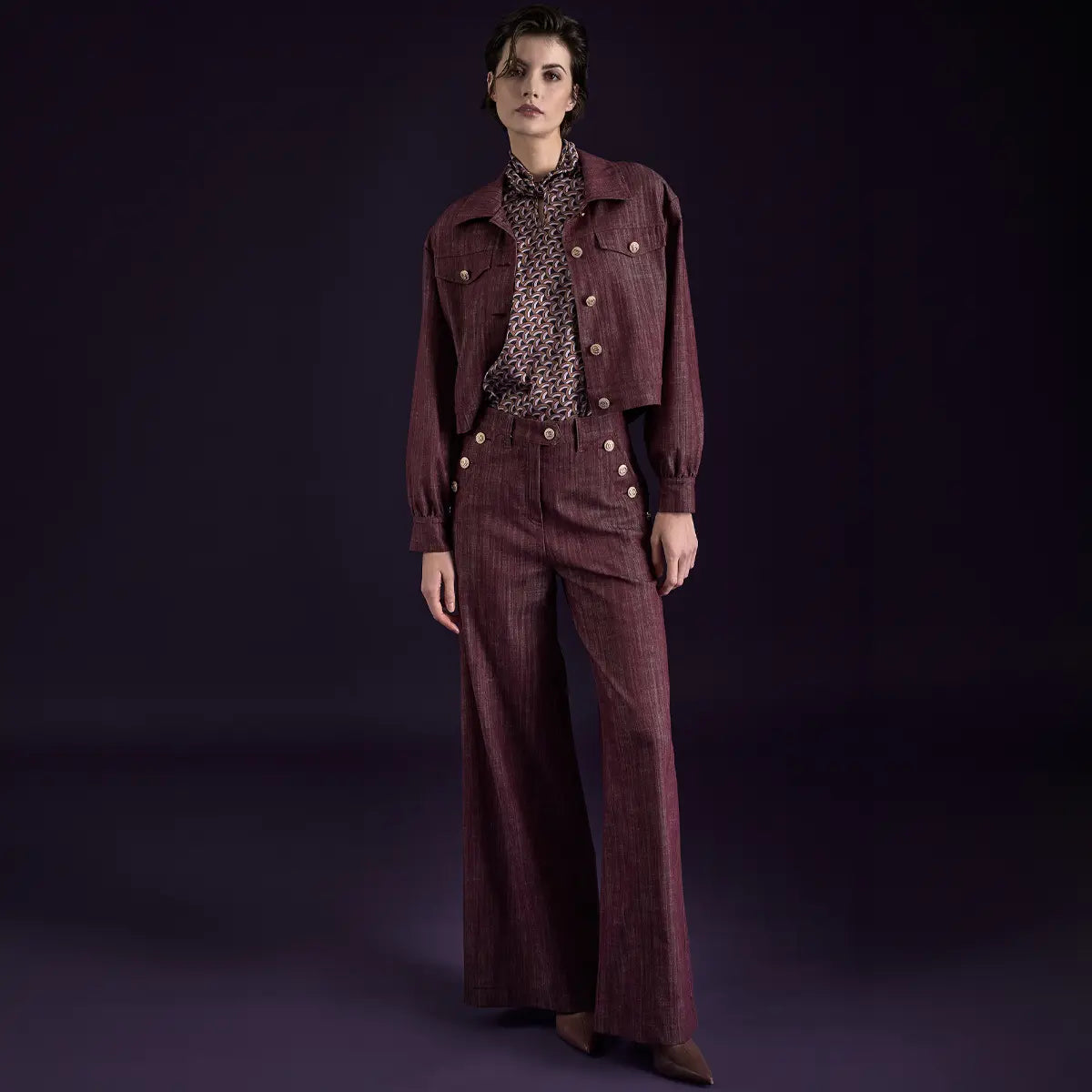
Trouser Shapes Guide
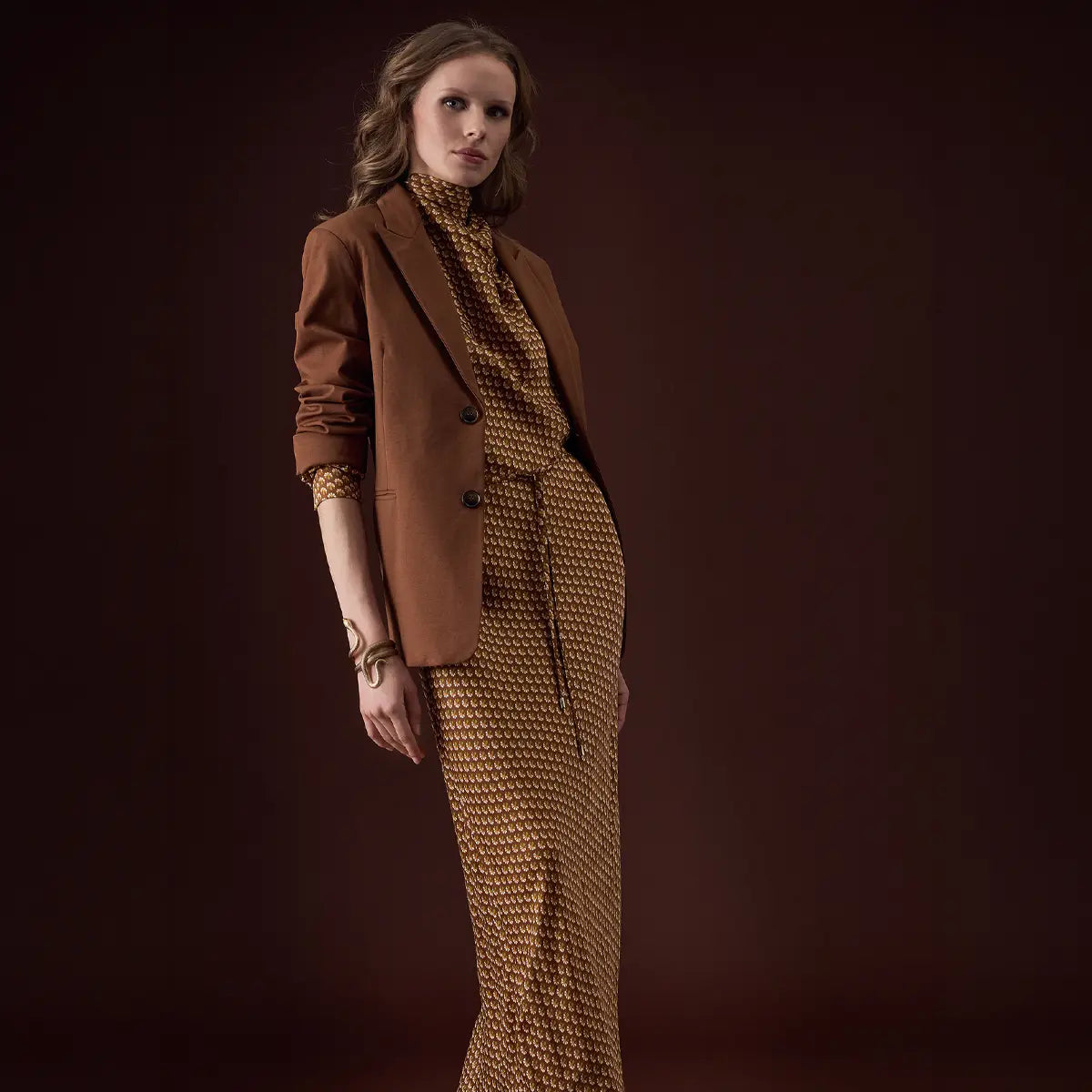
Dress Shapes Guide
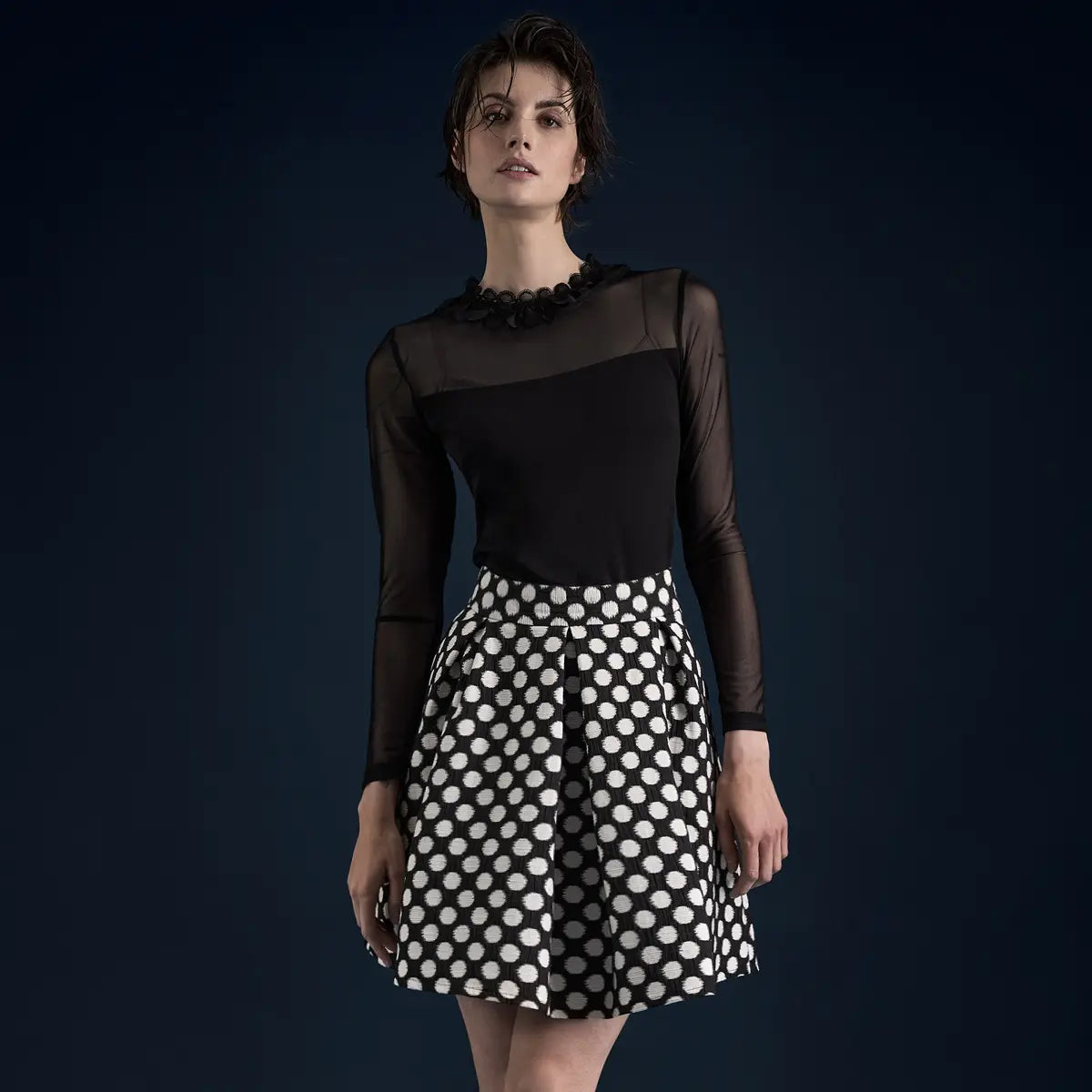
Skirt Shapes Guide
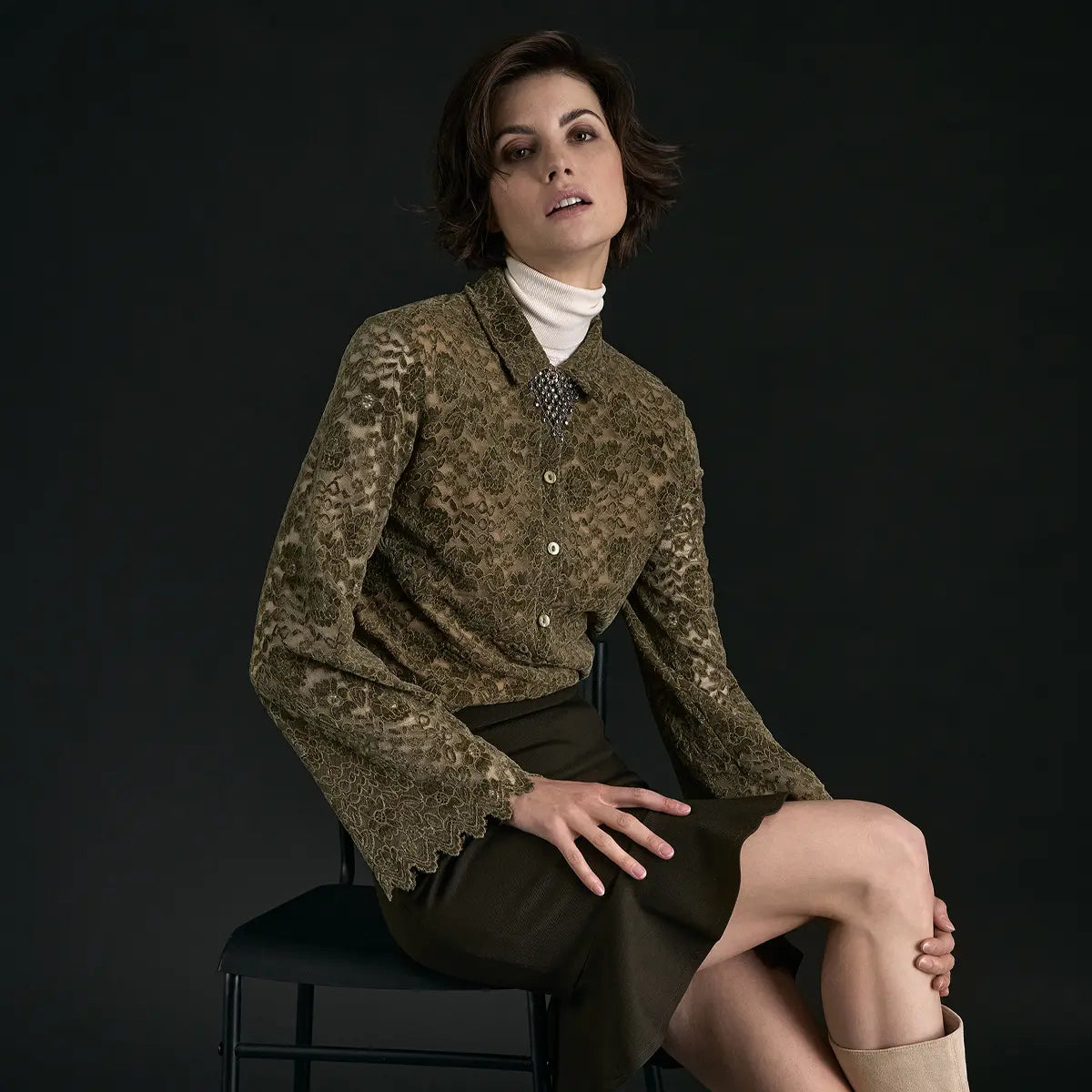
Top Form Guide
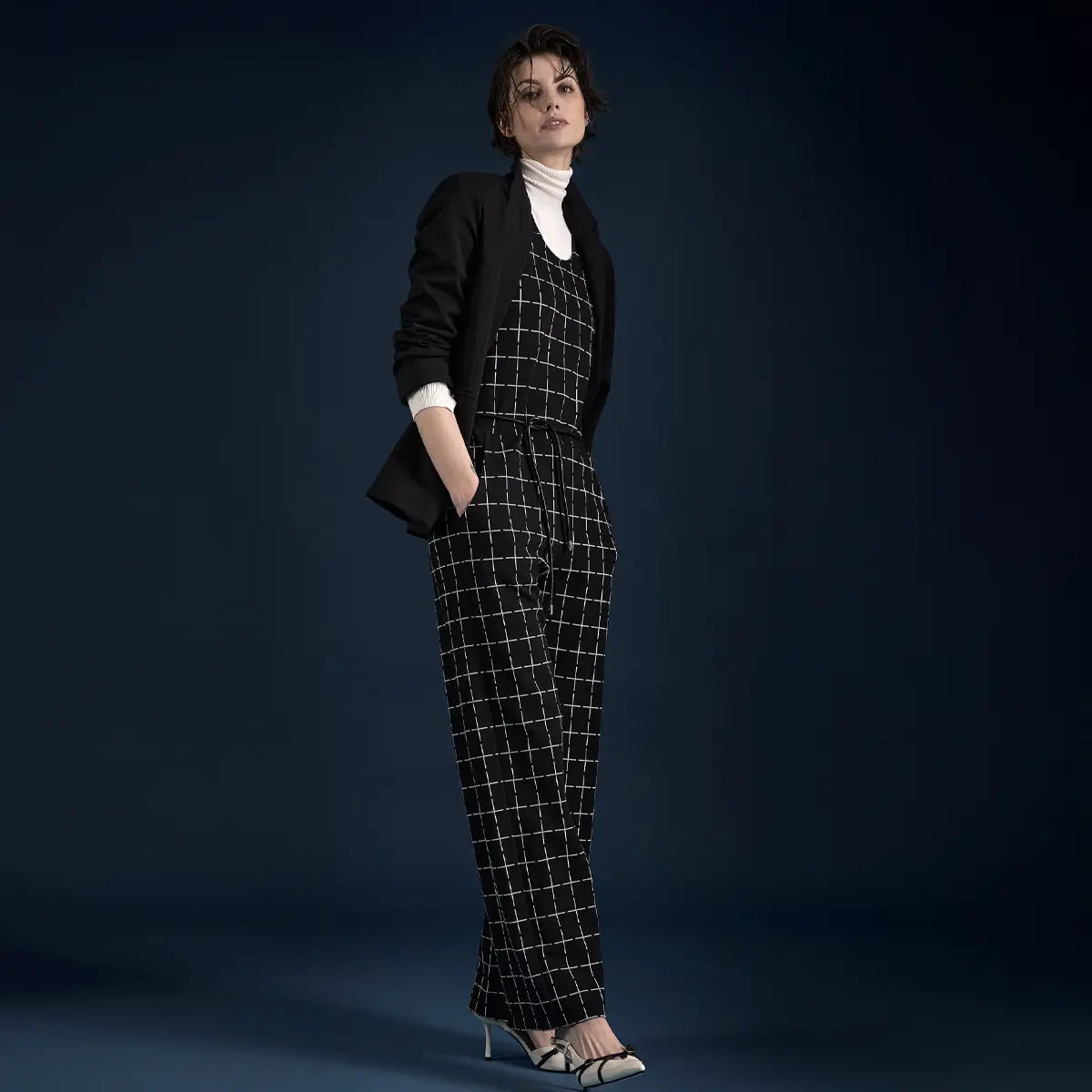
Jumpsuit Types Guide


