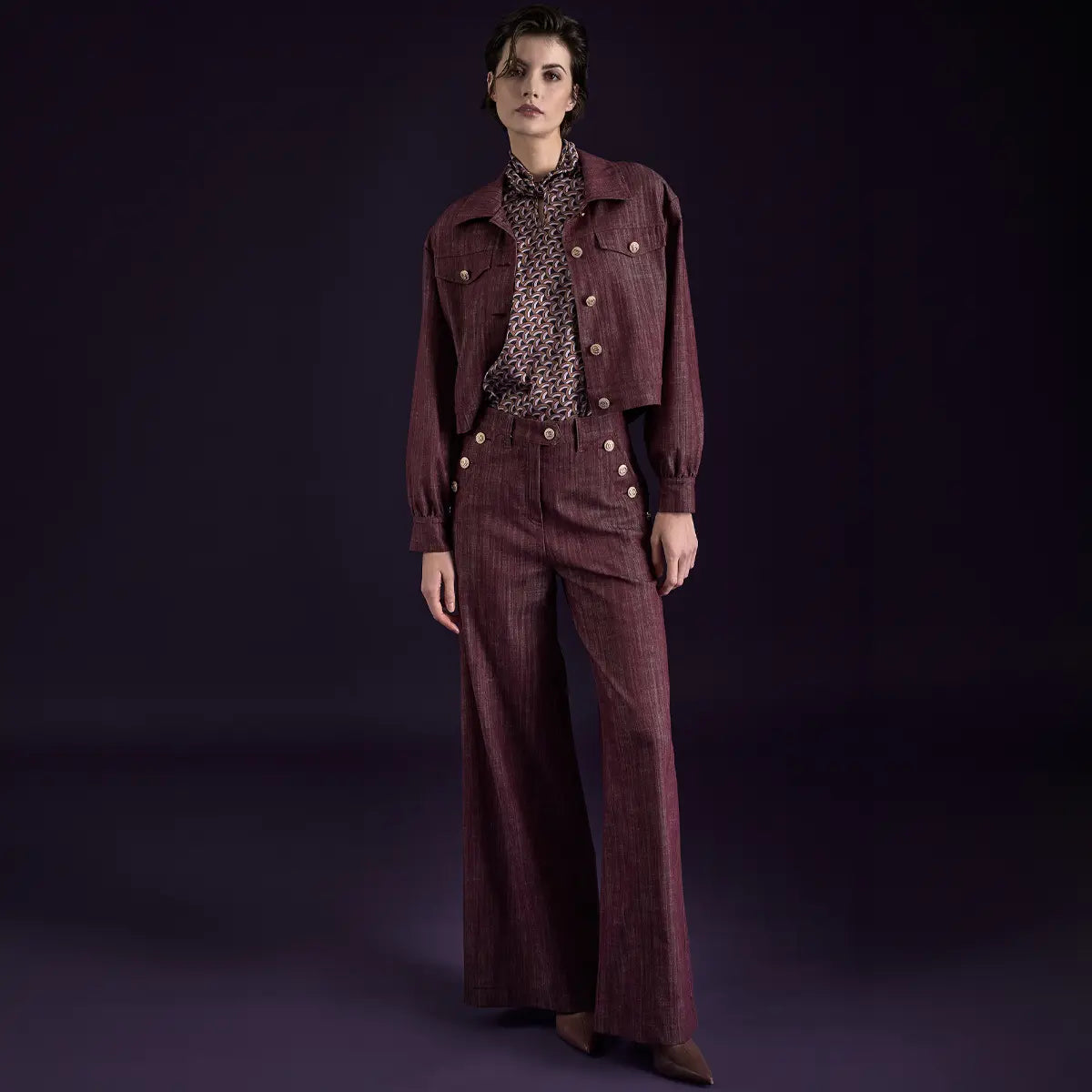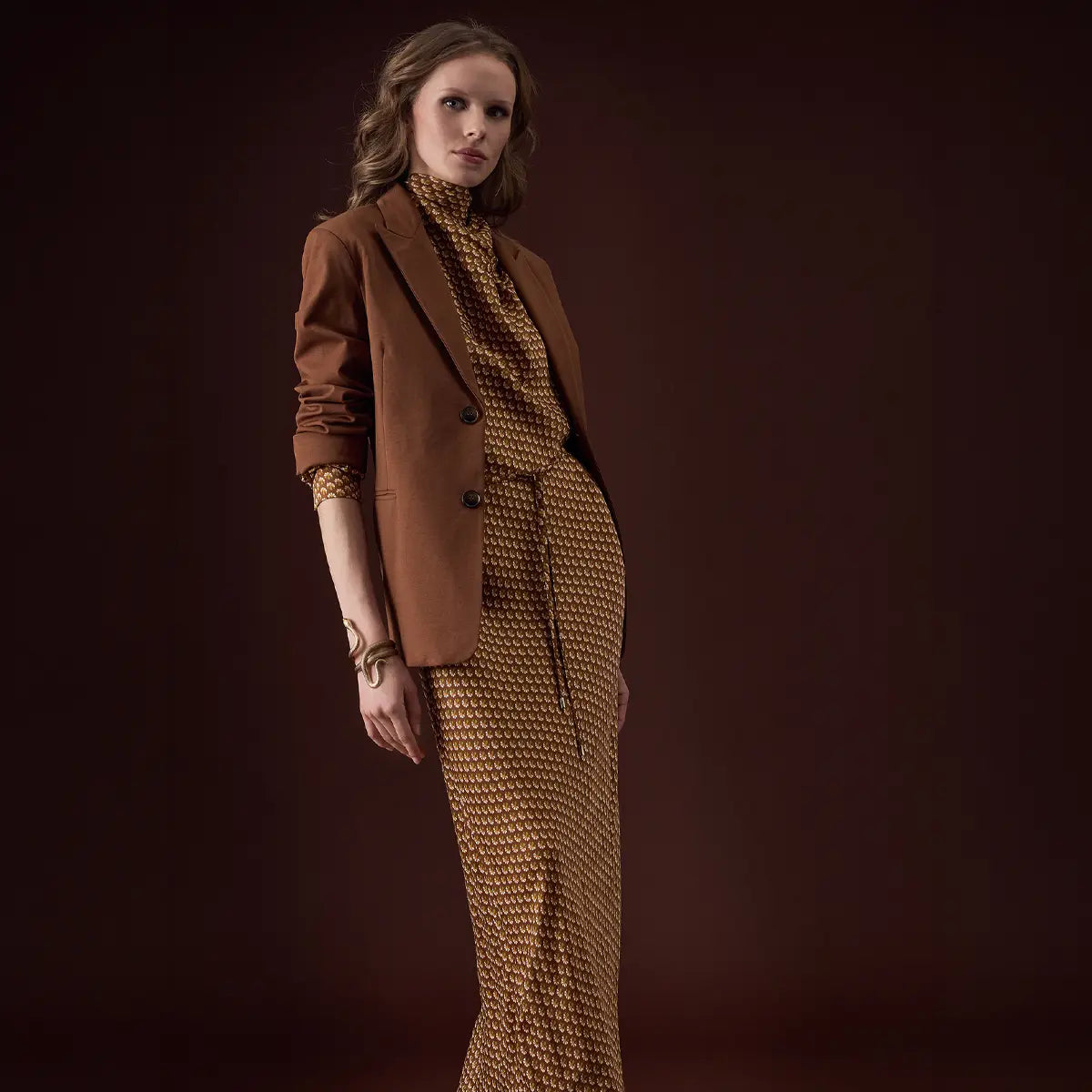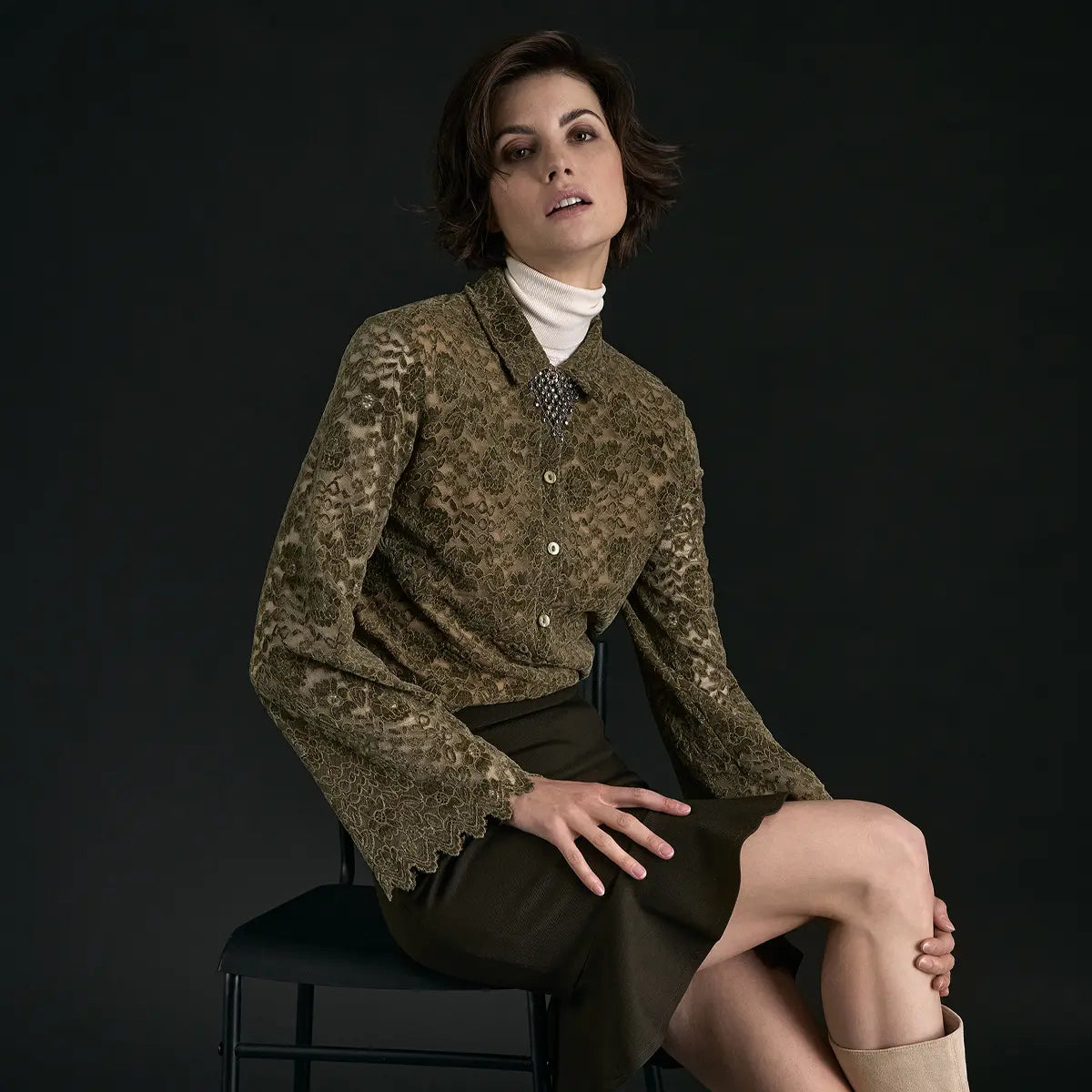


It’s the ultimate trend for anyone who’s a hippie at heart. Romantic, nature-loving, idealistic, and unconventional—that’s what defines the boho look.
Incidentally, the name of the look comes from the French word “Bohème,” which originally meant “Gypsy.” The word was used pejoratively to refer to the so-called “traveling people,” who, with their colorfully painted wagons and brightly colored clothes, had been on the margins of society for centuries. In the 1960s and ’70s, however, the term “Bohème” came to refer to a subculture of predominantly left-liberal intellectuals who were believed to behave in a “gypsy-like” manner. Women such as Simone de Beauvoir, the pioneer of modern feminism, were, for example, considered part of the bohemian scene.
Sustainable, culturally diverse, and romantic—that’s what defines the boho look
Bohemians have always been the nonconformists, the artists, the idealists, the romantics—in short, the forerunners of the hippie movement. Today, the term “Bohemian” stands for an unconventional, nonconformist, and artistic lifestyle—and for the fashion that goes with it. Just like any subculture, the Bohemians and the hippies had their very own signature look: They collected their clothes and accessories from flea markets and distant lands, drew inspiration from various cultures, and incorporated all of that into their style. Today’s boho fashion does exactly the same thing: Whether it’s an ethnic look, a hippie look, or a boho look—it all means the same thing: a colorful mix of diverse pieces that all exude one thing above all else: a zest for life. These three characteristics are particularly important for the boho look:
Natural Materials
One of the defining features of the boho look is, above all, natural materials. Whether it’s linen, silk, (organic) cotton, or raffia—what matters most here is high quality. Boho isn’t just a fashion trend; above all, it’s a way of life that values sustainability. Accordingly, boho chic often consists of secondhand clothing from thrift stores and/or fair-trade garments.

A Focus on Natural Materials: Linen, Crochet, Raffia, and Wood—Boho Thrives on Authentic Fibers @KI-Illustration
Connection to Other Cultures
Another hallmark of the boho look is its diversity. True bohemians are interested in other cultures and incorporate their traditional elements into their own style. Whether it’s embroidered blouses, flowing kimonos, or full-skirted dresses—the boho look is always a blend of many ethnic elements.

Connections to Other Cultures: Paisley, Embroidery, and Layered Jewelry—Boho Celebrates Craftsmanship from Around the World @AI Illustration
Pure Romance
And the third characteristic? Without a doubt, boho-chic is perhaps themost romantic look of all. While the focus in the 1970s was more on nonconformity, the boho style is embraced much more subtly today than it was back then. And it’s also more romantic: flowing dresses in natural colors, paired with a touch of lace, a few ethnic patterns, and plenty of vintage jewelry—and there you have the boho look.

Romantic boho: delicate lace, natural tones, vintage jewelry—soft rather than austere @KI-Illustration
How to Pull Off the Boho Look
The boho style is as unique as the person wearing it, but there are a few key elements that always work:
Maxi dresses: Airy maxi dresses in white or earth tones are among the most essential boho pieces. Pair them with a denim jacket and gladiator sandals for a relaxed, feminine look.
Denim Shorts: Denim shorts are a versatile boho classic and pair especially well with floral blouses, tunics, or loose-fitting tops.
Embroidery & Lace: Ethnic embroidery, lace, and crochet details give outfits that signature boho aesthetic and lend them a handmade feel.
Bags: Embroidered bags, raffia bags, or fringed styles instantly add a boho touch to even the simplest outfits.
Jewelry & Hats: Layered jewelry made of metal and natural materials is just as much a part of the look as straw hats, felt hats, or '70s-style hairbands.
Shoes: Flat leather sandals, ankle boots, clogs, or cowboy boots in natural tones add a particularly authentic touch to the look.
Makeup: Natural makeup featuring a sun-kissed complexion, subtle berry tones, and a soft glow accentuates the relaxed boho vibe.
Fringes: Jackets, vests, or bags with fringe add movement to your look and a touch of festival flair.
Tunics & Kimonos: Flowy tunics and patterned kimonos are ideal layering pieces and are among the most popular boho essentials.
The boho look is a classic festival style. But it’s also perfect for everyday wear. Whether at the office, at college, or in your free time—boho really works anytime, because the look is more of a lifestyle than a fashion trend, so you can mix and match individual pieces however you like.
As a rule of thumb in everyday life: You should pair no more than one boho piece with neutral items such as solid-color blouses, shirts, or pants.
Discover gorgeous boho dresses
Styling Do's & Don'ts for the Boho Look
Opt for natural materials such as linen, cotton, crocheted fabrics, or suede.
Combine flowing silhouettes with ethnic prints, embroidery, or lace.
Wear jewelry in a layered look for a relaxed, boho vibe.
Choose warm natural tones, earth tones, and soft patterns.
Incorporate fringes, kimonos, or maxi dresses as signature key pieces.
Don'ts
Avoid wearing too many eye-catching patterns and statement pieces at the same time.
Avoid stiff, heavily structured, or very formal cuts.
Avoid too much glitter, glamour, or business-related elements.
Don't overload the look with jewelry and accessories.
Don't just mix and match boho pieces at random—the look thrives on a harmonious, relaxed overall effect.
You Ask, We Answer – Frequently Asked Questions About Boho Styling
How can I pull off the boho look without looking like I'm at a festival?
The key is balance. Pair one or two classic boho pieces—like an embroidered blouse or a kimono—with modern basics and high-quality accessories to give the look an urban, sophisticated feel.
How can I stylishly combine boho and Western elements?
Cowboy boots, suede jackets, or belts with statement buckles perfectly complement the boho style. It’s important to focus on just a few Western elements so the look remains harmonious.
How can I mix and match multiple patterns without looking overdressed?
The rule of thumb for advanced boho styling is to vary the scale rather than the color. A large-scale paisley pattern pairs well with a small-scale ikat or striped pattern, as long as the color palette stays cohesive (such as earthy tones plus an accent color). Three patterns is usually the upper limit, and one of them should be more textural (knit, crochet, fringe) rather than graphic.
What are the different boho subgenres, and how do they differ stylistically?
A rough distinction is made between Gypset (luxurious, travel-inspired boho with kaftans and silk), festival boho (more eye-catching, with fringe and a mix of prints), prairie or cottagecore boho (puff sleeves, floral patterns, Victorian-inspired cuts), and desert or Western boho (earthy tones, fringed jackets, ankle boots). The choice of subgenre significantly determines the color palette and choice of accessories.
How do you properly care for and style typical boho materials like crocheted items or embroidered fabrics?
Crocheted items should be dried flat to retain their shape, and embroidered fabrics should ideally be washed inside out to protect the threads. When styling, lightweight undergarments (slips, cami tops) can be worn under semi-transparent crocheted or lace pieces to give the look a high-quality appearance rather than a see-through one.
Can the boho style be designed to be sustainable and season-neutral?
Since the style is traditionally based on secondhand finds, vintage pieces, and artisanal craftsmanship, it lends itself well to the capsule wardrobe concept. Key pieces—such as a high-quality leather jacket, a versatile kaftan, or a premium fringed bag—can be mixed and matched in new ways for years to come, rather than having to be replaced every season.

Christine Schmitz
My love for fashion and communication led me to Ana Alcazar—having cut my teeth as a copywriter and concept developer in traditional advertising, I’ve been writing for our Munich-based designer label for over 10 years. On the editorial team, I’m responsible for all corporate topics, and I also focus on current trends and my passion: gender equality.
Between Image and History
Sometimes a story needs more than a photo can convey. That’s why some of the images in this article were created using artificial intelligence (AI)—curated, inspiring, and always in the spirit of “Wear your Story.” The AI-generated images are clearly labeled next to each photo.