


90 Days of Handcrafting: How a Designer Dress Is Created at Ana Alcazar
|
|
|
Time to read 11 min
|
|
|
Time to read 11 min
Key Points at a Glance
At Ana Alcazar, it takes about 90 days from the first sketch to the finished dress. Each piece passes through many stages and many hands in the Munich studio—at the heart of the process is the hand-drawn pattern created by pattern director Petra Deglmann. Production is limited to small quantities.
A dress is never just fabric. Before it becomes yours, it was an idea, a sketch, a pattern—and a lot of handiwork. Come behind the scenes at our Munich studio and see how your favorite piece comes to life, starting with the first stroke on paper.
Speaking about their collections and their approach to design,designers Be and Ju Ilzhöfer say: “Wewant to create unique looks that bring trends to life and touch and inspire our customers. Because we love the exclusivity that comes from impeccable craftsmanship and unusual design ideas. That’s why we don’t mass-produce anything. All our styles are produced in limited quantities.”
This love for the extraordinary is characteristic of Ana Alcazar—and it is reflected in every step of the creative process. Have you ever wondered exactly how a designer piece is created? How many steps are involved before the initial idea becomes a finished model? Follow us behind the scenes.
The light-filled Ana Alcazar studio is located in the southern part of Munich. Here, a team of experienced seamstresses and patternmakers, with a keen eye for detail, works to bring the designers’ ideas to life —from the first prototype to the finished garment. Upon entering the spacious, hall-like rooms, one immediately notices the many clothing racks displaying individual pieces from the collection. Precise cuts, bold colors, and meticulously crafted details—these are the hallmarks of Ana Alcazar. Time and again, the designs draw inspiration from the great eras of fashion.
The designers have set up their creative workshop right in the heart of the space: Looking past fabric swatches and sketchbooks filled with drawings, you gaze out through oversized windows directly into nature. It’s a great place for ideas big and small. Inside the sewing workshop itself, there are wooden tables and rolls of fabric waiting to be turned into something. But how exactly? We found out for you.
It all starts with an idea, a creative thought. As soon as it takes shape in the designers’ minds, Be or Ju Ilzhöfer pick up a pencil, draw initial designs, and create sketches. They often spend days refining these: they retreat to work in private, consult with each other, and keep refining until they’re truly satisfied with the idea.
The same goes forprints. That’s because at Ana Alcazar, they design not only the garments but also many of the patterns themselves. Manyfloral prints,graphic patterns, andethnic motifs were designed and created by the designers themselves. Even with a detail like this, they don’t rest until the flower, ornament, or graphic looks perfect in every way. Sometimes this happens quickly; other times it takes longer—anyone who has ever worked creatively knows that such creative processes follow their own unique rules.
The studio is not just about skill, but about living out a passion. It is precisely this collaboration that ultimately transforms a design into a small work of fashion art.
Only once the idea has been fully developed do Be and Ju Ilzhöfer set out to find the right fabric—for the maxi dress, the midi skirt, or the top they’ve just designed. The drape, texture, and color must match the concept, and with so many options to choose from, the decision is often not an easy one.
Once the fabric has been selected, the sketch is transformed into a true-to-scale, highly detailed pattern—drawn by hand. Because of the many proportions that must be taken into account, the process is somewhat reminiscent of a technical drawing. This is how the first pattern template for the prototypes is created, which are later sewn in our in-house atelier. This step is the true heart of the process—and this is exactly where our pattern director, Petra Deglmann, comes into play (more on this in the interview below).
Once the pattern is complete, it is placed on a test fabric and pinned in place to create an initial sample garment. The fabric is cut and sewn—and only now does the process really take shape: the fit is optimized on a live model. The original pattern is corrected and adjusted down to the last detail so that the look is flattering, the pattern pieces fit precisely, and the garment beautifully balances the figure.
Only once the refined pattern has passed the reality check is it digitized using vector graphics and printed—this creates the final pattern, which is then reproduced. The seamstress cuts out the printed patterns; they serve as templates for the first prototype made from the actual fabric. Even fashion design today can no longer do without modern technology.
Before the first prototype is made from the high-quality fabric, the designers review the pattern and its specific features once more with the experienced pattern director. This often involves specific sewing requirements or the finer points of working with the fabric: What needs to be taken into account? What’s important? Only then is the prototype finally produced using the actual fabric.
There are a few things to keep in mind,especially with more complicated patterns —this is where a good eye and, above all, expertise come into play. Many pieces in the Ana Alcazar collection stand out thanks to their elaborate prints: from paisleyand animal prints to XXL florals and graphic designs, there’s something for everyone.
And this is precisely where the fine art of design comes into play: When it comes to the exact placement of the motif on the dress, we say that the repeat must be taken into account. In the case of patterned fabrics, the repeat refers to the length of a pattern before it repeats itself. With a large repeat, you’ll use more fabric if you want to sew the pieces together so that the pattern lines up perfectly. After all, you don’t want motifs to disappear into the side seams or for the pattern to run differently on the same garment.
This step, in particular, is a good example of what sets fast-fashion mass-produced clothing apart from well-thought-out designer fashion: We print the fabric before cutting it and carefully position the design—this is more labor-intensive and requires real skill, but it ensures that the pattern aligns perfectly on every garment. This work with repeating patterns is craftsmanship in the truest sense.
Back to the specific model: Once the first prototype has been sewn, the designer piece is adjusted once more on the mannequin. The pattern director compares the result with the test pattern. Once everyone on the team is satisfied, they meet again with the designers.
Be and Ju Ilzhöfer thoroughly inspect the finished product. Only after the designers have given their final approval of the garment on the model is it ready for production.
A new design is born and set to wow fashionistas. To that end, the look is photographed on a fashion model and presented to the sales team. The number of pieces produced is based on what’s known as the pre-order. And then the look finally appears in the Ana Alcazar online shop—among other places—and you can order your favorites. Enjoy your big moment in a designer piece that took nearly 90 days to create, from the initial idea to the finished model.
Petra Deglmann has been with Ana Alcazar for over 25 years and is the right- and left-hand woman of designers Be and Ju Ilzhöfer. She is our secret queen: she conjures up the pattern from a sketch—and only then can a dress even be sewn. We asked her five questions.
1. Petra, you turn a sketch into a pattern. What is that moment like?
A sketch is an idea in two dimensions—my job is to turn it into something three-dimensional that will later work on a real body. I look at what Be and Ju want: How should the garment drape? Where should it accentuate the figure, and where should it be roomy? Then I draw the pattern by hand, to scale. The pattern is, so to speak, the skeleton of the dress. If it’s not right, even the most beautiful fabric won’t help.
2. What do you think defines a typical Ana Alcazar design?
Clean lines and thoughtful details. We enjoy drawing inspiration from the great eras of fashion, but always in a way that keeps the designs modern. A good cut flatters the wearer without hiding her—it brings her figure into balance. And because we produce in small batches, we can afford to include subtle details that would be impossible in mass production.
3. When working with a test model, adjustments are made on a live model. What do you correct most often?
Very often the shoulder and neck area, because that’s where the fit of the entire garment is determined. Then the waist and the drape of the skirt. It’s important to me that a dress not only looks beautiful when standing, but also feels good when sitting and moving. A single millimeter in the right place often makes all the difference.
4. What role does the material play in your work?
A huge one. Every fabric behaves differently—its weight, drape, and how a pattern repeats. That’s why, before cutting the original fabric, I always discuss the specific characteristics with the designers one more time. Especially with large prints, I have to factor in the repeat so that the motif is positioned in exactly the same spot on every garment. That’s all mental work that has to be done before I even pick up the scissors.
5. How can you tell if a model really fits?
When you forget you're even wearing it. When the wearer can move freely and nothing pinches or slips out of place, then the cut is just right. And when Be and Ju nod in satisfaction at the end—that's when I know we've got it. Only then does the piece go into production.
You don't have to be a pro to recognize good craftsmanship. This short checklist will help you the next time you go clothes shopping:
The pattern continues smoothly across the seams (the repeat aligns properly).
The seams are straight, flat, and free of ripples.
The dress drapes beautifully whether you're standing, sitting, or moving.
The lining, zipper, and hem are neatly finished.
The pattern breaks at the side seams or is off-center.
The fabric looks like it has a printed design rather than being dyed throughout, and it frays easily.
The garment pinches, pulls, or slips out of place the very first time you try it on.
Threads are sticking out, and the seams are uneven.
It takes about 90 days from the first sketch through the hand-drawn pattern to the final approval by Be and Ju Ilzhöfer. In between lie countless decisions, revisions, and a wealth of experience—above all, that of our pattern director, Petra Deglmann. It is precisely this effort that transforms a piece of fabric into a designer garment that you can wear with confidence. Because at Ana Alcazar, every dress tells a story. Wear your story.
At Ana Alcazar, it takes about 90 days to go from the initial idea to a production-ready model. During this time, each piece goes through many stages—from the sketch to the pattern and the test model, all the way to final approval by the designers.
The repeat is the length of a pattern before it repeats itself. To ensure that a print aligns exactly in the same spot on every dress and doesn’t get lost in the seams, the repeat must be taken into account when cutting the fabric. This is a time-consuming process, but it ensures consistent quality.
No. All styles are produced in limited quantities. The designs and patterns are developed in the Munich studio; the production quantity is based on pre-orders.
A pattern maker translates the two-dimensional design sketch into a three-dimensional pattern—the template used to sew a dress. She is responsible for the fit, making adjustments to details, and coordinating with the designers. At Ana Alcazar, that role is filled by Petra Deglmann, who has been with the company for over 25 years.
They are designed and patterned at the Ana Alcazar studio in southern Munich. Production takes place in Europe.
Christine Schmitz
My love of fashion and communication led me to Ana Alcazar—having cut my teeth as a copywriter and concept developer in traditional advertising, I’ve been writing for our Munich-based designer label for over 10 years. As part of the editorial team, I’m responsible for all corporate topics, and I also focus on current trends and my passion: gender equality.
Sometimes a story needs more than a photo can convey. That’s why some of the images in this article were created using artificial intelligence (AI)—curated, inspiring, and always in the spirit of “Wear your Story.” The AI-generated images are clearly labeled next to each photo.
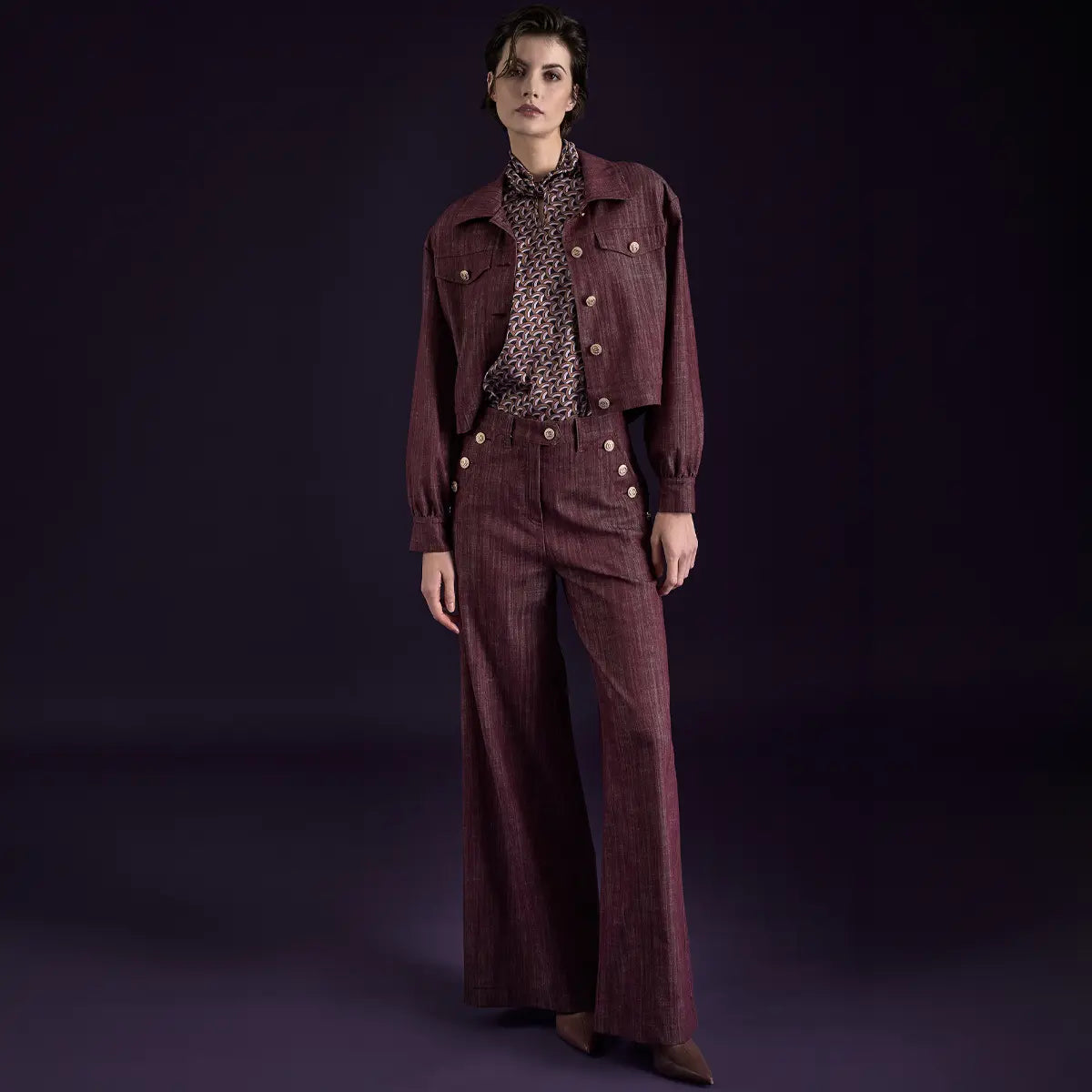
Trouser Shapes Guide
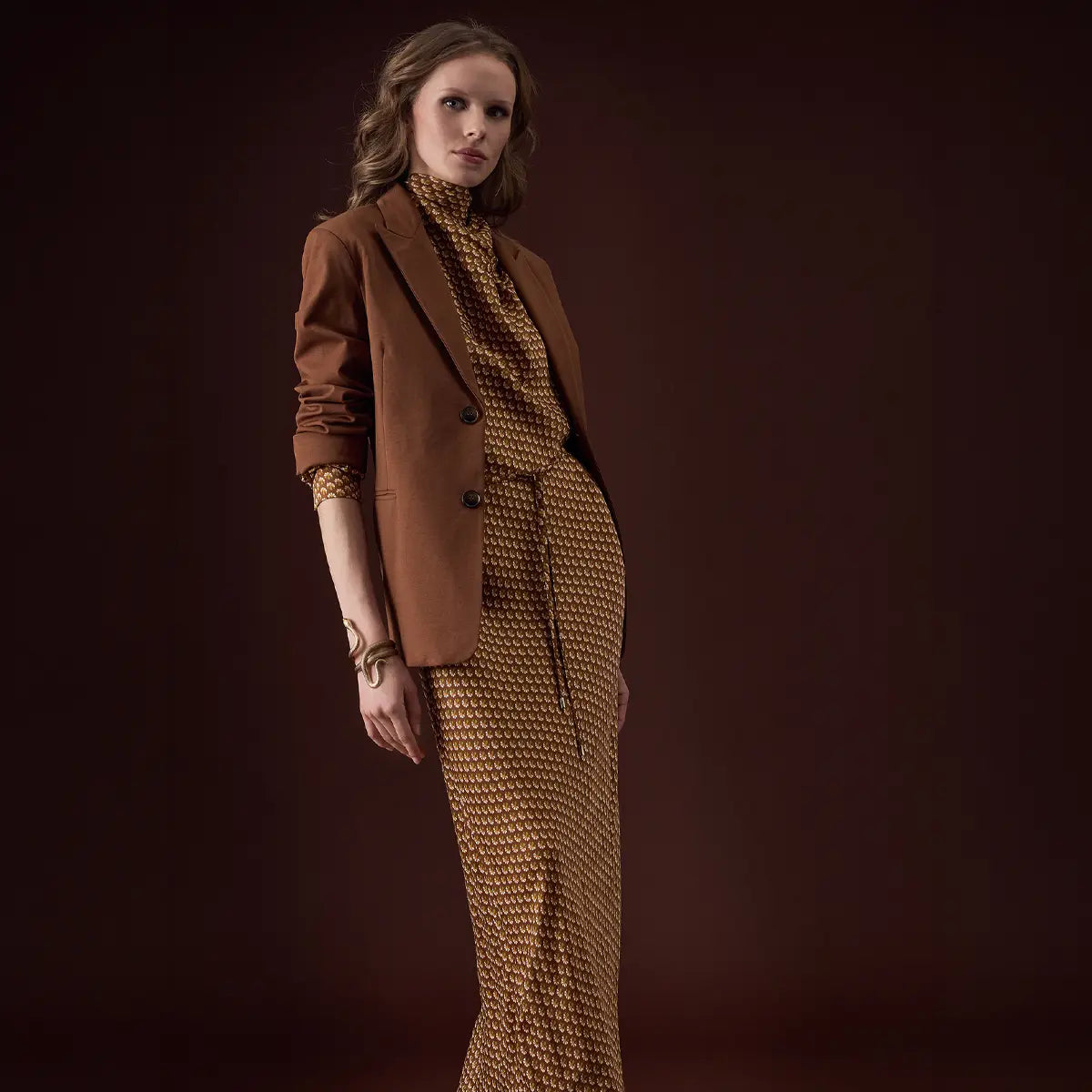
Dress Shapes Guide
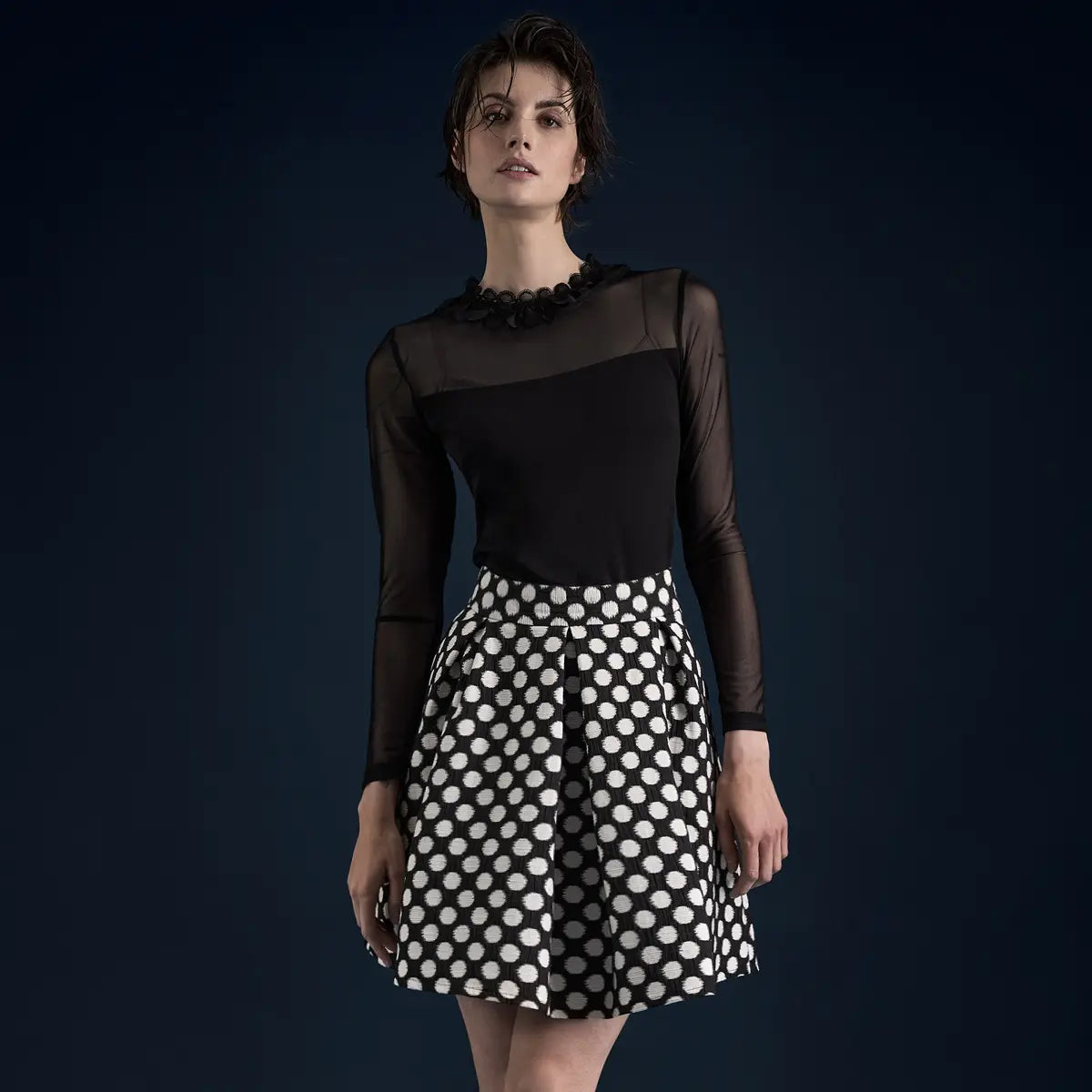
Skirt Shapes Guide
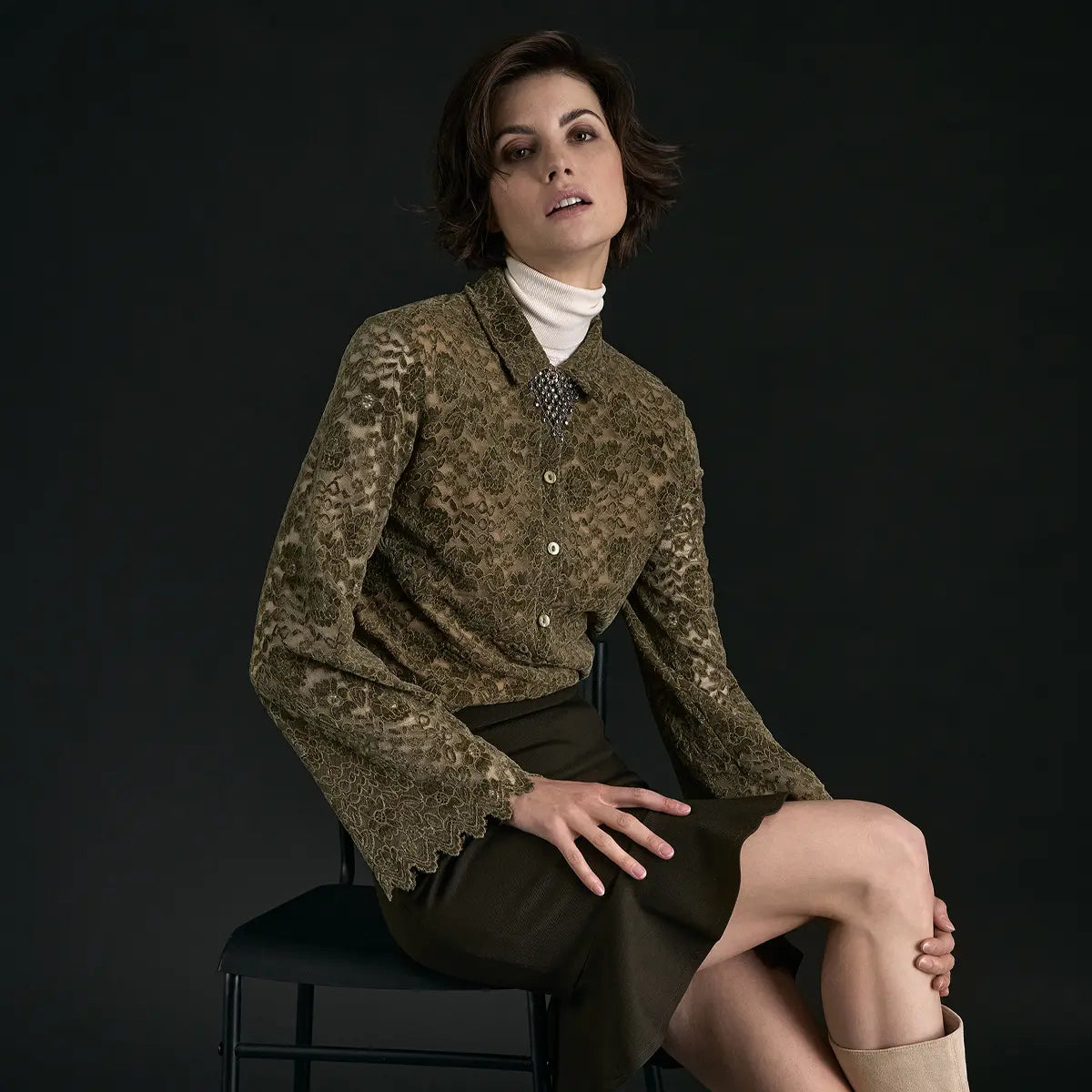
Top Form Guide
Jumpsuit Types Guide


